By Paige K Parsons
Published by Rabbit Health & Welfare
Main Facts: Understanding the Delicate Biology of Domestic Rabbits
At first glance, a healthy domestic rabbit is the picture of vitality: bright-eyed, endlessly curious, and brimming with kinetic energy. However, beneath this lively exterior lies a deeply ingrained biological paradox. As natural prey animals, rabbits have evolved to conceal illness, injury, and pain with remarkable efficiency. In the wild, showing weakness invites predation from hawks, foxes, and other carnivores.
This evolutionary survival mechanism presents a significant challenge for modern pet owners. By the time a rabbit outwardly demonstrates that it is sick, the condition has often progressed to an advanced, highly critical stage. Understanding what constitutes normal rabbit behavior—and possessing the vigilance to recognize subtle, early warning signs—is the single most effective way to prevent catastrophic health failures and ensure a long, thriving life.
Key indicators of a thriving rabbit include:
- High Alertness: Bright, clear eyes with no discharge, clean inner ears, and an inquisitive posture when presented with environmental changes.
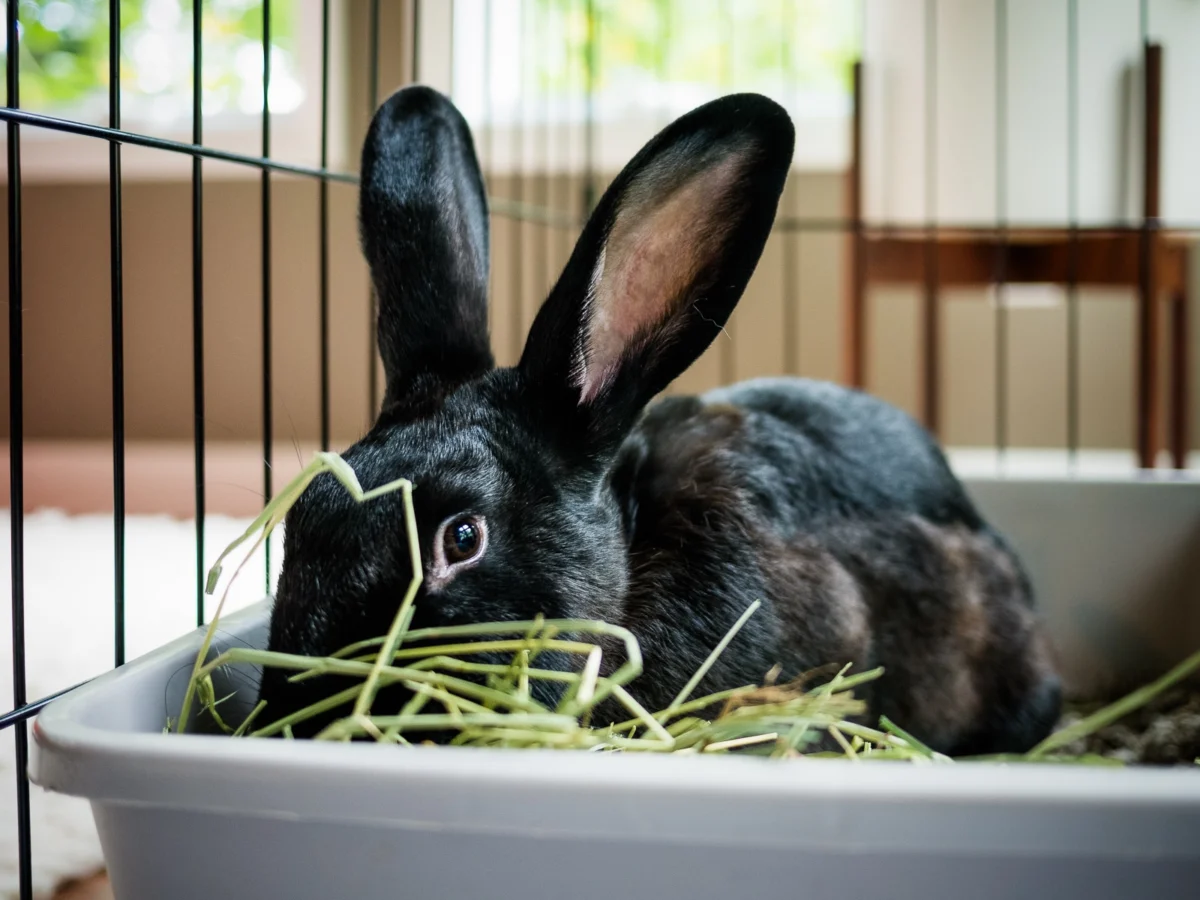
- Robust Appetite: Consistent consumption of grass hay, fresh greens, and fresh water, accompanied by a steady output of dry, well-formed fecal pellets.
- Active Mobility: Fluid, energetic movement with no signs of stiffness, limping, or reluctance to hop.
- Clean Grooming: Well-maintained fur free of matting, dampness, or staining around the perineal region (the "bottom").
Conversely, any sudden deviation from these baselines—such as an abrupt refusal to eat, a sudden preference for hiding in dark corners, or a noticeable drop in activity levels—must be treated as a medical emergency. Because rabbits possess extremely high metabolic rates and delicate internal systems, their health can deteriorate catastrophically within a matter of hours. Prompt, proactive veterinary intervention is quite literally the difference between life and death.
Chronology: The Rapid Progression of Feline and Canine vs. Rabbit Emergencies
To appreciate why time is of the essence in rabbit medicine, it helps to examine the timeline of typical domestic rabbit pathologies compared to more conventional household pets like dogs and cats.
- Hour 0–4 (The Onset): A rabbit experiences a minor environmental stressor, a slight dietary indiscretion, or an unnoticed dental spur. Digestive motility begins to slow down. The rabbit may slightly reduce its hay intake but continues to accept treats, masking the problem.
- Hours 4–12 (The Transition): Gas begins to accumulate in the gastrointestinal tract due to halted peristalsis. The rabbit adopts a hunched posture, may press its belly against the floor to relieve abdominal discomfort, and starts grinding its teeth (bruxism), a universal sign of severe pain in lagomorphs. Food refusal becomes absolute.
- Hours 12–24 (The Critical Window): Hepatic lipidosis (fatty liver disease) can begin to develop as the rabbit’s body metabolizes its own fat reserves due to starvation. Gut stasis is now fully entrenched. Dehydration sets in rapidly. Without aggressive veterinary intervention involving fluid therapy, gut motility stimulants, and analgesics, irreversible organ failure looms.
- Beyond 24 Hours: For aggressive conditions like acute gastrointestinal stasis or advanced flystrike, mortality rates skyrocket past the 24-hour mark. The cascading effects of endotoxemia and systemic shock frequently overwhelm the animal’s fragile physiology.
Supporting Data: Navigating the Most Common Rabbit Health Crises
Veterinary specialists categorize domestic rabbit ailments into several primary areas. Recognizing the etiology, symptoms, and preventive measures for each category is essential for responsible stewardship.
1. Gastrointestinal (GI) Stasis
Often referred to casually as "bloat" or "slow gut," GI stasis is arguably the most pervasive and lethal emergency encountered in rabbit medicine. The normal muscular contractions of the digestive tract grind to a halt, trapping gas and causing excruciating pain.
- Symptoms: Complete anorexia, drastically reduced or entirely absent fecal pellets, hunched posture, audible tooth grinding, and a visibly bloated or taut abdomen.
- Action: Contact a rabbit-savvy veterinarian immediately. Waiting to see if the rabbit "recovers on its own" is a fatal gamble. Professional treatment typically involves subcutaneous or intravenous fluids, potent pain management (analgesics), and prokinetic drugs to restart gut motility.
- Prevention: Maintain a high-fiber diet consisting primarily of unlimited grass hay (such as timothy or orchard grass), provide ample daily free-roam exercise, and minimize environmental stressors.
2. Dental Disease (Malocclusion and Spurs)
Unlike humans or carnivores, a rabbit’s teeth—both the prominent front incisors and the less visible, heavy-duty molars in the back of the mouth—grow continuously throughout its lifetime, often at a rate of several millimeters per week. Proper alignment and natural chewing mechanics are required to grind these teeth down evenly.
- Symptoms: Dropping food from the mouth, excessive salivation (resulting in a perpetually wet chin or "slobbers"), reduced appetite, smaller or misshapen droppings, and noticeable weight loss. As rabbits age, dental issues become increasingly prevalent.
- Action: A qualified veterinarian must safely trim or file the teeth under brief anesthesia and inspect the jaw for underlying malocclusion or abscesses.
- Prevention: Provide unlimited grass hay and untreated, chew-safe wooden toys. Schedule routine wellness checks specifically targeting dental occlusion before visible symptoms manifest.
3. Respiratory Infections ("Snuffles")
Often incited by opportunistic bacterial pathogens such as Pasteurella multocida, upper respiratory infections can quickly compromise a rabbit’s delicate breathing apparatus.
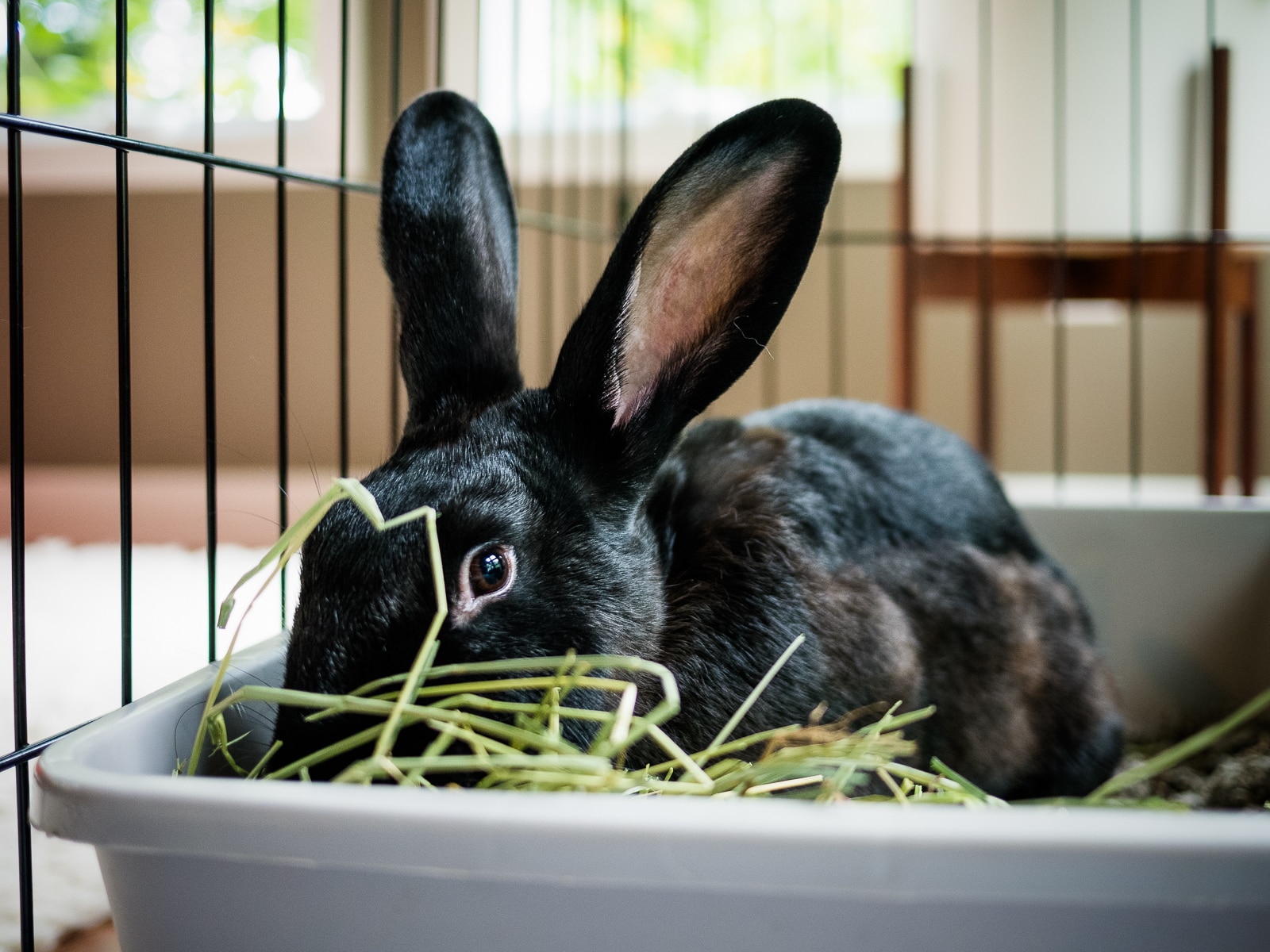
- Symptoms: Frequent sneezing, thick nasal discharge, matted fur on the inside of the front paws (from wiping the nose), and watery or inflamed eyes.
- Action: Veterinary diagnostics are required to isolate the pathogen and prescribe targeted antibiotics alongside supportive nebulization therapy.
- Prevention: Ensure housing is impeccably clean and exceptionally well-ventilated. Change litterboxes frequently, remove damp or soiled hay daily, avoid sudden temperature swings, and rigorously quarantine any new rabbits before introducing them to an established household.
4. Flystrike (Myiasis)
Flystrike occurs when blowflies are attracted to soiled fur, damp bedding, or open skin wounds. They deposit eggs that hatch into voracious maggots within hours, rapidly burrowing into living tissue. This is a terrifying, rapidly fatal emergency.
- Symptoms: Sudden lethargy, a distinct foul odor, visible writhing masses of maggots, and damp, stained fur around the hindquarters.
- Action: Emergency surgical debridement, intensive cleaning, and hospitalization by a veterinarian are mandatory.
- Prevention: Perform daily health checks, particularly around the rear end. Keep elderly, arthritic, or overweight rabbits meticulously clean, as they may struggle with self-grooming. Install window screens and protect rabbits from fly exposure during warm summer months.
5. Parasitic Infestations (Ear Mites and E. cuniculi)
Rabbits are susceptible to various ectoparasites and internal protozoan parasites. Ear mites (Psoroptes cuniculi) cause intense irritation, while Encephalitozoon cuniculi (E. cuniculi) is a microscopic parasite that targets the nervous system and kidneys.
- Symptoms: For ear mites: violent head shaking, scratching at the ears, and thick, crusty brown debris inside the ear canal. For E. cuniculi: head tilt (torticollis), urinary incontinence, loss of balance, or posterior paralysis.
- Action: Veterinary confirmation via scrapings or blood titers, followed by safe, species-appropriate anti-parasitic medications (such as ivermectin or fenbendazole).
- Prevention: Maintain high standards of indoor sanitation. Prevent all contact with wild rabbits or untreated outdoor animals, and source hay from reputable suppliers free of contamination.
6. Heat Stress and Heat Stroke
Rabbits possess very few sweat glands and cannot pant effectively like dogs. Their primary cooling mechanism relies on their large ears, which contain a dense network of blood vessels. Consequently, they are exceptionally vulnerable to ambient temperatures exceeding 80°F (26°C).
- Symptoms: Rapid, labored breathing (respiratory distress), drooling, extreme lethargy, sprawling posture, and ultimate collapse or unresponsiveness.
- Action: Immediately relocate the rabbit to a cool, air-conditioned room. Gently mist their ears with tepid water (never ice-cold water, which causes shock and vasoconstriction) and contact a veterinarian instantly.
- Prevention: Keep indoor enclosures out of direct sunlight. Utilize air conditioning, fans for adequate air circulation, and wrap frozen water bottles in towels for the rabbit to lean against during heatwaves. Never house rabbits outdoors in unconditioned spaces during warm seasons.
Official Responses: The Veterinary Community Speaks on Specialized Care
The House Rabbit Society and the broader veterinary community have long emphasized a critical systemic hurdle in rabbit husbandry: the vast majority of veterinary school curricula focus heavily on canine, feline, and large livestock medicine, leaving traditional general practitioners with minimal training in exotic companion mammals.
Dr. Angela Martinez, an avian and exotic animal specialist, notes:
"A rabbit is not simply a small dog or a furry cat; their physiology is entirely unique. From their obligate herbivorous digestive tract and hindgut fermentation process to their extreme sensitivity to specific antibiotics—such as penicillins and lincomycin, which can be fatal—treating a rabbit requires specialized post-graduate training. Prescribing the wrong medication or failing to recognize the nuances of rabbit anesthesia routinely leads to tragic, preventable outcomes."
Veterinary boards and animal welfare organizations universally urge pet owners to establish a relationship with a certified rabbit-savvy veterinarian before an emergency strikes. Waiting until a crisis unfolds to search for an experienced clinician wastes precious hours that could mean the difference between survival and mortality.
Implications: The Vital Need for Preventive Mastery and Ongoing Education
The implications of these health realities point to a clear conclusion: modern rabbit care requires an active, highly informed guardianship model. Unlike cats or dogs, which may tolerate occasional lapses in husbandry without immediate clinical collapse, rabbits demand pristine environmental management, dietary discipline, and daily observational tracking.
- Dietary Integrity: Adhering strictly to a high-fiber, grass-hay-dominant diet is not merely a suggestion; it is the cornerstone of preventing both GI stasis and severe dental malocclusion.
- Environmental Hygiene: Daily litter box maintenance, rigorous fly prevention protocols during warmer months, and dust-free bedding directly neutralize the threats of respiratory infections and myiasis.
- Proactive Veterinary Partnerships: Utilizing dedicated directories—such as the Rabbit Vet Directory maintained by rescue networks—ensures that owners have immediate access to qualified medical professionals who understand the intricate anatomy, pharmacology, and anesthetic requirements of lagomorphs.
By shifting the paradigm from reactive crisis management to proactive, preventative wellness, rabbit owners can drastically improve both the lifespan and the daily quality of life of these sensitive, intelligent companions. Early recognition, rapid veterinary response, and a deep appreciation for rabbit biology remain our most powerful tools in safeguarding their health.