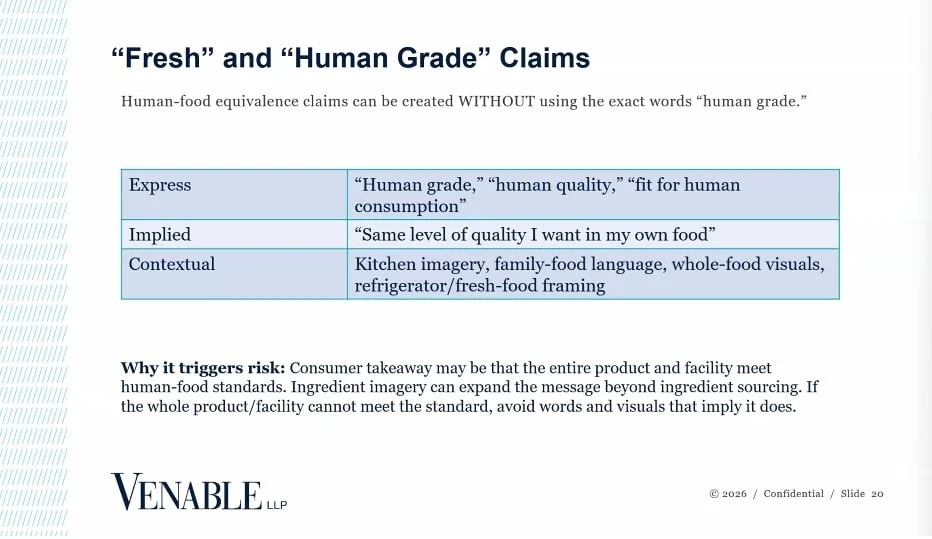
In the ongoing quest to ensure the safety of the commercial pet food supply, manufacturers are increasingly turning to advanced technologies to mitigate the risk of pathogenic contamination. Recently, Vital Essentials, a prominent name in the pet food industry, confirmed that it has begun utilizing E-Beam (electron beam) technology to treat its products. While the company asserts that this process is a sophisticated means of ensuring safety, the move has reignited a long-standing and contentious debate among pet owners, veterinarians, and food safety advocates regarding the implications of irradiation in pet nutrition.
The Technological Shift: Understanding E-Beam Irradiation
On its official FAQ page, Vital Essentials states that it has "implemented E-Beam Technology to eliminate harmful pathogens using electricity." Unlike traditional heat-based "kill steps" such as pasteurization or extrusion, E-Beam technology utilizes high-energy electrons to penetrate food packaging, disrupting the DNA of microorganisms like Salmonella, Listeria, and E. coli, thereby rendering them unable to reproduce or cause illness.
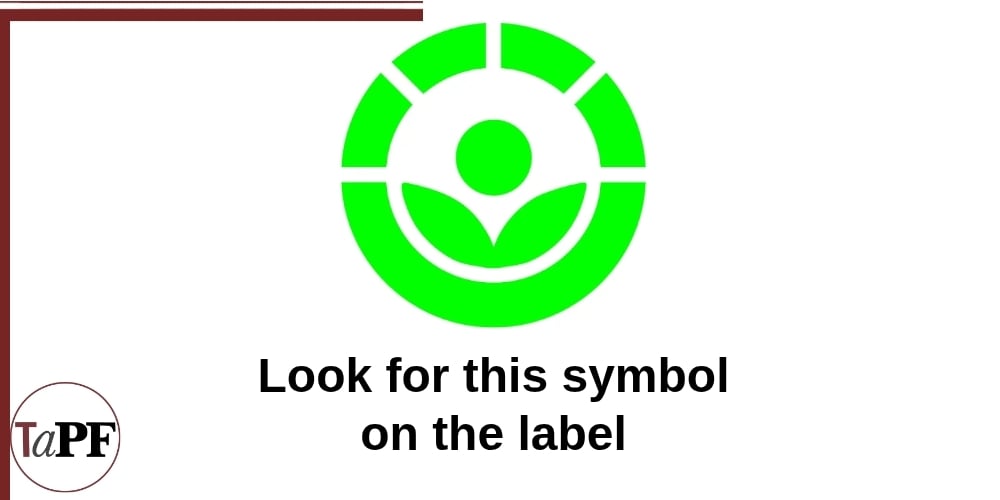
Under current regulatory frameworks, any packaged food—whether intended for human or animal consumption—that has undergone irradiation must be clearly labeled. Consumers should look for the international "radura" symbol or explicit text stating, "Treated with radiation" or "Treated by irradiation."
While the FDA maintains that the irradiation process is safe and effectively reduces the risk of foodborne illness, the implementation of this technology is not without controversy. It forces a collision between the industry’s desire for pathogen-free products and the consumer’s demand for "whole" or minimally processed nutrition.
A Troubling Chronology: The Shadow of 2008
For many veteran pet owners, the mention of irradiation in pet food immediately evokes the tragic events of 2008. During that period, the Orijen brand faced a catastrophic recall in Australia. To comply with strict Australian quarantine requirements, imported pet foods were subjected to gamma irradiation.
The consequences were devastating. Numerous cats developed severe neurological symptoms, including paralysis, and many did not survive. An subsequent investigation by the Australian Parliament concluded that the irradiation process was a significant factor in the tragedy. The report found that the high-energy treatment likely caused a rapid depletion of Vitamin A and induced the formation of harmful free radicals within the food.

Vital Essentials and proponents of E-Beam technology are quick to distinguish today’s methods from the 2008 incident. They argue that the earlier tragedy was the result of gamma irradiation, whereas they employ E-Beam technology, which they claim is more controlled and less likely to compromise the nutritional integrity of the product. Vital Essentials maintains that their internal validation studies demonstrate that their food remains nutritionally sound post-treatment.
However, historical skepticism remains high. The pet food industry has also been haunted by the "jerky treat" scandal, where products imported from China were linked to widespread illness and death in dogs. Investigations by the FDA during that crisis revealed the presence of irradiation markers, yet the agency simultaneously admitted that it lacked validated methods to accurately measure the dosage of radiation applied to these products. This lack of oversight regarding the "dosage" of radiation remains a significant point of contention for consumer advocates.
The FDA’s "Zero Tolerance" Policy and Its Efficacy
The primary driver for the adoption of irradiation is the FDA’s 2013 "zero tolerance" policy for pathogenic bacteria in pet food. This mandate effectively requires manufacturers to produce food that is completely free of pathogens, or face the prospect of a mandatory recall.
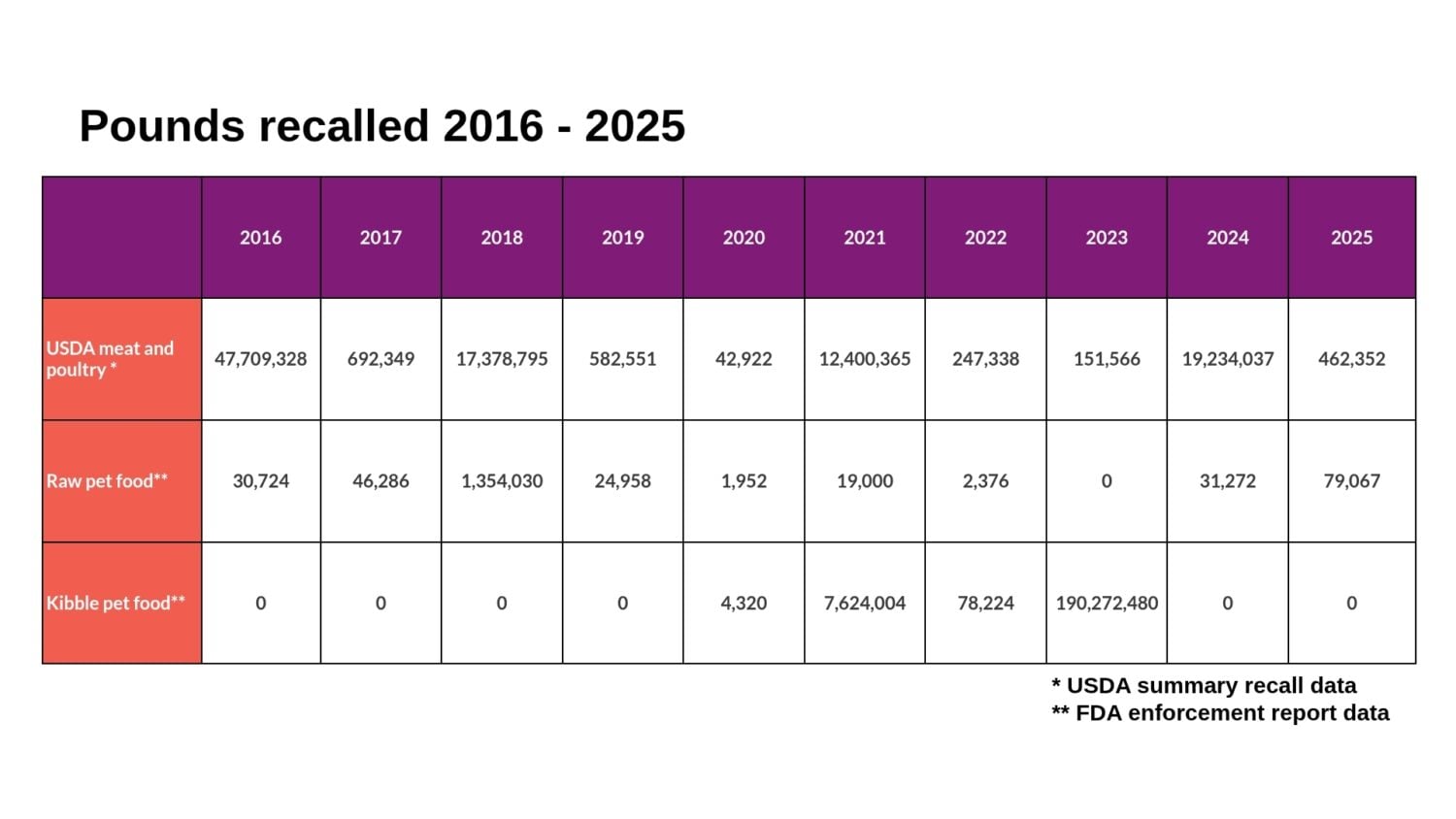
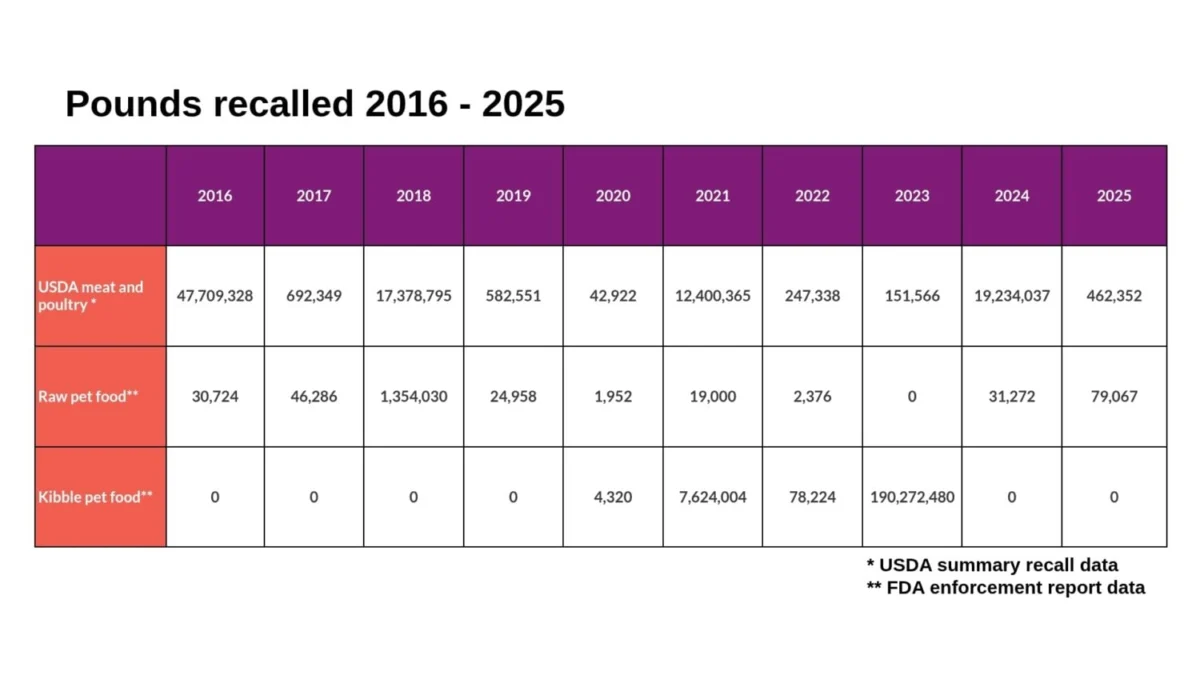
While the policy was designed with the best of intentions—to protect pets and their owners from zoonotic diseases—data suggests it has been largely ineffective in curbing contamination. A comprehensive analysis of recall data over the past decade reveals that despite the implementation of stringent "kill steps" (such as heat treatment in kibble or irradiation in raw diets), there has been no significant downward trend in the volume of recalled pet food products.
Millions of pounds of kibble—a product category that is subjected to the FDA’s preferred method of high-heat processing—have been pulled from shelves over the last ten years due to Salmonella and Listeria contamination. This suggests that the current regulatory focus on the "end-product" is failing. Critics argue that the FDA is focusing on the wrong end of the spectrum, choosing to punish manufacturers for a positive test result rather than addressing the root cause of the contamination: the sourcing of raw materials.
The Hidden Risk: Endotoxins and Bacterial Death
Perhaps the most overlooked aspect of the "kill step" debate is the issue of endotoxins. Even when a process like irradiation or high heat successfully kills the bacteria, it does not necessarily make the food safe.

Gram-negative bacteria, such as Salmonella and E. coli, contain endotoxins—toxic lipopolysaccharides—that are released into the food when the bacterial cell wall is ruptured or the bacteria dies. Unlike the bacteria themselves, which are neutralized by the kill step, these endotoxins remain in the food and can be highly toxic to animals.
Dr. Donald R. Strombeck, a Professor Emeritus at the University of California, Davis, School of Veterinary Medicine, has long cautioned against the dangers of endotoxins in pet food. According to Dr. Strombeck, endotoxins are processed by the liver, but an excess of these toxins can cause significant hepatic damage. Furthermore, he notes that when the liver is already stressed by other factors—such as high levels of copper, iron, or certain medications—the presence of endotoxins can exacerbate organ failure. The FDA, despite repeated inquiries from advocates and researchers, has yet to establish standards or testing protocols for endotoxin levels in commercial pet food.
Implications for the Modern Consumer
The shift toward irradiation represents a fundamental change in the philosophy of pet food production. It is a move toward a "sterilized" model of nutrition. While the industry touts the safety benefits of eliminating pathogens, the long-term impact on the bioavailability of nutrients—and the potential danger of lingering endotoxins—remains an area where scientific certainty is lacking.

For pet owners, the path forward requires a higher degree of vigilance. If a consumer chooses to purchase products that have been treated with irradiation, they should take the following steps to ensure their pet’s health:
- Ask for Validation: Contact the manufacturer directly and request the specific type of irradiation used (e.g., E-Beam vs. Gamma).
- Request Nutritional Profiles: Ask for current, full-spectrum nutritional analysis results that were conducted after the irradiation process, not before.
- Monitor Health: Be aware of the signs of nutrient deficiencies or unexplained malaise, and maintain open communication with a veterinarian regarding the diet being fed.
Ultimately, the debate over irradiation is symptomatic of a larger issue within the pet food industry. As long as regulators focus on "sterilizing" contaminated ingredients rather than mandating higher standards for the source of those ingredients, the industry will continue to rely on controversial methods to mask systemic failures. Until the FDA shifts its focus toward preventing contamination at the source, the burden of proof, and the ultimate risk, will continue to fall upon the shoulders of the pet owner.
The persistent failure of the "zero tolerance" model indicates that the industry is at a crossroads. Whether E-Beam technology is a revolutionary leap forward or merely a temporary fix for a deeper, structural problem remains a question that only time—and perhaps more transparent data—will answer.