In an era where pet "humanization" drives a multi-billion dollar industry, the divide between marketing claims and the reality of ingredient sourcing has never been wider. While pet owners increasingly seek premium, "human-grade" snacks for their companions, the regulatory framework governing these products remains surprisingly permissive regarding the use of inferior or even hazardous materials. Against this backdrop, prominent pet food advocate Susan Thixton, founder of TruthAboutPetFood.com, has released the "2026/27 Treat List."
The document, which identifies 44 brands that have successfully passed a rigorous verification process, serves as both a consumer guide and a silent protest against the lack of transparency in the pet food industry. This investigative report explores the release of the list, the methodology behind its curation, and the systemic regulatory failures that necessitate such independent oversight.
I. Main Facts: A Private Audit in a Public Regulatory Vacuum
The 2026/27 Treat List is not a mere collection of product reviews; it is a proprietary audit of 44 pet treat brands that have voluntarily submitted their internal documentation for scrutiny. The list is designed to address a critical flaw in the American pet food market: the fact that marketing terms like "human-grade," "organic," and "humanely raised" are frequently used on labels without mandatory verification by state or federal authorities.
According to Thixton, the 2026/27 list focuses on brands available primarily in the United States and Canada. The selection process is strictly non-commercial. Unlike many "best of" lists in the pet industry, no manufacturer paid a fee to be considered, and no free products were accepted for review. The list includes a diverse range of treat types, from single-ingredient dehydrated meats to artisanal cookies and cheese-based snacks, produced by companies ranging from small home-based businesses to established manufacturers with their own facilities.
The core requirement for inclusion is the "human-grade" standard. This signifies that every ingredient in the treat is legally defined as edible for humans and that the product is manufactured, packed, and held in accordance with federal regulations for human food. In cases where animal parts not typically consumed by humans are used, the list requires proof that the ingredients were sourced from animals that were inspected and passed by the USDA.
II. Chronology: The Evolution of Pet Food Advocacy
The release of the 2026/27 Treat List is the latest milestone in a decades-long movement toward pet food transparency. To understand its significance, one must look at the timeline of events that led to the creation of independent consumer watchdogs in this space.
- The 2007 Melamine Recall: This watershed moment, which saw thousands of pets fall ill or die due to contaminated gluten from China, exposed the fragility of the pet food supply chain and the lack of oversight regarding imported ingredients.
- The Founding of TruthAboutPetFood.com: Following the recall and personal loss, Susan Thixton began investigating the legal definitions of pet food ingredients, eventually forming the Association for Truth in Pet Food (ATPF). This stakeholder organization represents pet owners at meetings of the Association of American Feed Control Officials (AAFCO) and the FDA.
- The Rise of "Feed Grade" vs. "Human Grade": Over the last decade, a clear ideological split emerged. "Feed grade" products are governed by rules that allow for recycled waste, whereas "human grade" products must meet the same standards as the food found on grocery store shelves.
- The 2024-2025 Investigative Cycle: Leading up to the current release, Thixton’s team issued a series of inquiries to hundreds of manufacturers. The 2026/27 cycle involved months of document review, including sourcing affidavits, USDA inspection reports, and laboratory testing results.
- November 2024 Release: The digital product was officially made available to the public, offering a "pay-what-you-can" model to fund ongoing advocacy work at the regulatory level.
III. Supporting Data: The Verification Methodology
The Treat List’s credibility rests on its "long list of questions," a vetting process that goes significantly deeper than the standard FDA label review. When a company asks to be considered or is selected for review, they must provide evidence for every claim made on their website and packaging.
1. Sourcing Verification
While a label might say "Real Chicken," the Treat List demands to know the quality of that chicken. Manufacturers must provide documentation proving that their meats are not "4D" (dead, dying, diseased, or disabled) animals. For those claiming organic status, USDA Organic certificates are required. For those claiming "humanely raised," third-party certifications (such as Global Animal Partnership or Certified Humane) are scrutinized.
2. Manufacturing Standards
The list distinguishes between companies that own their manufacturing facilities and those that use "co-packers." For co-packed products, the brand must prove they have oversight of the facility’s sanitation and ingredient-handling protocols.
3. Financial Independence
A significant data point in Thixton’s methodology is the rejection of industry money. The pet food industry is known for "pay-to-play" certifications and sponsored content. By operating on a consumer-supported model—where the only income is derived from the sale of the Lists and ATPF memberships—the verification process remains insulated from corporate influence.
IV. Official Responses: The Regulatory Stance on Ingredient Quality
The necessity of an independent "Treat List" is highlighted by the official stance of the U.S. Food and Drug Administration (FDA) and its Center for Veterinary Medicine (CVM). The disparity between consumer expectations and regulatory policy is stark.

In a statement that has become a cornerstone of pet food advocacy arguments, the FDA CVM noted: “We do not believe that the use of diseased animals or animals that died otherwise than by slaughter to make animal food poses a safety concern and we intend to continue to exercise enforcement discretion.”
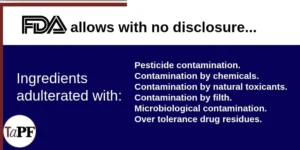
This "enforcement discretion" is the crux of the controversy. Under the Federal Food, Drug, and Cosmetic Act (FFDCA), food is considered adulterated if it consists in whole or in part of any filthy, putrid, or decomposed substance, or if it is otherwise unfit for food. However, for the pet food industry, the FDA has historically chosen not to enforce these rules against "feed-grade" ingredients.
This means that legally, a manufacturer can use ingredients that would be banned from the human food supply—including animals that died of disease—without disclosing this to the consumer. State pet food authorities, who are responsible for label registration, rarely have the resources or the mandate to verify if a "premium" treat is actually made from high-quality ingredients or merely cleverly marketed waste.
V. Implications: The Future of the Pet Treat Market
The release of the 2026/27 Treat List carries significant implications for consumers, manufacturers, and regulators alike.
For the Consumer
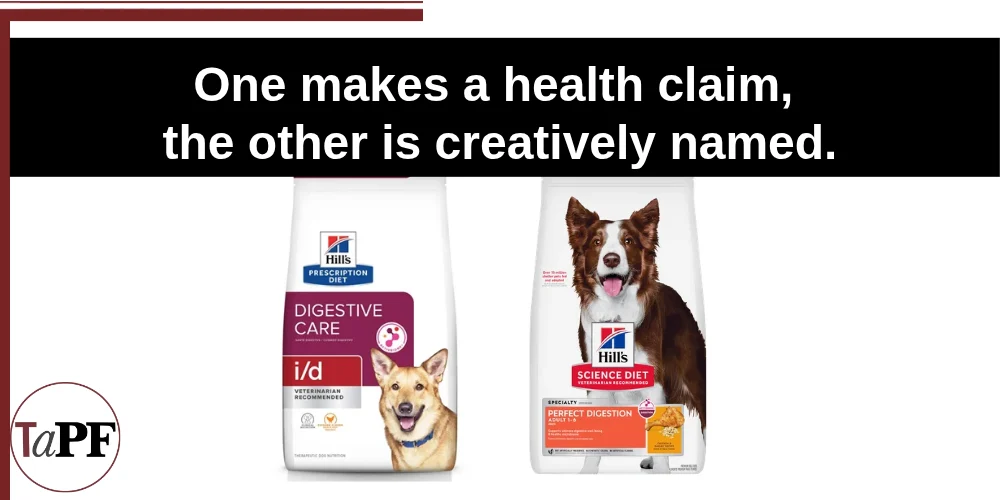
The list places the burden of safety and quality assurance on the pet owner. By purchasing a verified list, consumers are effectively opting out of the traditional "feed-grade" system. It highlights a growing "buyer beware" environment where the price of a product is no longer a reliable indicator of its quality.
For the Industry
The success of such lists creates a market incentive for transparency. The 44 brands included in the 2026/27 list represent a segment of the industry that views transparency as a competitive advantage. As more consumers move toward verified human-grade products, larger "feed-grade" corporations may face increasing pressure to provide similar levels of sourcing disclosure.
For Advocacy and Regulation
The proceeds from the Treat List directly fund the Association for Truth in Pet Food. This creates a self-sustaining cycle of advocacy. These funds allow representatives to attend AAFCO meetings, where they serve as the only consumer voice in a room often dominated by industry lobbyists and regulatory officials. The ultimate goal of this work is to move the needle on federal policy, pushing for the elimination of "enforcement discretion" and the mandatory disclosure of ingredient quality on all pet food labels.
Conclusion
The 2026/27 Treat List is more than a shopping guide; it is a document born of regulatory failure. In a system where the FDA openly permits the use of diseased animal tissues in animal feed, Susan Thixton’s list provides a rare sanctuary of verified data for concerned pet owners. While the list covers only 44 brands, its existence challenges the entire pet food industry to answer a simple but profound question: If your ingredients are truly "the finest," why won’t you provide the documents to prove it?
As the 2026/27 cycle begins, the pet food industry finds itself at a crossroads. One path leads toward continued "enforcement discretion" and opaque sourcing, while the other—championed by the brands on this list—leads toward a future where "human-grade" is not just a marketing buzzword, but a verified legal standard.