
The landscape of the American pet food industry is undergoing a seismic shift. For decades, the shelves of big-box retailers and independent pet boutiques were dominated by shelf-stable, extruded kibble. However, a significant pivot is currently underway: several of the largest, most established traditional pet food manufacturers in the United States have officially entered the "fresh" pet food category.
While the marketing promises "freshness," "wholesomeness," and "vitality," a closer look at the industry reveals a chaotic regulatory environment, extreme price volatility, and a lack of transparency that leaves the average consumer struggling to differentiate between a premium meal and an overpriced marketing exercise.

The Regulatory Vacuum: Defining "Fresh"
The most pressing issue facing the modern pet owner is the lack of a legal definition for "fresh" in the context of pet nutrition. Neither the U.S. Food and Drug Administration (FDA) nor the Association of American Feed Control Officials (AAFCO) has established a formal standard for what qualifies as a "fresh" pet food.
In this legal vacuum, the term has become a catch-all marketing label. A product labeled "fresh" can be frozen, refrigerated, or shelf-stable. It can be raw, gently cooked, or highly processed. Because there is no legal benchmark, manufacturers are essentially self-regulating their terminology. This ambiguity creates a significant hurdle for consumers who believe they are purchasing a specific category of nutrition, only to find that the product may share more in common with traditional processed feed than the home-cooked imagery suggests.
A Corporate Takeover of the Fresh Category
The entry of industry titans into this space has been rapid. Mars Petcare, a global giant, has aggressively expanded its portfolio, now offering fresh dog food through three of its major brands: NomNom, Royal Canin, and Orijen.
Mars Petcare and its Subsidiaries
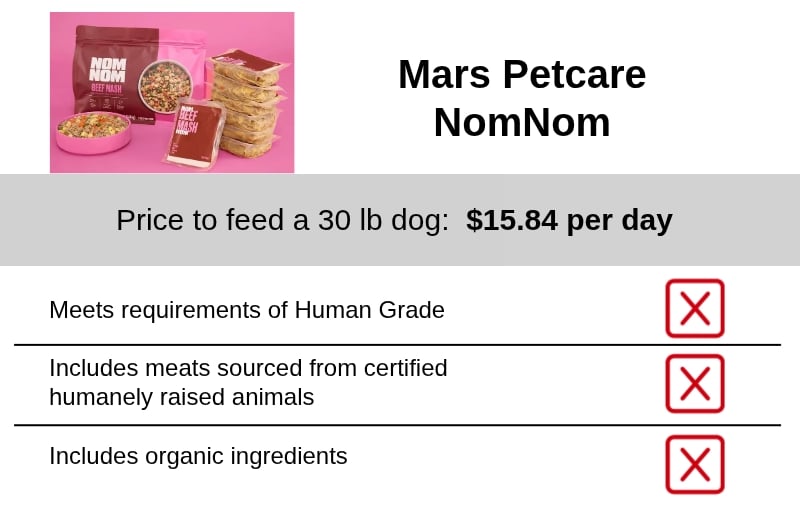
Mars acquired the direct-to-consumer brand NomNom in 2022. Despite its modern, health-conscious branding, the product does not currently make human-grade claims, nor does it specify the use of certified humanely raised or organic ingredients.
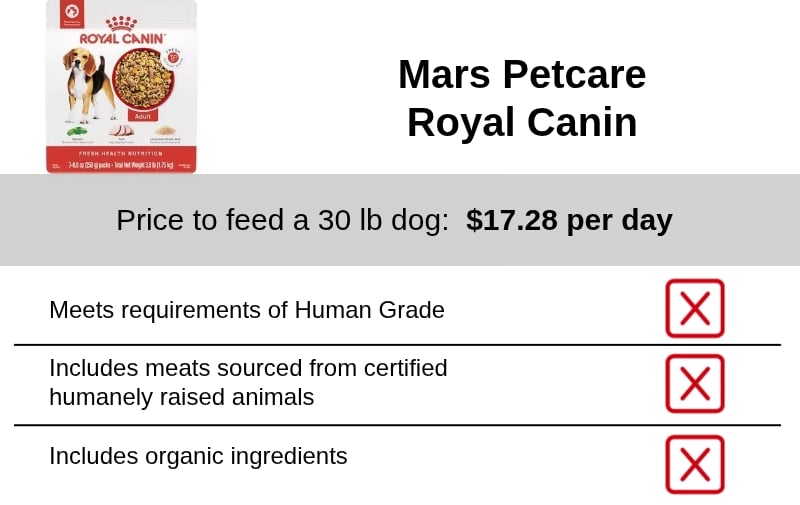
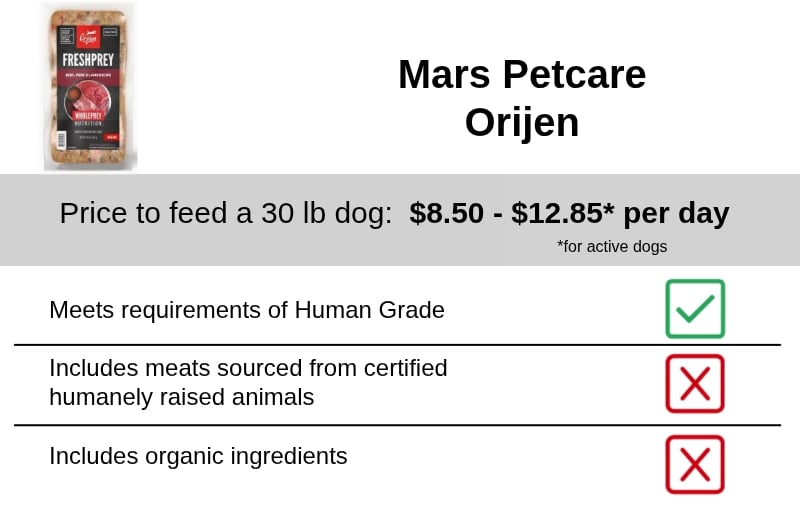
Similarly, Mars’ legacy brand, Royal Canin, has launched "Fresh Health Nutrition." Like NomNom, it lacks certifications regarding ingredient sourcing or human-grade manufacturing status. The contrast is most stark when examining Orijen, a brand acquired by Mars via the 2022 purchase of Champion Petfoods. Orijen’s "Fresh Prey" line is the rare outlier among these giants, as it explicitly carries a "human-grade" claim on its label—though it, too, avoids claims regarding organic sourcing or humane animal welfare certifications.
Other Industry Players
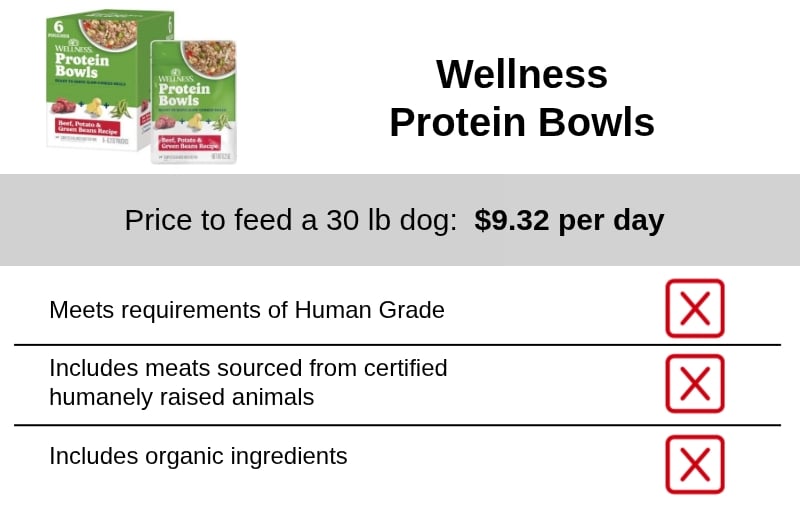
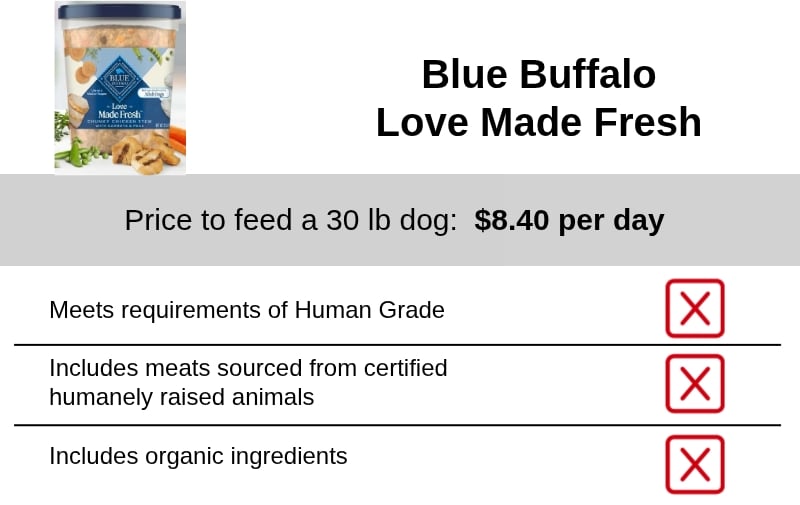
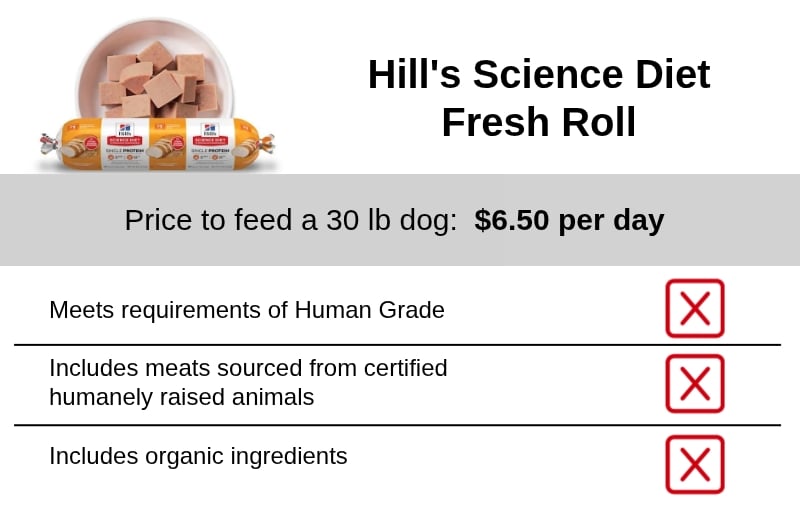
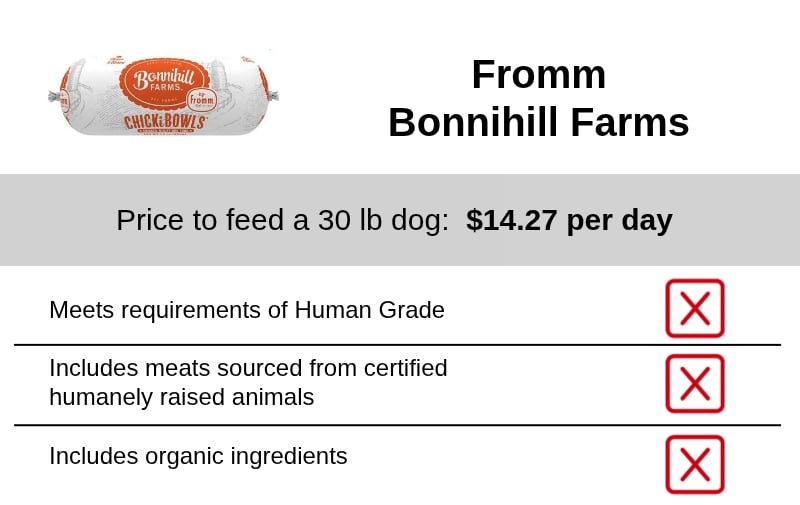
The trend is not limited to Mars. Wellness Pet Food has introduced "Protein Bowls," while Blue Buffalo has launched its "Love Made Fresh" line. Even Hill’s Science Diet and Fromm Pet Food have entered the market with "Fresh Roll" or "Chickibowls" products. Notably, none of these major manufacturers have developed a corresponding fresh line for cats, suggesting a strategic focus on the dog food market’s higher willingness to pay for premiumization.
Chronology of the Shift
The transition from kibble-centric models to the inclusion of fresh options has accelerated over the last three years.
- 2022: Mars Petcare consolidates its position in the fresh market by finalizing the acquisitions of both NomNom and Champion Petfoods (Orijen/Acana). This move signaled to the industry that fresh food was no longer a niche, boutique endeavor, but a core component of global corporate strategy.
- 2025-2026: Throughout this period, major retailers began aggressively stocking refrigerated sections with fresh rolls and pouches from legacy brands like Hill’s and Fromm.
- March 2026: The industry began to see the first signs of price instability. As fresh products hit the mass market, consumer reception was met with erratic pricing models. For instance, reports noted that following the launch of Orijen’s fresh offerings, retail giant Petco adjusted the price of the food downward by $2.00 per pouch—an acknowledgment of either initial price-gouging or a failure to meet sales velocity targets.
Supporting Data: The Price of "Freshness"
When analyzing the cost of feeding a 30-pound dog, the discrepancy between brands is staggering. These figures, estimated based on manufacturer or retailer feeding guidelines, highlight a lack of correlation between manufacturing methods and retail price.
| Brand | Daily Cost (Est. for 30lb Dog) |
|---|---|
| Blue Buffalo (Love Made Fresh) | ~$8.40 |
| NomNom | ~$10.00 |
| Wellness (Protein Bowls) | ~$12.50 |
| Orijen (Fresh Prey) | ~$13.50 |
| Royal Canin (Fresh Health) | ~$17.28 |
| Hill’s Science Diet (Fresh Roll) | ~$6.50 |
| Fromm (Chickibowls) | ~$14.27 |
The data reveals two major points of concern. First, the range for a 30-pound dog is between $6.50 and $17.28 per day. Second, brands that are manufactured using nearly identical processes—often in the same types of feed-grade facilities—show extreme price variation.
For example, why is Royal Canin (feed-grade) nearly double the price of Blue Buffalo (also feed-grade)? Even more egregious is the disparity between Hill’s and Fromm; both offer refrigerated, roll-style fresh food, yet the Fromm product costs more than twice as much as the Hill’s version.
Implications: Pricing Games and Consumer Trust
The volatility in pricing and the lack of standardization suggest that traditional kibble manufacturers are engaged in a "pricing experiment." By testing the upper limits of what pet owners are willing to pay for the "fresh" label, these corporations are effectively determining the ceiling for the category.
Are Consumers Being Pushed Back to Kibble?
One prevailing theory among industry advocates is that these companies may be intentionally pricing their fresh lines at unsustainable or exorbitant levels to encourage "premium fatigue." If a consumer tries a fresh product at $17.28 per day and finds it unaffordable, they are statistically likely to return to the manufacturer’s traditional, higher-margin kibble products. By positioning fresh food as a luxury-tier item, companies can maintain the loyalty of the premium market while ensuring their core kibble business remains the "value-based" standard.
The Human-Grade Deception
The most significant implication is the "human-grade" misnomer. Because there is no legal definition of "fresh," consumers often assume that fresh equals human-grade. However, as documented, only a fraction of these products meet the strict manufacturing standards required for human consumption. When a consumer pays a premium for a "fresh" product that is, in reality, processed in a feed-grade facility using feed-grade ingredients, they are not just paying for "freshness"—they are paying for a marketing illusion.
Official Responses and Industry Stance
While these companies often highlight their commitment to "scientific nutrition" or "gently cooked" processes, they have remained largely silent on the specific pricing disparities. When pressed on the lack of human-grade status for their fresh lines, manufacturers often cite the AAFCO’s current lack of labeling standards as a justification for their marketing language.
By operating in this gray area, companies avoid the liability of strict FDA oversight that would accompany human-grade food production. They prioritize speed-to-market and brand extension over the clarity that consumers deserve.
Conclusion: A Call for Transparency
The integration of fresh food into the portfolios of the world’s largest pet food manufacturers is not inherently negative; it provides pet owners with more options than ever before. However, the current state of the industry is fraught with exploitation. Without a legal, standardized definition of "fresh," and with pricing models that appear to be disconnected from actual ingredient quality or manufacturing costs, the pet owner is left to navigate a minefield.

For the conscientious consumer, the advice remains the same: look past the marketing, demand transparency in sourcing, and do not equate "fresh" with "health" or "human-grade." Until regulatory bodies like the FDA and AAFCO step in to define these terms and enforce strict labeling standards, the "fresh" revolution will remain a corporate game where the only certainty is the price on the tag.
Susan Thixton is a pet food consumer advocate and the founder of TruthAboutPetFood.com. She continues to represent the interests of pet owners at AAFCO meetings, pushing for greater transparency and stricter regulations in an industry that has long operated behind closed doors.