SAN BENITO COUNTY, California — The California Department of Food and Agriculture (CDFA) has officially confirmed a new case of equine infectious anemia (EIA) in San Benito County, renewing concerns among livestock owners, veterinarians, and agricultural officials over the spread of the debilitating viral pathogen.
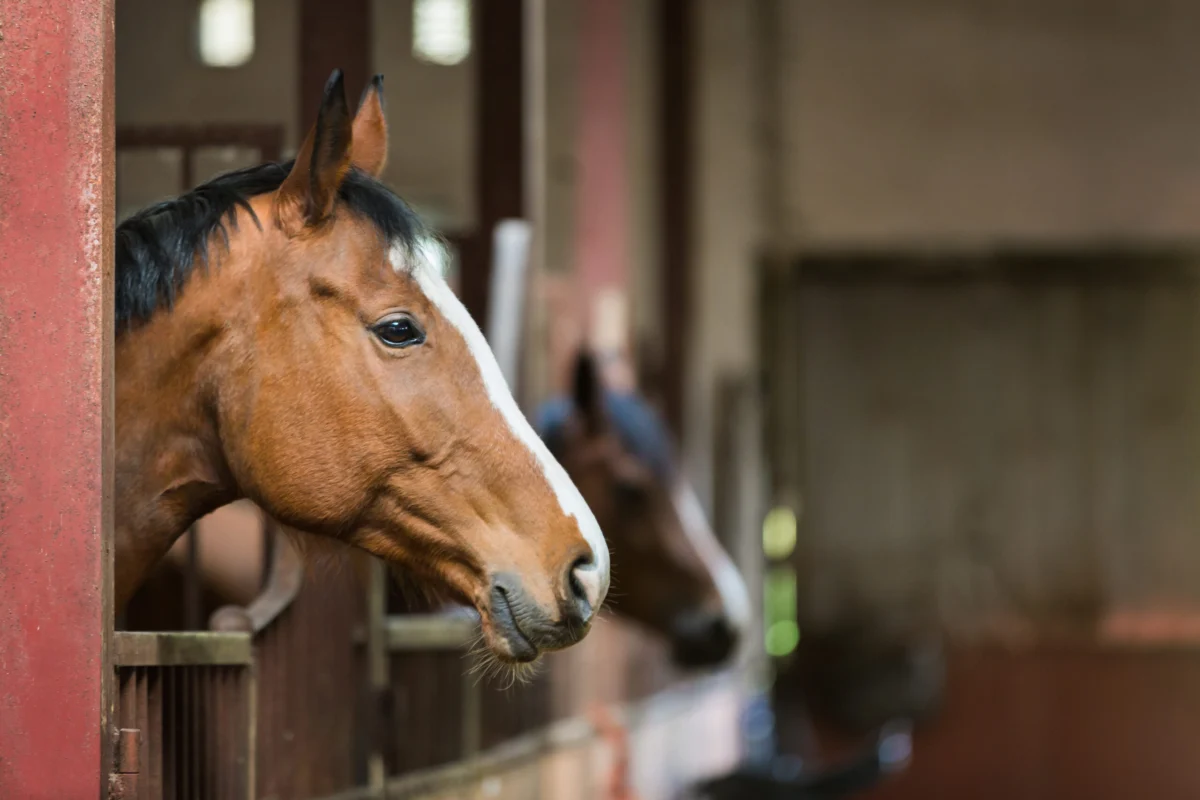
The confirmed case involves a 7-year-old Quarter Horse gelding residing on a private premises within the county. Authorities report that a second equine residing on the same property has been identified as a potential contact and has been subjected to strict regulatory quarantine protocols. While this exposed animal returned a preliminary negative result during initial screening, it will remain isolated under state and federal supervision until it clears a mandatory 60-day retest mandated by the CDFA and the United States Department of Agriculture (USDA).
Epidemiological investigations launched in the wake of the positive diagnosis have successfully traced the origin of the infection. Preliminary findings link the San Benito County premises to other recent EIA cases identified across various locations within California, pointing toward a broader, interconnected transmission chain that regulatory agencies are actively working to contain.
Main Facts
The latest detection of equine infectious anemia in California highlights the persistent threat that vector-borne and blood-borne pathogens pose to the state’s multi-billion-dollar equine industry. EIA is a blood-borne viral disease that specifically attacks the immune systems of equids, including horses, ponies, mules, and donkeys.
Key details of the San Benito County case include:
- Patient Profile: A 7-year-old Quarter Horse gelding.
- Location: A private farm in San Benito County, California.
- Status of Index Case: Confirmed positive for EIA.
- Exposed Contacts: One additional horse on the property has been exposed; initial tests are negative, but the animal is under strict quarantine pending a mandatory 60-day retest.
- Epidemiological Link: State agricultural officials have tied the index case to other California premises with recent EIA activity.
- Regulatory Response: CDFA personnel have deployed to the site, enacted quarantine orders, and are conducting ongoing monitoring and trace-back investigations.
Because EIA is classified as a reportable disease with severe public health and economic implications for the agricultural sector, swift intervention by state and federal veterinarians is standard procedure to prevent widespread outbreaks.
Chronology of Events and Regulatory Intervention
The detection of EIA in San Benito County is the latest in a series of events prompting heightened surveillance by the CDFA. While specific dates regarding the initial onset of clinical signs in the 7-year-old gelding remain confidential to protect owner privacy, the sequence of regulatory actions unfolds as follows:
- Initial Veterinary Examination: Local veterinary practitioners evaluating the 7-year-old Quarter Horse gelding identified health anomalies prompting diagnostic screening for infectious diseases, including EIA.
- Diagnostic Confirmation: Laboratory analysis confirmed the presence of antibodies to the EIA virus, triggering mandatory reporting to the CDFA.
- Quarantine and Premises Lockdown: Upon receiving the positive laboratory report, CDFA officials immediately established quarantine protocols for the affected property in San Benito County. Movement of all equids on and off the premises was frozen to mitigate potential spread.
- Contact Tracing: State epidemiologists initiated trace-back and trace-forward investigations. By analyzing movement records, historical exposures, and transport logs, authorities linked the San Benito premises to other facilities in California that have recently reported EIA cases.
- Secondary Testing and Monitoring: A second resident horse on the farm—deemed exposed due to shared housing and proximity—was tested. Although the initial diagnostic panel yielded a negative result, regulatory frameworks dictate that the animal cannot be released from quarantine until it successfully clears a 60-day retest administered jointly under CDFA and USDA guidelines.
- Ongoing Field Operations: CDFA response teams remain engaged with the property owners and local veterinarians, monitoring health statuses, ensuring biosecurity compliance, and executing epidemiological mapping.
Supporting Data and Understanding Equine Infectious Anemia
Equine infectious anemia, historically known as "swamp fever," is caused by a retrovirus belonging to the family Retroviridae, specifically the genus Lentivirus. This places the EIA virus in the same viral family as human immunodeficiency virus (HIV) and feline immunodeficiency virus (FIV). Like other lentiviruses, EIA is characterized by a long incubation period, persistent infection for life, and the ability to evade the host’s immune system through rapid viral mutation.
Transmission Vectors
The primary mode of transmission for the EIA virus involves the mechanical transfer of infected blood from one animal to an uninfected animal.
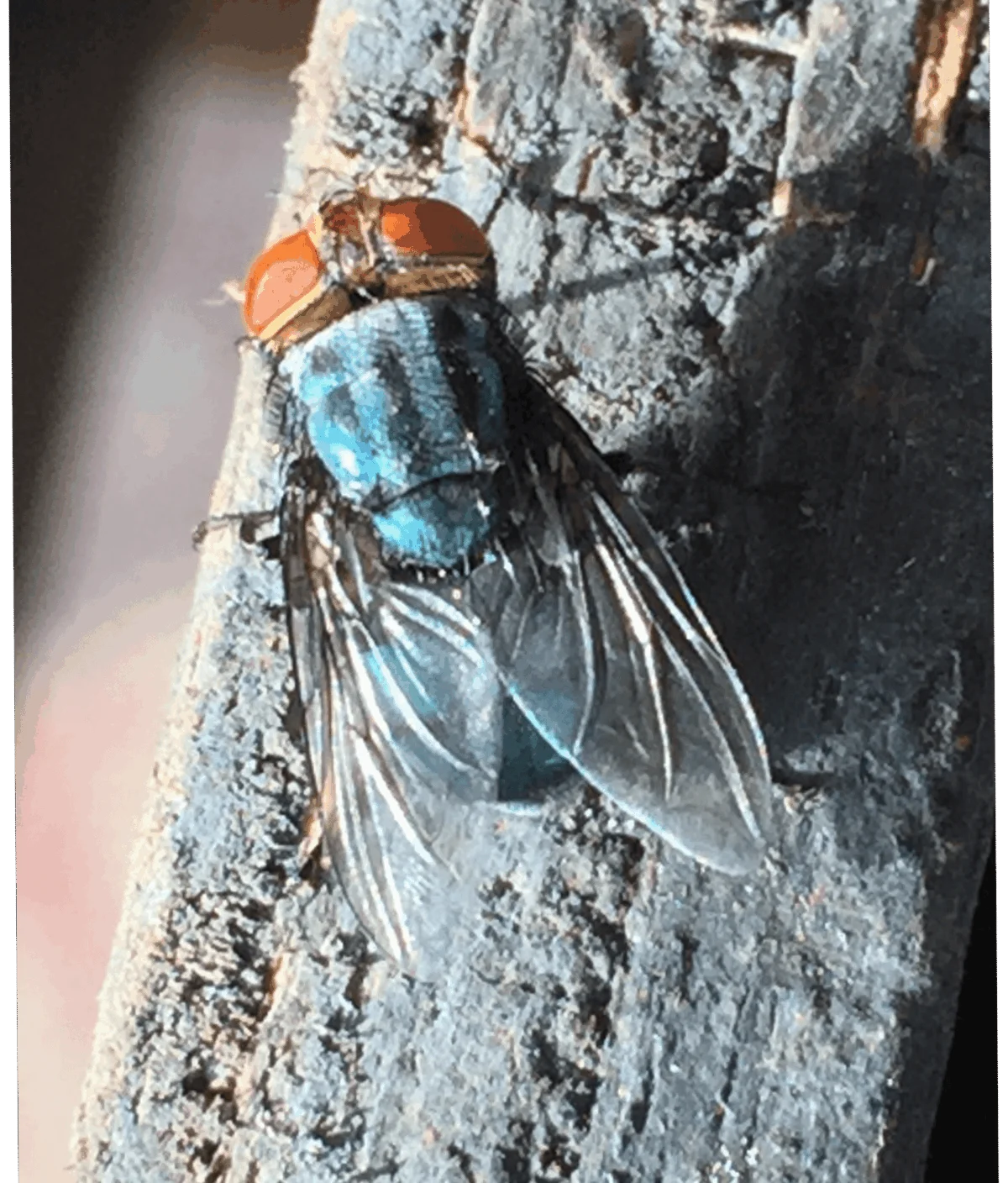
- Blood-Feeding Insects: Large biting insects—most notably horseflies (Tabanus species) and deer flies (Chrysops species)—are the primary vectors. When these insects feed on an infected horse during a viremic stage, viral particles cling to their mouthparts. If the insect is interrupted and immediately feeds on a nearby susceptible horse, the virus is injected directly into the new host’s bloodstream. Due to the mechanics of this transmission, mechanical vectors are most prevalent during warm weather months when fly populations peak.
- Iatrogenic Transmission (Human-Mediated): The virus can also be spread through the reuse of contaminated needles, syringes, dental equipment, tattooing instruments, surgical tools, or bit-burrs that have not been properly sterilized between animals.
- Vertical Transmission: Mares infected with EIA can pass the virus to their foals in utero or through infected colostrum/milk, though this is less common than insect- or needle-borne transmission.
The Coggins Test: The Gold Standard in Screening
Developed in the 1970s by Dr. Leroy Coggins, the agar gel immunodiffusion (AGID) test—universally known as the "Coggins test"—is the international diagnostic standard for detecting antibodies against the EIA virus. A newer diagnostic option, the Enzyme-Linked Immunosorbent Assay (ELISA), is also widely used due to its rapid turnaround time, though positive ELISA results are typically confirmed via AGID testing.
The test requires a simple blood draw processed by an approved veterinary diagnostic laboratory. Proof of a negative Coggins test is heavily integrated into the equine industry:
- Required for interstate travel and crossing state lines in the United States.
- Mandated for entry into boarding stables, training facilities, racetracks, equestrian events, shows, and sales yards.
- Utilized as a routine annual screening tool by responsible horse owners to safeguard herd health.
Clinical Signs and Pathogenesis
Once infected, a horse carries the virus for the remainder of its life, acting as a permanent viral reservoir. However, the clinical presentation varies widely among individuals. EIA manifests in three primary clinical phases:
- Acute Phase: Occurs shortly after infection. Horses may display sudden, high fever, depression, reduced appetite, and rapid weight loss. Because these symptoms mirror many other equine ailments (such as West Nile virus, influenza, or strangles), definitive diagnosis often requires specific laboratory testing.
- Chronic Phase: Characterized by recurring episodes of illness. Affected horses experience intermittent fevers, progressive weakness, severe weight loss, subcutaneous edema (swelling of the lower legs, chest, and underline), and anemia due to the destruction of red blood cells.
- Inapparent (Asymptomatic) Carriers: A significant percentage of infected horses show no outward clinical signs of illness whatsoever. These apparently healthy animals appear robust and perform normally, yet they harbor the virus in their blood and can serve as a silent source of infection for other horses if exposed to biting insects or unsterilized medical equipment.
Prognosis and Management Options
There is currently no vaccine to prevent equine infectious anemia and no cure to eliminate the virus from an infected animal’s body.
When a horse receives a confirmed positive diagnosis, regulatory agencies enforce stringent options to control the disease and protect the broader equine population:
- Euthanasia: Humanely euthanizing the positive animal is widely recommended by veterinary professionals to permanently eliminate the infection source.
- Lifelong Strict Quarantine: If an owner chooses not to euthanize a positive horse, state and federal regulations mandate life under permanent, rigorous quarantine. The animal must be housed in an insect-proof facility or maintained in a pasture isolated by a minimum distance of 200 yards (approximately 600 feet) from any other equids. This strict spatial separation aims to prevent biting insects from bridging the gap between the infected reservoir and healthy horses.
- Permanent Branding or Identification: In many jurisdictions, lifelong quarantined EIA-positive horses must be permanently branded or permanently marked with a USDA-assigned number to ensure they are never bought, sold, or moved illegally.
Official Responses and Stakeholder Guidance
Following the confirmation in San Benito County, agricultural authorities and equine health organizations have reiterated the critical importance of biosecurity and compliance with testing regulations.
The California Department of Food and Agriculture continues to oversee containment operations on the affected premises. CDFA state veterinarians emphasize that while the situation is serious, rapid reporting, strict quarantine enforcement, and thorough epidemiological tracing remain effective tools in preventing regional or statewide epizootics.
Industry support organizations, including the Equine Disease Communication Center (EDCC), have stepped up educational outreach. Through programs like EDCC Health Watch—an initiative utilizing verified data from the EDCC to disseminate actionable disease reports—owners across the United States are urged to stay informed.
Recommendations for Horse Owners
Veterinary experts and regulatory bodies urge horse owners and facility managers to implement proactive biosecurity measures:
- Maintain Up-to-Date Coggins Tests: Ensure all horses have current, negative Coggins test results, particularly if animals travel, attend shows, or reside in boarding facilities with high turnover.
- Practice Strict Needle Hygiene: Never reuse needles, syringes, or dental and surgical instruments between different horses. Use a fresh, sterile needle and syringe for every individual animal during vaccinations, blood draws, or medication administration.
- Implement Vector Control: Minimize insect breeding sites by eliminating standing water, managing manure effectively, utilizing fly sprays, and employing physical barriers such as screens or fly sheets where feasible.
- Quarantine New Arrivals: Isolate newly purchased or incoming horses from the resident herd for a minimum of 30 days and verify their health status and negative Coggins test results prior to integration.
- Report Suspicious Symptoms: Immediately contact a licensed veterinarian if any horse exhibits unexplained fever, lethargy, edema, or sudden anemia.
Broader Implications for the Equine Industry
The emergence of EIA in San Benito County serves as a stark reminder of the vulnerability of livestock populations to vector-borne viral pathogens. Beyond the immediate impact on the affected farm—where management must navigate quarantine restrictions and difficult decisions regarding the infected animal—the incident carries broader implications for California’s agricultural community.
- Economic Ramifications: Outbreaks or clusters of EIA can disrupt equestrian commerce, leading to temporary cancellations or heightened entry requirements at horse shows, sales, and training facilities. Movement restrictions can complicate breeding schedules, competition calendars, and interstate transport logistics.
- Heightened Surveillance: Local veterinary practices in central and coastal California are likely to experience increased requests for Coggins testing and health screenings as owners seek peace of mind and compliance verification.
- The Danger of Asymptomatic Carriers: Public health and regulatory officials stress that asymptomatic carriers represent the greatest hidden risk to the equine population. Because a horse can look entirely healthy while harboring the lentivirus, routine annual Coggins testing remains the single most effective defense against undetected reservoirs.
As the CDFA continues its on-site monitoring and epidemiological investigation in San Benito County, industry stakeholders are encouraged to review their biosecurity protocols, consult with equine veterinarians, and remain vigilant in safeguarding the health of California’s equine population.
For ongoing updates regarding equine disease incidents nationwide, or to support open-access infectious disease monitoring, visit the Equine Disease Communication Center (EDCC) at equinediseasecc.org.