Introduction: The Necessity of Seeking Joy
In an era characterized by relentless news cycles and the weight of systemic challenges, the practice of finding solace in the natural world has become more than a pastime—it is a psychological imperative. This week, as the world of animal welfare faces the daunting reality of massive rescue operations, it is essential to ground ourselves in the restorative power of nature. Whether it is the unfurling of a single flower petal or the migratory patterns of birds, these quiet observations serve as a vital reminder that joy, while often fragile, remains an ever-present force in our lives.
The following report bridges two disparate worlds: the vivid, unfolding beauty of a spring garden and the profound, arduous journey of 500 beagles recently liberated from the Ridglan “Farms” facility. By examining both, we gain a deeper understanding of the parallels between human and canine recovery from trauma.
Chronology: The Ridglan Rescue Operation
The recent intervention at Ridglan Farms stands as a watershed moment in the history of animal welfare. Following years of scrutiny and allegations, the facility—which served as a major supplier of beagles to laboratories—surrendered its operations.

- The Lead-Up: For years, animal rights organizations and veterinarians documented conditions at Ridglan that sparked widespread public outcry. The facility faced intense pressure, eventually leading to a legal settlement that required them to cease their operations and surrender their inventory of dogs.
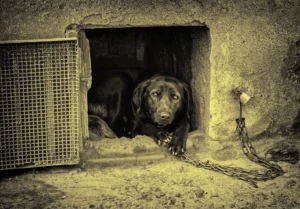
- The Triage: Last week, the Dane County Humane Society (DCHS) undertook the monumental task of triaging 500 beagles. This was not merely a physical relocation but an emotional decompression process for animals that had known only the confines of tiny wire crates.
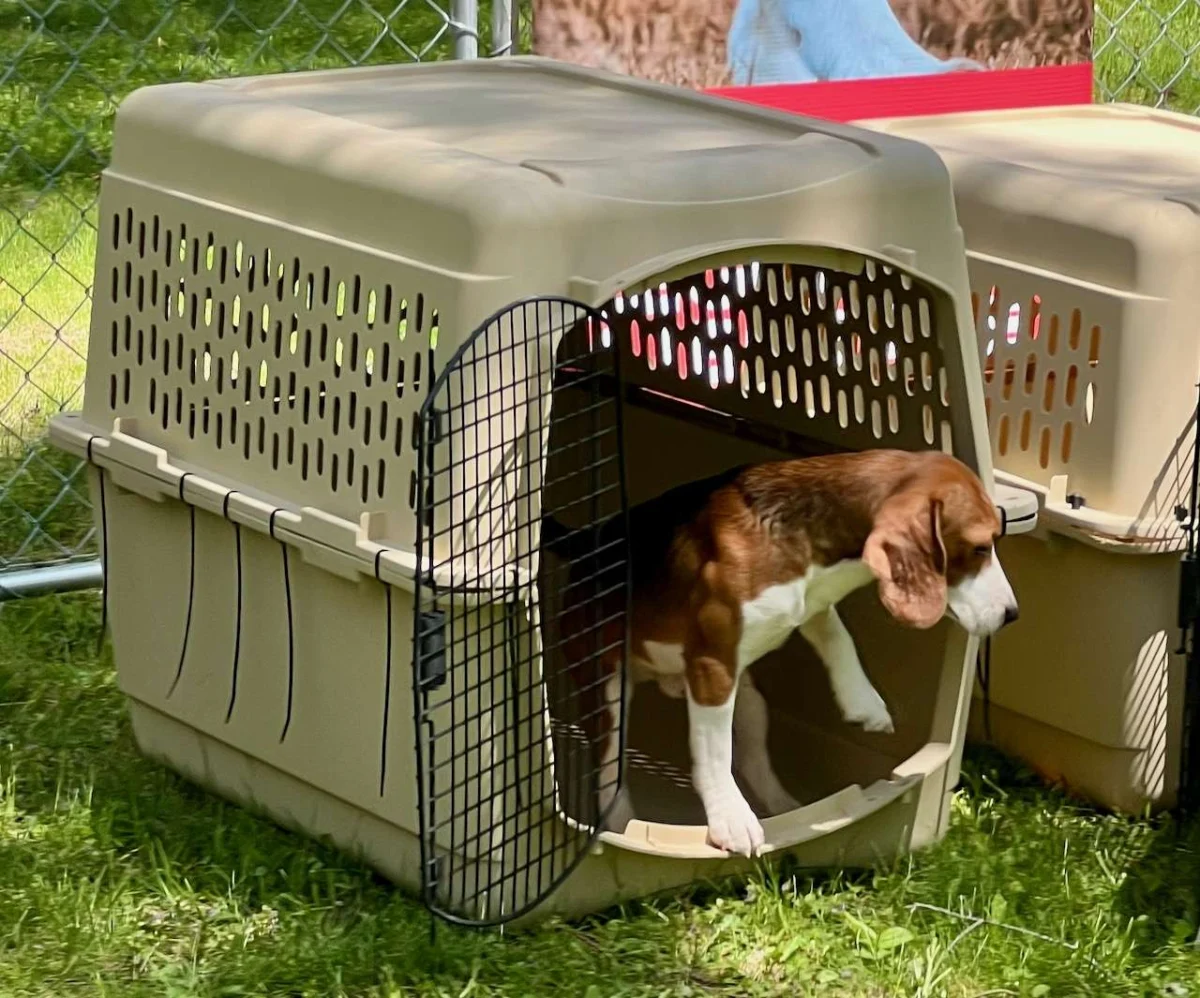
- The Transition: Throughout the week, staff and volunteers documented the initial moments of freedom for these dogs. For many, the most basic sensory inputs—like the texture of grass beneath their paws—represented a terrifying, yet necessary, hurdle. Observations showed that some dogs required over 45 minutes of hesitation before stepping onto the grass, their motor skills unpracticed in a world that allowed for movement.
Supporting Data: The Science of Trauma and Recovery
The journey of these beagles is currently the subject of an upcoming documentary featuring cinematographer Andria Chamberlin. Her work explores the intersection of behavioral science and trauma, positing that the neurological pathways to recovery are remarkably similar in both humans and dogs.
The Biological Response to Freedom
When a dog moves from a restrictive laboratory environment to a domestic home, the transition is not just behavioral; it is biological. The "stunned confusion" observed in the eyes of the Ridglan beagles is a physical manifestation of a nervous system trying to recalibrate.
According to experts, the release of oxytocin—often referred to as the "bonding hormone"—is critical during this period. When a human offers a gentle touch or a kind word to a traumatized animal, they are facilitating a chemical cascade that helps lower cortisol levels, effectively signaling safety to an animal that has never known it. The sight of these dogs discovering their own limbs on grass is, in a clinical sense, the visual representation of neuroplasticity in action.

Official Responses and Ethical Implications
The closure of Ridglan Farms has been hailed by the American Veterinary Medical Association (AVMA) and various animal advocacy groups as a victory for welfare standards. However, the legal nuances are significant. The facility’s agreement to stop supplying dogs for research was, in part, a strategic maneuver to avoid formal convictions for animal abuse.
The Cost of Convenience
The implications of this closure are far-reaching. It forces a public reckoning regarding the source of laboratory animals and the ethics of animal testing. By choosing to transition these 500 dogs into the community rather than continuing their cycle of confinement, the DCHS has shifted the burden of care from a corporate entity to the public.
This raises a vital question for society: Are we prepared to support the long-term rehabilitative needs of animals that have been "decommissioned" from industrial settings? The emotional labor required to help a dog learn how to walk on grass or navigate a living room is significant, yet it is a necessary investment in the restoration of an animal’s dignity.

A Contrast in Color: The Natural World’s Resilience
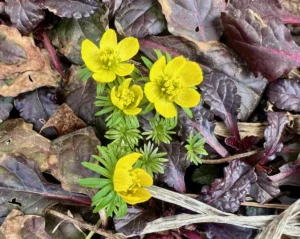
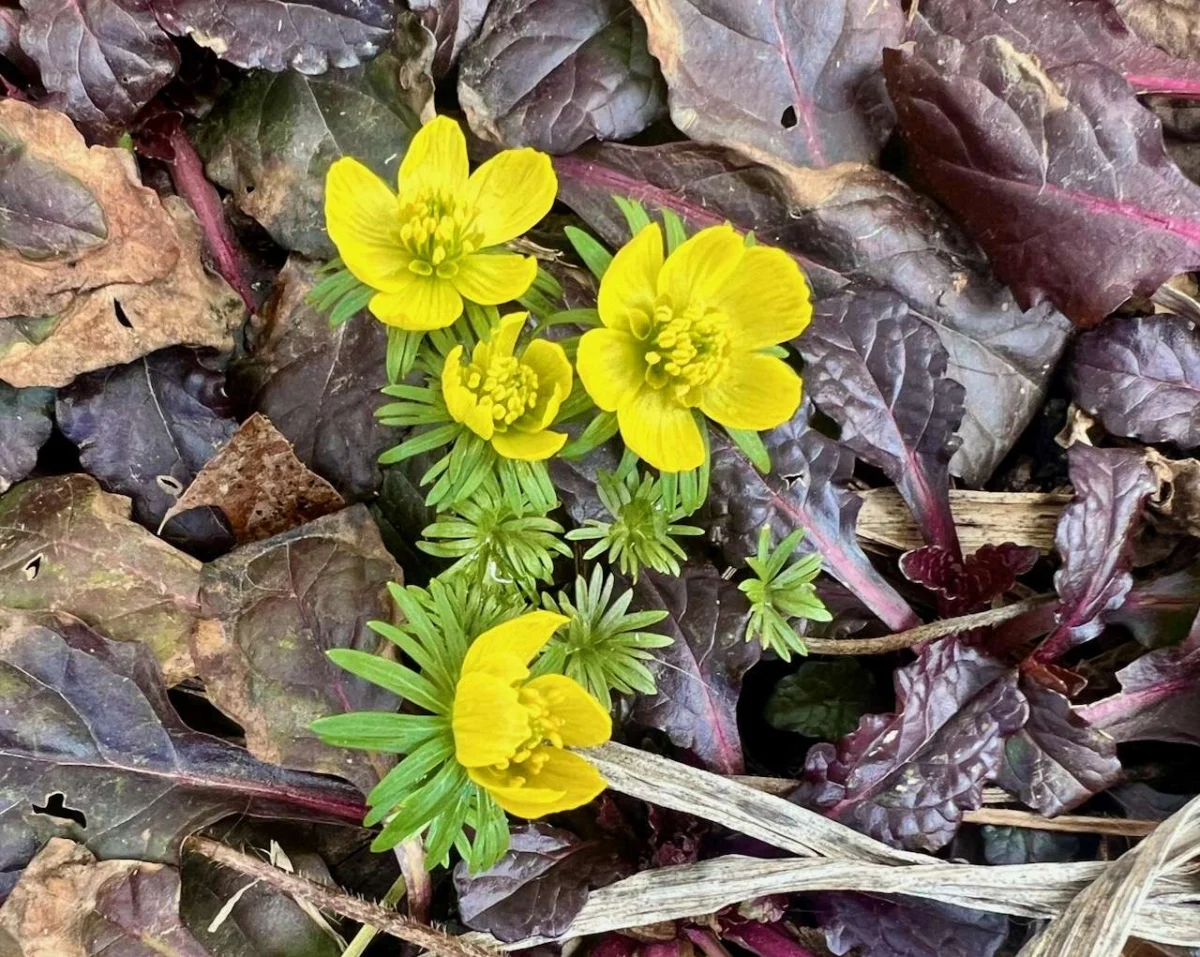
To understand the resilience of these dogs, one must also look to the garden. Spring serves as a biological reset button. The appearance of the Columbine, with its intricate, sky-bound architecture, and the "prairie smoke" plant—which only reveals its true, wispy character after the flower has turned to seed—serves as a metaphor for the maturation process.
The Hummingbird and the Honeysuckle
Nature exhibits a remarkable degree of design and intent. The arrival of the native honeysuckle, perfectly synchronized with the return of female hummingbirds, illustrates a co-evolutionary success story. The flower is shaped specifically for the hummingbird’s long beak, ensuring survival for both species.
Similarly, the sudden surge in bird population—including the vibrant Baltimore and Orchard Orioles—acts as a visual antidote to the "black and white" nature of traumatic news. When we witness the male orchard oriole’s persistent, almost stubborn, attempts to access a sugar-water feeder, we see the same drive for life that we see in a beagle taking its first, shaky steps on the lawn. It is a drive that exists in all living things: a relentless pursuit of nourishment, safety, and engagement.

Looking Forward: The Path to Integration
As we move past the immediate trauma of the Ridglan rescue, the focus must shift toward long-term integration. The behavior of these dogs—their confusion, their initial inability to manage their own limbs, and their slow, tentative exploration of the earth—is merely the first chapter.
Future Topics for Consideration
- ADHD in Canines: A growing area of veterinary research that seeks to understand why some dogs struggle with impulse control and focus, and how our domestic environments may contribute to these behaviors.
- Resource Accessibility: Ongoing discussions regarding the availability of specialized training and behavioral resources for those who adopt laboratory-surrendered animals.
- The Role of Mentorship: The importance of "mentor dogs"—stable, well-adjusted companions—in helping traumatized animals learn the rules of social interaction.
Conclusion: A Call to Empathy
The juxtaposition of a vibrant spring garden against the backdrop of an animal rescue serves as a profound reminder of our place in the ecosystem. We are witnesses to both the cruelty that can be inflicted upon living creatures and the immense, quiet beauty that persists regardless.
The dogs from Ridglan are not just subjects of a news story; they are individuals in the process of becoming themselves. As they learn to navigate a world of grass, sunlight, and affection, they reflect our own capacity for healing. We, too, can learn to move forward, even when our "back paws" feel clumsy and unfamiliar in a new environment.

As a final note, for those currently navigating their own periods of transition or emotional fatigue: take a moment today to observe the natural world. Whether it is the song of an orchard oriole or the quiet, steady breath of a dog sleeping at your feet, find the joy that is available to you.
Pet your dog. Give them a kiss. And remember: healing is a process, not a destination.
Summary of Upcoming Content:
- Deep Dive: A comprehensive guide on identifying and managing ADHD-like symptoms in high-energy dog breeds.
- Educational Resources: An announcement regarding significant sales on literature focused on solving complex behavioral problems in dogs.
- Follow-Up: A detailed progress report on the Ridglan beagle recovery, including video footage of their first days in foster homes.
Your feedback and topic suggestions are always welcome. Let us continue the conversation on how we can better serve our four-legged companions and ourselves.