The recent release of 1,500 beagles from the Ridglan Farms facility in Wisconsin marks a watershed moment in the intersection of animal welfare advocacy and legal accountability. For years, the facility—a commercial operation breeding dogs for laboratory research—has been the epicenter of intense scrutiny, with former employees and activists documenting conditions that many experts classify as systemic abuse. Following a protracted legal battle, the mass liberation of these dogs has sparked a national dialogue regarding the psychological rehabilitation of animals raised in isolation and the broader ethics of animal research.
The Anatomy of a Scandal: Facts and Background
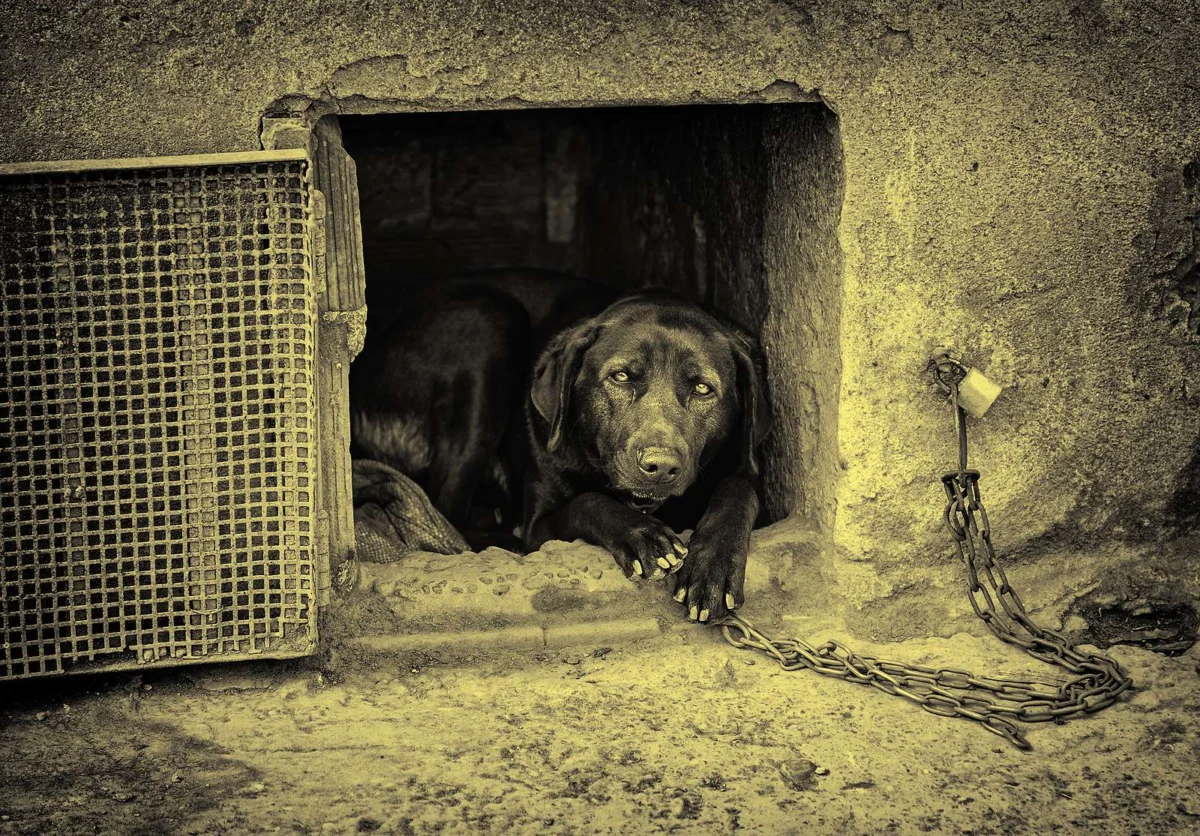
Ridglan Farms, a multi-million-dollar enterprise, has operated as a primary supplier for laboratory research for decades. However, the veneer of "standard industry practice" began to crack under the weight of persistent whistleblowing. Allegations included, but were not limited to, routine surgical procedures performed without anesthesia or veterinary supervision, and the confinement of animals in wire-bottomed cages that stripped them of the ability to exhibit natural behaviors.
The breaking point for the facility came after it was hit with 311 counts of animal cruelty. The resulting settlement, facilitated by a special prosecutor, mandates that Ridglan surrender its license by July 1, 2026. This legal victory, while monumental, was not the result of sudden regulatory intervention; it was the product of a decade-long campaign led by organizations such as Dane4Dogs and tireless activists who fought to keep the plight of these beagles in the public consciousness.

A Chronology of Liberation
The path to freedom for these 1,500 dogs was anything but straightforward.
- The Early Years: For over ten years, former employees reported substandard conditions, including lack of socialization and impoverished environments.
- The Escalation: In the last 18 months, evidence—including video documentation of dogs spinning in distress—reached a critical mass. Experts, including PhD-level animal behaviorists, provided depositions detailing the psychological trauma inherent in the facility’s design.
- The Legal Pivot: Activists successfully lobbied for the appointment of a special prosecutor to review the evidence. The threat of criminal charges led to the eventual settlement.
- The Airlift to Freedom: Currently, the dogs are being triaged across the country. The Dane County Humane Society (DCHS) is managing 500 of these dogs, with others being distributed to the Beagle Freedom Project, the Wisconsin Humane Society, and Big Dog Ranch Rescue in Florida.
The Neurobiology of Trauma
The central question for many prospective adopters is whether a dog raised in such "canine hell" can ever become a "normal" family pet. To understand this, one must look at the neurobiology of early development.
Unlike dogs raised in enriched environments, those in lab settings miss the crucial windows for socialization—exposure to diverse sights, sounds, and human interactions. Developing brains are highly plastic, and in the absence of positive feedback and environmental complexity, the structures responsible for regulating fear and anxiety—such as the amygdala—do not develop the resilience required for a standard domestic life.

However, as experts like Dr. Patricia McConnell, a certified applied animal behaviorist, note, genetics play a critical role. Beagles were selected for research not only for their size but for their inherent docility. This "stable temperament" is their greatest asset in the recovery process. While they do not emerge from their crates as exuberant puppies, most possess a latent capacity to heal, provided the environment is managed with clinical precision.
Strategies for Rehabilitation: Lessons from the Field
Drawing on the work of the ASPCA’s Behavioral Rehabilitation Center, animal welfare experts have established a blueprint for helping these "shut-down" dogs transition into home environments.
1. The Power of Patience and Safe Spaces
The first 72 hours are critical. A traumatized dog is often overwhelmed by sensory input. Providing a "safe house"—a crate draped with a blanket in a quiet corner—allows the dog to retreat and recalibrate. Forcing interaction is counterproductive; instead, caregivers are advised to offer a quiet, stable environment where the dog can choose to explore at its own pace.

2. The Role of the "Role Model"
Research consistently shows that one of the most effective tools for rehabilitation is the presence of a stable, confident resident dog. Dogs are social learners. By observing a "polite" dog navigate a doorway or approach a human, the traumatized beagle gains a template for safe behavior. This is why many rescues prioritize placing these dogs into homes that already have a resident dog.
3. Routine as Therapy
Trauma creates a world of unpredictable threats. By establishing a rigid, predictable daily routine—set meal times, consistent potty breaks, and a steady environment—caregivers help the dog regain a sense of agency. A predictable world is a safe world, and for a dog that has never known control, it is the foundation of healing.
Official Responses and Ethical Implications
The liberation of the Ridglan beagles has forced a long-overdue national conversation. While industry proponents often cite the "necessity" of research, the ethical argument against the current standard of care is gaining significant ground.

The American Society for the Prevention of Cruelty to Animals (ASPCA) and organizations like the Beagle Freedom Project have highlighted that the current model of housing laboratory animals is not only ethically indefensible but scientifically compromised. An animal suffering from chronic stress produces physiological responses that can skew research data. As the movement grows, the focus is shifting from "how to treat these dogs" to "how to change the laws that allow these conditions to exist."
The Road Ahead
The saga of the Ridglan beagles is a testament to the power of persistent advocacy. Yet, it is merely the beginning. While 1,500 dogs have been liberated, the fight continues for the remaining animals, and for the legislative reform necessary to ensure no other facility can operate under such conditions in the future.
For those looking to assist, the path is clear: support the organizations currently managing the triage and rehabilitation process. Donations to the Dane County Humane Society, the Wisconsin Humane Society, and other partner shelters are vital. Furthermore, prospective adopters should educate themselves on the specific needs of traumatized dogs—recognizing that patience is the primary currency in the exchange of healing.

As we celebrate the liberation of these dogs, we are reminded of the words of Martin Luther King Jr.: "The arc of the moral universe is long, but it bends toward justice." Today, that arc bends toward the beagle. Through evidence-based behavioral support and collective public pressure, we are proving that even the most scarred spirits can find their way back to the light of a loving home.