
March 30, 2026 | Analysis by Staff
In the annals of primatology, the names Jane Goodall, Dian Fossey, and Biruté Galdikas—collectively known as the “Trimates”—are etched in history. Recruited by the legendary anthropologist Louis Leakey to conduct field studies on chimpanzees, gorillas, and orangutans respectively, these women fundamentally altered our understanding of our closest evolutionary relatives. Leakey’s decision to hire women for these grueling, long-term field assignments was, by his own admission, based on the belief that women possessed greater patience and a superior capacity for observational nuance.
However, as Women’s History Month brings a renewed focus on the unsung architects of scientific progress, the spotlight is shifting toward two researchers whose contributions were arguably even more disruptive to the scientific status quo: Dr. Jeanne Altmann and Dr. Shirley Strum. By challenging the entrenched “nature, red in tooth and claw” narrative, these two scientists dismantled the male-centric hierarchies that dominated 20th-century biology, replacing them with a more sophisticated understanding of cooperation, reciprocity, and social complexity.
The Paradigm Shift: From "Ad Lib" to "Focal Sampling"
For decades, the field of ethology was hindered by a methodological bias. Prior to the 1970s, many researchers employed "ad libitum sampling"—essentially recording whatever behavioral "drama" caught their eye. Because the vast majority of these researchers were men, their focus was naturally drawn to aggressive encounters and competitive male displays. This methodology created a feedback loop: because they were only recording high-intensity, aggressive interactions, they concluded that these behaviors were the primary drivers of animal social structure.

Dr. Jeanne Altmann, a pioneering primatologist, identified this as a critical flaw in scientific objectivity. In her foundational research, she proposed a revolutionary alternative: "focal sampling." Instead of waiting for a fight to break out, a researcher would select one individual and track every action they took over a set period.
The results were transformative. When researchers began observing the mundane, daily lives of primates, the myth of the "alpha male" as the sole architect of social stability began to crumble. As the International Encyclopedia of Primatology notes, Altmann’s findings profoundly shifted the scientific view of mammalian females, proving that social cohesion was just as essential to survival as raw, aggressive dominance. Her work demonstrated that a mother’s influence—and her specific social environment—had profound, non-genetic effects on the phenotypes of her offspring, laying the groundwork for modern evolutionary developmental biology.
Chronology of a Scientific Revolution
The 1970s represented a watershed moment for the biological sciences, mirroring the broader social shifts occurring in human society.
- 1968–1971: A period of systemic exclusion. During this time, institutional barriers remained high; as noted by ethologist Patricia McConnell, women often struggled to hold personal bank accounts or credit cards in their own names, reflecting the broader marginalization of women in professional and academic spheres.
- 1971: Jane Goodall publishes In The Shadow of Man, bringing primatology into the mainstream consciousness while facing harsh criticism from peers for the "unscientific" act of naming her subjects rather than numbering them.
- 1972: Dr. Shirley Strum begins her long-term study of olive baboons in Kenya. Unlike her contemporaries, who sought to confirm existing male-dominance models, Strum enters the field with an open inquiry into the nature of social relationships.
- 1974–1979: The publication of key papers by Altmann and Strum begins to permeate the mainstream scientific literature, forcing a re-evaluation of textbooks that had previously emphasized aggression as the primary evolutionary strategy.
- 1980s–Present: The "cooperation model" gains traction, influencing fields as diverse as sociology, anthropology, and even modern canine training, which has largely moved away from dominance-based "alpha" theories.
Breaking the "Male-Centric" Bias: The Work of Shirley Strum
While Altmann revolutionized the methodology of observation, Dr. Shirley Strum revolutionized the narrative of social life. Her 1972 study of olive baboons in Kenya served as a direct counter-argument to the prevailing theories of primate aggression.

Strum’s findings revealed that the social lives of baboons were not merely a series of contests for power, but a complex web of alliances, friendships, and strategic reciprocity. She observed that male baboons did not rely solely on strength; they used a variety of social maneuvers to ensure their safety and reproductive success.
One of her most famous and compelling observations involved male olive baboons using infants as a form of "social shield." Strum noted that when a male held an infant, other baboons were significantly less likely to engage in aggression, recognizing the protected status of the young. This, she argued, was a calculated social strategy—a testament to the high level of cognitive complexity within the troop.
Furthermore, Strum documented deep, non-sexual friendships between male and female baboons. Males would act as "babysitters," and in return, females would groom them, cementing a bond that protected the female from unwanted suitors. This discovery suggested that baboon societies were, in many ways, more analogous to human social structures than the often-violent chimpanzee societies previously held as our primary evolutionary mirrors.
Implications for Modern Animal Behavior and Training
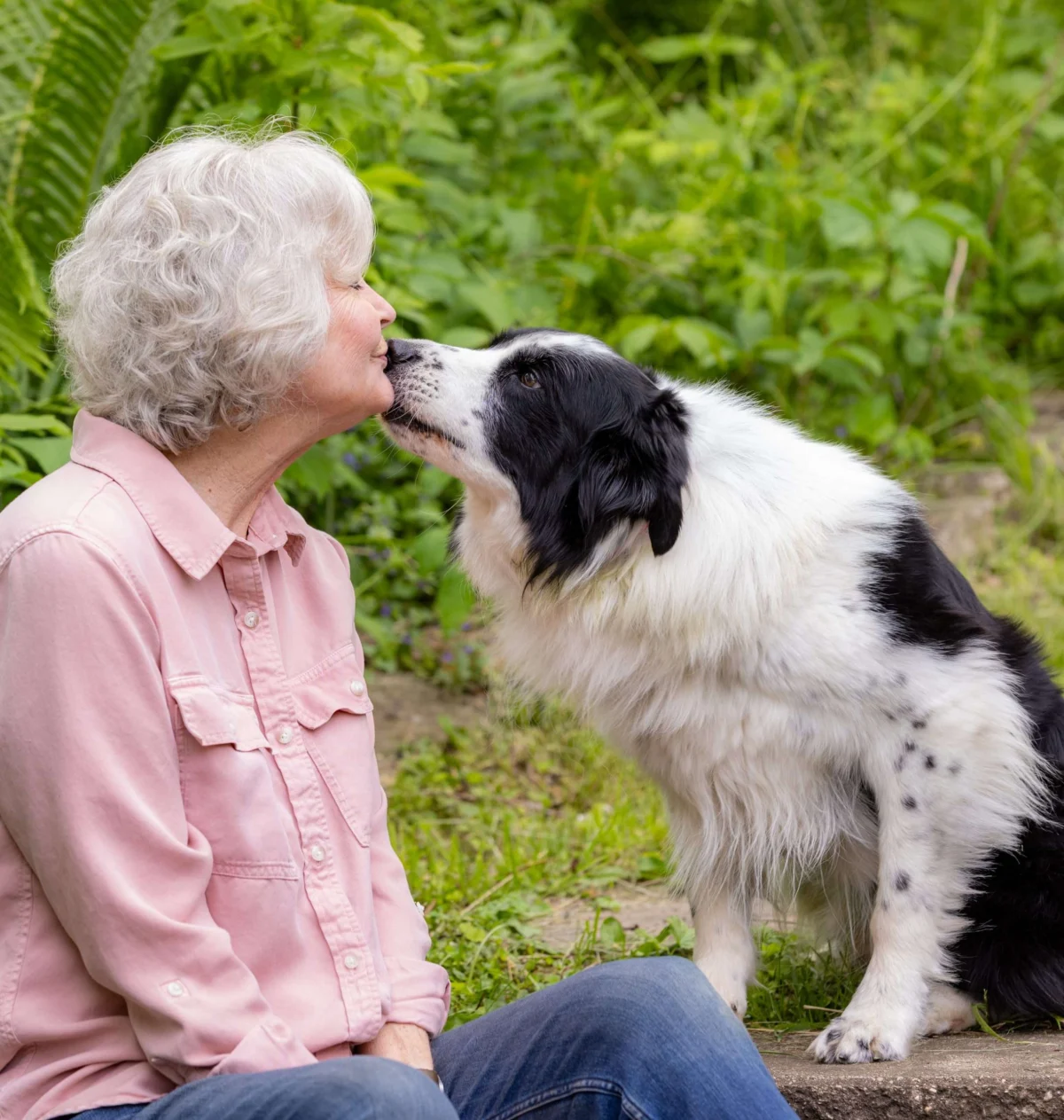
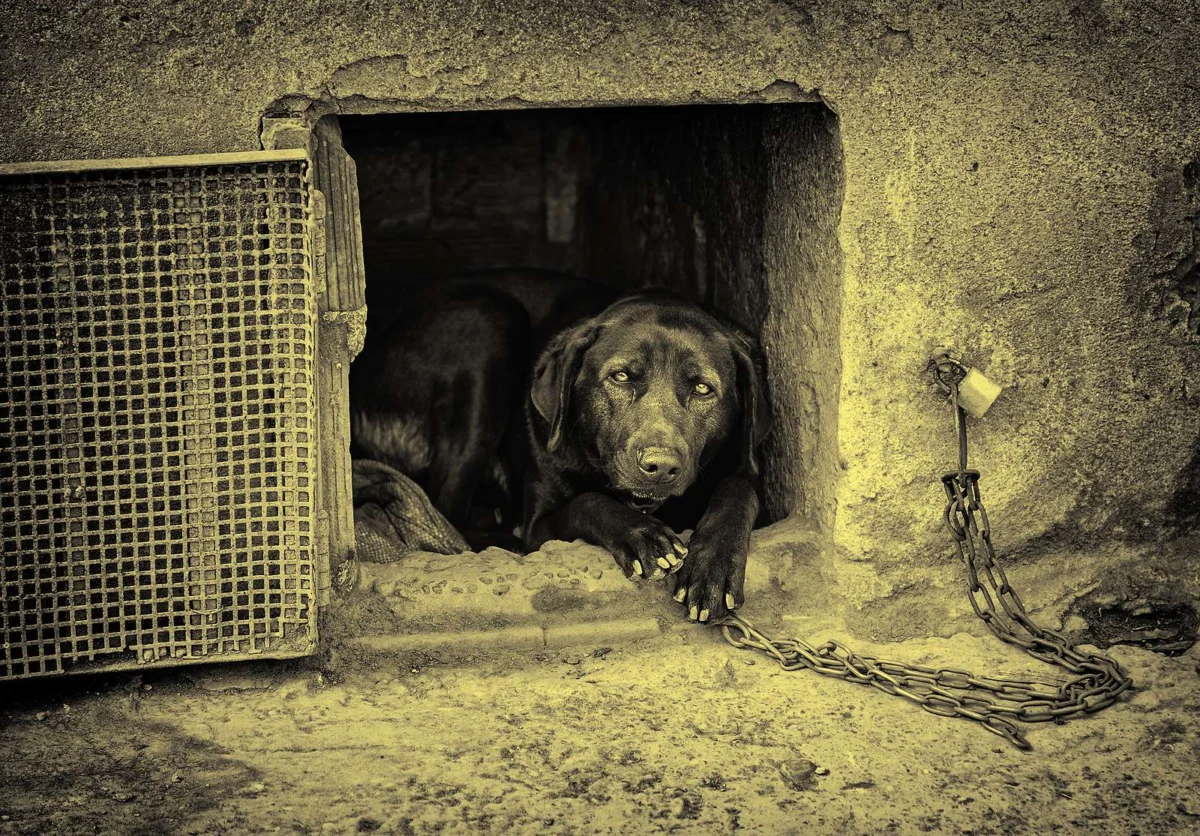
The implications of Altmann and Strum’s work extend far beyond the savanna. In the world of animal training—particularly canine training—the legacy of these women is profound. For decades, the dog training industry was fixated on the concept of the "pack leader" and the need for owners to assert dominance to prevent behavioral issues.

The research pioneered by Altmann and Strum provides a scientific basis for the shift toward positive reinforcement and relationship-based training. By understanding that social stability in nature is achieved through cooperation, reciprocity, and shared investment—rather than just the "red in tooth and claw" aggression of a hierarchy—trainers have moved toward methods that foster trust and communication.
"Nature, light blue in heart and soul," is the new mantra for those who study modern ethology. It recognizes that animal intelligence is social, not just tactical. As we observe our domestic animals, we are seeing the same patterns of friendship and protection that Strum documented in the wild.
Official Responses and Scientific Consensus
The academic community has largely embraced the shift initiated by these researchers. The International Encyclopedia of Primatology now cites Altmann’s focal sampling as the standard for objective observation. Her work helped usher in an era where the study of the "ignored" majority—females and offspring—became just as critical to understanding evolution as the study of dominant males.
Institutional support for this shift has grown, with major universities and research centers now prioritizing the role of female researchers in field studies. The recognition of these contributions is not merely a gesture of inclusivity; it is an acknowledgment that a lack of diversity in the scientific observer pool leads to a lack of accuracy in the data collected.

Closing Reflections: From the Farm to the Field
The shift in perspective championed by these women is evident even in the daily observations of the natural world. On the farm, the behavior of livestock—often dismissed as simplistic—mirrors the same social complexities. When sheep are sheared and their scent profiles are altered, they undergo a "smack down" to re-establish their identities and relationships. Yet, even in this chaos, observers note the emergence of unexpected friendships between unrelated individuals, proving that social bonding is an innate, vital component of life.
As we look toward the future, the work of Altmann and Strum serves as a reminder of the power of the observer. Whether it is an old dog napping in the sun, a group of sheep navigating a post-shearing social reset, or the complex dynamics of a baboon troop in Kenya, the reality of nature is defined not by the loudest or most aggressive member, but by the strength of the bonds that hold the group together.
In celebrating these women, we are not just correcting a historical record; we are adopting a more accurate, and ultimately more hopeful, lens through which to view the animal kingdom—and perhaps, our own human society as well. As Dr. Altmann proved, if you look closely enough, if you focus on the individual rather than the drama, you find that the world is built on a foundation of cooperation that has been there all along, waiting to be seen.