For rabbit owners and avian and exotic veterinarians across the United States, safeguarding beloved pets from Rabbit Hemorrhagic Disease Virus Serotype 2 (RHDV2) has long been a logistical hurdle. While the introduction of the USDA-approved Medgene vaccine years ago provided a vital line of defense against a terrifying and often fatal pathogen, the method of delivery left much to be desired.
Historically, the vaccine was packaged exclusively in large, multi-dose vials. This packaging requirement meant that veterinary clinics—particularly those that do not specialize primarily in exotic animals—were forced to organize specialized, high-volume "vaccine clinics." To avoid astronomical waste and financial loss, practitioners had to gather a quorum of rabbits on a single day to use up an opened vial before its expiration window closed.
While these mass-vaccination events successfully protected thousands of rabbits, they created an invisible barrier for routine care. A rabbit brought in for a routine annual wellness check, a dental trim, or an unexpected minor illness could rarely receive its RHDV2 vaccination on the spot unless it happened to coincide with a scheduled clinic day.
That narrative is finally changing. Following the rollout of single-dose vials of Medgene’s RHDV2 vaccine, the landscape of rabbit veterinary medicine has shifted dramatically. With single-dose packaging now circulating widely among clinics nationwide, the power to protect rabbits has been decentralized, placing ultimate flexibility directly into the hands of veterinarians and pet owners.
1. Main Facts: Understanding the RHDV2 Crisis and the Single-Dose Solution
To fully appreciate the significance of this pharmacological milestone, one must understand the relentless threat posed by RHDV2.
Rabbit Hemorrhagic Disease Virus Serotype 2 is a calicivirus that affects both domestic and wild rabbits (lagomorphs). Unlike older strains of the virus, RHDV2 is uniquely virulent and capable of infecting a wider range of rabbit species, including cottontails, jackrabbits, and pikas. The virus attacks internal organs—most notably the liver—causing severe necrosis, internal hemorrhaging, and, tragically, rapid death.
The Face of the Threat
High Mortality Rate: RHDV2 boasts a terrifyingly high mortality rate, killing the vast majority of rabbits it infects.
Sudden Onset: In many cases, the disease strikes with little to no warning. Pet owners often report finding a seemingly healthy rabbit dead hours later, sometimes with blood-tinged discharge around the nose.
Environmental Persistence: The virus is exceptionally hardy. It can survive extreme temperatures, remain viable in the environment for months, and hitch a ride on clothing, shoes, car tires, insects, and other domestic pets.
Endemic Status: Once considered an exotic threat confined to Europe, Australia, and isolated outbreaks in the American Southwest, RHDV2 is now firmly endemic across large swaths of the United States.
The Innovation: Single-Dose Vials
Against this grim backdrop, vaccination remains the absolute gold standard of prevention. The advent of single-dose vials effectively removes the logistical bottleneck that previously kept clinics from keeping the vaccine permanently stocked.
No Waste, No Waiting: Veterinarians can now open a single vial for a single patient, eliminating the financial and material waste associated with discarding unused multi-dose portions.
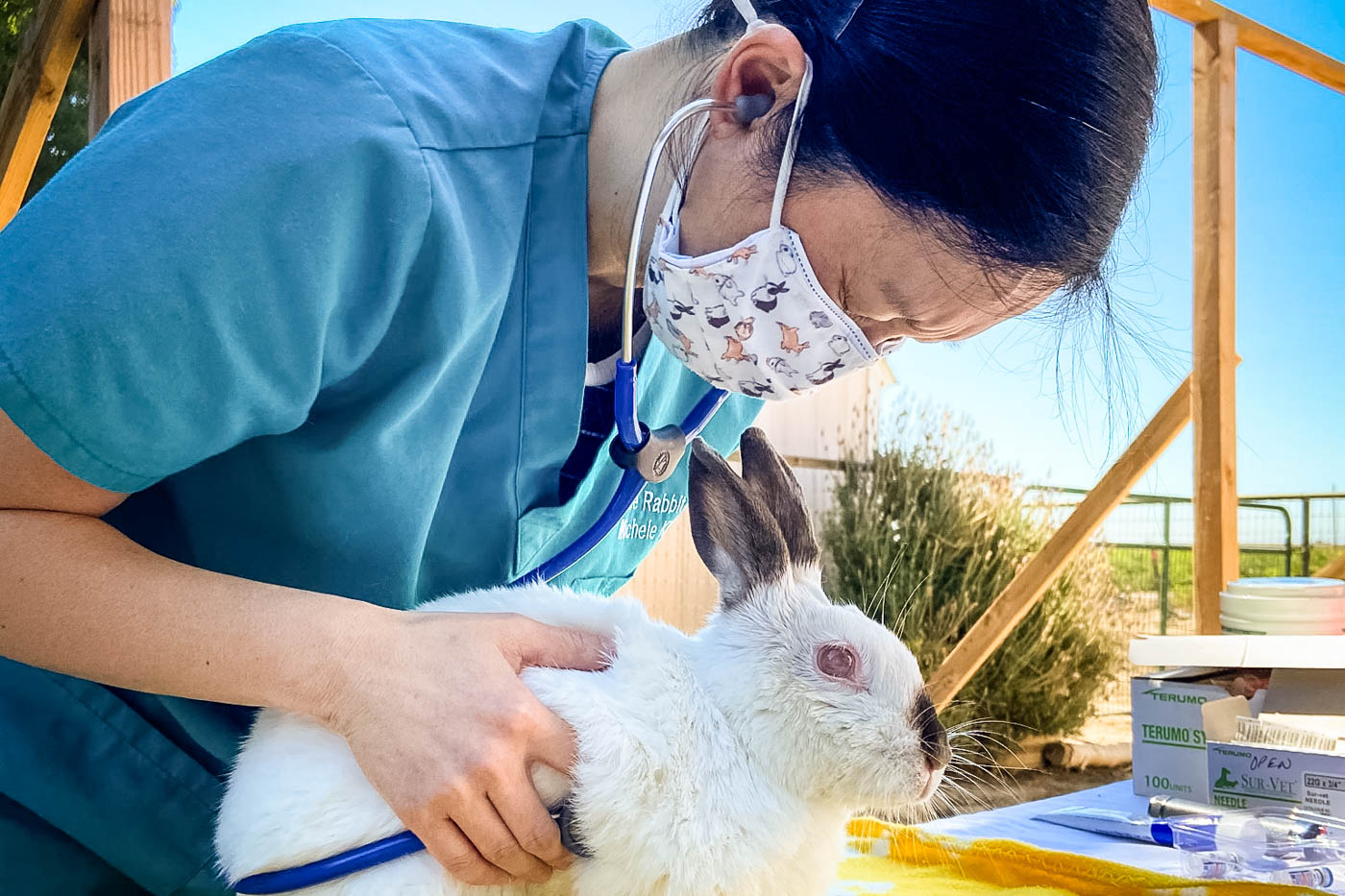
Seamless Integration: Vets can administer the vaccine during routine checkups, nail trims, or sick-patient visits without waiting to accumulate a group of clients.
Geographic Expansion: Smaller veterinary practices, rural clinics, and general companion animal hospitals—many of which previously turned away rabbits or declined to carry the vaccine—can now easily justify keeping doses on hand.
2. Chronology: The Journey to Accessible RHDV2 Protection
The path to widespread, frictionless RHDV2 protection in the United States has been a multi-year battle waged by veterinarians, researchers, and rabbit welfare advocates.
2020–2021: The U.S. Outbreak and Emergency Approvals
As RHDV2 spread rapidly through wild and domestic populations in the American Southwest and eventually jumped to other regions, panic ensued among rabbit owners. With no domestic vaccine available, state veterinarians and the USDA worked under emergency protocols to authorize the importation of European vaccines (such as Cunipravac or Eravac) through specialized permitting processes. These initial steps saved countless lives but were plagued by supply chain delays and rigorous bureaucratic requirements.
Late 2021–2023: The Arrival of Medgene Labs
A major turning point arrived when South Dakota-based Medgene Labs received emergency use authorization (and subsequent conditional/full pathways) from the USDA for its autogenous-derived/platform-based RHDV2 vaccine. This marked the first time U.S. rabbit owners had access to a domestically produced, consistently available vaccine.
However, manufacturing constraints and regulatory standards initially dictated commercial packaging: large multi-dose vials designed for large-scale agricultural and breeding operations or massive shelter populations.
2024: Identifying the Bottleneck
As the vaccine distribution matured, veterinary feedback highlighted a persistent compliance gap. While rabbit rescue groups and exotic-only specialty hospitals thrived under the multi-dose model by booking "vaccine days," general practitioners struggled. A survey of pet rabbit owners frequently revealed that availability was geographically limited, and many owners could not find a local vet willing or able to accommodate single-animal vaccination requests outside of specialized events.
Early to Mid-2025: The Single-Dose Breakthrough
Responding directly to veterinary and community feedback, Medgene advanced its manufacturing and distribution pipelines to release single-dose vials. Rolling out progressively through early and mid-2025, these individual packaging units arrived in clinics nationwide just as veterinary communities were preparing for seasonal spikes in vector-borne and environmental exposures.
3. Supporting Data: The Logistics of Rabbit Care and Vaccine Distribution
Understanding the impact of this medical advancement requires looking at how veterinary practices allocate resources and how pet rabbit populations interact with the healthcare system.
The Economics of Multi-Dose Packaging
In veterinary medicine, biological products like vaccines carry strict storage, handling, and expiration parameters. Multi-dose vials (often containing 5 to 10 doses per bottle) must typically be used within hours of puncture.
The Financial Risk: For a clinic that sees an average of two to three rabbits a week, opening a 10-dose vial for a single patient means discarding 80% to 90% of the product—costing the clinic money unless they pass that exorbitant waste fee onto the client.
The Access Gap: To avoid this loss, clinics often instituted waiting lists. If an owner called in June needing a vaccine, they might be told, "We don’t have enough rabbits signed up for a clinic day; call back next month." In the face of a fatal virus, waiting weeks is a dangerous gamble.
The Shifting Demographics of Rabbit Ownership
Rabbits are currently the third most popular mammalian pet in the United States, trailing only dogs and cats. Despite their popularity, they remain "undermedicated" compared to traditional pets, often due to a scarcity of certified exotic animal veterinarians.
Most general practice veterinarians see dogs and cats 95% of the time, with occasional rabbits or pocket pets.
By removing the logistical burden of multi-dose management, single-dose vials lower the barrier to entry for these general practitioners, effectively expanding the national infrastructure of rabbit-literate healthcare providers.
4. Official Responses: What Veterinarians and Advocates Are Saying
The response from the veterinary community and rabbit welfare organizations has been overwhelmingly positive.
Dr. Sarah Lin, an exotic animal practitioner in the Midwest, notes the psychological shift among pet owners:
"Before the single-dose vials, pet owners felt like getting their rabbit vaccinated required planning a military operation. They had to wait for our quarterly rabbit clinic, take time off work, and hope their rabbit wasn’t stressed by the group environment. Now, if a client brings in a new bunny for a post-adoption wellness check, we can vaccinate them on the spot. It’s how modern veterinary medicine is supposed to work."
Rescue organizations, which bore the brunt of past RHDV2 outbreaks through emergency lockdowns and quarantine protocols, view the development as a monumental safety net. Shelter directors point out that intake procedures are now streamlined; newly rescued rabbits can be immunized immediately upon intake without waiting for a batch size to accumulate, protecting the broader shelter population from catastrophic loss.
The Rabbit Welfare Advocacy Group emphasizes that while the vaccine is not a silver bullet that replaces environmental biosecurity, it transforms the baseline immunity of the domestic pet population.
5. Implications: What This Means for Rabbit Owners Moving Forward
The widespread availability of single-dose RHDV2 vaccines carries profound implications for the future of rabbit ownership, biosecurity, and preventative medicine.
1. Mainstream Integration of Preventative Care
For years, rabbit medicine was heavily weighted toward crisis management—treating gut stasis, dental disease, and respiratory infections after they occurred. Widespread, frictionless vaccination shifts the paradigm firmly toward preventative wellness. Annual checkups can now systematically incorporate RHDV2 boosters alongside general physical assessments.
2. Enhanced Protection Against Epizootics
Because RHDV2 can be transmitted passively—via humans tracking virus particles on shoes from outdoor walks, or through wild rabbits visiting suburban yards—indoor-only rabbits are not immune to risk. With single-dose vaccines making it easier for urban and suburban clinics to stock the product, indoor pet rabbits can now be efficiently shielded from accidental exposures.
3. Actionable Steps for Rabbit Owners
If you are a rabbit owner, this milestone changes how you should approach your veterinary care team. Industry experts recommend taking the following steps:
Audit Your Rabbit’s Status: Check your pet’s medical records. If your rabbit has never received the RHDV2 vaccine, or if it has been more than a year since their last booster, they are currently vulnerable.
Contact Your Veterinarian: Call your local clinic—even if they do not exclusively treat exotic animals—and specifically ask if they stock Medgene’s single-dose RHDV2 vaccine.
Inquire About Protocol: Discuss the primary series and annual booster requirements with your veterinarian to ensure your rabbit maintains continuous, uninterrupted immunity.
Maintain Biosecurity: Remember that vaccination works best when paired with sensible household biosecurity, such as changing shoes before entering rabbit areas, keeping outdoor forage clean, and quarantining new supplies.
Conclusion
The transition to single-dose RHDV2 vaccine packaging is far more than a simple supply chain update—it is a watershed moment for rabbit welfare in the United States. By dismantling the logistical barriers that once restricted life-saving immunizations to mass-gathering clinics, the veterinary industry has made comprehensive protection as routine for a rabbit as it is for a dog or a cat.
For the millions of companion rabbits living in American homes, this innovation offers a safer, more secure future, ensuring that expert, immediate protection is never more than a phone call away.