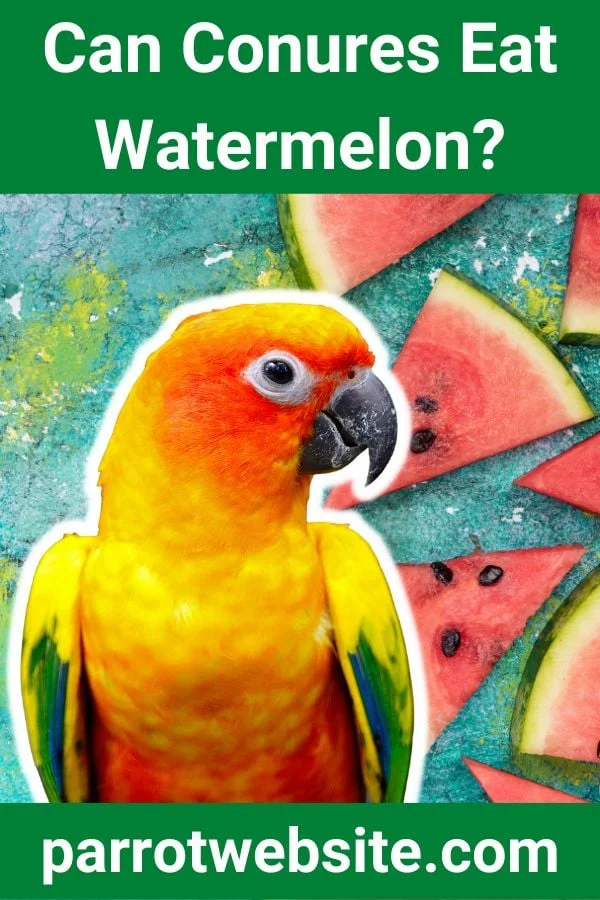
There are few summer experiences as quintessentially refreshing as biting into a chilled slice of watermelon. As we look to share our favorite seasonal snacks with our avian companions, it is natural for bird owners to wonder if this hydration-packed fruit is appropriate for their pet conures. Given that conures are native to tropical environments, they are naturally predisposed to enjoy a variety of fruits. However, when it comes to the dietary health of these intelligent, high-energy parrots, the answer requires nuance.
Yes, conures can eat watermelon, and when served correctly, it offers a wealth of nutritional benefits. Yet, because of the fruit’s high water content and specific sugar profile, it must be treated as a supplemental snack rather than a dietary staple. This article explores the science behind feeding watermelon to your conure, the safety protocols you should follow, and the long-term implications for your bird’s health.
Main Facts: The Nutritional Profile of Watermelon
Watermelon (Citrullus lanatus) is a nutritional powerhouse, though its primary attribute is its impressive water content, which sits at approximately 91–92%. For a conure, which requires consistent hydration, this makes the fruit an excellent occasional treat.
Beyond hydration, watermelon serves as a dense source of several key micronutrients:
- Vitamin C: A potent antioxidant that bolsters the avian immune system.
- Beta-Carotene: Once ingested, the conure’s body converts this into Vitamin A, a critical nutrient for eye health, feather quality, and respiratory function.
- Essential Minerals: Watermelon contains notable amounts of potassium—which aids in nerve function and fluid regulation—and copper, which supports enzyme production and structural health.
- Fiber: Vital for gastrointestinal motility, the fiber in fresh fruit helps maintain a healthy gut microbiome.
While these benefits are significant, the caloric density is very low. Because the fruit is almost entirely water, it lacks the concentrated protein and fat levels that a conure requires for long-term physiological maintenance. Therefore, it should never replace the high-quality, nutritionally balanced pellets that form the foundation of a captive conure’s diet.
Chronology of Care: Incorporating New Foods
Introducing fresh produce into a conure’s diet is a process that requires patience. If your bird is accustomed primarily to a seed-based or pellet-based diet, a sudden introduction of high-moisture fruit can sometimes lead to loose stools or digestive upset.
- Initial Introduction: Offer a very small, thumbnail-sized piece of watermelon to observe how your conure reacts to the texture.
- Observation Phase: Monitor your bird’s droppings over the next 24 hours. Because of the high water content, it is normal for the urine portion of the waste to be slightly more liquid than usual. However, persistent diarrhea is a sign that the portion size was too large.
- Frequency Setting: Once your conure has demonstrated a tolerance for the fruit, establish a weekly cadence. Nutritionists recommend limiting watermelon to no more than one or two small slices per week.
- Rotation: Use the rest of the week to introduce other safe vegetables and fruits, such as kale, bell peppers, or blueberries, to ensure a diverse intake of nutrients.
Supporting Data: The Risks of Over-Consumption
While watermelon is not toxic or harmful in its composition, "over-nutrition" is a legitimate concern. If a conure consumes too much watermelon, it may become satiated on "empty calories."
From a physiological standpoint, a bird that fills its crop with water-heavy fruit may lack the appetite for its primary, nutrient-dense diet. This can lead to a caloric deficit, as the bird has effectively "filled up" on water rather than the fats and proteins necessary for muscle maintenance and energy production.
Furthermore, excessive fruit consumption—specifically due to natural sugars like fructose—can contribute to obesity or, in rare cases, yeast infections (such as Candida) if the sugar content is not balanced by other fiber-rich, low-sugar vegetables. Owners must balance the "treat" aspect of watermelon with the practical requirement of a balanced, species-specific diet.
Official Perspectives on Avian Dietetics
Avian veterinarians generally categorize fruits as "secondary foods." The consensus among avian nutritionists is that a conure’s diet should consist of 60–80% high-quality pellets, with the remaining 20–40% comprised of fresh, dark leafy greens, vegetables, and limited fruit.
When discussing the safety of watermelon, experts point to the lack of "antinutrients." Unlike avocados (which are toxic to birds) or onion/garlic (which can cause hemolytic anemia), watermelon is biologically inert in terms of common avian toxins. The main "risk" mentioned in veterinary literature is the cleanliness of the fruit. Pesticide residue on the outer rind is a significant danger. Therefore, all fruit served to a conure must be thoroughly washed—or, preferably, organic—to ensure that no harmful chemicals are ingested.
Implications: Preparing Watermelon for Your Pet
Preparation is the final step in ensuring the safety of your bird. While it might be tempting to toss a large chunk of fruit into the cage, owners should consider the following preparation steps:
1. The Rind Question
While the red flesh is the most popular part of the fruit, the rind is also safe. However, the rind is significantly tougher and often contains the highest concentration of pesticide residue. If you choose to offer the rind, ensure it is scrubbed meticulously. Most birds will likely ignore the tougher white portion, but it can serve as an interesting, crunchy toy for them to forage through.
2. Seeds and Varieties
A common question involves whether the seeds are safe. For conures, watermelon seeds are entirely non-toxic and are often a favorite textural experience for the birds. Whether you purchase seeded or seedless varieties is largely a matter of preference. Seeded varieties provide a bit of "enrichment," as the bird has to work to extract the seeds, which mimics their natural foraging behavior in the wild.
3. The "Picnic" and "Yellow" Varieties
Regardless of whether you choose the common picnic watermelon or the rarer yellow/orange varieties, the nutritional profile remains largely similar. There is no evidence to suggest that yellow watermelon is superior to the traditional red variety, though some birds may find the different colors visually stimulating. As always, novelty is a great tool for preventing boredom in captive birds.
Conclusion: A Balanced Approach to Bird Care
In summary, watermelon is an excellent, safe, and highly refreshing treat for your conure. It provides essential hydration, antioxidants, and vitamins that contribute to a vibrant, healthy life. The key to success lies in moderation. By treating watermelon as a special, weekly addition rather than a daily staple, you ensure that your bird enjoys the benefits of the fruit without compromising their overall nutritional balance.
When you sit down to enjoy a slice of watermelon on a summer day, sharing a small piece with your conure is not just safe—it is an opportunity to provide mental stimulation and a healthy, tasty treat. As long as you wash the fruit, limit the portion size, and maintain a focus on their primary diet of pellets and greens, your conure will undoubtedly appreciate the gesture, and you can rest easy knowing you are providing the best possible care for your feathered friend.