The recent expansion of Purina’s manufacturing footprint in Clermont County, Ohio, serves as a textbook case study in the intersection of economic development, corporate tax policy, and consumer protection. While the state government celebrates the arrival of a major employer, pet food safety advocates are raising alarms over the transparency of the products being manufactured within those very walls.
At the heart of the debate is a $10.5 million taxpayer-funded incentive package granted to Purina, a subsidiary of Nestlé, juxtaposed against growing concerns regarding the labeling practices of popular pet food brands. As Ohio officials champion job creation, critics argue that the state has failed to ensure that the recipient of these massive subsidies adheres to the highest standards of transparency and regulatory compliance regarding the actual composition of its pet food.
The Chronology of an Economic Investment
The story of the new manufacturing facility began nearly six years ago when Nestlé Purina PetCare announced plans to establish a significant presence in Williamsburg Township, Ohio. The project was designed to be a state-of-the-art facility, intended to bolster the company’s distribution and production capabilities in the Midwest.
According to public records, the incentive package finalized to secure the facility’s location was multifaceted. The state of Ohio, in conjunction with Clermont County and Williamsburg Township, provided an initial $6.8 million in incentives. This was augmented by a $1.7 million discount on the land provided by the county. Furthermore, the company was awarded a 10-year, $2 million job-creation tax credit, contingent upon the company’s commitment to generating 300 new jobs within the region.
For state and local officials, the trade-off was clear: trade tax revenue for long-term employment stability. However, the completion of this plant has brought the company’s manufacturing practices under intense scrutiny, particularly from consumer advocates who argue that the state’s “due diligence” did not extend to the ethical standards of the products produced by the facility.

Deconstructing the Label: Image vs. Reality
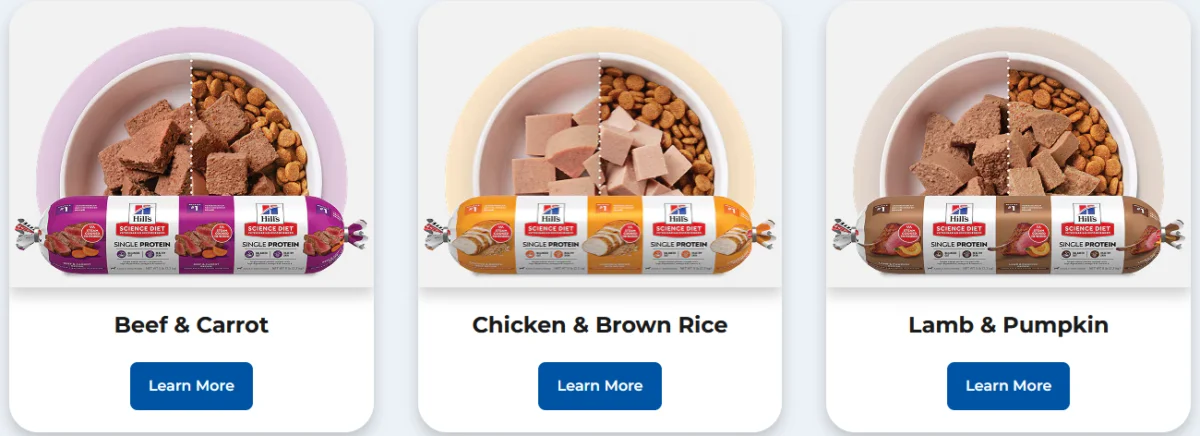
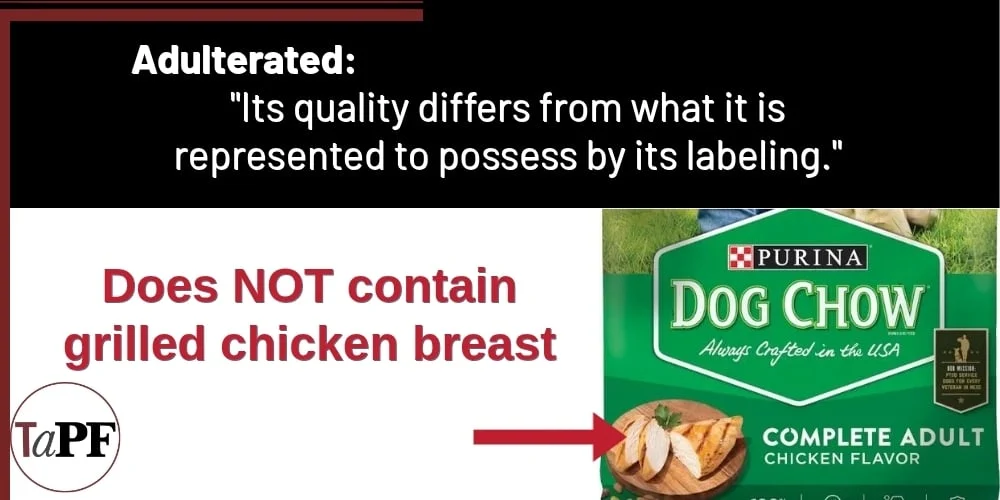
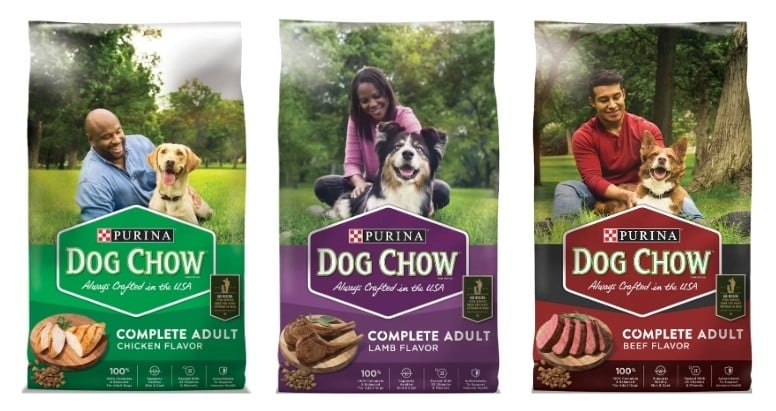
The primary point of contention involves the packaging of Purina Dog Chow, a flagship product line. Consumers purchasing these products are greeted with high-definition, appetizing imagery of grilled chicken breasts, roasted lamb chops, and thick-cut steaks. For the average pet owner, these images imply that the primary ingredient is the whole, high-quality protein depicted on the bag.
However, a close examination of the ingredient list reveals a stark reality: these products do not contain chicken breasts, lamb chops, or steak. Instead, they are formulated with "chicken by-product meal" and "meat and bone meal." The labels indicate that the food is merely "flavored" with the proteins shown on the packaging.
Critics, including Susan Thixton of Truth About Pet Food, argue that this represents a deceptive marketing practice that borders on, or arguably constitutes, a violation of state law. Under Ohio Revised Code Section 923.48, pet food is defined as "adulterated" if its composition or quality falls below or differs from what it is purported or represented to possess by its labeling.
The disparity between the visual representation of premium human-grade cuts of meat and the actual use of rendered by-products raises significant questions about whether these labels are inherently misleading to the average consumer.
The Anatomy of Rendered Ingredients
To understand why this discrepancy matters, one must look at the regulatory definition of the ingredients actually found in the bag. "Chicken by-product meal" and "meat and bone meal" are classified as "feed grade" ingredients, as opposed to "human grade."
These ingredients are the product of a rendering process—a high-heat method of recycling animal tissues. The concern regarding these ingredients is twofold: nutritional quality and safety.
The Regulatory Gray Area
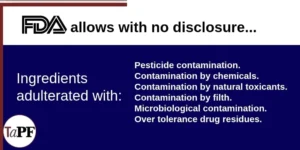
The FDA has previously conducted surveys that identified associations between rendered ingredients and the presence of pentobarbital, a drug used for the euthanasia of animals. In a 2002 FDA report, the agency acknowledged that ingredients such as meat and bone meal, beef and bone meal, and animal fat could potentially be derived from animal sources that include euthanized pets or horses.
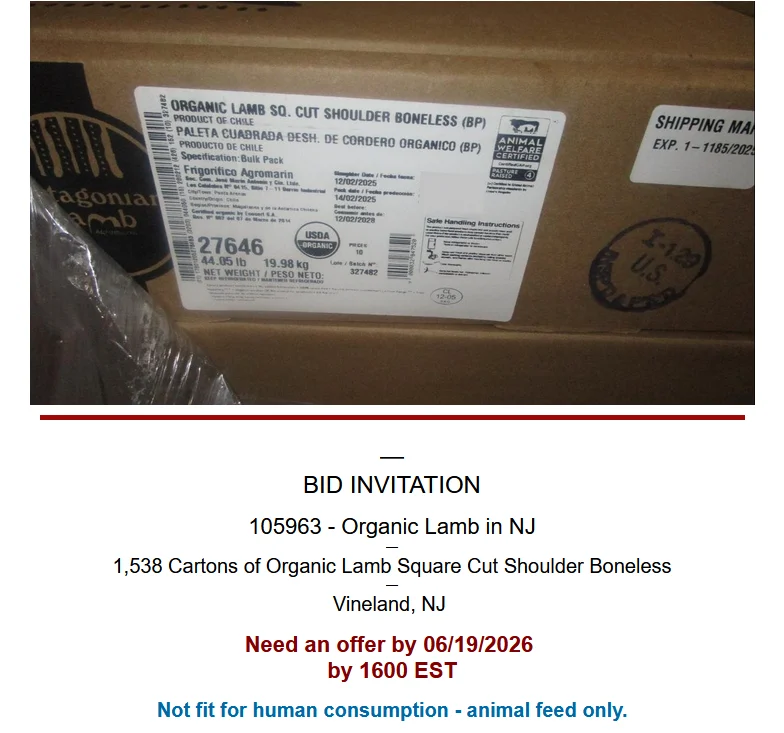
While the industry maintains that strict quality controls are in place, the reliance on rendered meals means that the sourcing is inherently opaque. Unless a manufacturer can prove that every batch of these meals is derived exclusively from USDA-inspected and passed animals—meaning they were not sourced from condemned carcasses or animals that died through non-slaughter methods—they may be in violation of federal and state regulations.
Official Responses and the Burden of Proof
To date, state representatives have remained largely silent regarding the specific allegations that Purina’s labeling practices violate Ohio’s own adulteration statutes. When taxpayer money is involved, the relationship between the government and the corporation becomes a public trust.
Critics argue that the $10.5 million incentive package should have been conditional upon strict adherence to both the letter and the spirit of the law. If a company is receiving public funds, the public has a right to demand that the company be a model of compliance.

Currently, there is no evidence that the state conducted an audit of Purina’s ingredient sourcing or marketing transparency as a prerequisite for the tax credits. This lack of oversight has emboldened advocates to demand a formal investigation. The argument is simple: if the state is going to subsidize a manufacturer, that manufacturer must be held to a higher standard of disclosure than a company operating without the benefit of public funds.
The Economic and Ethical Implications
The implications of this controversy extend beyond the state of Ohio. If the current labeling practices are deemed to be in compliance with existing, albeit weak, regulations, it suggests a systemic failure in the regulatory oversight of the pet food industry at large.
Economic Impact vs. Social Responsibility
Economic development is a vital government function, but when it is decoupled from corporate accountability, it risks creating a "race to the bottom." By prioritizing job numbers over consumer safety and truth-in-advertising, state governments may inadvertently signal that profit motives supersede the rights of citizens to receive accurate information about the products they buy for their pets.
The Consumer Advocacy Perspective
Consumer advocates emphasize that pet owners are not just customers; they are the guardians of vulnerable animals. When a consumer buys a bag of food that depicts a roasted steak, they are making a purchasing decision based on the promise of quality. When that promise is broken by the reality of rendered by-products, the trust between the manufacturer and the public is eroded.
Calls for Legislative Reform
As the debate intensifies, the call to action for Ohio residents is clear. Advocacy groups are urging citizens to contact their representatives to demand:
- A Full Audit: An investigation into the $10.5 million tax credit package provided to Purina, with a specific focus on whether the company’s labeling practices comply with Ohio’s pet food safety and truth-in-labeling laws.
- Regulatory Strengthening: A re-evaluation of how the Ohio Department of Agriculture defines "adulterated" pet food to ensure that visual depictions on packaging are not allowed to override the reality of the ingredient list.
- Mandatory Disclosure: Legislative requirements that any company receiving state incentives must provide full, transparent disclosure regarding the sourcing of their rendered ingredients.
Conclusion: A Question of Integrity
The situation in Clermont County is a microcosm of a larger issue in the American food system. As manufacturing plants become more centralized and industrial processes more complex, the distance between the raw materials and the final product grows.
If the state of Ohio intends to continue its policy of attracting large corporations through tax incentives, it must pair those economic strategies with robust consumer protections. The $10.5 million question is not just about whether the jobs were created, but whether the state is willing to stand behind the integrity of the products those jobs produce.
Without a firm commitment to transparency, the "gift" of tax credits may be seen by many as a subsidy for deception. As this story continues to unfold, the focus will remain on whether government officials will prioritize the interests of their corporate donors or the rights and safety of the pet-owning public. The path forward requires a renewed focus on regulatory enforcement, ensuring that "truth in pet food" is not merely a slogan, but a requirement for any company operating under the support of the public purse.