By [Your Name/Journalist Name]
The landscape of the multibillion-dollar pet food industry is undergoing a seismic shift as "Big Pet Food" pivots to meet the growing consumer demand for less processed, "fresh" alternatives. Hill’s Pet Nutrition, a subsidiary of Colgate-Palmolive and a long-standing titan in the veterinary diet space, has officially entered the refrigerated dog food category. While the move signals a major validation of the fresh food trend, it has simultaneously reignited a fierce debate among consumer advocates regarding ingredient transparency, labeling ethics, and the lack of federal oversight in the pet food sector.
Main Facts: Hill’s Science Diet "Fresh" Expansion
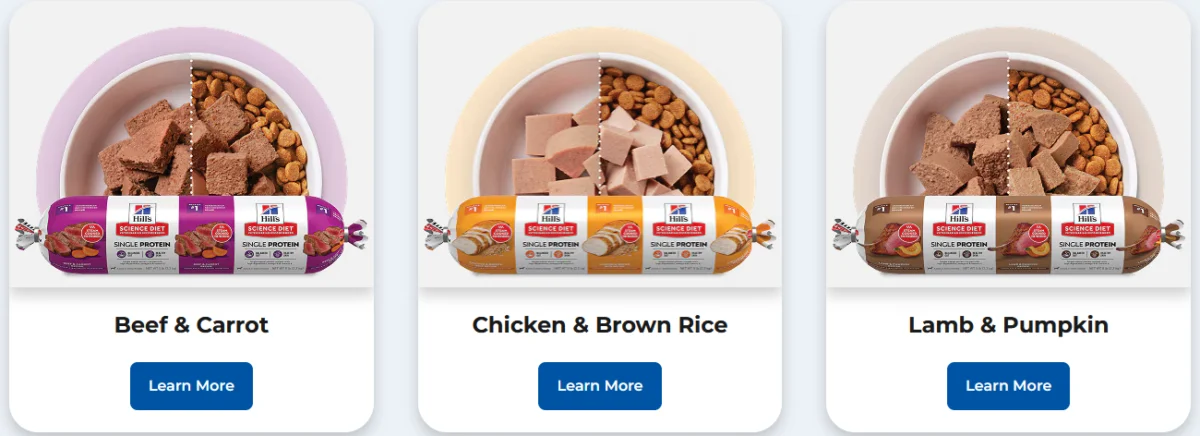
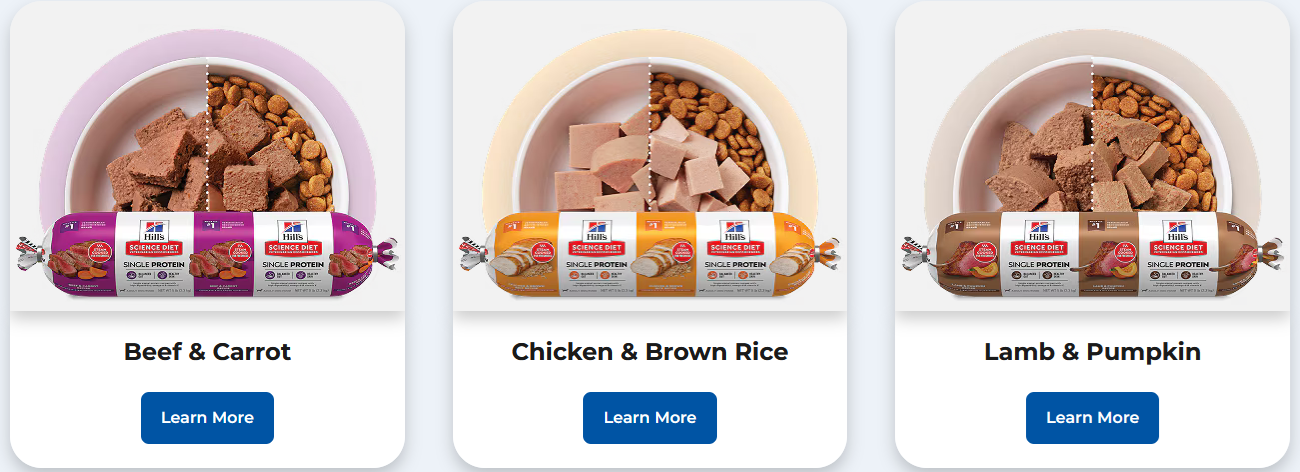
Hill’s Pet Nutrition has recently unveiled its latest product line: Science Diet Single Protein Dog Food Rolls. These products represent the company’s first major foray into the refrigerated "fresh" food market, a segment previously dominated by direct-to-consumer startups and a few select legacy brands.
The new line consists of three distinct products, each marketed as a single-protein source meal. However, the introduction has drawn immediate scrutiny from pet food consumer advocates, most notably Susan Thixton of TruthaboutPetFood.com. The central point of contention lies in the dichotomy between the product’s marketing imagery and its actual ingredient grade.
While the packaging prominently features high-resolution images of premium cuts of meat—including steak, chicken breast, and roasted lamb—the products themselves are not classified as "human grade." In the regulatory world of pet food, "human grade" is a strictly defined term requiring that every ingredient and the facility itself meet USDA and FDA standards for human consumption. Without this designation, the ingredients are classified as "feed grade," a category that allows for a wider range of quality and processing methods.
Furthermore, the entry of Hill’s into this space highlights a significant regulatory void: neither the Food and Drug Administration (FDA) nor the Association of American Feed Control Officials (AAFCO) has established a legal definition for the term "fresh" when applied to pet food. This lack of standardization allows manufacturers to use the term as a marketing descriptor rather than a guaranteed nutritional or processing standard.
Chronology: The Evolution of the Fresh Pet Food Market
To understand the significance of Hill’s entry into the refrigerated aisle, one must look at the timeline of the "fresh" pet food movement:
- The Boutique Era (Early 2010s): Small, independent companies like Freshpet, The Farmer’s Dog, and JustFoodForDogs began gaining traction. These brands capitalized on the "humanization of pets" trend, offering refrigerated or frozen meals that looked more like human food than traditional brown kibble.
- The Corporate Response (2018–2022): As market share shifted, industry giants began to take notice. Mars Petcare and Blue Buffalo (owned by General Mills) were among the first major players to introduce their own refrigerated lines. These products were largely marketed directly to consumers in retail environments, competing for shelf space in the newly installed refrigerators in big-box pet stores.
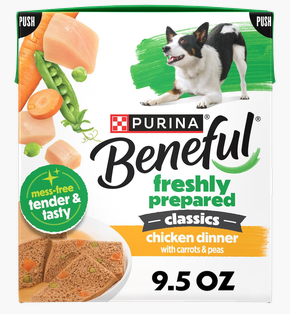
- The Purina Nuance (2020–Present): Nestlé Purina, the largest pet food manufacturer in the world, has taken a more cautious approach. While they have not fully launched a "fresh" refrigerated line to rival Hill’s or Blue Buffalo, they have begun incorporating "fresh" terminology into their existing lines. For instance, the Beneful brand introduced "Freshly Prepared Classics," using the term in product names to appeal to the "fresh" sensibility without the logistical hurdles of a cold-chain supply system.
- The Hill’s Strategic Pivot (2024): Hill’s entry marks a new phase. Unlike its predecessors, Hill’s is leveraging its deep-rooted relationship with the veterinary community to position its refrigerated rolls as a "science-backed" clinical option, rather than just a lifestyle choice for pet owners.
Supporting Data: The High Stakes of "Feed Grade" vs. "Human Grade"
The distinction between "human grade" and "feed grade" is more than just semantic; it is a fundamental difference in the quality of the raw materials used. According to AAFCO guidelines, for a product to be labeled "human grade," it must be "edible" by human standards, and all ingredients must be handled, processed, and stored according to the same regulations that govern human food.
In contrast, "feed grade" products, which include the vast majority of traditional pet foods and the new Hill’s Science Diet rolls, are legally allowed to contain ingredients that would be prohibited in the human food chain. This can include "4D" meats (meat from animals that were Dead, Dying, Diseased, or Disabled) or by-products that undergo high-heat rendering.
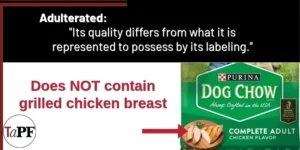
Advocates argue that the use of premium imagery on feed-grade packaging is a form of "aspirational marketing" that may mislead consumers. If a label shows a succulent chicken breast, the consumer naturally assumes that is what is inside the package. However, without the human-grade certification, the actual quality of the protein source remains opaque.
The financial data underscores why companies are eager to enter this space. The "fresh" and "gently cooked" pet food category has seen double-digit growth annually, significantly outpacing the growth of traditional dry kibble. By pricing these refrigerated rolls at a premium, Hill’s is tapping into a consumer base that is increasingly willing to pay more for perceived nutritional quality.
Official Responses: The "Science-Backed" Defense
In a press release regarding the launch of the Science Diet Single Protein Dog Food Rolls, Hill’s Pet Nutrition emphasized the role of the veterinary professional. The company’s strategy appears to be a direct response to the "boutique" brands that have often bypassed veterinarians to sell directly to pet owners.
"Veterinarians want to feel confident when recommending fresh food, and our Science Diet Single Protein Dog Food Rolls give them a science-backed option they can trust," the Hill’s statement read.
This messaging is calculated. By framing the product as "science-backed," Hill’s aims to distinguish itself from competitors who may rely more on "humanization" marketing than clinical trials. The company argues that their formulation provides precise nutrition that is difficult to achieve with home-cooked or some boutique fresh diets, which have occasionally been criticized for nutritional imbalances.
However, the regulatory bodies have remained largely silent on the specific marketing claims of "freshness." The FDA’s primary focus remains on safety (such as pathogen control in raw or refrigerated diets) rather than the nuances of marketing terminology. AAFCO, while responsible for defining terms like "natural" or "organic," has yet to finalize a rigorous definition for "fresh" that would prevent its use on highly processed or feed-grade items.

Implications: What This Means for Consumers and the Industry
The entry of Hill’s into the refrigerated market has several long-term implications for the pet food industry and consumers:
1. The Normalization of the Refrigerated Aisle
With Hill’s, Mars, and Blue Buffalo all present in the refrigerated section, "fresh" pet food is no longer a niche product. It is now a mainstream staple. This will likely lead to more investment in cold-chain logistics within the pet retail sector, making these products more accessible but also potentially driving up costs due to energy and transportation requirements.
2. Increased Pressure for Labeling Reform
As advocates like Susan Thixton continue to highlight the gap between marketing imagery and ingredient reality, the pressure on AAFCO and the FDA to implement stricter labeling requirements will grow. If a product is not human-grade, should it be allowed to feature images of human-grade food? This question is at the heart of future regulatory battles.
3. The Veterinary "Gatekeeper" Role
Hill’s strategy of targeting veterinarians suggests a battle for the "expert" recommendation. If veterinarians begin recommending "fresh" rolls over traditional kibble, it could fundamentally change the advice given at annual checkups. However, it also places a burden on veterinarians to understand the difference between "fresh" marketing and "human-grade" quality, a distinction that is not always taught in traditional veterinary nutrition courses.

4. The Purina Factor
All eyes remain on Purina. As the last of the "Big Four" to fully commit to a refrigerated line, Purina’s next move will likely determine if "fresh" becomes the dominant format for premium pet food. Their current use of "freshly prepared" on shelf-stable wet food suggests they are testing the waters of the terminology before committing to the expensive infrastructure of refrigeration.
Conclusion
Hill’s Science Diet Single Protein Dog Food Rolls represent a pivotal moment in pet nutrition—a bridge between the legacy of science-based "feed" and the modern demand for "fresh" ingredients. However, as long as the term "fresh" remains legally undefined and marketing imagery continues to outpace ingredient quality, the burden of discernment remains on the pet owner. For those seeking true transparency, the search for "human grade" certification remains the only definitive way to ensure that the food in the bowl matches the steak on the label.