

By Paige K Parsons
Published by Rabbit.org
Main Facts: Understanding the Reality of "Baby Bunnies"
While the phrase "baby bunny" evokes images of gentle, cuddly animals, caring for a young rabbit—scientifically known as a kit or kitten—is a serious and demanding responsibility. Whether an individual stumbles upon a tiny wild cottontail in the backyard or welcomes a young domestic rabbit into a household, the approach to their care requires specific knowledge, patience, and caution.
According to animal welfare advocates and wildlife experts, one of the most critical foundational rules is that wild baby rabbits are rarely abandoned, despite how defenseless they might appear. Conversely, domestic baby rabbits require structured indoor living environments, specialized nutrition, and gentle human socialization to thrive.
Understanding the distinct developmental timelines and behavioral traits of wild versus domestic rabbits prevents well-meaning animal lovers from committing the common error of "kidnapping" healthy wildlife. At the same time, it equips pet owners with the tools necessary to raise healthy, well-adjusted domestic companions.
Chronology: From Discovery to Weaning and Adulthood
The timeline of a rabbit’s early life is rapid, delicate, and highly dependent on maternal care or expert human intervention.

Days 1 to 14: The Nesting and Blind Stage
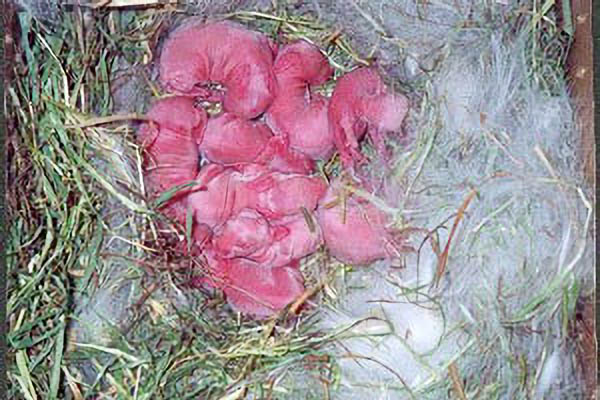
At birth, kits are hairless, blind, and entirely dependent on warmth and milk. For wild cottontails, mothers construct shallow depressions in the ground lined with dried grass and fur from their own bodies. Mother rabbits visit their nests only once or twice a day—typically at dawn and dusk—to nurse quickly and minimize drawing the attention of predators.
During this initial fortnight, domestic and wild kits remain tightly huddled in the nest. Human intervention during this period should be virtually nonexistent unless the nest has been explicitly compromised, flooded, or attacked by a predator.
Weeks 3 to 4: Opening Eyes and Exploring
Around ten to twelve days of age, baby rabbits open their eyes and develop a full coat of fur. By week three, curious kits begin hopping around the immediate perimeter of the nest and experimenting with solid foods, such as blades of grass and tiny amounts of hay. However, their primary source of nutrition remains their mother’s exceptionally rich milk.
Weeks 5 to 8: Weaning and Independence
As kits approach the five-to-eight-week mark, their digestive systems undergo a massive shift. They transition gradually away from milk and toward a diet dominated by grass hays, specialized pellets, and eventually, small quantities of fresh greens.
Wildlife experts note that wild cottontails are typically fully independent by the time they reach roughly four to five inches in length. For domestic rabbits, staying with the mother and littermates for a minimum of eight weeks is vital. Premature separation frequently leads to severe, chronic digestive complications, weakened immunity, and failure to thrive.

Months 3 to 6+: Adolescence and Spay/Neuter Timing
As young domestic rabbits transition into adolescence (around three to six months), hormonal changes begin to manifest. Litter box habits may temporarily regress, and territorial behaviors such as spraying or nipping can emerge. This window marks the ideal period to consult a rabbit-savvy veterinarian regarding spaying or neutering procedures, which promote long-term health and behavioral stability.
Supporting Data: Wildlife Rescue Statistics and Care Metrics
Wildlife rehabilitators and rabbit rescue organizations frequently publish alarming statistics regarding the influx of young rabbits brought into facilities every spring—the peak of the breeding season.
- High Vulnerability to "Kidnapping": Data from state departments of natural resources indicate that baby rabbits are among the most frequently "kidnapped" wild species. Up to 70% of wild baby rabbits brought to wildlife centers by well-meaning citizens are discovered to be entirely healthy and unorphaned.
- Maternal Nursing Frequency: Mother rabbits nurse their young for only about 3 to 5 minutes per day. This evolutionary strategy ensures that scent trails are not left behind for predators like foxes, domestic cats, and dogs to track.
- The 24-Hour Rule: Field studies and rescue protocols confirm that if a wild nest is undisturbed and the kits are warm, plump, and quiet, monitoring the area from a distance for 24 hours will routinely reveal the mother returning for evening feeding.
- Digestive Dependency: Domestic rabbit kits require maternal milk—or a precisely formulated veterinary milk replacer in orphan cases—because their gastrointestinal tracts rely heavily on specific maternal gut flora to process fibrous plant matter later in life.
Official Responses and Expert Guidelines
To ensure the highest standards of animal welfare, leading veterinary organizations and rescue groups—such as the House Rabbit Society—have established strict protocols for handling both wild and domestic baby rabbits.
When to Intervene with Wild Rabbits
Wildlife authorities emphasize that the public should only intervene under specific, high-risk circumstances:
- Confirmed Danger: If the mother is known to be dead (e.g., struck by a car or caught by a domestic pet).
- Visible Injury: If the kits exhibit bleeding, broken limbs, flystrike (insect eggs on the body), or cold, lethargic bodies.
- Destroyed Nest: If the nest has been plowed over, flooded, or torn apart by lawnmowers or pets.
If any of these conditions apply, finders are instructed to place the kits in a warm, dark, ventilated box, avoid feeding them cow’s milk or household substitutes, and immediately contact a licensed wildlife rehabilitator or rabbit-savvy veterinarian.

Sourcing Domestic Rabbits: Adopt, Don’t Shop
Animal welfare advocates strongly discourage purchasing baby rabbits from pet stores or online backyard breeders. Many commercial breeding environments subject rabbits to overcrowding and poor health conditions.
Instead, official rescue organizations recommend adopting through verified rabbit rescue groups or shelters. Rescues frequently take in pregnant females or litters surrendered from neglect situations.
According to rescue leadership:
"Adopting a young rabbit from an established rescue ensures that the animal has received comprehensive veterinary assessments, appropriate socialization, and preventative care. Furthermore, it directly combats the cycle of overpopulation while matching the adopter with a companion best suited to their lifestyle."
Implications: Ethical, Environmental, and Domestic Responsibilities
The handling and rearing of baby rabbits carry significant implications for both human communities and animal populations.
Ecological Balance and Wildlife Protection
For wild cottontails, human interference often does more harm than good. Hand-raising a wild rabbit is notoriously difficult due to their extreme sensitivity to stress, which can easily result in fatal capture myopathy (shock). Protecting natural nesting sites in suburban backyards—such as leaving tall patches of grass untouched during spring—allows urban wildlife to complete its natural life cycle without human disruption.
Domestic Pet Preparedness
For those welcoming a domestic kit into their home, the implications are long-term. Rabbits are not low-maintenance "starter pets" for young children; they are complex, intelligent, and social animals that can live for 8 to 12 years.
Proper housing requires an indoor exercise pen or free-roam rabbit-proofed space rather than a cramped cage. Essential starter supplies include:
- Unlimited Grass Hay: Timothy or orchard grass to sustain proper digestive motility.
- Fresh Water: Heavy ceramic bowls or stable water bottles.
- High-Quality Pellets: Measured portions formulated specifically for junior rabbits.
- Litter Box and Safe Bedding: Paper-based, non-toxic litter paired with clean hiding boxes.
- Chew Toys: Untreated willow balls, seagrass mats, and cardboard tunnels to accommodate constant dental wear needs.
Health Red Flags
New rabbit owners must remain vigilant for medical emergencies. Immediate veterinary intervention is required if a baby rabbit exhibits:
- Lethargy, cold body temperature, or unresponsiveness.
- Diarrhea or a soiled, wet hindquarters (a major risk factor for flystrike and fatal dehydration).
- Bloated, hard abdomen or a refusal to eat for more than a few hours.
- Labored breathing, nasal discharge, or visible head tilt.
By adhering to professional veterinary guidelines, respecting the boundaries of local wildlife, and committing to responsible domestic pet ownership, communities can ensure that baby rabbits—whether wild or rescued—grow safely, healthily, and humanely.