KENNESAW, Ga. — The welfare of domestic rabbits has taken center stage in Georgia as the Georgia House Rabbit Society (GHRS) formally allies with more than 100 animal rescue organizations nationwide. Together, these groups are mounting an aggressive campaign targeting Petland, one of the nation’s most prominent pet retail chains, demanding an immediate end to the commercial sale of live rabbits.
The statewide initiative launched in Georgia aligns directly with The Rabbit.org Foundation’s national Stop Rabbit Sales campaign. Animal advocates argue that traditional pet-store retail models inherently promote impulse buying, which ultimately fuels an escalating crisis of neglect, shelter overcrowding, and preventable animal suffering across the Peach State and beyond.
Main Facts: The Core of the Controversy
At the heart of the campaign is a fundamental clash between commercial pet sales and animal welfare advocacy. Petland, which operates multiple storefronts in Georgia—including locations in Kennesaw, Norcross, and Marietta—continues to sell live rabbits directly to consumers. Meanwhile, local rescue organizations report that they are left to shoulder the devastating fallout of this business model.
- The Scope of the Crisis: Over 100 rescues across the United States are participating in the coordinated push to alter Petland’s retail practices.
- The Proposed Solution: Advocates are urging Petland to abandon the direct sale of live rabbits and instead adopt humane retail models. This includes partnering with local rescues and shelters to host adoption events, shifting away from commercial breeders who supply pet stores.
- The Local Impact: GHRS, operating out of its Kennesaw facility, notes that a significant percentage of its intake cases trace back to rabbits originally purchased on impulse from commercial pet stores. These animals frequently arrive at shelters suffering from nutritional deficiencies, behavioral challenges, and untreated medical conditions.
"Young rabbits are often sent home with families who don’t yet understand their specialized needs," explained Courtney Gurley, Shelter Manager for the Georgia House Rabbit Society. "Weeks later, many of those same rabbits arrive at our rescue underweight, frightened, and in need of extensive veterinary care."
Chronology: A History of Advocacy and Rescue
The friction between commercial rabbit sales and animal rescue groups is not a recent development. To understand the gravity of the current campaign, it is necessary to examine the timeline of events leading up to this statewide mobilization.
1996: The Foundation of GHRS
The Georgia House Rabbit Society was established as a non-profit organization dedicated to improving the lives of domestic rabbits. For nearly three decades, GHRS has operated as a cornerstone for rabbit welfare in the state, rescuing, rehabilitating, and rehoming thousands of abandoned and neglected animals while conducting intensive public education campaigns regarding proper rabbit care.
The 2010s: Rising Intake Numbers
As exotic pets gained popularity, rescue organizations across the country observed a steady upward trend in abandoned rabbits. Unlike dogs and cats, rabbits are frequently misunderstood as "starter pets" or low-maintenance animals suitable for young children. Commercial pet stores, critics argue, have historically catered to this misconception by marketing rabbits alongside cages that are far too small and diets that lack necessary nutrients. During this decade, GHRS volunteers noted a direct correlation between peak retail buying seasons—such as the weeks following Easter—and subsequent spikes in post-holiday surrenders.
2020: The Case of Lazarus
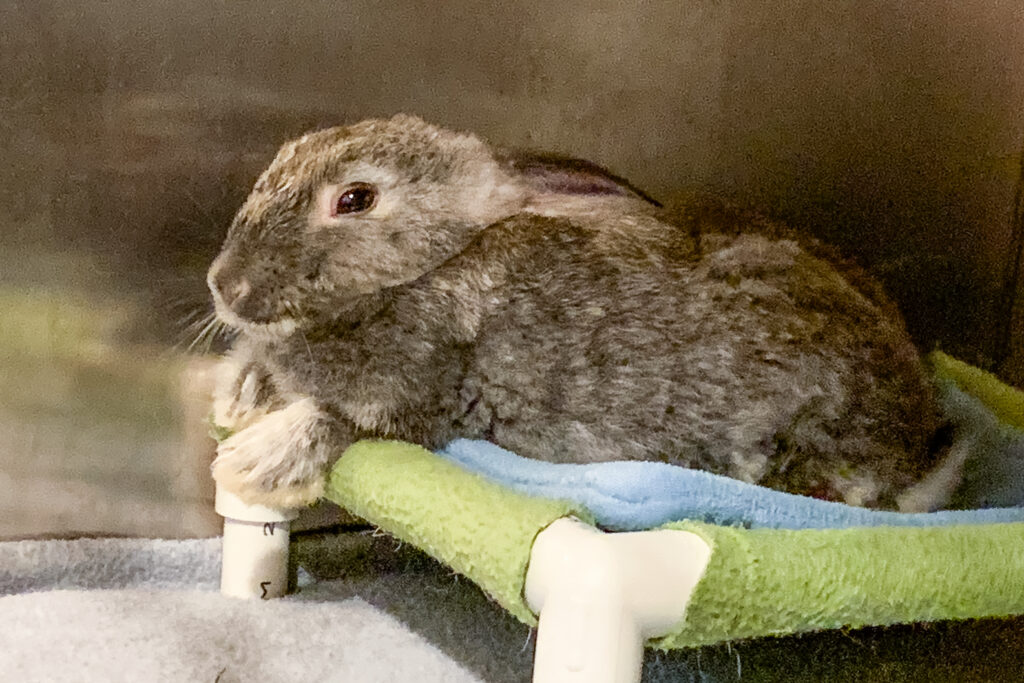
The human and financial toll of pet-store sales was starkly illustrated in 2020, a year that remains etched in the memory of GHRS staff. A Petland employee surrendered a lethargic, severely emaciated young rabbit named Lazarus directly to the rescue.
Lazarus was suffering from coccidia, a potentially fatal parasitic infection, and was covered in his own feces. The rescue team initiated round-the-clock emergency care, providing specialized hydration, nutritional support, and medical intervention. Lazarus’s eventual recovery transformed him into a symbol of resilience within the Georgia rescue community. After regaining his health and being neutered, he was successfully placed into a permanent, loving home. However, his harrowing initial condition served as a grim reminder of the vulnerabilities faced by animals sourced through commercial supply chains.
October 2025: The Launch of the Statewide Campaign
The ongoing struggle culminated in the formal release of the Georgia-specific campaign in October 2025. Partnering with The Rabbit.org Foundation, GHRS escalated its pressure on Petland’s regional and national leadership. By issuing a comprehensive press release and mobilizing digital advocacy networks, the coalition sought to elevate public awareness and compel corporate accountability.
Supporting Data: The Hidden Realities of Rabbit Ownership
The arguments put forward by GHRS and The Rabbit.org Foundation are backed by decades of behavioral and veterinary data concerning domestic rabbits (Oryctolagus cuniculus). Contrary to popular belief, rabbits are complex, fragile prey animals with specialized physiological and behavioral requirements.
- Longevity and Commitment: Many consumers are unaware that domestic rabbits possess a potential lifespan of 8 to 12 years—a commitment comparable to many dog breeds. Impulse purchases made during holidays or spur-of-the-moment visits to retail centers frequently result in abandonment once the novelty wears off or the true financial and time costs become apparent.
- Dietary and Medical Sensitivities: Unlike rodents, rabbits have delicate gastrointestinal tracts that require a constant supply of fresh hay, clean water, and specific leafy greens. Pellets and commercial treats sold in pet stores often make up too large a portion of an uneducated owner’s feeding regimen, leading to gastrointestinal stasis—a potentially fatal medical emergency. Furthermore, veterinary care for exotic pets like rabbits is often significantly more expensive and harder to access than standard canine or feline veterinary care.
- Behavioral Misunderstandings: Because rabbits are prey animals, they often do not enjoy being picked up, cuddled, or squeezed in ways young children might instinctively attempt. When frightened, they may scratch or bite, leading frustrated owners to surrender them to already overburdened shelters.
- Shelter Capacities: Rescues across Georgia operate almost entirely on volunteer labor and private donations. When commercial outlets continue to supply a steady stream of impulse-bought pets, local shelters quickly reach maximum capacity, forcing organizations to make agonizing decisions regarding space and resources.
Official Responses and Stakeholder Perspectives
The debate surrounding the commercial sale of live animals touches upon fundamental questions of corporate responsibility, animal welfare ethics, and consumer education.
The Perspective of Rescue Organizations
For advocates at GHRS and The Rabbit.org Foundation, the issue is clear-cut: live animals should not be treated as retail commodities.
"When animals are sold off-the-shelf like merchandise, the emphasis shifts away from whether the adopter is truly prepared for the animal’s needs and toward closing a transaction," says an official statement from The Rabbit.org Foundation. "Humane retail models prove that pet stores can thrive economically while prioritizing animal welfare. By partnering with shelters, stores can help place animals that are already in need of homes, rather than fueling the overpopulation cycle."
Advocates point to numerous retail chains and independent pet stores across the country that have successfully phased out the sale of live rabbits, dogs, and cats in favor of adoption partnerships. These organizations argue that Petland has the opportunity to lead by example and align its corporate practices with modern ethical standards.
The Corporate Stance and Industry Context
Petland, a major franchise-based pet retailer operating nationwide, has historically defended its business practices by emphasizing its compliance with state and federal regulations, as well as its relationships with licensed breeders. The corporation maintains that it provides comprehensive care guidelines to customers at the time of purchase and that it strives to educate buyers on responsible pet ownership.
However, animal welfare organizations counter that regulatory compliance alone is insufficient to address the systemic issues inherent in the commercial breeding and retail sale of exotic pets. Critics argue that even with educational brochures provided at checkout, the retail environment naturally incentivizes impulse purchases—a dynamic that education campaigns struggle to counteract once a live animal is involved.
Implications for Georgia and the Future of Pet Retail
The ongoing campaign by the Georgia House Rabbit Society and its national allies carries broad implications for the future of animal welfare legislation and retail practices within the state.
- Shifting Consumer Consciousness: Public pressure campaigns of this scale serve to educate the broader public about the realities of pet sourcing. As more consumers become aware of the connection between pet-store sales and shelter overcrowding, public demand for humane retail options is expected to grow.
- Potential for Municipal or State Legislation: While current efforts focus on voluntary corporate change through public appeals and petitions, sustained activism often lays the groundwork for legislative action. Several municipalities and states across the United States have previously enacted bans on the retail sale of certain live animals from commercial mills, paving the way for potential policy debates in Georgia.
- Strengthening the Rescue Network: By uniting over 100 rescues under a single umbrella banner, the Stop Rabbit Sales campaign demonstrates the solidarity and organizational strength of the modern animal welfare community. This network not only amplifies the pressure on corporate entities like Petland but also fosters resource-sharing and collaborative problem-solving among independent shelters.
As the campaign continues to gain momentum, organizations like GHRS remain steadfast in their mission. Whether through direct rehabilitation efforts—symbolized by the enduring legacy of rabbits like Lazarus—or through systemic advocacy aimed at corporate reform, Georgia’s rabbit advocates are making it clear that the welfare of domestic animals must take precedence over commercial convenience.
How to Support the Movement
Individuals interested in supporting the initiative can take several actions:
- Sign the Petition: Support The Rabbit.org Foundation’s national Stop Rabbit Sales campaign by signing online petitions advocating for humane retail shifts.
- Adopt, Don’t Shop: Prospective pet owners are encouraged to look to local rescues—such as the Georgia House Rabbit Society—when seeking a companion animal, ensuring that they receive thorough education and support throughout the adoption process.
- Spread Awareness: Sharing stories of rescue and rehabilitation helps educate the public on the specialized needs of domestic rabbits and the consequences of impulse purchasing.