For many bird enthusiasts, the ritual of sharing a morning snack with their feathered companions is a cornerstone of the human-parrot bond. Among the most popular fruits in the global pantry, the banana often tops the list. However, when it comes to the delicate physiology of the parrotlet—the smallest member of the parrot family—owners must navigate the fine line between a healthy treat and a dietary imbalance.
Can these pint-sized birds safely consume bananas? The short answer is a resounding yes. However, as with any nutritional addition to a specialized avian diet, understanding the "why," "how much," and "when" is critical for the long-term well-being of your pet.
Main Facts: The Nutritional Profile of the Banana
Bananas are dense in nutrients that can significantly benefit a parrotlet’s health when provided in controlled portions. Unlike seed-heavy diets that often lack variety, fresh fruits like bananas introduce a complex array of essential compounds into the avian digestive system.
- Fiber Content: Fiber is the bedrock of healthy avian digestion. It facilitates steady gastrointestinal motility, ensuring that waste moves efficiently through the gut.
- Antioxidants and Vitamin C: Bananas are rich in vitamin C, which acts as a powerful antioxidant. By neutralizing free radicals, these compounds protect the parrotlet’s cells from oxidative stress, a process linked to long-term degenerative health issues in captive birds.
- Essential Minerals: Beyond the well-known potassium content, which regulates fluid levels in cells, bananas provide a significant boost of copper and magnesium. Copper is vital for the synthesis of red blood cells and iron metabolism, while magnesium is a building block for healthy proteins.
Chronology of Dietary Integration
For the novice owner, the timeline of introducing new foods is just as important as the food itself.
- The Acclimation Phase: Before introducing banana, ensure the parrotlet is already established on a balanced pellet diet. Fruit should never replace the primary nutritional source.
- The First Trial: Offer a tiny slice of ripe banana (no larger than a fingernail) during the morning session. Monitor for 24 hours to ensure no digestive upset occurs.
- The Maintenance Phase: Once the bird is accustomed to the flavor, integrate it as a rotational treat. Experts recommend offering banana no more than once or twice a week.
- Long-Term Rotation: After the initial weeks, rotate the banana with other safe fruits like blueberries, apples (without seeds), or papaya to prevent "dietary boredom" and ensure a broader nutrient spectrum.
Supporting Data: Why Moderation is Mandatory
The primary concern for parrotlet owners is not toxicity—bananas are entirely non-toxic—but rather the risk of over-indulgence. Parrotlets are physiologically tiny, and their caloric requirements are modest.
The Digestive Burden
Bananas are exceptionally nutrient-dense. When a parrotlet consumes too much of this fruit, the high sugar and starch content can overwhelm its sensitive digestive tract. Because the bird cannot process an excess of these compounds, the material may sit undigested in the gut. This leads to:
- Abdominal discomfort and cramping.
- Gastrointestinal distress, frequently manifesting as diarrhea.
- Imbalanced gut flora.
The Psychology of Variety
Beyond physiology, there is the psychological aspect of avian health. Parrotlets are known for their spirited, sometimes assertive, personalities. When a bird is fed the same snack repeatedly, they may become picky or develop "behavioral ruts." By treating banana as a periodic reward rather than a staple, you maintain the "novelty" of the treat, which serves as a powerful motivator during training sessions or social bonding.
Official Guidelines on Preparation and Safety
Not all bananas are created equal. How you prepare this fruit determines whether it acts as a health supplement or a source of frustration for your pet.
The Flesh vs. The Peel
The flesh is the most palatable and nutrient-rich part of the banana. It is soft, easily digestible, and highly preferred by parrots. While the peel is not toxic, it offers negligible nutritional value and is often unpalatable to birds. Some owners leave a small sliver of the peel attached so the bird can forage, but it should never be the primary serving.
The Ripeness Scale
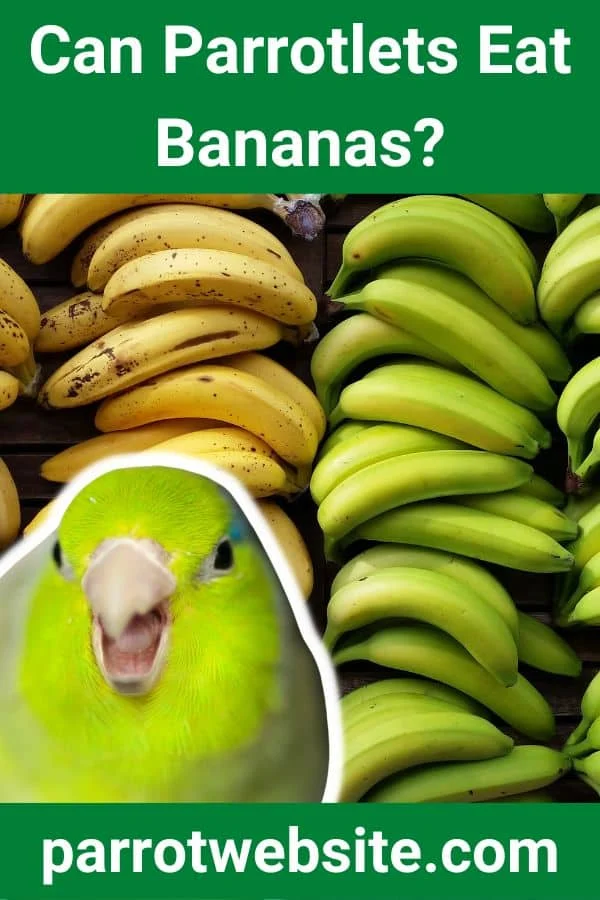
- Ripe (The Gold Standard): A bright yellow banana is the peak of nutritional density and flavor. It is the easiest for a parrotlet to chew and digest.
- Underripe: These are often too tough for a small beak to manage. They contain complex starches that are harder on the avian digestive system and generally lack the sweetness that makes the fruit an enticing treat.
- Overripe: While brown, mushy bananas are not inherently dangerous, they lose nutritional potency. If a banana is slightly overripe, it is acceptable to offer only the firm, yellow sections, but avoid feeding the fermented or extremely mushy portions.
Raw vs. Cooked
The rule of thumb in avian nutrition is to mirror the bird’s natural environment. In the wild, parrots do not encounter cooked food. Cooking—specifically frying—destroys delicate vitamins and adds unnecessary fats. Raw, fresh, and properly cleaned fruit is the only form in which you should serve banana to your parrotlet.
Implications: Building a Balanced Ecosystem
The implications of a well-managed diet extend far beyond the bird’s physical health.
Temperament and Behavioral Health
Parrotlets are notoriously sensitive to their environment and diet. A bird that is bored with its food is often a bird that becomes moody or standoffish. By curating a menu that includes the occasional banana, you are essentially providing "environmental enrichment." The act of shredding the fruit and the sensory pleasure of the taste contribute to a stable, happy temperament.
Preventing "Fussy Eater" Syndrome
Many owners make the mistake of offering a favorite treat daily, only to find the bird refusing its healthy, base diet. To avoid this, view the banana as a "high-value reward." If you provide it only during specific times—such as after successful recall training—the bird will associate the fruit with positive reinforcement. This maintains the bird’s enthusiasm for the food while ensuring they continue to eat their essential, less exciting, but nutritionally vital pellets.
The Role of Variety in Longevity
The ultimate goal for any parrotlet owner is to maximize the bird’s lifespan. While a banana cannot cure a poor diet, it acts as a bridge to variety. By incorporating small amounts of different fruits and vegetables, you reduce the risk of nutrient deficiencies that lead to long-term illness.
Conclusion
The banana is a superlative treat for the parrotlet, offering a rich bouquet of vitamins, minerals, and fiber that supports everything from cell health to digestive regularity. However, its value is entirely dependent on the owner’s discipline.
By adhering to the "small amount, occasional frequency" rule, you avoid the pitfalls of digestive strain while reaping the benefits of a happy, engaged, and well-nourished bird. Remember: the objective is to provide a balanced life. Let the banana be a celebration of your bond, a tool for training, and a healthy, occasional joy—but never the centerpiece of the cage. With careful planning and a commitment to variety, you can ensure your parrotlet thrives for years to come.