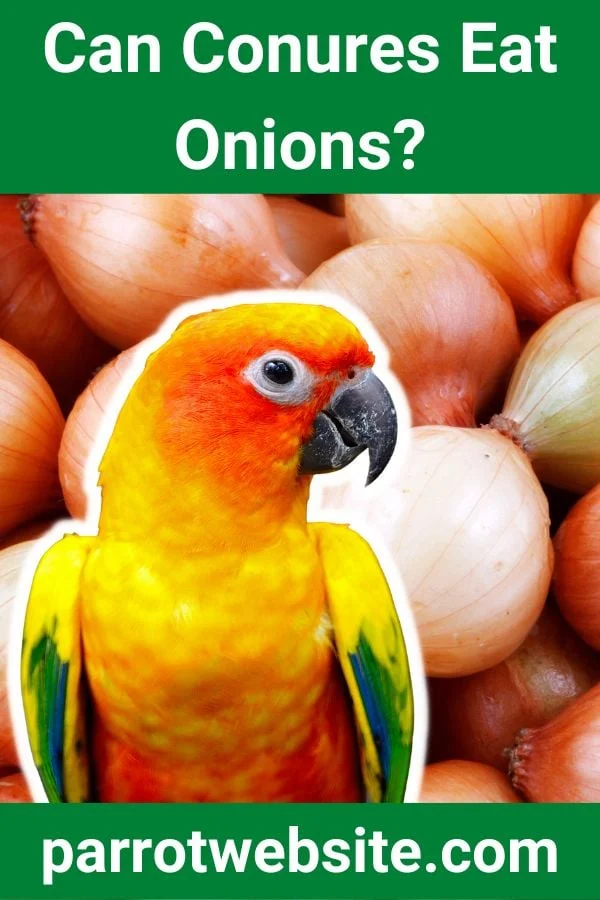
Onions are perhaps the most ubiquitous ingredient in the modern kitchen. From the base of a hearty soup to the crunch in a garden salad, they serve as the foundational flavor profile for cuisines across the globe. However, for parrot owners, the presence of these common alliums in the household represents a significant, often overlooked, biological hazard.
If you are a bird enthusiast or a proud owner of a conure—a species known for its high intelligence, inquisitive nature, and tendency to sample whatever its human companions are eating—it is critical to understand a stark reality: Onions are strictly prohibited from your bird’s diet. While they may appear to be harmless, nutrient-dense vegetables, they possess chemical properties that can be fatal to avian species.
Main Facts: The Chemical Toxicity of Alliums
To understand why onions are toxic, one must look at their chemical composition. Onions, along with their botanical cousins—garlic, leeks, shallots, and chives—belong to the Allium genus. These plants contain sulfur-based compounds known as organosulfoxides.
When an onion is sliced, chewed, or crushed, these compounds are converted into reactive sulfur molecules. In humans, these molecules are responsible for the pungent aroma and the irritation that causes our eyes to water. In parrots, however, these compounds do not merely cause temporary discomfort; they trigger a dangerous physiological reaction known as oxidative stress.
The primary mechanism of toxicity involves the destruction of red blood cells, a condition referred to as hemolytic anemia. When a conure ingests these sulfur compounds, they damage the cell membranes of the red blood cells, causing them to rupture. Once these cells are destroyed, the bird’s ability to transport oxygen throughout its body is severely compromised, leading to organ failure and, in many instances, death.
Chronology of Ingestion: What Happens Internally?
The progression of onion toxicity in a conure is a swift and alarming process. The timeline of symptoms typically follows a distinct path, beginning from the moment of ingestion.
Phase 1: Immediate Irritation (0–2 Hours)
Upon contact, the sulfur compounds begin to irritate the mucosal linings of the oral cavity and the esophagus. Because parrots have sensitive digestive tracts, even the act of chewing raw onion can lead to inflammation and the formation of painful mouth ulcers. At this stage, you might notice your bird shaking its head, showing signs of oral discomfort, or refusing to swallow food.
Phase 2: Systemic Absorption (2–12 Hours)
Once the onion reaches the stomach and the digestive enzymes break down the plant material, the toxic compounds are absorbed into the bloodstream. This is where the internal damage begins in earnest. The sulfurous compounds circulate through the body, directly targeting the hemoglobin within the red blood cells.
Phase 3: The Onset of Hemolytic Anemia (12–24 Hours)
As the red blood cell count plummets, the bird enters a state of acute anemia. Because the body is no longer receiving adequate oxygenation, the bird will exhibit signs of severe lethargy. You may observe a "fluffed" appearance, laboured breathing, and a lack of coordination.
Phase 4: Critical Failure (24+ Hours)
In severe cases, the lack of oxygen leads to hypoxia in vital organs, including the heart and brain. Without immediate veterinary intervention, the bird may succumb to shock or multiple organ failure.
Supporting Data: Why "Small Amounts" Still Matter
A common misconception among pet owners is that "a little bit won’t hurt." In the context of avian toxicology, this is a dangerous fallacy. Unlike mammals, which often have higher tolerances for certain dietary toxins, the avian metabolic rate is exceptionally high.
Because conures are relatively small birds, their threshold for toxic substances is proportionally much lower than that of a dog or a cat. A single slice of raw onion or a small piece of cooked onion mixed into a "safe" human food (like a stir-fry or pasta dish) can contain enough sulfur compounds to overwhelm a bird’s system.
Furthermore, the toxicity does not dissipate significantly during the cooking process. While high temperatures might alter the texture of the onion, the sulfur compounds remain chemically active. Boiling, frying, or baking does not render the onion safe for avian consumption. The same logic applies to onion powder or garlic salt—dehydrated forms of these alliums are often even more concentrated, posing a heightened risk to your pet.
Veterinary Perspectives and Official Responses
Veterinarians specializing in avian medicine consistently classify onions as a "do not feed" item. The Association of Avian Veterinarians (AAV) highlights that many household toxins are consumed accidentally, often when birds are allowed to "free-range" on the kitchen counter or participate in family meals.
"There is no nutritional benefit provided by onions that cannot be acquired from safer, bird-friendly vegetables," notes Dr. Elena Rossi, an avian practitioner. "When a client asks if a small amount of onion is safe, the answer is always an emphatic no. The risk-to-reward ratio is nonexistent. We see cases of hemolytic anemia that could have been entirely avoided by strict kitchen management."
Veterinary protocols for onion ingestion typically involve aggressive supportive care. If the ingestion is caught within the first hour or two, a vet may induce vomiting or administer activated charcoal to prevent further absorption. If the toxic effects have already manifested, the bird will require hospitalization, oxygen therapy, and potentially blood transfusions to stabilize its condition.
Implications for the Modern Bird Owner
The reality of owning a conure is that your kitchen is an extension of their environment. Because these birds are highly social and thrive on interaction, they naturally want to share in the ritual of "flock feeding." However, this creates a significant responsibility for the owner to act as a gatekeeper.
1. Kitchen Safety Protocols
The most effective way to prevent toxicity is to keep your bird out of the kitchen during food preparation. If your bird is accustomed to being with you while you cook, consider a dedicated bird-safe perch placed far away from the stove and cutting boards.
2. Identifying Safe Alternatives
If you wish to share a meal with your conure, focus on high-nutrient, low-risk vegetables. Consider the following "superfoods" for parrots:
- Carrots: Excellent for Vitamin A.
- Bell Peppers: A favorite for many birds, safe and colorful.
- Broccoli: Provides essential calcium and fiber.
- Leafy Greens (Kale, Dandelion, Bok Choy): Excellent for overall metabolic health.
3. The "Better Safe Than Sorry" Mindset
If you suspect your bird has consumed onion, time is the most valuable resource you have. Do not wait for symptoms to appear. The onset of anemia can be subtle, and by the time a bird displays obvious weakness, the internal damage may already be advanced. Contact an emergency avian veterinarian immediately.
Conclusion: A Lifetime of Vigilance
The bond between a human and a conure is built on trust. Your bird trusts you to provide a safe, nurturing environment. While it might be tempting to offer a bite of a savory meal, the potential cost of that indulgence is simply too high.
Onions are not a gray-area food; they are a hard "no." By educating yourself on the chemical dangers of sulfur compounds and maintaining strict boundaries regarding your kitchen, you are ensuring that your bird remains healthy, vibrant, and by your side for years to come. Remember, the goal of pet ownership is to provide the best life possible—and in the case of your feathered friend, that life is best lived without the presence of onions.