LOS ANGELES COUNTY, California — State agricultural authorities and equine health officials are closely monitoring a newly confirmed case of Equine Infectious Anemia (EIA) in Southern California. A 17-year-old Thoroughbred gelding housed at a private facility in Los Angeles County has tested positive for the viral disease and has been humanely euthanized in accordance with state and federal disease control protocols.
The index case has triggered an immediate quarantine of 43 potentially exposed equids residing on the same premises. While initial screening tests for these contact horses have returned negative results, state veterinarians have mandated a strict lockdown and a mandatory 60-day retesting protocol to ensure the virus has not spread within the herd.
The incident underscores the persistent threat of vector-borne equine pathogens and serves as a vital reminder to the nationwide equestrian community regarding the importance of biosecurity, vector management, and routine diagnostic surveillance, such as the Coggins test.
Main Facts
The confirmed case involves a 17-year-old Thoroughbred gelding that presented with clinical indicators prompting diagnostic evaluation. Subsequent laboratory testing confirmed the presence of Equine Infectious Anemia, a viral bloodborne disease for which there is currently no vaccine and no cure.
- The Patient: A 17-year-old Thoroughbred gelding located in Los Angeles County, California.
- Outcome: Humanely euthanized following confirmation of the diagnosis to prevent further transmission.
- Exposed Population: Forty-three horses residing on the home premises.
- Current Status of Contacts: All 43 exposed horses have tested negative on their initial screening panels.
- Containment Measures: The entire premises is under an official state-mandated quarantine, restricting the movement of all equines on or off the property until the mandatory 60-day clearance retesting is completed with negative results.
- Regulatory Oversight: The California Department of Food and Agriculture (CDFA) is actively managing the incident on-site, providing epidemiological tracking and regulatory enforcement.
Chronology of Events
The unfolding of the Los Angeles County EIA incident follows a structured path of veterinary diagnosis, state intervention, and containment protocols designed to isolate the pathogen before it can establish a broader geographical footprint.
- Initial Clinical Recognition: The 17-year-old Thoroughbred gelding began exhibiting clinical signs that warranted veterinary investigation. Blood samples were drawn for diagnostic evaluation.
- Laboratory Confirmation: Diagnostic assays confirmed the presence of antibodies to the Equine Infectious Anemia virus, yielding a positive test result.
- Humane Euthanasia: Upon confirmation of the diagnosis and in alignment with standard regulatory frameworks for incurable, highly contagious equine pathogens, the animal was humanely euthanized.
- CDFA Deployment and Index Premise Quarantine: The California Department of Food and Agriculture was immediately notified. State officials mobilized to the facility, established an official quarantine over the property, and placed the remaining 43 resident equines under regulatory restriction.
- Initial Herd Screening: Blood samples were collected from all 43 exposed horses on the premises to determine their infection status.
- Initial Negative Results: Laboratory results for the 43 exposed horses returned negative for EIA antibodies, offering an initial sigh of relief for property owners and state veterinarians.
- Current Phase (Ongoing): The property remains under strict quarantine. The 43 horses are being monitored daily for clinical signs of disease and are scheduled for a definitive 60-day retest to confirm they have not seroconverted during the viral incubation window.
Supporting Data and Veterinary Context: Understanding EIA
Equine Infectious Anemia, frequently referred to in veterinary medicine as "swamp fever," is a viral disease affecting members of the family Equidae, including horses, ponies, mules, and donkeys. Caused by a lentivirus belonging to the retrovirus family—sharing structural characteristics with human immunodeficiency virus (HIV)—EIA specifically targets the equine immune system.
Transmission Dynamics
The EIA virus is transmitted primarily through the direct transfer of blood or other bodily fluids from an infected animal to a susceptible host.
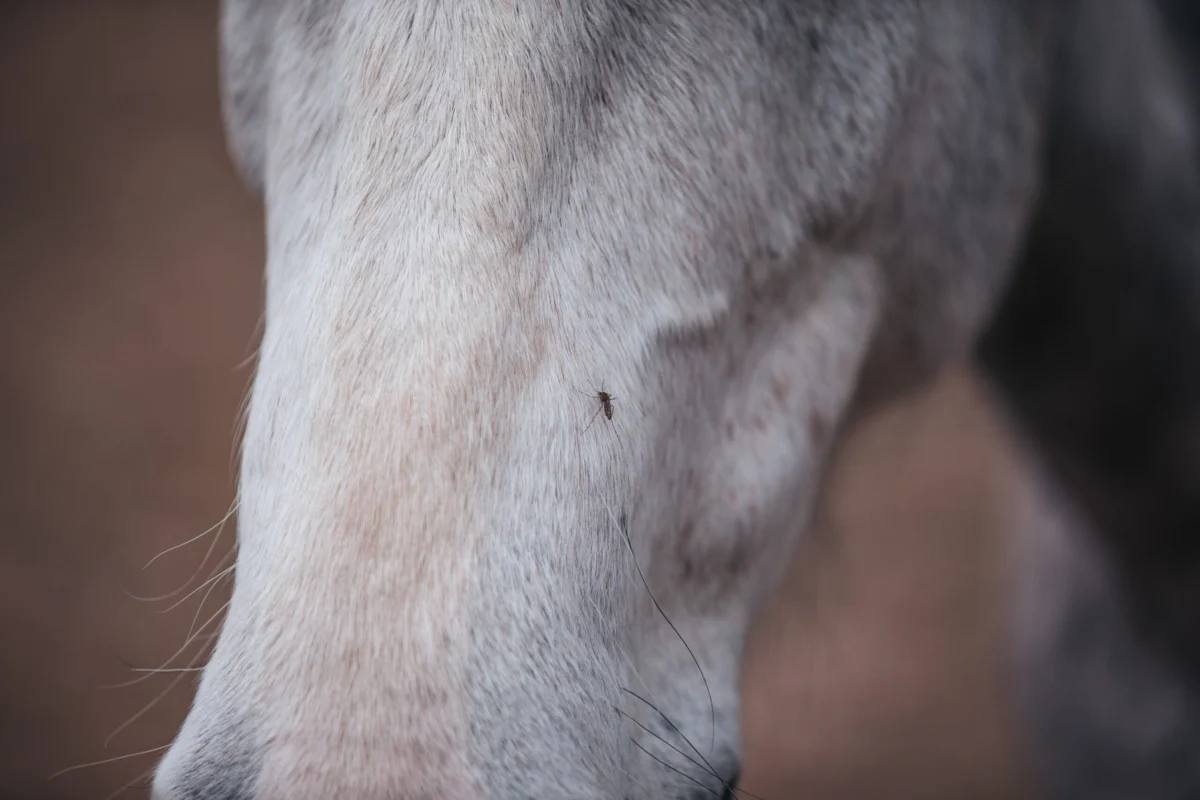
- Insect Vectors: The most common vectors of transmission are large biting insects, particularly horseflies (Tabanidae) and deer flies. Because these insects are mechanical vectors, they feed on an infected horse, ingest blood containing the virus, and then feed on an uninfected horse shortly thereafter, transferring the virus via mouthparts contaminated with infectious blood. Due to the mechanics of this transmission, EIA outbreaks are frequently seasonal, peaking during warmer months when fly populations are highest.
- Iatrogenic Transmission: Human-mediated (iatrogenic) transmission remains a significant risk factor in equine populations. The reuse of unsterilized needles, dental equipment, surgical tools, or tattooing instruments across multiple horses can directly introduce the virus into the bloodstream of a healthy animal.
- Vertical Transmission: Mares infected with EIA can potentially transmit the virus to their foals in utero or via colostrum, though this route is less common than mechanical vector transmission or blood contamination.
Clinical Signs and Pathogenesis
Once inside the host, the EIA virus attacks the immune system, leading to cycles of clinical illness. Not all horses show immediate or overt signs of infection; many infected animals become asymptomatic carriers that can harbor the virus for life while appearing outwardly healthy.
For horses that do exhibit clinical disease, presentations can be acute, subacute, or chronic:
- Fever: High, fluctuating body temperatures are often the earliest sign.
- Thrombocytopenia and Anemia: Destruction of red blood cells and platelets leads to profound anemia, weakness, and bleeding disorders.
- Edema: Swelling of the lower legs, chest, and lower abdomen due to fluid accumulation.
- Weight Loss and Lethargy: Chronic wasting, severe lack of energy, and poor body condition.
- Jaundice: Yellowing of the mucous membranes due to liver and red blood cell breakdown.
Diagnosis via the Coggins Test
The cornerstone of EIA surveillance and control is the Coggins test (or the more rapid competitive enzyme-linked immunosorbent assay, cELISA). Developed by Dr. Leroy Coggins in the 1970s, the agar gel immunodiffusion (AGID) test screens an equine’s serum for antibodies directed against the core proteins of the EIA virus.
Because infected horses carry the virus for life, a positive Coggins test indicates lifelong carrier status. The test has been remarkably effective at suppressing the prevalence of EIA in North America over the past several decades. Consequently, the vast majority of U.S. states, as well as equestrian event organizers, racetracks, and boarding facilities, legally require proof of a negative Coggins test within the past 12 months for any horse crossing state lines or congregating at public facilities.
Management, Treatment, and Lifelong Implications
There is currently no vaccine capable of preventing Equine Infectious Anemia, and there is no medical cure to clear the virus from an infected animal’s system.
When a horse tests positive for EIA, regulatory authorities enforce stringent life-management options to prevent the cycle of transmission:
- Euthanasia: The most common and definitive method to eliminate the viral reservoir.
- Lifelong Strict Quarantine: If a state permits it and the owner elects against euthanasia, the infected horse must be maintained for the remainder of its life under rigid quarantine conditions. This typically requires housing the animal in a screened enclosure or maintaining a physical distance of at least 200 yards away from any other non-infected equids to prevent insect-borne transmission.
- Permanent Identification: EIA-positive horses that are not euthanized are permanently branded or tattooed by state regulatory agents to ensure they are never introduced back into the general equine population.
Official Responses and Regulatory Action
The management of the Los Angeles County incident highlights the rapid response capabilities of state agricultural agencies and the critical infrastructure provided by industry-backed monitoring networks.
The California Department of Food and Agriculture (CDFA) deployed field veterinarians and animal health technicians immediately upon notification of the positive test result. The primary objective of the CDFA is containment: ensuring that no equines leave the index premises while tracing any historical movements that could indicate exposure prior to the diagnosis.
"State animal health officials are working closely with the property owner and attending veterinarians to secure the premises and implement rigorous biosecurity measures," noted regulatory monitors tracking the situation. "The immediate negative results from the 43 contact horses are an encouraging sign, but the 60-year-old—correction, 60-day—retesting window is an absolute requirement to ensure no latent infections develop as the incubation period concludes."
The Role of EDCC and Equine Network
This case was brought to the broader attention of the veterinary community and horse owners through the Equine Disease Communication Center (EDCC) via its EDCC Health Watch marketing program.
The EDCC is an independent, non-profit organization funded entirely by industry donations and corporate support from the Equine Network and concerned stakeholders. Operating as a centralized clearinghouse for infectious disease reporting in North America, the EDCC provides open-access, verified alerts regarding outbreaks of equine herpesvirus (EHM/EHV), equine influenza, West Nile virus, strangles, and Equine Infectious Anemia.
By disseminating timely information, the EDCC empowers horse owners, farm managers, and veterinarians to take proactive biosecurity measures, adjust travel schedules, and monitor local herd health effectively.
Broader Implications for the Equestrian Community
The detection of EIA in a densely populated and highly mobile equine hub like Southern California serves as a stark reminder of the vulnerabilities inherent in modern horse management. While strict Coggins testing requirements have drastically reduced the national prevalence of EIA over the past forty years, isolated outbreaks still occur, often linked to vector exposure or the movement of untested animals.
1. Re-Evaluating Biosecurity Protocols
Horse farm managers and private owners must view this incident as a prompt to audit their current biosecurity practices. Key areas of focus should include:
- Vector Control: Implementing aggressive fly control measures—such as using environmental management to eliminate standing water, utilizing automatic fly-spray systems, applying approved insect repellents, and using fly sheets—reduces the risk of biting insect transmission.
- Needle and Equipment Hygiene: The absolute rule of thumb for modern equine husbandry must be one needle, one horse. Sharing needles, dental floats, or surgical instruments across multiple animals is an entirely preventable vector for bloodborne pathogens like EIA and Equine Infectious Anemia, as well as Equine Infectious Anemia and Equine Piroplasmosis.
- Quarantine Procedures for New Arrivals: Any horse entering a new facility should undergo a mandatory quarantine period and verified health screening, including an up-to-date Coggins test, before being integrated into the resident herd.
2. The Economic and Emotional Impact of EIA
The loss of a 17-year-old Thoroughbred gelding highlights the devastating personal and economic toll that infectious diseases take on horse owners. Beyond the emotional loss of a companion or equine athlete, an EIA diagnosis on a property triggers substantial logistical burdens:
- Property quarantines freeze all business operations involving equine movement, impacting training facilities, lesson barns, and breeding farms.
- The mandatory testing of all contact horses incurs direct veterinary and laboratory expenses.
- The social stigma sometimes associated with infectious disease outbreaks can impact a facility’s reputation, emphasizing the need for transparent, science-based communication managed by regulatory bodies and organizations like the CDFA and EDCC.
3. Maintaining Vigilance with Coggins Testing
Compliance with annual Coggins testing is sometimes viewed by horse owners as a bureaucratic hurdle associated with trail riding, showing, or crossing state lines. However, incidents in Los Angeles County vividly demonstrate that the Coggins test is a critical public health shield for the entire equine population. By identifying asymptomatic carriers before they can serve as viral reservoirs for biting insects, routine testing remains the single most effective tool for keeping the equine industry safe from the resurgence of swamp fever.
Conclusion
As the 43 exposed horses at the Los Angeles County facility complete their monitoring period under CDFA oversight, the local equestrian community remains on alert. The swift response by state veterinarians, combined with the transparent reporting facilitated by the Equine Disease Communication Center, highlights the resilience and preparedness of the modern equine health infrastructure.
For horse owners nationwide, the event is a definitive call to action: maintain strict vector control, adhere strictly to single-use equipment protocols, ensure all herd members maintain current Coggins documentation, and stay informed through verified reporting channels to safeguard the health and well-being of the national equine population.