JOSEPHINE COUNTY, Oregon — The Oregon State Department of Agriculture (ODA) has officially confirmed a case of pigeon fever in an equine resident of Josephine County, raising awareness within the regional agricultural and equestrian communities. According to state reports, two additional horses have been identified as exposed to the index case and are currently being monitored closely for signs of the bacterial infection.
The confirmation was brought to light through the Equine Disease Communication Center (EDCC) Health Watch, an informational initiative by the Equine Network utilizing verified data from the EDCC. The EDCC operates as an independent, industry-supported nonprofit organization dedicated to providing open-access, real-time reporting on infectious disease outbreaks across the United States, helping horse owners, veterinarians, and regulatory agencies mitigate the spread of equine pathogens.
While a single confirmed case and two exposures do not yet constitute a widespread epidemic, state officials and local veterinarians are urging heightened vigilance. Pigeon fever—scientifically known as Corynebacterium pseudotuberculosis infection—is notoriously persistent in the environment and can cause painful, debilitating conditions in horses if not recognized and managed promptly.
Main Facts
The core of the current situation in Josephine County involves a targeted response by local livestock owners and state animal health officials to contain a localized outbreak of Corynebacterium pseudotuberculosis.
- The Index Case: A single horse in Josephine County has tested positive for pigeon fever, confirmed by the Oregon State Department of Agriculture.
- Exposed Equines: Two additional horses residing on the same property or sharing direct environmental contact with the infected animal have been exposed. They are currently under quarantine and observation.
- The Pathogen: Pigeon fever is caused by the bacterium Corynebacterium pseudotuberculosis. Despite its common name, it does not typically affect pigeons or birds; rather, the name derives from the characteristic swelling of the horse’s pectoral muscles on the chest, which can make the animal’s chest resemble the puffed-out breast of a pigeon.
- Clinical Presentation: The infection is characterized by the formation of large, pus-filled abscesses. These most commonly manifest on the chest and under the belly, though internal infections and limb infections (ulcerative lymphangitis) can also occur in more severe forms.
- Transmission Dynamics: Horses do not typically catch pigeon fever directly from one another through casual contact, though it is possible. Instead, the bacterium primarily enters the horse’s body through breaks in the skin, such as minor abrasions, cuts, or insect bites. Soil and manure contaminated with the bacteria serve as major environmental reservoirs.
- Seasonal Peak: The incidence of pigeon fever historically spikes during the late summer and fall months, aligning with dry, dusty conditions and high populations of biting insects.
Chronology of Events
Understanding the timeline of infectious disease detections is critical for tracking transmission vectors and preventing further escalation. While specific dates regarding the onset of clinical signs in the Josephine County horse remain confidential to protect owner privacy, the sequence of disease management follows established state protocols.
Discovery and Veterinary Evaluation
The timeline typically begins when a horse owner or stable manager notices an unusual swelling on the animal’s chest or ventral midline (belly). In the case of the Josephine County equine, the local owner observed a growing mass and promptly contacted a licensed large-animal veterinarian. Upon physical examination, the veterinarian suspected an abscess consistent with Corynebacterium pseudotuberculosis.
Diagnostic Confirmation
To confirm the clinical suspicion, the attending veterinarian collected purulent material (pus) from the developing abscess or performed blood titers. Samples were submitted to a diagnostic laboratory. Upon positive identification of Corynebacterium pseudotuberculosis, state reporting mandates dictate that the finding be communicated to the Oregon State Department of Agriculture.
ODA Notification and EDCC Alert
Once verified by state regulatory authorities, the case details were logged. To ensure that regional equine handlers remained informed, the information was processed through the EDCC and disseminated via EDCC Health Watch. This rapid-notification framework allows neighboring farms and boarding facilities to implement defensive biosecurity measures before the bacteria can spread to other herds.
Current Status: Monitoring and Containment
As of the latest reports, the affected horse is undergoing veterinary treatment, which typically includes localized wound management, drainage, and in some cases, targeted antimicrobial therapy. The two exposed horses remain isolated under observation, with daily temperature checks and physical exams being conducted to catch any early signs of abscess formation.
Supporting Data and Epidemiological Context
Pigeon fever is not a new phenomenon in North America, though its geographic distribution has traditionally been linked to arid and semi-arid climates, such as California and the Western United States. However, changing weather patterns, increased movement of livestock across state lines, and environmental hardiness have contributed to sporadic cases appearing in regions like Oregon, Washington, and parts of Canada.
Environmental Persistence
Corynebacterium pseudotuberculosis is a remarkably resilient soil-borne bacterium. Research indicates that the organism can survive in dry soil and organic matter for months, or even years, depending on ambient temperatures and moisture levels. This high degree of environmental stability means that pastures, paddocks, and wooden fencing can act as long-term reservoirs for the pathogen.
Vectors of Transmission
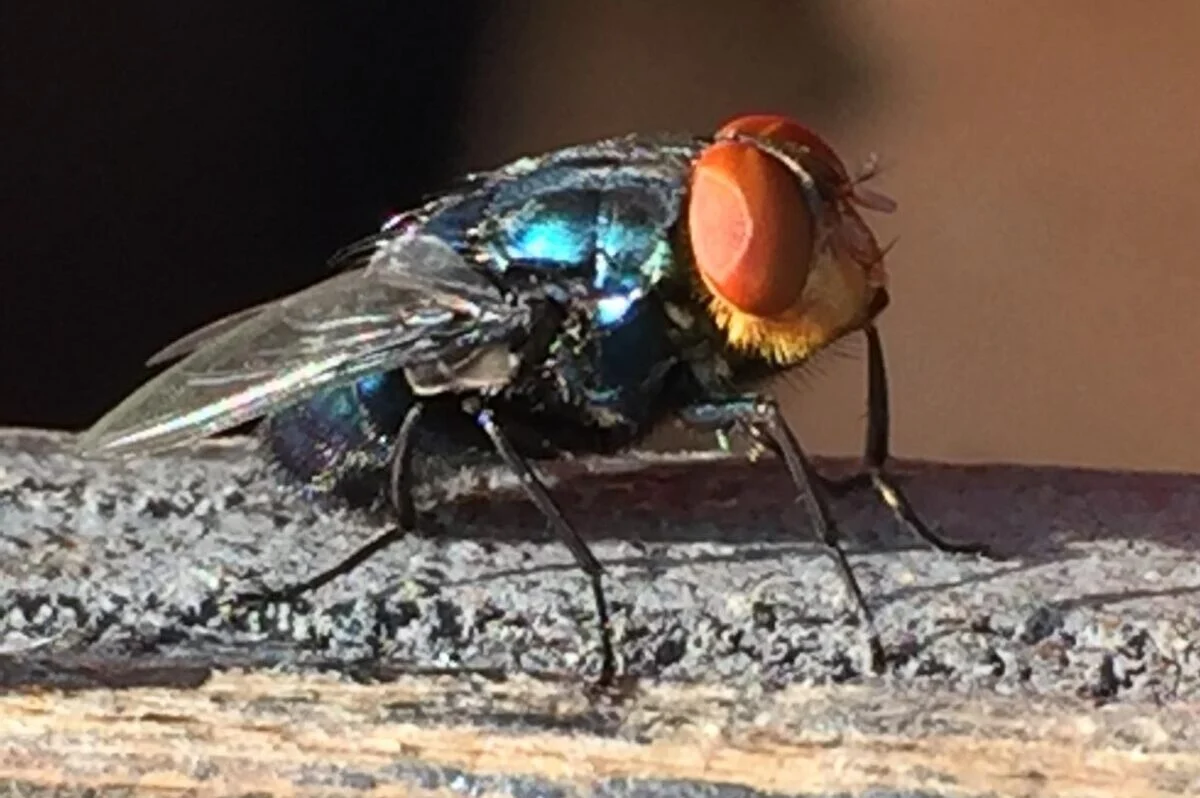
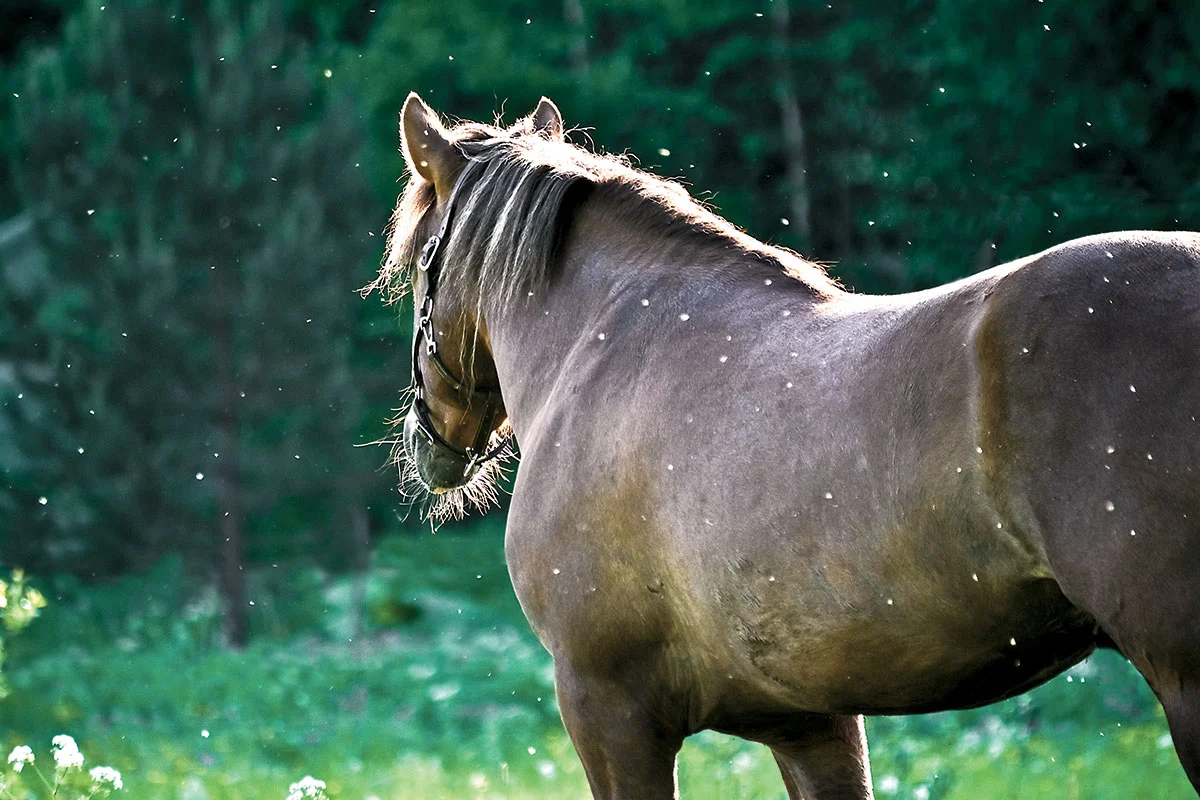
While direct contact with draining abscess exudate is a known transmission route, mechanical vectors play a significant role in spreading the bacteria. Biting insects—most notably the horn fly (Haematobia irritans), stable flies, and houseflies—are heavily implicated in the transmission cycle. These insects feed on the purulent discharge of infected abscesses and subsequently transfer the bacteria to the minor skin scrapes and wounds of healthy horses. This insect-driven transmission explains why pigeon fever cases frequently surge during fly-heavy late summer and autumn months.
Morbidity and Mortality Rates
Fortunately, while pigeon fever morbidity (the rate of infection within a population) can be locally significant during outbreak years, mortality (death rate) remains relatively low, estimated at less than 1% for the external pectoral form of the disease. However, complications can arise. In approximately 8% to 10% of cases, horses develop internal pigeon fever, where abscesses form in internal organs such as the liver, spleen, kidneys, or lungs. This internal form carries a much graver prognosis and requires intensive medical intervention. Another variant, ulcerative lymphangitis, causes severe swelling and painful ulcerations in the lower limbs, often resulting in prolonged recovery times and extended periods of lameness.
Official Responses and Stakeholder Perspectives
State agricultural officials, veterinary boards, and equine welfare advocates have responded to the Josephine County case with a unified message centered on proactive biosecurity and calm, rational management.
Dr. State Veterinarian (representing regional animal health divisions) emphasized that while any infectious disease diagnosis causes understandable concern among horse owners, pigeon fever is manageable when handled with strict hygiene and early veterinary intervention.
"The confirmation of pigeon fever in Josephine County serves as a timely reminder of the resilience of environmental pathogens," stated an ODA spokesperson in an advisory brief. "Horse owners should not panic, but they must remain vigilant. Good management practices—especially concerning fly control, wound care, and pasture hygiene—are our best defense against the introduction and spread of Corynebacterium pseudotuberculosis."
Local veterinary practices in Josephine and surrounding counties have reported an uptick in inquiries from concerned equestrians seeking advice on how to protect their animals. Practitioners are advising clients to inspect their horses daily, particularly checking areas beneath the chest and girth zones where abscesses typically initiate.
Industry organizations, including the Equine Disease Communication Center, continue to provide free, accessible data to the public. Through initiatives like EDCC Health Watch, the equine community bridges the gap between state regulatory reporting and grassroots barn management, ensuring that accurate information supersedes rumors.
Implications for the Equine Community
The appearance of pigeon fever in Josephine County carries several practical implications for horse owners, boarding stable operators, and event organizers throughout Oregon.
1. Enhanced Biosecurity at Boarding and Training Facilities
Facilities housing multiple horses must review their biosecurity protocols. Because Corynebacterium pseudotuberculosis can contaminate common areas, sharing grooming tools, tack, blankets, or feed troughs without proper sanitization poses a cross-contamination risk. Stable managers are encouraged to implement strict quarantine protocols for any new arrivals and to monitor resident horses for signs of unexplained lethargy, fever, or localized swelling.
2. Rigorous Vector Control
Given the strong correlation between biting flies and the spread of pigeon fever, vector management must be prioritized. Effective fly control programs should include:
- Environmental Management: Removing manure piles promptly, eliminating standing water, and reducing muddy or dusty areas where flies breed.
- Chemical Controls: Utilizing EPA-approved fly sprays, systemic feed-through larvicides, fly masks, and physical barriers such as shelter screens.
- Manure and Waste Disposal: Ensuring that bedding and manure contaminated by draining abscesses are properly disposed of away from healthy horses, as the discharge is teeming with viable bacteria.
3. Wound Care and Skin Integrity
Because the bacteria requires a portal of entry to infect a horse, maintaining skin integrity is paramount. Minor scrapes, thorn pricks, and saddle sores must be cleaned, disinfected, and treated immediately. Applying protective ointments or fly repellent directly to minor wounds can prevent flies from depositing the bacteria into healing tissue.
4. Financial and Operational Impacts on Owners
For the owner of the affected horse, dealing with pigeon fever can be both emotionally taxing and financially demanding. Treatment often involves prolonged courses of hot-compressing abscesses, surgical lancing and flushing by a veterinarian, daily bandage changes, and biohazard waste management. Furthermore, if a property is placed under informal quarantine or voluntary lockdown to prevent exposure to neighboring herds, owners may experience temporary disruptions in training, trail riding, or competitive schedules.
5. Vigilance Without Alarmism
Veterinary professionals stress that horse owners should maintain perspective. Pigeon fever is endemic to many parts of the western United States, and sporadic cases are expected seasonally. With proper hygiene, attentive daily observation, and immediate veterinary consultation at the first sign of suspicious swelling, the vast majority of horses make a full and complete recovery.
Conclusion and Recommendations
The confirmation of pigeon fever in Josephine County highlights the constant vigilance required in modern equine husbandry. While the Oregon State Department of Agriculture and the EDCC continue to monitor the situation, the ultimate responsibility for disease mitigation rests at the stable level.
Horse owners suspecting that their animal is affected—indicated by firm, painful swellings on the chest, ventral midline, or limbs, often accompanied by a low-grade fever and lethargy—should immediately contact their veterinarian. Do not attempt to lance or drain suspected abscesses without professional veterinary guidance, as improper handling can release millions of bacteria into the environment, contaminating pastures and exposing other animals.
By adhering to rigorous fly control, maintaining pristine pasture conditions, practicing diligent wound care, and utilizing open-access resources like the Equine Disease Communication Center, Oregon’s equestrian community can successfully navigate the seasonal challenges of pigeon fever and safeguard the health of the region’s equine population.