Author: Paige K Parsons
Co-Author: Our Think Tank
Editor: Margie Wilson
Published by: Rabbit.org Foundation
Main Facts: The Blueprint of Proper Rabbit Nutrition
Maintaining the health and longevity of a companion rabbit begins in the kitchen bowl. Unlike dogs or cats, which thrive on omnivorous or carnivorous diets, rabbits are specialized herbivores with delicate, highly sensitive gastrointestinal tracts. Understanding the optimal nutritional breakdown is not merely a recommendation; it is an absolute necessity for preventing fatal digestive disorders, dental disease, and nutritional deficiencies.
At the core of a healthy rabbit’s diet is a simple, highly structured food pyramid. Veterinarians and rabbit welfare advocates worldwide emphasize that a balanced diet must consist of four primary components: unlimited grass hay, fresh leafy greens, a controlled amount of high-fiber pellets, and occasional healthy treats.
When pet owners deviate from this established veterinary framework—often by feeding excessive pellets, starchy vegetables, or commercial processed treats—rabbits frequently develop severe medical conditions, including gastrointestinal stasis, obesity, and overgrown teeth.
Chronology: The Evolution of Modern Rabbit Dietary Standards
For decades, domestic rabbit care suffered from widespread misinformation. Early pet care manuals frequently recommended diets heavy in grains, corn, and sugary treats, mirroring the feeding strategies used for agricultural livestock raised for meat production.
The Shift Toward Species-Appropriate Diets
As veterinary medicine advanced through the late 20th and early 21st centuries, exotic animal practitioners began noticing alarming rates of chronic illness in pet rabbits. Conditions such as fatal gastrointestinal blockages, overgrown molars, and sludge-like calcium buildup in the bladder were traced directly to high-carbohydrate, low-fiber commercial diets.
Leading rabbit welfare organizations, including the House Rabbit Society (Rabbit.org), spearheaded educational initiatives urging owners to return to a natural, forage-based diet. By analyzing the digestive physiology of wild rabbits—which graze continuously on tough, fibrous grasses and wild plants—veterinarians formulated the modern food pyramid.
Today, this standardized approach is universally endorsed by exotic veterinarians, shifting the paradigm from treating symptoms of malnutrition to preventing disease entirely through proper daily nutrition.
Supporting Data: The 4-Tier Rabbit Food Pyramid Breakdown
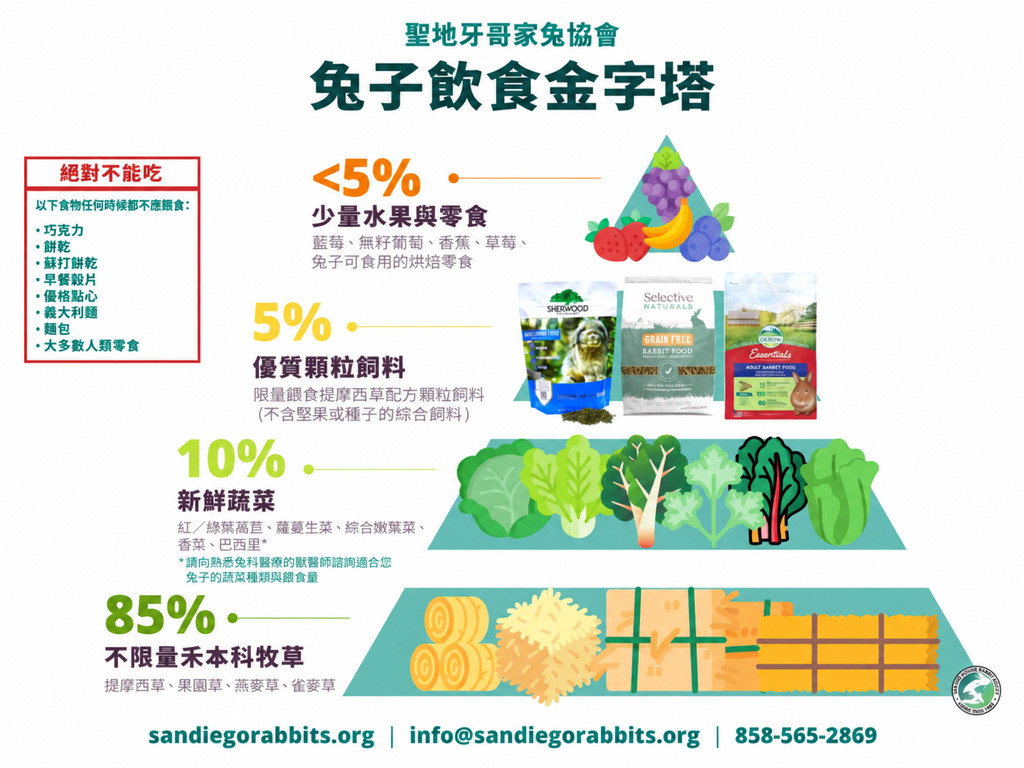
To maintain optimal health, a rabbit’s daily intake should strictly mirror the proportions outlined in the veterinary food pyramid.
       [ Treats / Fruit: < 5% ]
     [ Pellets: ~5% (High Fiber) ]
   [ Fresh Vegetables: ~10% (Leafy Greens) ]
[ ------------------------------------------ ]
[       Grass Hay: 85% (Unlimited)          ]
[ ------------------------------------------ ]
1. Unlimited Grass Hay (85% of Daily Intake)
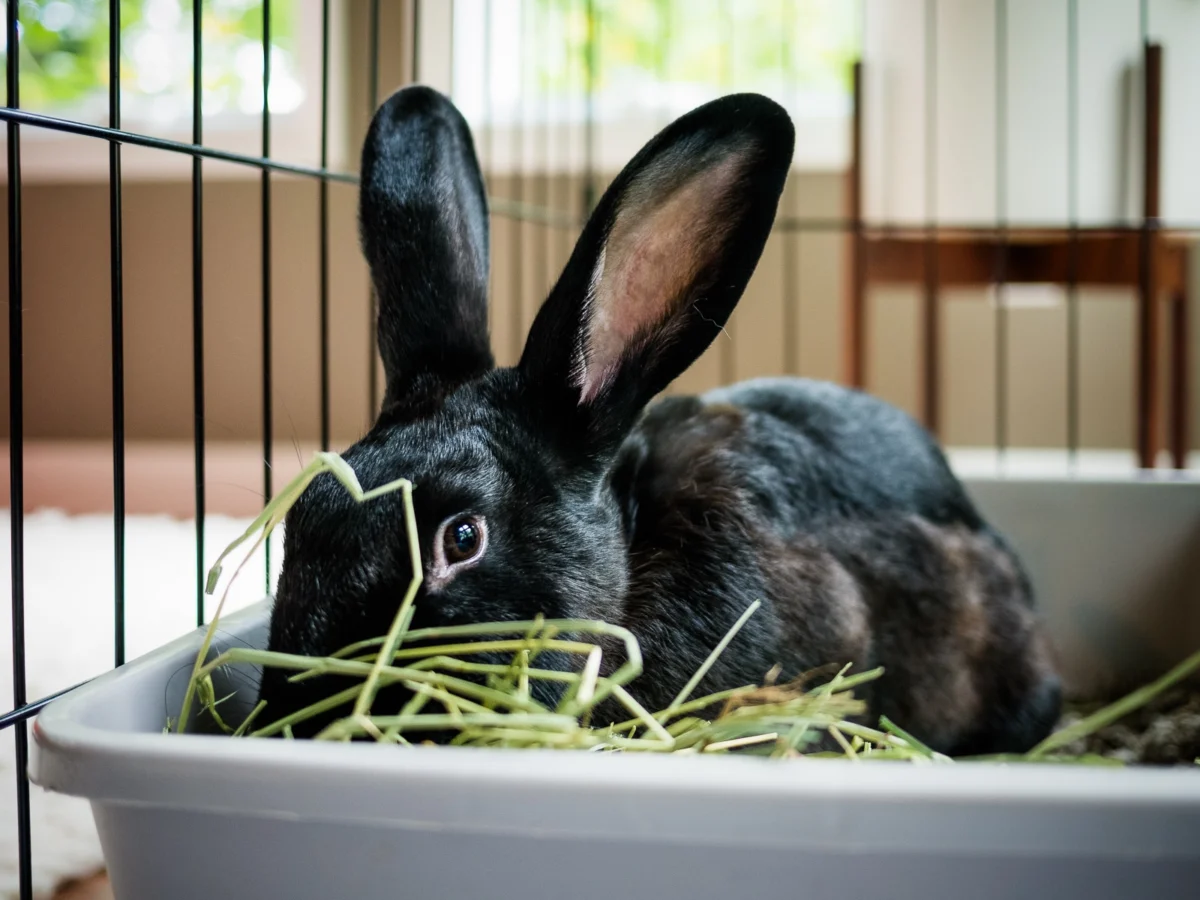
Grass hay is the absolute cornerstone of a healthy rabbit diet and must be available in unlimited quantities 24 hours a day. Hay provides crucial long-stem fiber, which is vital for keeping the gastrointestinal tract moving smoothly. Furthermore, the physical mechanics of chewing fibrous hay—involving side-to-side grinding motions—naturally wears down a rabbit’s continuously growing teeth, preventing painful and potentially fatal dental spurs and abscesses.
- Varieties to Offer: Timothy hay, orchard grass, brome, and oat hay are excellent staples. Alfalfa hay, while popular, is exceptionally high in calcium and protein and should generally be reserved for growing babies, pregnant does, or underweight rescue rabbits.
2. Fresh Leafy Greens (10% of Daily Intake)
Fresh vegetables provide essential hydration, vitamins, and behavioral enrichment. A general rule of thumb is to feed approximately 1 packed cup of fresh vegetables per 2 pounds of body weight daily, spread across multiple feedings to protect sensitive digestion.
- Recommended Greens: Romaine lettuce, red and green leaf lettuce, cilantro, parsley, dandelion greens, basil, mint, dill, and carrot tops (in moderation).
- Safety Precaution: Introduce new vegetables slowly, one at a time, to monitor for soft stools or gas. If a rabbit shows signs of digestive upset, immediately discontinue the new food.
3. High-Fiber Pellets (Approximately 5% of Daily Intake)
Commercial rabbit pellets are concentrated nutritional supplements rather than the main course. Renowned rabbit veterinarian Dr. Susan Brown notes:
"If a rabbit is permitted unlimited access to pellets, the food’s high calorie density will inevitably lead to obesity, while the lack of chewing required will cause dental disease, overgrown incisors, and dangerous GI stasis."
Pellets should be viewed as a dietary vitamin supplement. Choose plain, high-fiber, timothy-based pellets (ideally containing at least 18% crude fiber) and strictly measure portions based on the rabbit’s weight rather than leaving the bowl full.
4. Occasional Treats: Fruit and Starchy Vegetables (< 5%)
Treats should make up a negligible fraction of a rabbit’s caloric intake. Because wild rabbits rarely encounter high-sugar foods like carrots or fruit, their digestive systems are poorly equipped to process concentrated sugars. Excessive treats disrupt the delicate balance of beneficial bacteria in the cecum, leading to gas, bloat, and fatal enteritis. Limit fruit and starchy treats to tiny portions (such as a single slice of banana or a cube of apple) no more than once or twice a week.
Official Responses and Veterinary Consensus
Veterinary medical associations worldwide have unified behind the strict enforcement of high-fiber, hay-based diets for lagomorphs. Exotic animal practitioners emphasize that owner education remains the single most effective tool in preventing emergency veterinary visits.

Leading rabbit rescue organizations have launched global campaigns targeting pet stores and commercial pet food manufacturers that market high-sugar treats, muesli-style mixes, and seed-heavy diets. According to veterinary consensus panels, manufacturers bear a social responsibility to clearly label products and align packaging guidelines with modern avian and exotic veterinary science.
Veterinarians urge rabbit owners to consult certified exotic animal specialists rather than relying on outdated pet care books or unverified internet forums. Regular annual wellness exams are strongly recommended to monitor dental health, body weight, and overall nutritional status.
Implications: Why Proper Nutrition Matters for Lifelong Health
The impact of nutrition on a companion rabbit cannot be overstated. A diet properly balanced around grass hay and fresh greens directly influences every major physiological system in the rabbit’s body:
- Gastrointestinal Health: Continuous fiber intake stimulates peristalsis, drastically reducing the incidence of painful and life-threatening gastrointestinal stasis.
- Dental Health: The abrasive nature of silica found in grass hay ensures that rabbit teeth wear down naturally, preventing sharp molar spurs that pierce cheeks and tongues.
- Behavioral Well-Being: Foraging for hay and greens mimics natural wild behaviors, alleviating boredom and reducing destructive chewing habits in the home environment.
Conversely, nutritional mismanagement carries severe consequences. Diets deficient in fiber or excessive in carbohydrates lead directly to chronic soft stools, urine scald, skeletal weakness, and shortened lifespans. By adhering closely to the established dietary pyramid, owners ensure their companion rabbits live long, vibrant, and pain-free lives.