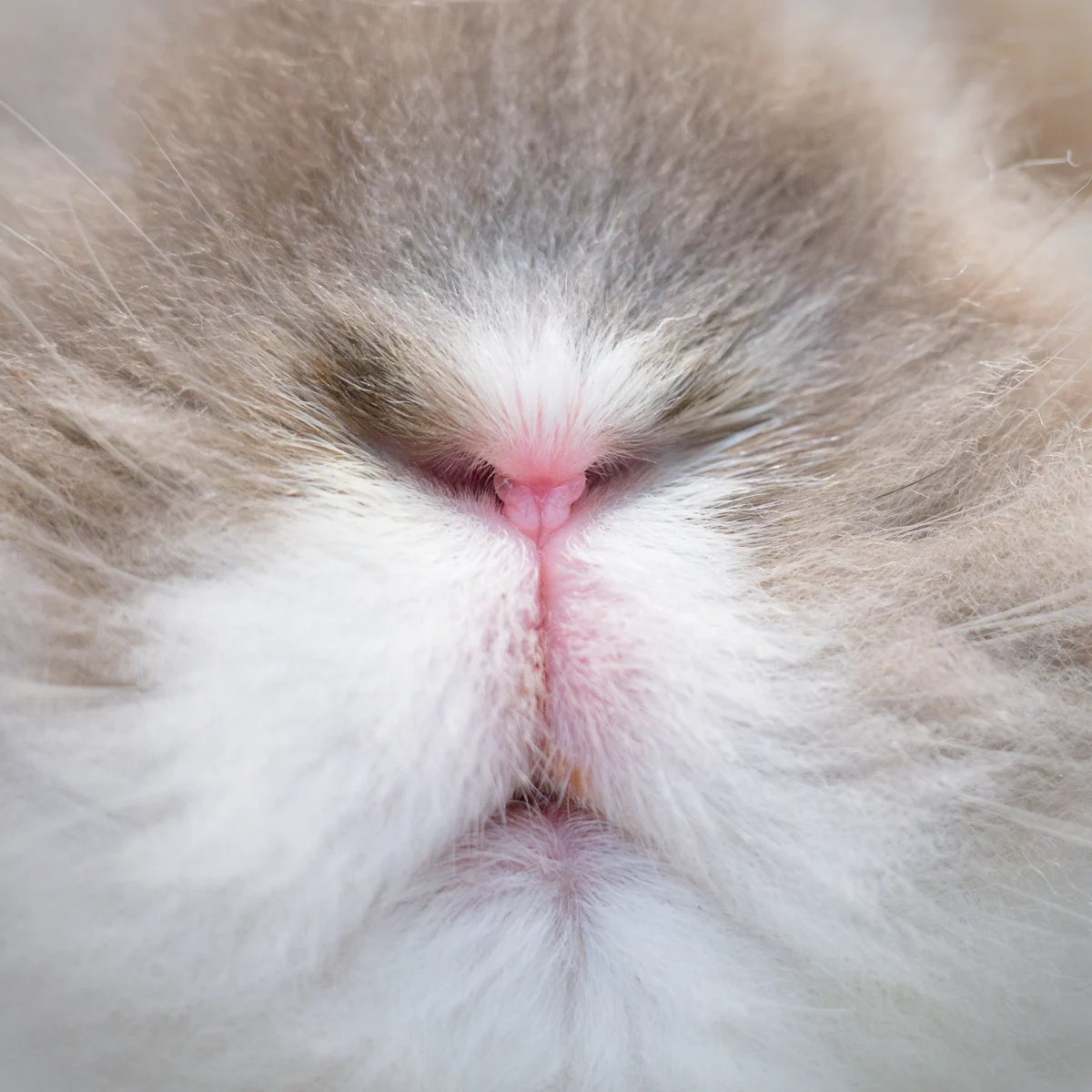
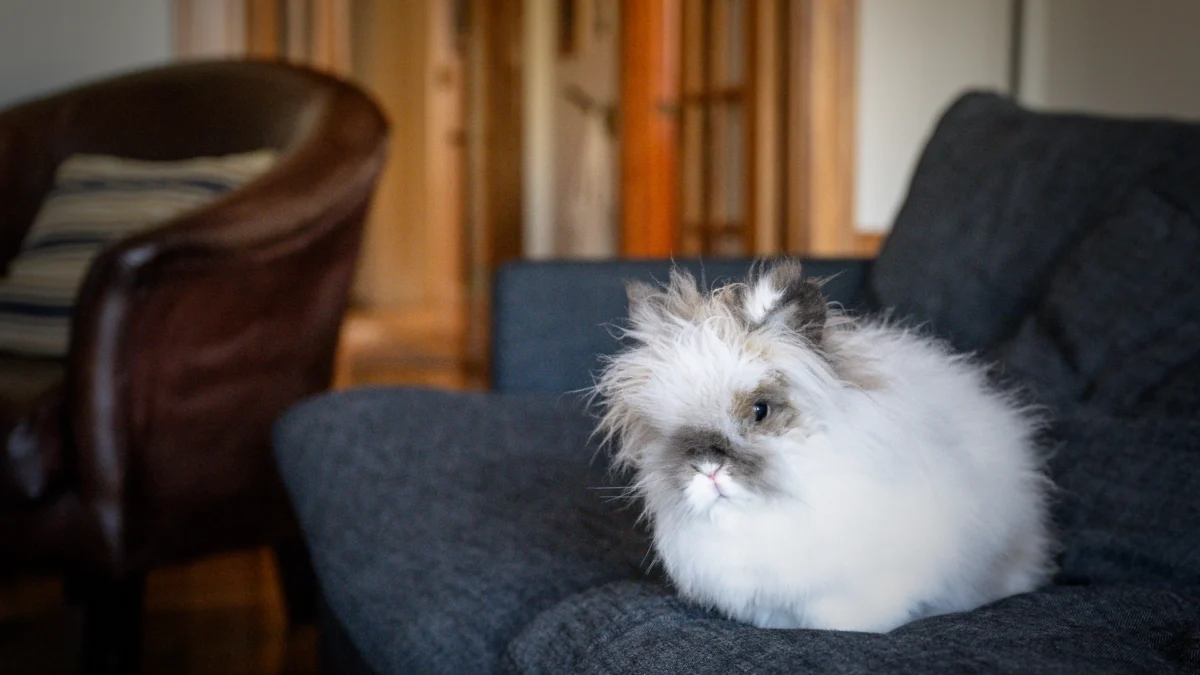
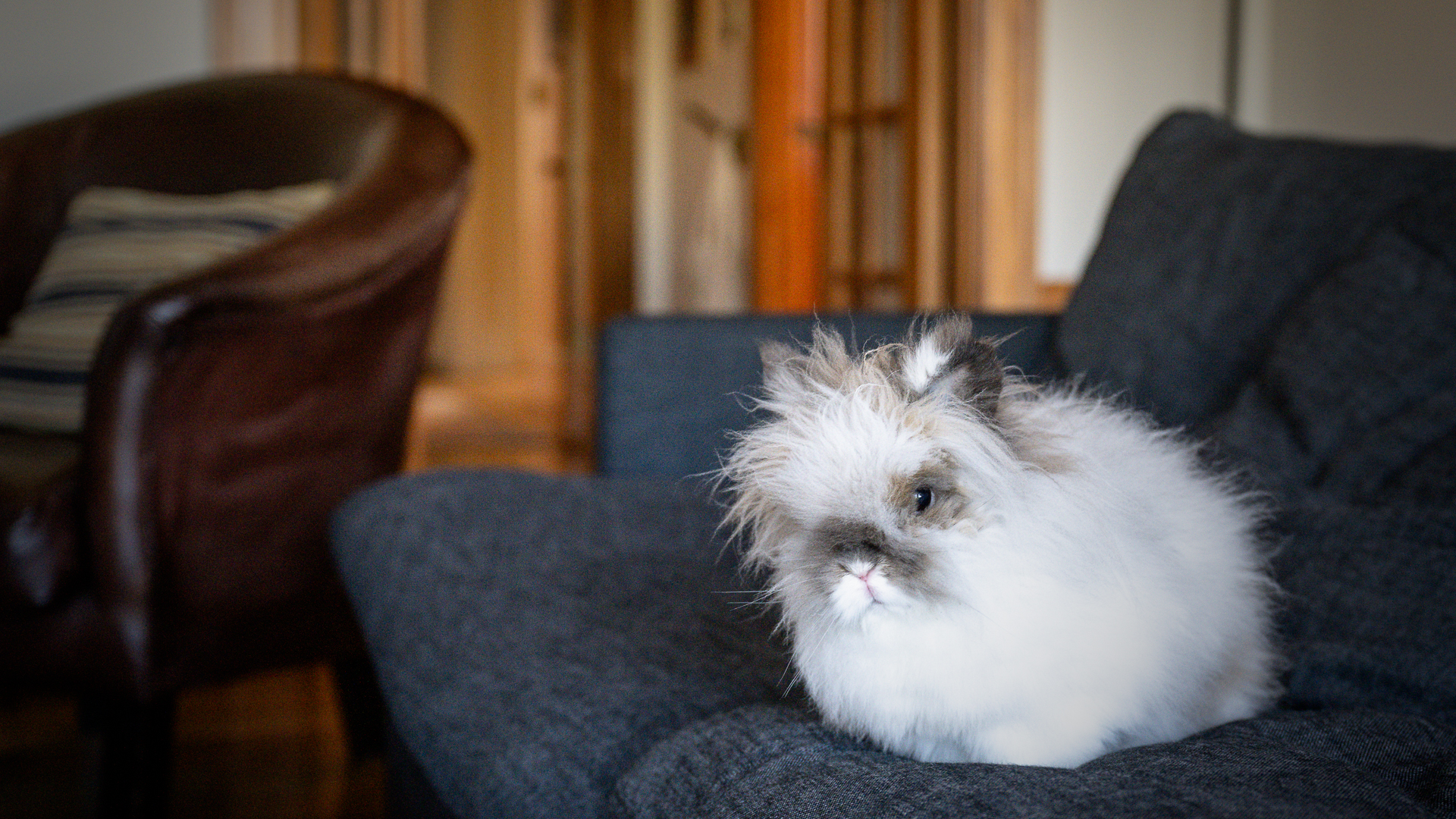
For many prospective pet owners, the first encounter with a Lionhead rabbit is nothing short of enchantment. With their soft, expressive eyes and the distinctive, luxurious "halo" of fur framing their faces like a tiny lion’s mane, these rabbits are undeniably one of the most aesthetically striking breeds in the animal kingdom. However, behind this irresistible, storybook appearance lies a complex reality that frequently leads to heartbreak, abandonment, and a mounting crisis for animal rescue organizations across the country.
The surge in the popularity of Lionhead rabbits has created a "cute-factor" trap, where the aesthetic appeal of the breed often overshadows the intensive care requirements necessary to keep them healthy. Experts warn that the gap between the perceived image of a low-maintenance pet and the reality of a high-needs companion is the primary driver behind the record numbers of these rabbits appearing in shelters.
Main Facts: The Anatomy of a High-Maintenance Breed
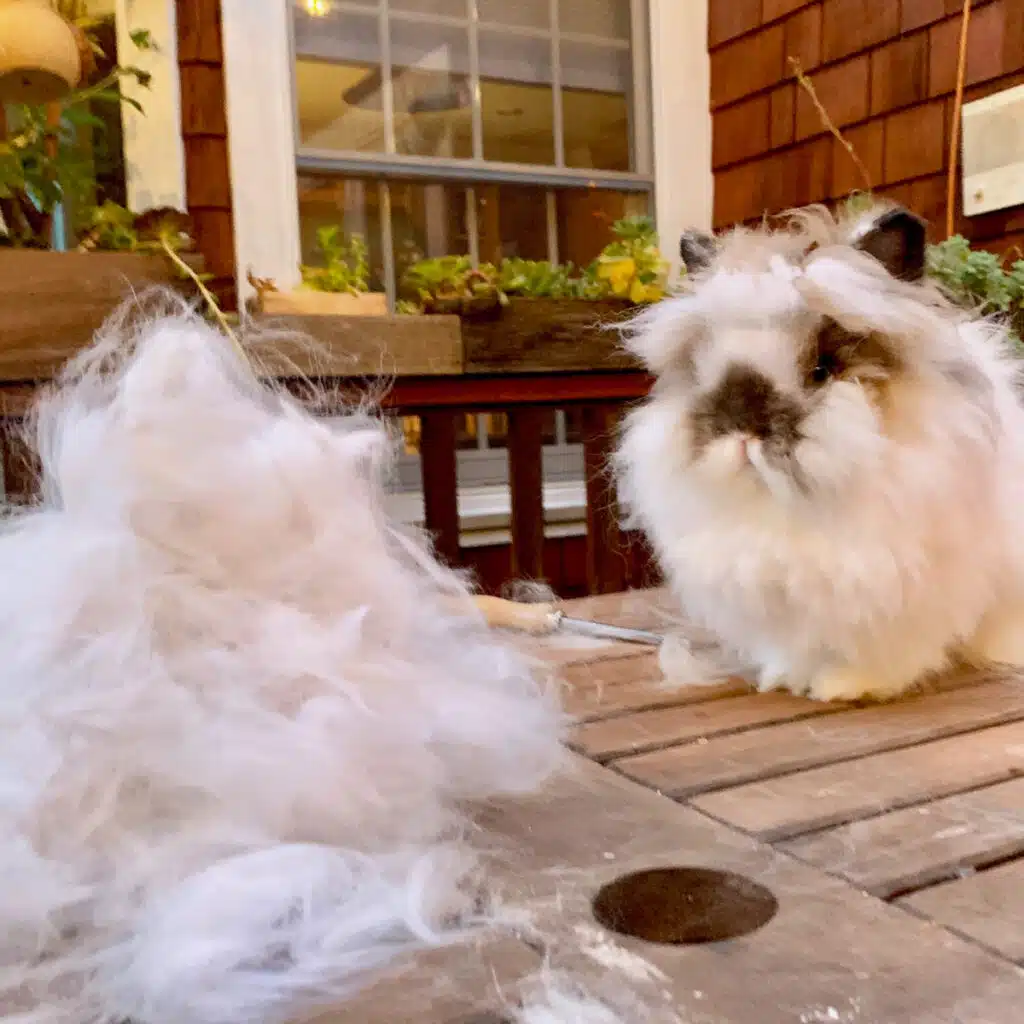
At the core of the Lionhead rabbit’s appeal is also its greatest physical challenge: its fur. The breed is characterized by its signature mane, but that genetic trait is a double-edged sword. Unlike many other domestic rabbit breeds, the Lionhead’s coat is prone to rapid matting, especially in the areas around the head, neck, and hindquarters.
When a rabbit’s fur is not managed through consistent, daily grooming, it begins to tangle. These mats are more than just a cosmetic issue; they are a medical emergency in the making. Mats tighten over time, pulling painfully against the rabbit’s delicate, thin skin. In many cases, these knots create a protective cover for skin infections, moisture buildup, and parasites. Because the skin under a mat is hidden, owners often remain unaware of the underlying injury until it has developed into an open sore or a severe dermatological condition.
Furthermore, these grooming requirements are not merely a "weekend chore." Maintaining a healthy coat requires a commitment to daily sessions. Neglecting this task can lead to:
- Flystrike: A condition where flies lay eggs in matted or soiled fur, leading to a life-threatening maggot infestation.
- Digestive Blockages: As rabbits are fastidious groomers, they inevitably ingest loose fur. If the coat is not kept brushed, the rabbit may ingest too much hair, leading to life-threatening gastrointestinal stasis.
- Reduced Mobility: Severe matting around the legs can restrict a rabbit’s movement, leading to secondary orthopedic issues and profound psychological distress.
Chronology of a Crisis: From Pet Store to Rescue
The lifecycle of a typical "impulse-buy" Lionhead follows a predictable and tragic trajectory:
- The Impulse Phase: A customer visits a retail pet store, drawn by the Lionhead’s unique appearance. The store environment often masks the reality of the animal’s needs, and staff—motivated by sales targets—frequently minimize the time and cost required for grooming.
- The Honeymoon Phase: The rabbit is brought home. For the first few weeks, the novelty of the pet remains high. However, as the rabbit begins to shed and the coat starts to show signs of matting, the owner realizes that the "cuddly" creature requires professional-grade grooming tools and significant daily labor.
- The Neglect Phase: The owner, overwhelmed by the grooming, begins to skip sessions. The rabbit, uncomfortable and potentially in pain from tightening mats, may become skittish or bite in defense, further straining the human-animal bond.
- The Surrender Phase: Within three to six months, the rabbit is often surrendered to a rescue facility. By the time they arrive, many of these rabbits are severely matted, underweight, or suffering from the systemic health consequences of long-term neglect.
Supporting Data: The Burden on Rescue Infrastructure
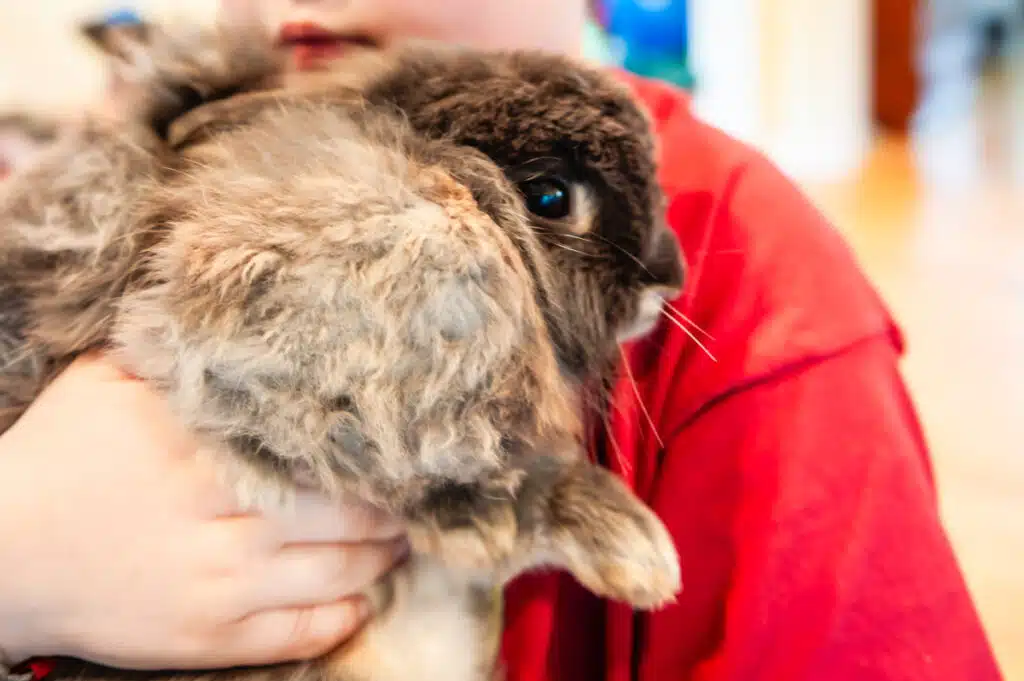
Animal welfare organizations are reporting a significant increase in the intake of "long-haired" breeds, specifically Lionheads, Jersey Woollies, and Angoras. Rescue data indicates that the cost of rehabilitating an surrendered, matted Lionhead is significantly higher than that of a standard-coat rabbit.
"When we receive a matted Lionhead, we aren’t just looking at a grooming session," says one shelter volunteer. "We are looking at sedation, potential wound care, antibiotic treatments for skin infections, and weeks of behavioral rehabilitation because the animal has been in pain for months."
The financial burden on non-profit rescues is immense. While pet stores continue to sell these animals for a profit, the cost of their eventual veterinary care, neutering, and rehabilitation falls entirely upon volunteer-run rescues. Many shelters now report that for every healthy rabbit they rehome, they are forced to turn away two others due to a lack of space and funds to manage the high-maintenance requirements of surrendered breeds.
Official Responses and Ethical Concerns
The continued sale of Lionhead rabbits in big-box retail chains—such as Petland and various farm supply stores—has sparked significant backlash from animal welfare groups, including the House Rabbit Society. The core of the criticism is that these retailers operate on a model that ignores the biological and emotional welfare of the animals.
The Problem with Commercial Retailers
Critics argue that these stores often sell rabbits that are far too young, having been separated from their mothers prematurely. These animals are often unspayed or unneutered, contributing to the cycle of overbreeding and pet homelessness. Furthermore, the lack of education provided to consumers is cited as a form of "predatory selling."
The Call for Legislative Reform
Activists are increasingly calling for legislation to prohibit the sale of rabbits in retail stores. By moving toward an "adopt, don’t shop" model, advocates believe the market for impulse-purchased animals will collapse, forcing breeders to adopt more ethical standards and ensuring that only those truly prepared for the commitment of rabbit ownership move forward with adoption.
Petitions, such as those aimed at major retailers, seek to force a corporate policy change. "We are asking for a fundamental shift in how society views these animals," says a representative from a national rabbit advocacy group. "They are not disposable toys or holiday gifts. They are sensitive, intelligent, and long-lived companions."
Implications: The Future of Rabbit Guardianship
The implications of this crisis are twofold: a need for immediate reform in how animals are sold, and a long-term shift in consumer culture.
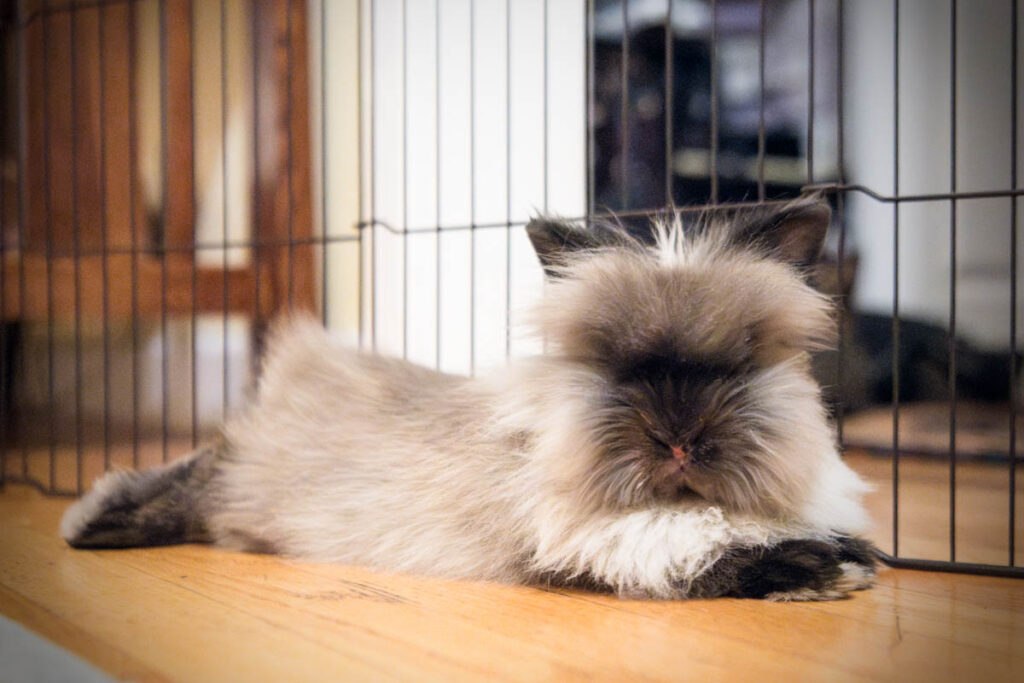
For those who are prepared for the reality of ownership, the Lionhead rabbit can be a deeply rewarding, affectionate, and curious companion. When kept in a spacious, indoor environment with a proper diet—consisting primarily of high-quality grass hay, fresh greens, and a controlled amount of pellets—they thrive. They are social animals that often form strong bonds with their human guardians, provided those guardians invest the time to understand their specific, breed-defined needs.
However, the "Lionhead phenomenon" serves as a cautionary tale about the intersection of social media trends, commercialization, and animal welfare. The aesthetic appeal of a breed should never dictate its popularity in the marketplace. Instead, prospective owners must prioritize the animal’s biological reality.
Moving Forward
If you are considering adding a rabbit to your home, the most ethical path is to consult your local rescue organization. Adoption counselors provide a vital service: they can educate you on the specific grooming tools required, demonstrate how to perform a "health check" on your rabbit, and help you find an individual whose personality and needs match your lifestyle.
By choosing to adopt, you are not only saving a life; you are opting out of a cycle of exploitation. With patience, proper grooming, and a commitment to education, the care of a Lionhead rabbit can transform from a "burden" into a beautiful, life-enriching experience. But it is a commitment that must be entered into with eyes wide open—recognizing that the true beauty of a Lionhead is not just in its mane, but in the compassionate stewardship of its life.