
"Baby bunny" is a term that evokes images of soft, twitching noses and gentle companionship. However, behind the endearing aesthetic lies a profound responsibility that demands patience, specialized knowledge, and a commitment to animal welfare. Whether you have stumbled upon a nest in your backyard or are preparing to welcome a young rabbit into your home, the margin for error is razor-thin. This guide serves as a definitive resource for navigating the complexities of rabbit development, rescue, and lifelong care.
Main Facts: Defining the "Kit"
In the lexicon of rabbit husbandry, a baby rabbit is formally referred to as a "kit" or "kitten." While domestic rabbits (Oryctolagus cuniculus) and wild cottontails share a common biological framework, their paths diverge significantly in terms of care requirements.
The primary distinction is one of independence and environment. Domestic rabbits are highly social, domesticated animals that require indoor housing, precise dietary management, and consistent human interaction. Wild rabbits, conversely, are biologically programmed for survival in nature; they are solitary, skittish, and notoriously difficult to rehabilitate in a domestic setting.

A critical rule of thumb for any animal advocate: Wild babies are rarely abandoned. Nature has evolved specific strategies for the survival of the species, and human interference is often the most dangerous variable in a young rabbit’s life.
Chronology: The Developmental Lifecycle
Understanding the developmental timeline of a rabbit is essential for determining appropriate care.
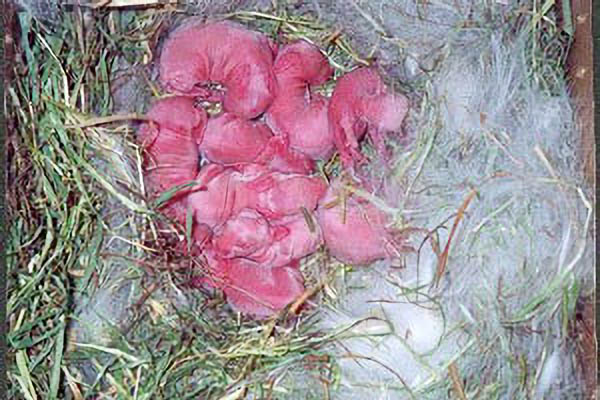
- Birth to 3 Weeks: Kits are born altricial—hairless, blind, and entirely dependent on their mother. They remain in a shallow nest, typically underground or tucked into dense vegetation. The mother only visits the nest once or twice a day, usually at dawn and dusk, to nurse them. This is a survival mechanism to avoid drawing predators to the nest.
- 3 to 6 Weeks: Kits begin to explore the perimeter of the nest. Their eyes open, their fur develops, and they start nibbling on grass and vegetation. During this stage, they are transitioning from exclusive dependence on mother’s milk to solid foods.
- 6 to 8 Weeks: This is the critical weaning window. Proper gut development is dependent on the consumption of mother’s milk, which provides essential antibodies and healthy digestive flora. Separating kits from their mother before the eight-week mark is a primary cause of digestive failure, chronic enteritis, and "failure to thrive" syndrome.
- 8 Weeks and Beyond: The rabbit is physically weaned but remains a juvenile. This is the optimal time for socialization, litter training, and the introduction of a variety of hays and limited greens.
Supporting Data: Why "Rescuing" is Often Kidnapping
The most common mistake made by well-intentioned citizens is the "kidnapping" of wild baby rabbits. Data from wildlife rehabilitators suggests that a significant percentage of brought-in animals are healthy, uninjured, and were never actually abandoned.

The "Wait and See" Protocol
If you encounter a baby rabbit, the first step is observation. If the kit is:
- Warm to the touch: This indicates it is healthy and well-fed.
- Quiet and not vocalizing: Distress leads to high-pitched squealing; a silent bunny is usually a content one.
- In a nest: Even if the nest looks messy or exposed, it is likely where it belongs.
If the nest is intact and the baby appears uninjured, do not move it. Keep pets indoors and maintain a distance of at least 50 feet for 24 hours. The mother will likely return under the cover of darkness. If, however, the kit is cold, injured, bleeding, covered in fly eggs (a sign of severe neglect or illness), or the mother is known to be dead, immediate intervention is required. In these instances, contact a licensed wildlife rehabilitator immediately; do not attempt to feed them, as improper feeding techniques often lead to fatal aspiration pneumonia.
Official Perspectives: The Case for Adoption
The rabbit advocacy community, led by organizations such as the House Rabbit Society, maintains a firm stance on the sourcing of domestic rabbits.

Why Avoid Pet Stores?
Pet stores often prioritize profit over welfare. Young rabbits sold in these environments are frequently separated from their mothers too early, poorly socialized, and often come with undisclosed health conditions. Furthermore, the mass-breeding of rabbits for the retail pet trade exacerbates the overpopulation crisis in shelters.
The Superior Choice: Rescue and Shelter Adoption
The most ethical path is to partner with a reputable rabbit rescue. Rescues often operate as foster networks, where pregnant rabbits or orphaned litters are raised in home environments.
- Health Verification: Rescues ensure that rabbits receive veterinary screenings, vaccinations, and parasite treatments.
- Socialization: Foster parents monitor the behavioral development of the kits, ensuring they are well-adjusted to human presence.
- Spay/Neuter: Most reputable rescues will not adopt out an animal until it has reached the appropriate age for sterilization, preventing accidental litters and reducing the risk of reproductive cancers.
Implications: The Reality of Ownership
Welcoming a baby bunny into your home is not a short-term commitment. Rabbits can live for 8 to 12 years. Their physical and psychological needs are as demanding as those of a dog or cat, yet they require specialized "exotic" veterinary care.
The Digestive Imperative
The rabbit’s gastrointestinal system is highly sensitive. The cornerstone of a healthy rabbit diet is unlimited high-quality grass hay (Timothy, Orchard, or Meadow hay). This provides the fiber necessary for constant gut motility. Without it, rabbits develop GI stasis—a life-threatening condition where the digestive tract slows down or stops.
Socialization and Environment
Rabbits are prey animals; they are naturally skittish and require a sanctuary space. They are not "cage pets." They thrive in environments where they have room to stretch, jump, and explore safely. Litter box training is entirely possible, as rabbits are naturally inclined to choose a consistent spot for elimination, but it requires patience and a "positive reinforcement" approach.
Health Red Flags
Because rabbits are prey animals, they are masters at masking illness. By the time a rabbit appears lethargic or stops eating, they are often in a critical state. Owners must monitor for:

- Anorexia: A rabbit that stops eating for even 12 hours is a medical emergency.
- Changes in Fecal Output: A lack of stool or unusually small, hard droppings indicates a digestive blockage.
- Neurological Signs: Head tilts, rolling, or loss of balance require immediate neurological assessment.
Concluding Guidance
Raising a baby bunny, whether through the accidental discovery of a wild nest or the intentional adoption of a domestic companion, is a journey of education. If you are caring for a domestic kit, your primary goal is to provide a stress-free environment, high-quality nutrition, and early, gentle socialization. If you are dealing with a wild kit, your goal is to minimize human impact and facilitate a return to the wild.
In both scenarios, the "rabbit-savvy" veterinarian is your greatest ally. Never rely on generic pet store advice; instead, seek out professionals who specialize in lagomorph medicine. The life of a rabbit is fragile, but with the right stewardship, it is a life characterized by deep bonds, curiosity, and the unique, quiet joy that only a rabbit can provide.
For those interested in further resources, visit the official databases of local rabbit rescue societies, where you can find specific protocols for diet, housing blueprints, and directories for exotic animal clinics in your region.