

As the landscape of American pet ownership continues to evolve, companion rabbits have solidified their position as a unique and significant subset of the household animal population. In 2025, the American Veterinary Medical Association (AVMA) released updated figures that provide a fascinating glimpse into the lives of these long-eared companions. With approximately one million U.S. households currently providing a home to at least one rabbit, the data suggests that while ownership numbers have shifted over the decades, the cultural significance of the rabbit as a cherished pet remains steadfast.
Main Facts: The 2025 Landscape
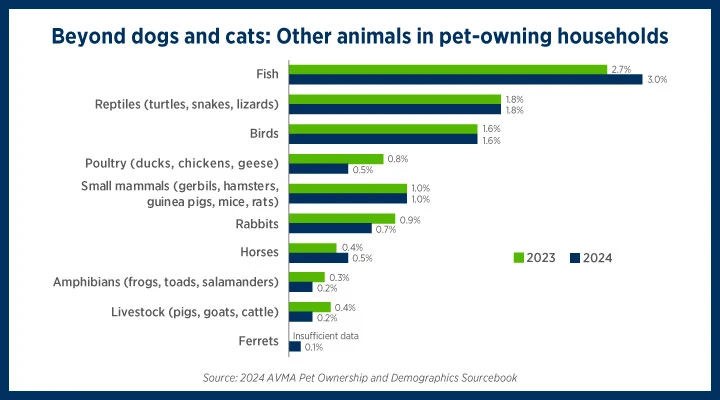
According to the most recent data summarized from the AVMA’s 2024 Pet Ownership & Demographics report, roughly 0.7% of households across the United States are home to rabbits. This figure places the rabbit in a distinct category—neither as ubiquitous as the canine or feline, nor as niche as more exotic reptilian or avian companions.
The current estimate of one million households reflects a moderate contraction from previous peak years, yet it underscores a dedicated demographic of caretakers. These households are increasingly comprised of younger generations, specifically Millennials and Gen Z, who have shown a marked preference for "exotic" or small-mammal companions. This demographic shift is not merely coincidental; it aligns with broader trends in urban living, where space constraints often favor the smaller footprint of a rabbit over a larger dog or free-roaming cat.
A Chronological Perspective: Decades of Data
To understand the current state of rabbit ownership, one must look at the historical trajectory provided by decades of survey data. The population of pet rabbits has seen significant fluctuations since the late 1990s.
The Late 20th Century (1991–2000)
In the early 1990s, the popularity of rabbits was on the rise. In 1991, approximately 1.5% of U.S. households cared for an estimated 4.6 million rabbits. By the turn of the millennium, this figure had climbed. In 2000, 1.6% of households reported rabbit ownership, with the total population of pet rabbits reaching 5.3 million. This period marked a transition where rabbits began to be viewed more frequently as indoor, house-trained companions rather than backyard hutch animals.

The Early 2000s Peak (2001–2010)
The early 2000s represented a zenith in terms of sheer numbers. Data from 2002 and 2007 consistently showed that between 1.8 million and 2.2 million households included rabbits. The 2007 AVMA and APPA surveys recorded an impressive 6.1 million pet rabbits in the United States. During this decade, industry experts noted that rabbits had officially surpassed hamsters to become the most popular "small animal" pet in the country, trailing only cats and dogs in the hierarchy of companion mammals.
The Modern Adjustment (2011–2025)
Following the 2010 peak, where an estimated 6.6 million rabbits resided in American homes, the numbers began a gradual decline. By 2012, the AVMA reported that 1.2% of households—roughly 1.2 million—were home to approximately 3 million rabbits. This trend of consolidation continued into 2017 and 2022, holding steady at around 1.5 million households before the 2025 dip to the current one-million-household mark.
Supporting Data: Understanding the Trends
The decline in the total number of pet rabbits is often attributed to a shift in acquisition sources and educational awareness. Historically, a significant portion of the rabbit population was sourced from pet stores, often leading to impulse purchases. However, data from the 2013–2014 period showed a 42% decline in pet store sales, signaling a shift toward more responsible acquisition.
Current data indicates that approximately 25% of all pet rabbits are now acquired through adoption, a testament to the success of rescue organizations and educational initiatives that promote the "adopt, don’t shop" philosophy. The remaining population is sourced through various other channels, including private breeders and direct rehoming.
Furthermore, the average number of rabbits per household has shifted. In the early 2000s, some surveys suggested as many as 3.3 rabbits per household; today, that number has stabilized at a lower, more manageable average. This suggests a move toward higher-quality care, where owners focus on the welfare of one or two rabbits rather than maintaining larger, often under-supervised groups.
Official Responses and Industry Insights
Industry organizations, including the AVMA and the American Pet Products Association (APPA), interpret these fluctuations as a sign of a maturing market. The APPA’s 2022 Pet Owners Survey highlights that while the total number of households with rabbits may have decreased compared to the 2010s, the "Small Animal" category remains a multi-million-household industry, with 6.7 million households reporting the ownership of some form of small animal.
The shift toward younger owners, as reported by outlets such as Forbes, indicates that the rabbit’s future is tied to modern lifestyle preferences. Younger owners are generally more digitally connected, leading to better access to information regarding rabbit nutrition, behavior, and veterinary needs. This access to information often leads to fewer, but better-cared-for, pets.
Implications for the Future
What do these statistics mean for the future of the American house rabbit?
1. Veterinary Accessibility
The primary implication of a shifting population is the demand for specialized veterinary care. Because rabbits are classified as "exotic" pets, they require specialized knowledge. As the number of rabbit-owning households stabilizes, there is a parallel need for veterinary practices to continue expanding their capacity to treat these animals. The industry is currently responding to this by emphasizing specialized training for practitioners.
2. Welfare and Rescue
The decline in pet store sales is a positive development for animal welfare. It reduces the number of impulsive, ill-prepared adoptions. However, it places a higher burden on animal rescues, which are now the primary conduits for new rabbit owners. The shift suggests that the future of the species as a companion will be defined by the strength of the rescue network and the educational outreach provided by these organizations.

3. Urbanization and Housing
As the United States continues to urbanize, the "small pet" status of the rabbit becomes an asset. Unlike dogs, which may require significant outdoor space, rabbits are highly adaptable to apartment living. We can expect that the percentage of households with rabbits will likely remain stable or see modest growth, as they continue to be the perfect "middle ground" for urban professionals who desire a companion animal but face limitations on space.
4. Cultural Perception
Finally, the transition of the rabbit from a "starter pet" for children to a recognized, intelligent companion for adults is nearly complete. The decrease in total population numbers is likely a reflection of the "quality over quantity" shift. When fewer people buy rabbits on a whim, there are fewer rabbits surrendered to shelters. This indicates a more sustainable model of companionship that benefits both the animals and their human counterparts.
Conclusion
The data from 2025 confirms that while the rabbit population in the United States has undergone significant adjustments since its early-2000s peak, the animal remains a vital part of the American pet landscape. With one million households committed to their care, the focus has shifted from high-volume ownership to a more informed, welfare-conscious approach. As Gen Z and Millennials continue to integrate these gentle, intelligent creatures into their lives, the future of the companion rabbit appears to be one of deeper connection and improved living standards. The historical data serves not just as a record of numbers, but as a map of our changing relationship with the animals that share our homes.