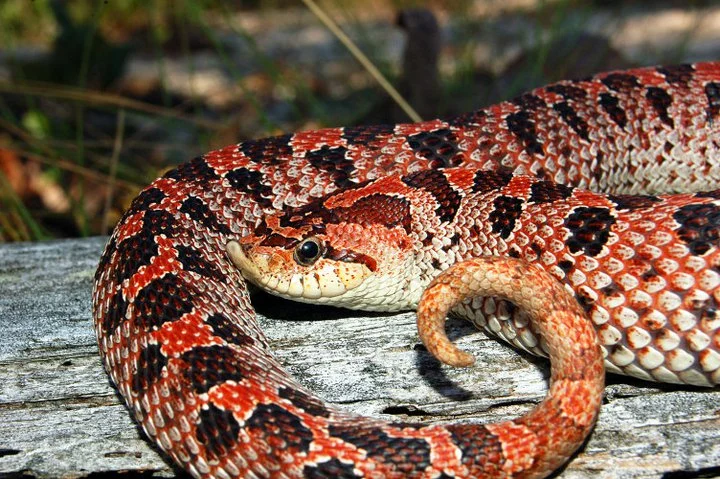
The United States Fish and Wildlife Service (USFWS) has signaled a pivotal moment in the conservation of the southern hognose snake (Heterodon simus). Today, June 25, the agency is hosting a virtual public hearing to gather input on the potential listing of this elusive, fossorial species as "threatened" under the Endangered Species Act (ESA). The hearing, conducted via Zoom, marks a critical step in the federal government’s ongoing evaluation of the snake’s population health and habitat viability across the southeastern United States.
Main Facts: The Proposed Listing and Hearing Details
The USFWS is actively seeking to determine whether the southern hognose snake warrants federal protection. The species, known for its distinct upturned snout and unique defensive behaviors, has faced increasing pressure from habitat loss, fragmentation, and shifts in ecosystem dynamics within its limited range.
Hearing Schedule and Participation
The public hearing is scheduled for today, June 25, beginning at 5:00 p.m. EST and concluding at 7:00 p.m. EST. The USFWS has opted for a virtual format to ensure the broadest possible participation from researchers, conservationists, landowners, and the general public. Interested parties are encouraged to register via the official Zoom portal.
The agenda for the hearing is structured to provide transparency regarding the federal regulatory process. It will feature:
- An Educational Presentation: An overview of the biological characteristics and current status of the southern hognose snake.
- Regulatory Context: A detailed breakdown of the "status assessment" conducted by the USFWS.
- Proposed Rule Review: An explanation of what a "threatened" designation would mean for the species and the regional stakeholders involved.
Chronology: From Initial Proposal to Reopened Comment Window
The trajectory toward federal protection for H. simus has been marked by scientific study and administrative review.
The August 2025 Proposal
The USFWS initially moved to propose the southern hognose snake for listing under the Endangered Species Act in August 2025. This move was predicated on extensive population surveys and habitat mapping that indicated a downward trend in sighting frequency and available territory.
The Request for a Public Hearing
Following the initial proposal, the USFWS received formal requests for a public hearing—a standard procedural milestone under the Endangered Species Act. When stakeholders or the public demand a hearing, federal protocol mandates that the agency reopen the public comment period. This allows the agency to incorporate new information presented during the hearing into the final administrative record.
Extended Timeline
The current comment period has been reopened to accommodate this process, with the USFWS accepting submissions until July 8, 2026. It is important to note that any comments submitted during the original period remain part of the permanent official record; therefore, repeat submissions are not required unless new information is being provided.
Supporting Data: Understanding the Southern Hognose Snake
The southern hognose is a small, non-venomous colubrid snake, typically measuring between 14 and 24 inches. While they are often overlooked due to their shy nature and subterranean habits, they play a specific, vital role in the ecology of the southeastern United States.
Ecology and Habitat
The species is endemic to the southeastern U.S. and relies heavily on specific soil types for burrowing. Their preferred environments include:
- Longleaf Pine Sandhills: These fire-maintained ecosystems provide the sandy soil and sparse vegetation the snake requires.
- Upland Pine Forests and Scrublands: Key environments that offer thermoregulation opportunities and protection from predators.
- Disturbed Areas: While sensitive, they are occasionally found in overgrown pastures and dry river floodplains, provided the soil composition allows for nesting and hibernation.
Diet and Behavior
The "hognose" moniker comes from their modified rostral scale, which acts as a shovel for digging. Their diet is highly specialized, consisting primarily of toads, frogs, and small mice. Like their relatives, when threatened, they are known for a dramatic defensive display—flattening their necks like a cobra and, in extreme cases, playing dead.
The Genus Heterodon: A Broader Context
The southern hognose is one of several North American species in the Heterodon genus. Understanding the distinctions between these species helps in appreciating why the southern hognose is considered uniquely vulnerable:
- Eastern Hognose (H. platirhinos): The most widespread species, known for its incredible color polymorphism and dramatic defensive bluffing.
- Western Hognose (H. nasicus): Perhaps the most famous member of the genus in the hobbyist community. It is widely captive-bred and recognized for its compact size and docile temperament.
- Mexican Hognose (Heterodon kennerlyi): A smaller, distinct species that occupies the arid regions of the Southwest and northern Mexico.
The southern hognose is the most geographically restricted of these, making it the most susceptible to localized extinction events.
Official Responses and Administrative Implications
The decision to reopen the comment period is a reflection of the USFWS’s commitment to "best available science" and public transparency.
The Regulatory Process
Under the Endangered Species Act, a "threatened" status is distinct from an "endangered" status. A "threatened" designation means the species is likely to become an endangered species within the foreseeable future throughout all or a significant portion of its range. By moving toward this classification, the USFWS aims to implement protective measures before the population reaches a point of near-irreversibility.
Implications for Landowners and Industry
The potential listing carries weight for landowners in the Southeast. If the snake is officially listed, the USFWS may implement restrictions regarding land development, particularly in longleaf pine regions where habitat fragmentation is a primary concern. The agency emphasizes that the public hearing is the optimal time for stakeholders—such as developers, farmers, and conservationists—to voice concerns or provide data that could shape the final management plan.
Call for Public Engagement
The USFWS has reiterated that the quality of comments is as important as the quantity. The agency is specifically looking for:
- Information regarding the distribution and abundance of the southern hognose.
- Data on the impact of current land-use practices on H. simus populations.
- Suggestions for habitat conservation or restoration that minimize economic disruption while ensuring the species’ survival.
Conclusion: A Critical Window for Conservation
The situation surrounding the southern hognose snake is emblematic of the challenges facing biodiversity in the southeastern United States. As urbanization and agriculture continue to expand, the margins for sensitive, endemic species shrink.
By holding this public hearing and extending the comment period, the USFWS is providing a platform for a comprehensive dialogue. Whether the outcome results in a "threatened" listing or alternative conservation strategies, the process underscores the necessity of public oversight in federal wildlife management.
For those wishing to contribute to the official record, the deadline of July 8, 2026, is fast approaching. The survival of this unique, toad-eating, burrowing specialist may well depend on the information gathered in the coming weeks. For more information on care, breeding, and the broader context of these fascinating reptiles, stakeholders and hobbyists are encouraged to consult resources like Reptiles Magazine and the official USFWS Endangered Species Act portal.
As the hearing commences today, the scientific and conservation communities will be watching closely, awaiting the insights that will ultimately determine the future of Heterodon simus.