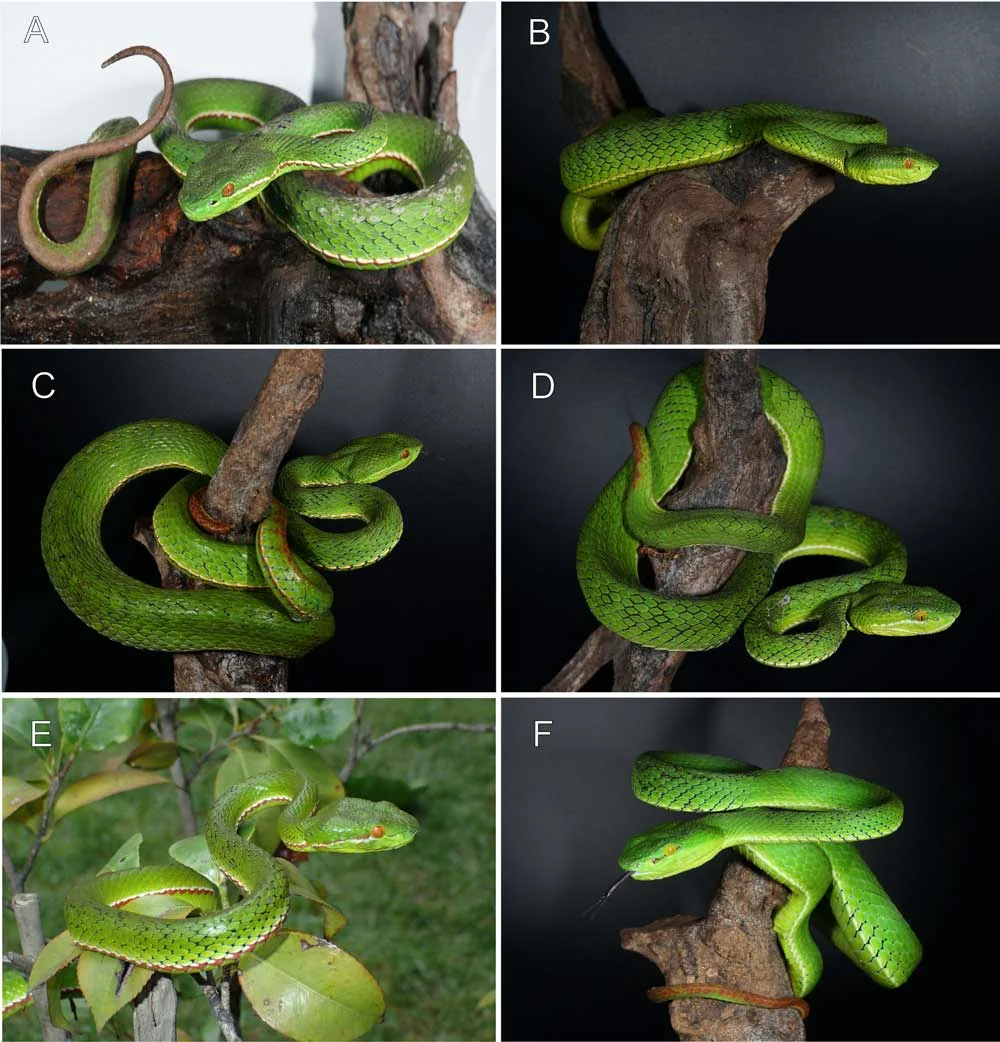
In the biodiverse swamplands and flowing waterways of North Carolina’s Coastal Plain and Sandhill regions, a quiet crisis is unfolding beneath the surface. The North Carolina Wildlife Resources Commission (NCWRC) has issued a formal call to action, urging outdoor enthusiasts, herpetologists, and the general public to assist in a critical data-gathering mission. The objective is to document sightings of the rainbow snake (Farancia erytrogramma), a secretive, non-venomous reptile whose population numbers are suspected to be in significant decline.
As conservationists race to understand the status of this elusive species, the call for public participation serves as a vital tool in mapping the current distribution of these snakes. With limited historical data and the challenges inherent in tracking a primarily aquatic, burrowing creature, the state is turning to citizen science to fill the gaps in its ecological intelligence.
The Main Facts: An Elusive Resident of the Coastal Plain
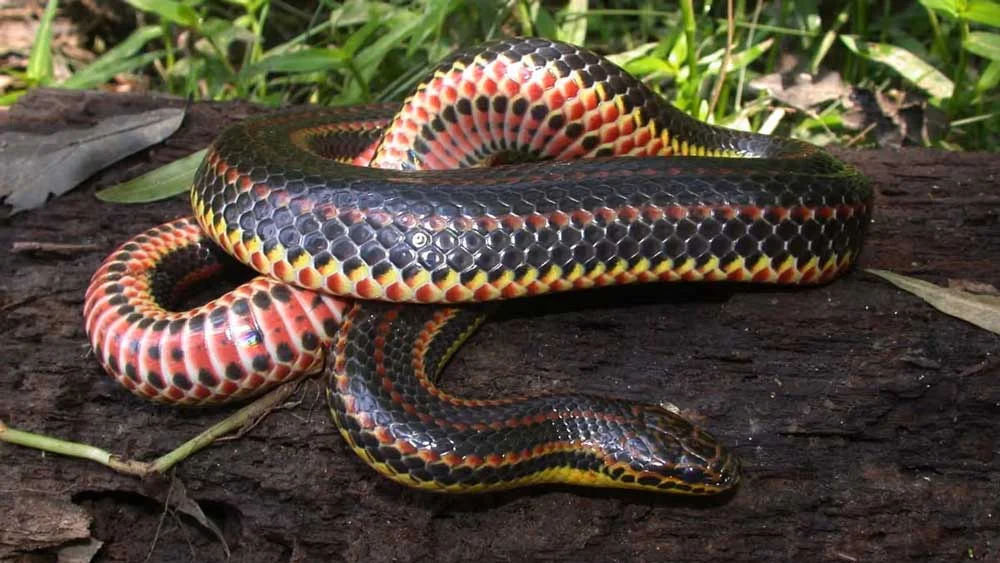
The rainbow snake, often colloquially referred to as the "eel moccasin," is a striking member of the colubrid family. Known for its glossy, iridescent scales and vibrant longitudinal stripes of red and yellow against a black background, it is a visually stunning inhabitant of North Carolina’s wetlands. Despite its beauty, it is rarely seen by the average person, primarily due to its secretive, nocturnal, and highly aquatic lifestyle.
Defining Characteristics
- Physical Stature: These snakes typically reach lengths between 36 and 48 inches (91–122 cm), though exceptional specimens have been documented growing up to 66 inches (168 cm).
- Behavioral Ecology: The rainbow snake is both a powerful swimmer and a proficient burrower. It is specialized for life in tidal mudflats, slow-moving creeks, marshes, and lakes.
- Dietary Specialization: Unlike many other colubrids that maintain a varied diet, the rainbow snake is a dietary specialist. Its survival is intrinsically linked to the presence of the American eel (Anguilla rostrata), though it will occasionally consume frogs, tadpoles, and other amphibians.
The core of the NCWRC’s concern lies in this dietary reliance. Because the rainbow snake is so dependent on the American eel, it functions as an "indicator species." When the eel population falters, the rainbow snake is often the first to suffer the consequences.
Chronology of a Disappearing Species
The decline of the rainbow snake did not happen overnight; it is the result of decades of environmental shifts and habitat alteration. To understand the gravity of the current situation, one must look at the historical context of the genus Farancia.
A Cautionary Tale: The Extinction of the South Florida Subspecies
The plight of the rainbow snake is underscored by the tragic history of its relative, the south Florida rainbow snake (Farancia erytrogramma seminola). This subspecies, once documented in the Fisheating Creek area of Glades County, Florida, was officially declared extinct in 2011.
The timeline of that extinction is a stark reminder of what happens when conservation efforts are delayed:
- 1952: The final documented sighting of the south Florida rainbow snake occurred, leaving researchers with no evidence of the population for decades.
- 2011: After exhaustive, unsuccessful surveys and an assessment of its isolated habitat, the scientific community officially classified the subspecies as extinct.
This loss serves as a "canary in the coal mine" for the North Carolina population. While the North Carolina subspecies remains extant, biologists are eager to prevent a repeat of the 1952-to-2011 trajectory that saw a unique genetic lineage vanish from the American landscape.
Supporting Data: The Collapse of the American Eel
The primary driver behind the decline of the rainbow snake in North Carolina is the precipitous drop in the availability of the American eel. The relationship between the two species is so tight that the snake’s foraging strategy is essentially built around the life cycle of the eel.
Factors Contributing to the Eel Crisis
The decline of the American eel is a complex, multifaceted issue involving several anthropogenic factors:
- Barrier Construction: The proliferation of dams and other riverine barriers prevents the catadromous American eel from migrating between freshwater rivers and the ocean, effectively cutting off breeding populations.
- Pollution and Habitat Degradation: As a species sensitive to water quality, the American eel has been decimated by agricultural runoff, industrial pollution, and the loss of the complex aquatic vegetation they require for shelter.
- Pathogens and Parasites: Emerging diseases and the introduction of non-native parasites have further stressed eel populations across their range.
- Commercial Exploitation: A significant, often overlooked pressure is the demand for "glass eels" (juvenile eels) for the international export market, particularly for the Asian aquaculture industry, where they are raised for human consumption and the pet trade.
Because the rainbow snake cannot simply switch to a new prey source, the loss of the eel is effectively a loss of the snake’s primary caloric intake, leading to reduced reproductive success and population thinning.
Official Responses and Conservation Strategy
The North Carolina Wildlife Resources Commission is taking a proactive, data-driven approach to address these challenges. By soliciting reports from the public, the Commission aims to create a high-resolution map of current rainbow snake occupancy.
Why Public Reporting Matters
Biologists acknowledge that they cannot be everywhere at once. The "herping" community—those who spend time searching for reptiles and amphibians—possesses a unique set of skills and a level of field presence that state agencies cannot replicate. By incentivizing the reporting of these sightings, the NCWRC can:
- Identify Critical Habitat: Determining where the snakes are still present allows for the identification of "refugia," or areas where the habitat remains healthy enough to support the species.
- Formulate Management Plans: Data regarding population distribution is essential for creating land-use policies, such as protected buffers around known waterways or restoration projects aimed at improving eel passage.
- Evaluate Future Monitoring: The reports help the Commission decide where to invest limited funding for long-term, intensive biological surveys.
How to Participate
The Commission has streamlined the process through a dedicated NC Wildlife Rainbow Snake reporting page. They encourage anyone who spots a rainbow snake to document the location, time, and, if possible, provide a photograph. This data is then vetted by experts to ensure accuracy, providing a robust dataset for future conservation planning.
Implications: The Broader Environmental Context
The effort to save the rainbow snake is not just about a single species; it is an effort to preserve the integrity of North Carolina’s entire riparian ecosystem.
The Indicator Species Paradigm
When a state agency mobilizes to protect a single, cryptic snake, it implies a commitment to the health of the waterways themselves. Protecting the rainbow snake requires protecting the water quality of the Coastal Plain and ensuring that rivers remain unobstructed. Consequently, the conservation measures implemented for the snake will likely benefit a host of other species, including fish, amphibians, and mammals that share these habitats.
The Role of Citizen Science
This initiative highlights the growing importance of citizen science in modern wildlife management. As state budgets for environmental monitoring are stretched thin, the collaboration between government biologists and the public becomes the primary line of defense against biodiversity loss. The "eyes on the ground" provided by hikers, kayakers, and researchers allow for a real-time assessment of environmental health that would otherwise be impossible to achieve.
A Call for Vigilance
The plight of the rainbow snake serves as a reminder that even animals that are not traditionally "charismatic" or "endangered" in the public eye require constant vigilance. The transition from a common species to an endangered one is often slow and invisible until it is too late. By acting now, the North Carolina Wildlife Resources Commission hopes to reverse the trend, ensuring that the rainbow snake continues to inhabit the waterways of the state for generations to come.
As the program moves forward, the success of the conservation effort will depend largely on the participation of those who know these landscapes best. Whether you are an experienced herpetologist or a casual observer walking along a Sandhill creek, your report could be the missing piece of the puzzle that helps secure the future of this beautiful, mysterious, and increasingly rare reptile.
For those heading into the field, the Commission offers a final piece of advice: respect the habitat, observe from a distance, and contribute your findings. In the fight against extinction, every data point counts.