By Paige K Parsons
Published by the House Rabbit Society
Main Facts
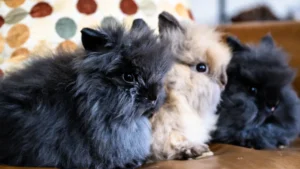
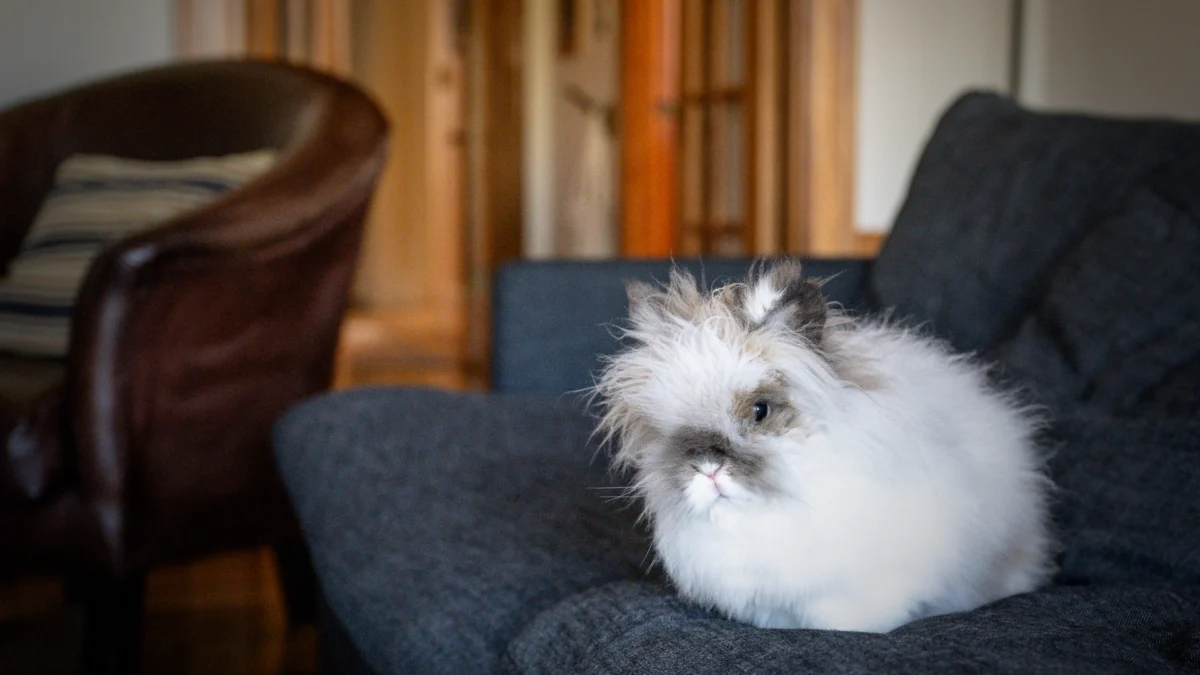
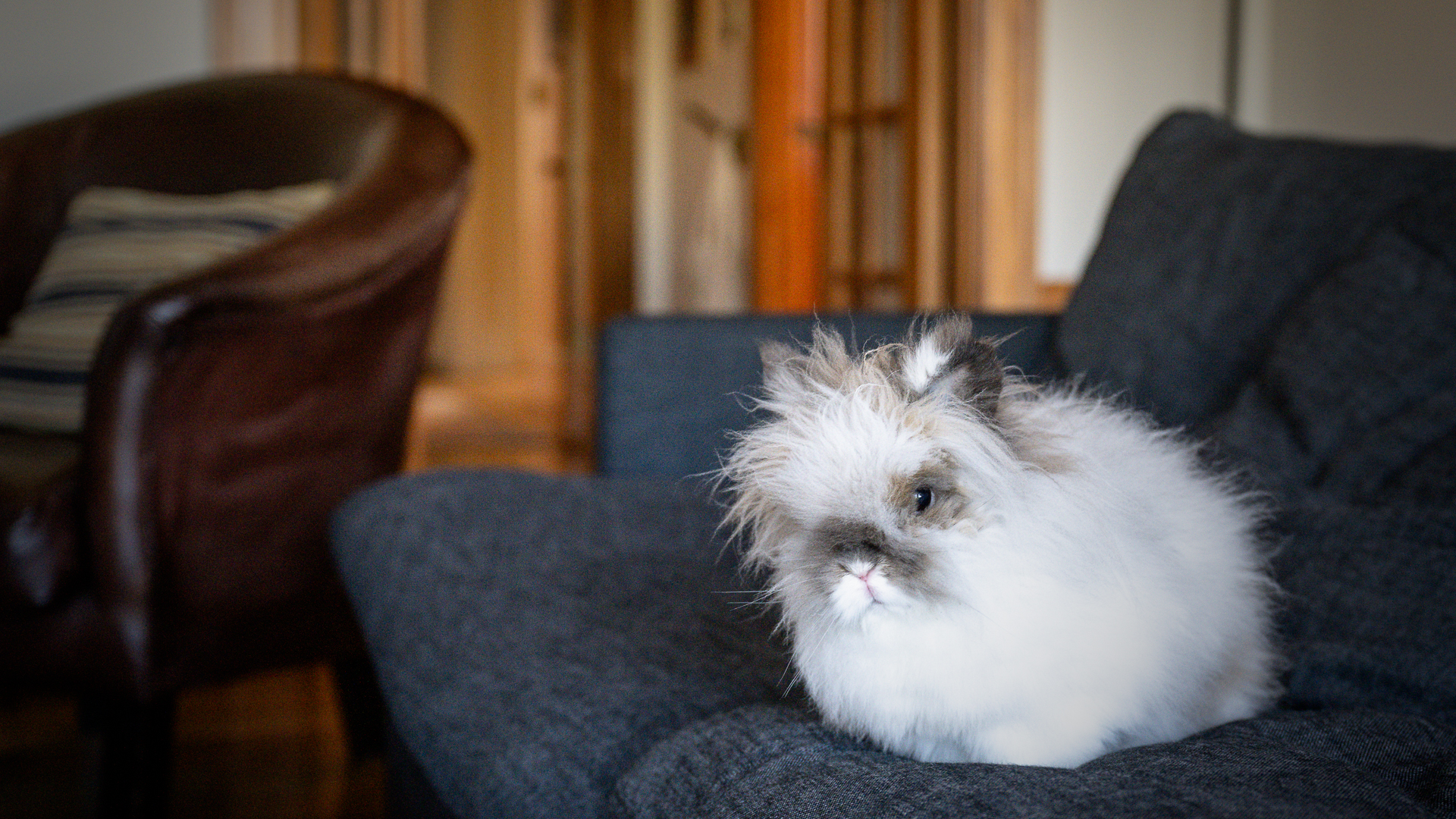
With their iconic, soft halos of fur framing their faces like miniature royal manes, Lionhead rabbits are among the most visually striking small mammals in the domestic pet trade. Their storybook appearance—combining compact bodies with expressive eyes and an unmistakable ruff of wool—makes them undeniably irresistible.
However, this exact aesthetic appeal has catalyzed a severe welfare crisis. Across North America, animal rescues and rabbit-specific shelters are reporting an overwhelming influx of surrendered Lionhead rabbits. The core issue is a tragic paradox: the very physical trait that drives people to acquire these animals—their high-maintenance, luxurious fur—is the primary reason they are eventually abandoned.
What many novice pet owners fail to realize before bringing a Lionhead home is that maintaining that signature coat is not an occasional chore, but a demanding, near-daily commitment. Without constant human intervention, a Lionhead’s fur quickly devolves into severe matting, trapping moisture and pulling painfully at the animal’s delicate skin. This neglect frequently spirals into severe medical emergencies, including flystrike, skin infections, and dangerous gastrointestinal blockages.
Compounding the issue is the commercial pet trade. Large retail chains—such as Petland, Tractor Supply, and similar suppliers—continue to sell Lionhead rabbits to impulse buyers. Often sourced from high-volume breeding mills, these young rabbits are frequently sold under-aged, unspayed or neutered, and stressed from transport, all while staff routinely downplay the specialized care the breed demands.
As rescue organizations strain under the weight of this systemic neglect, animal advocates are pushing back through education, adoption campaigns, and direct activism aimed at halting commercial rabbit sales entirely.
Chronology of an Adoption Crisis: From Impulse to Abandonment
To understand how a Lionhead rabbit transforms from a cherished impulse buy into a neglected shelter statistic, one must examine the typical timeline of a commercial pet store sale and its aftermath.
Phase 1: The Impulse Purchase (Months 0–1)
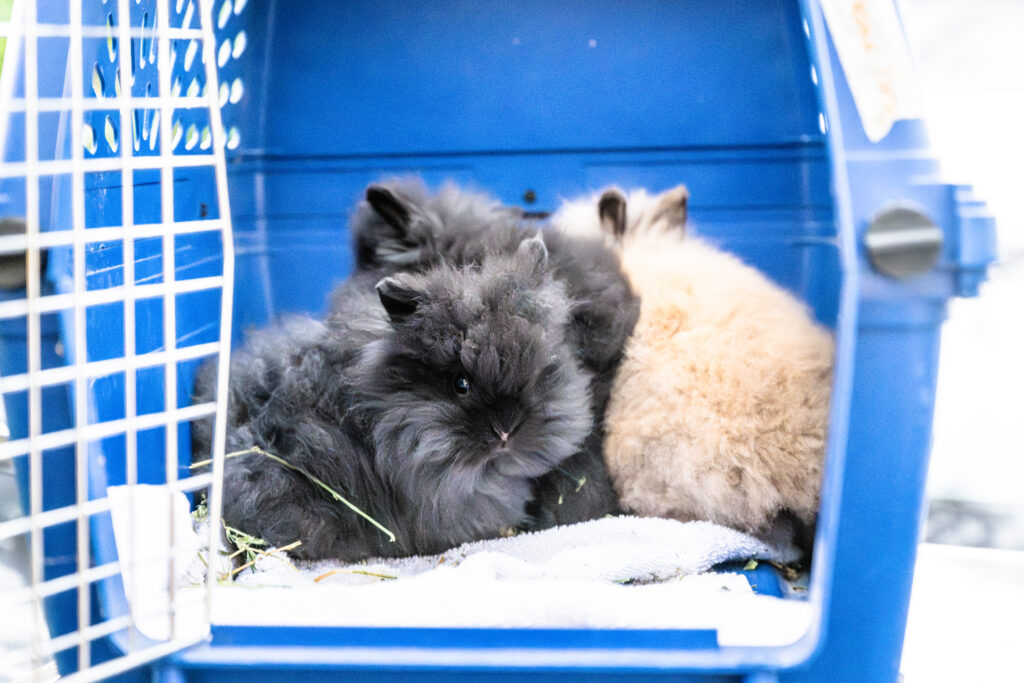
A prospective pet owner visits a commercial retail store or browsing site. Attracted by the whimsical, doll-like appearance of a juvenile Lionhead rabbit, the consumer makes an uncalculated purchase. Retail employees, often lacking specialized zoological knowledge regarding lagomorphs, frequently assure the buyer that rabbits are "low-maintenance cage pets" comparable to hamsters or guinea pigs. The buyer leaves with a baby rabbit, a small commercial cage, and little to no understanding of coat maintenance or dietary requirements.
Phase 2: The Developmental Shift (Months 2–6)
As the young Lionhead matures, its genetics assert themselves. The soft, wispy baby fur begins to transition into adult wool. Around this time, hormonal shifts associated with sexual maturity (typically occurring between 4 and 6 months of age) introduce behaviors such as territorial spraying, chewing, and digging. Simultaneously, the rabbit’s mane and skirt begin to dense up. If the owner has not established a rigorous daily brushing routine, the undercoat begins to tangle invisibly close to the skin.
Phase 3: The Matting Spiral (Months 6–12)
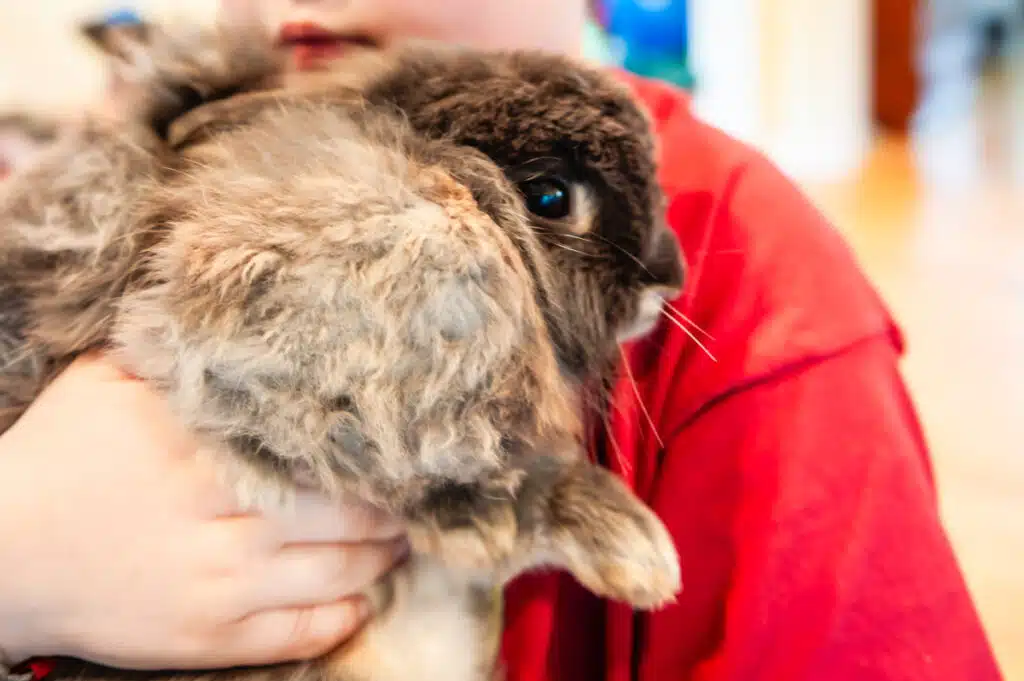
By the half-year mark, neglected fur has formed solid, felted mats. These mats act as anchors, pulling tightly on the rabbit’s epidermis. The animal experiences chronic discomfort, restricted movement, and localized pain. Urine and fecal matter easily adhere to matted areas around the hindquarters, creating an ideal breeding ground for blowflies. At this stage, the rabbit may become defensive or aggressive when handled because touch has become painful. The owner, overwhelmed by the behavioral changes, the unmanageable state of the fur, and unexpected veterinary concerns, decides to surrender the animal.
Phase 4: Intake, Medical Rehabilitation, and Rescue (One Year and Beyond)
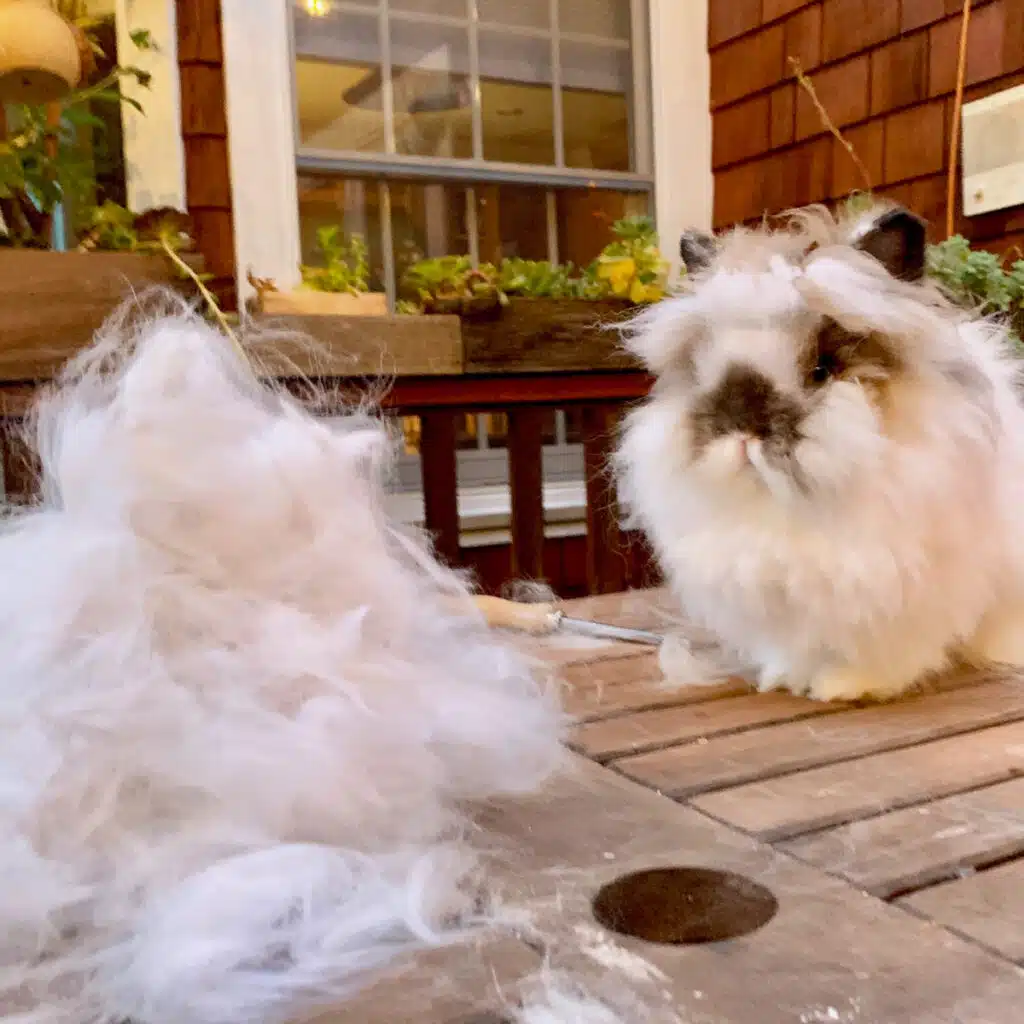
Upon entering the foster or shelter system, the Lionhead undergoes an intensive intake evaluation. Rescuers must carefully shave away severe mats—a delicate, time-consuming procedure often requiring sedation to prevent injury to the fragile rabbit skin hiding underneath. Once stabilized, neutered or spayed, and rehabilitated, the rabbit begins the long process of socialization before finally being placed into an educated, permanent home.
Supporting Data and Medical Implications
The physiological makeup of long-haired rabbit breeds like Lionheads, Jersey Woollies, Fuzzy Lops, and Angoras presents unique veterinary challenges. Unlike cats, which can safely pass small amounts of ingested fur through their digestive tracts, rabbits cannot vomit. When they groom themselves, loose hair is swallowed and enters the stomach.
The Anatomy of GI Stasis
In a healthy rabbit with a high-fiber diet of unlimited grass hay, ingested hair is generally passed through the GI tract without incident. However, when a Lionhead is experiencing a heavy molt or living with unmanaged mats, the volume of ingested fur multiplies exponentially. This excess hair combines with digested food to form dense masses known as trichobezoars (hairballs), which can cause partial or complete gastrointestinal blockages.
Gastrointestinal (GI) stasis is a life-threatening medical emergency in rabbits. When the gut slows down or stops entirely, deadly toxins build up rapidly. Symptoms include:
- Sudden refusal to eat or drink
- Absence of fecal pellets or abnormally small, stringy droppings
- Lethargy and hunched posture indicative of abdominal pain
- Cold ears and a drop in body temperature
Preventing this cascade begins with a simple act: daily brushing with the correct tools (such as specialized slicker brushes and metal combs) to remove loose dead hair before the rabbit has the opportunity to ingest it during self-grooming.
The Threat of Flystrike (Myiasis)
Another critical danger associated with matted fur is flystrike. When fur around a Lionhead’s hindquarters becomes soiled with urine or cecotropes (night feces), it emits odors that attract blowflies. These flies lay eggs directly onto the soiled fur or skin. Within hours, the eggs hatch into larvae (maggots), which begin consuming the rabbit’s flesh. Flystrike is intensely painful, rapidly fatal, and requires immediate, aggressive veterinary intervention. Proper hygiene, daily checks, and maintaining a well-groomed, clipped coat are non-negotiable aspects of Lionhead ownership that directly mitigate this risk.
Official Responses and Shelter Perspectives
Animal welfare organizations, rabbit rescues, and veterinary professionals have increasingly united in their condemnation of the commercial pet trade’s handling of lagomorphs.
Representatives from the House Rabbit Society and affiliated rescue networks emphasize that the root of the shelter overcrowding crisis lies upstream at the point of sale. Major retail corporations, critics argue, profit from the sale of exotic pets while abdicating responsibility for consumer education and animal welfare.
"When stores sell unspayed, underage rabbits without verifying that the buyer understands the dietary and grooming needs of a long-haired breed, they are directly contributing to an abandonment cycle," notes rescue intake coordinators across the country. "Rescues are left to pick up the pieces—funding expensive veterinary treatments, emergency shearings, and months of foster care for animals that never should have been treated as impulse merchandise."
In response, advocacy groups have launched targeted campaigns, such as the Stop Petland Rabbit Sales initiative and associated Change.org petitions, calling on corporate retailers to phase out the sale of rabbits entirely. Concurrently, municipal animal shelters are increasingly implementing restrictions on small-animal sales during peak holiday seasons (such as Easter) to curb the tide of impulse adoptions.
Broader Implications for Pet Ownership and Animal Welfare
The plight of the Lionhead rabbit serves as a case study in the broader ethical and practical considerations of modern pet ownership. It highlights a fundamental disconnect between aesthetic consumption—driven by social media algorithms, viral animal videos, and superficial retail displays—and the lived reality of animal husbandry.
1. The Shift Toward Adoption
Choosing to adopt rather than shop disrupts the commercial breeding mill pipeline. Ethical rescues evaluate prospective adopters, provide comprehensive education on grooming and housing, and ensure that every animal is altered, vaccinated (where applicable), and medically cleared. Adopters gain a companion whose personality is already understood by foster parents, drastically reducing the likelihood of a secondary surrender.
2. Redefining "Low-Maintenance" Pet Culture
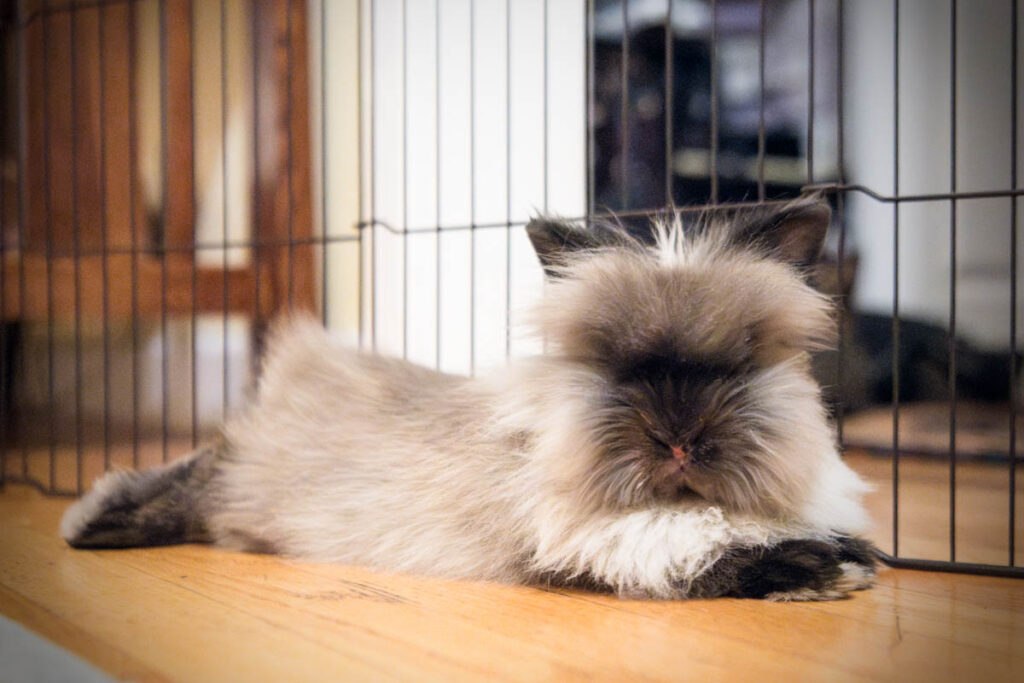
Rabbits are frequently mischaracterized as starter pets for children. In reality, they are complex, sensitive prey animals with specific environmental and behavioral needs. A proper indoor setup—such as a large exercise pen rather than a restrictive wire-bottom cage—combined with daily social interaction, fresh greens, and meticulous grooming, requires a level of dedication comparable to caring for a dog or cat.
3. Legislative and Corporate Accountability
The ongoing pressure on retailers like Petland and Tractor Supply signals a growing cultural intolerance for the commodification of vulnerable species. As public awareness shifts, corporate entities face mounting reputational risks for maintaining business models that rely on uneducated consumers and surplus animal production.
Living Successfully with a Lionhead
For owners prepared to meet their needs, Lionhead rabbits prove to be exceptionally rewarding companions. Curious, highly intelligent, and brimming with distinct personalities, they thrive in indoor environments where they can safely explore, interact with human family members, and express natural behaviors.
By prioritizing education over impulse, supporting rescue networks, and committing to the rigorous daily maintenance their magnificent manes require, rabbit enthusiasts can ensure that the Lionhead’s unique beauty remains a source of shared joy rather than a welfare burden.