Introduction and Main Facts
Summer is synonymous with sun, sand, and surf. For many human families, hitting the local pool, lake, or ocean is the ultimate way to beat the heat. Naturally, many pet owners want to include their four-legged companions in these aquatic adventures. However, a widespread misconception persists that swimming is an innate, universal skill for all dogs. In reality, not all canines are born knowing how to paddle, and introducing a dog to the water incorrectly can lead to panic, exhaustion, and, in severe cases, tragedy.
According to pet safety advocates and industry data, an estimated 10,000 dogs drown annually in the United States. The vast majority of these heartbreaking incidents occur when unattended pets accidentally fall into residential swimming pools and are unable to locate an exit. Much like humans, dogs quickly exhaust themselves when they panic and thrash about in deep water.
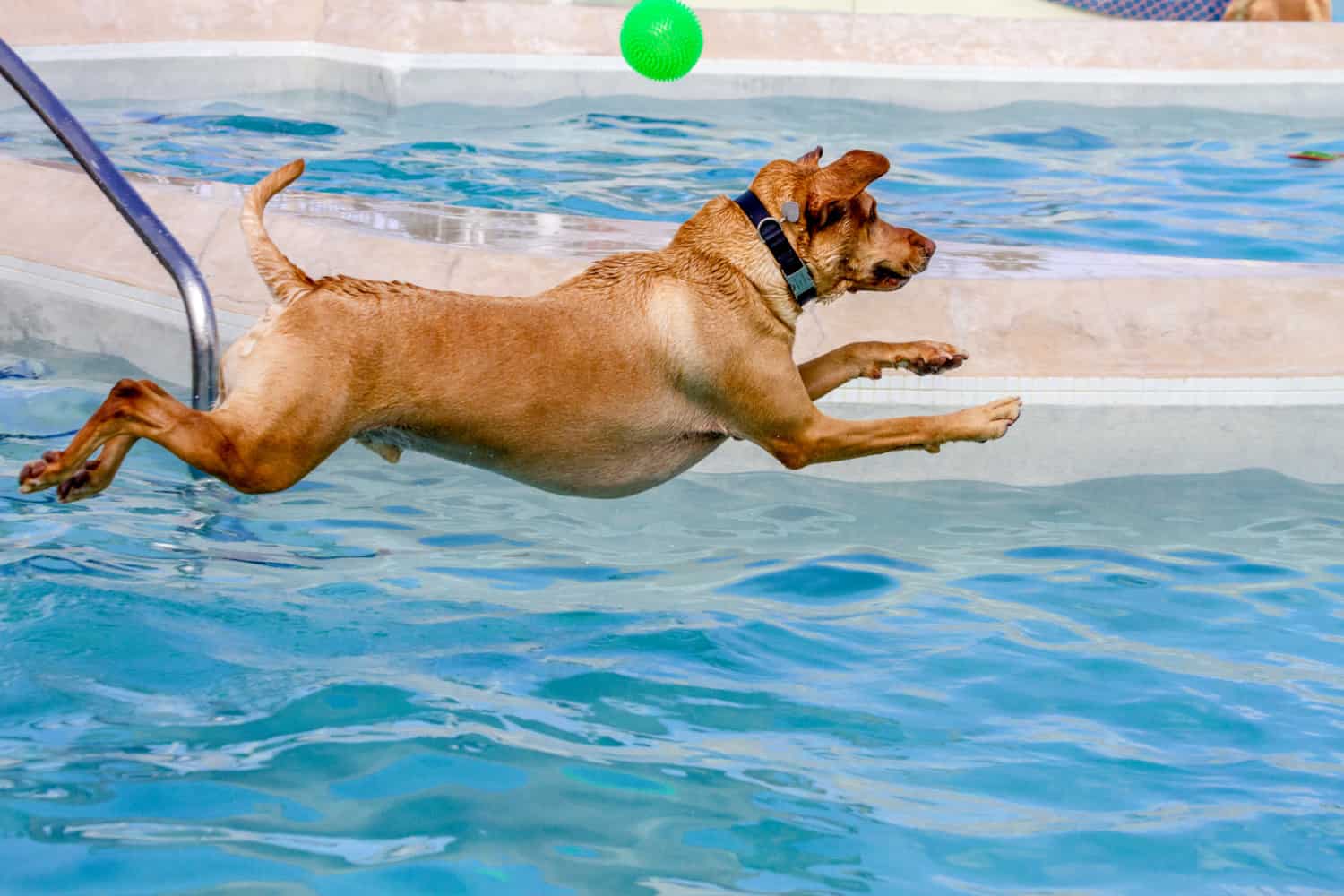
Teaching a dog how to swim—and, just as importantly, how to safely exit a body of water—is one of the most critical life skills a pet can learn. Beyond drowning prevention, swimming offers immense health benefits. It serves as a low-impact, high-reward aerobic exercise for dogs suffering from arthritis, joint dysplasia, spinal issues, or canine obesity. Because the buoyancy of water supports a dog’s skeletal structure, they can burn calories and build cardiovascular endurance with minimal joint pain. Furthermore, high-energy performance dogs involved in agility, flyball, herding, and tracking frequently utilize swimming to maintain top physical conditioning during the off-season.
Chronology and Progression: From Land-Lover to Water Dog
Understanding a dog’s relationship with water requires a progressive approach, moving from initial assessment to gradual introduction and, eventually, mastery.
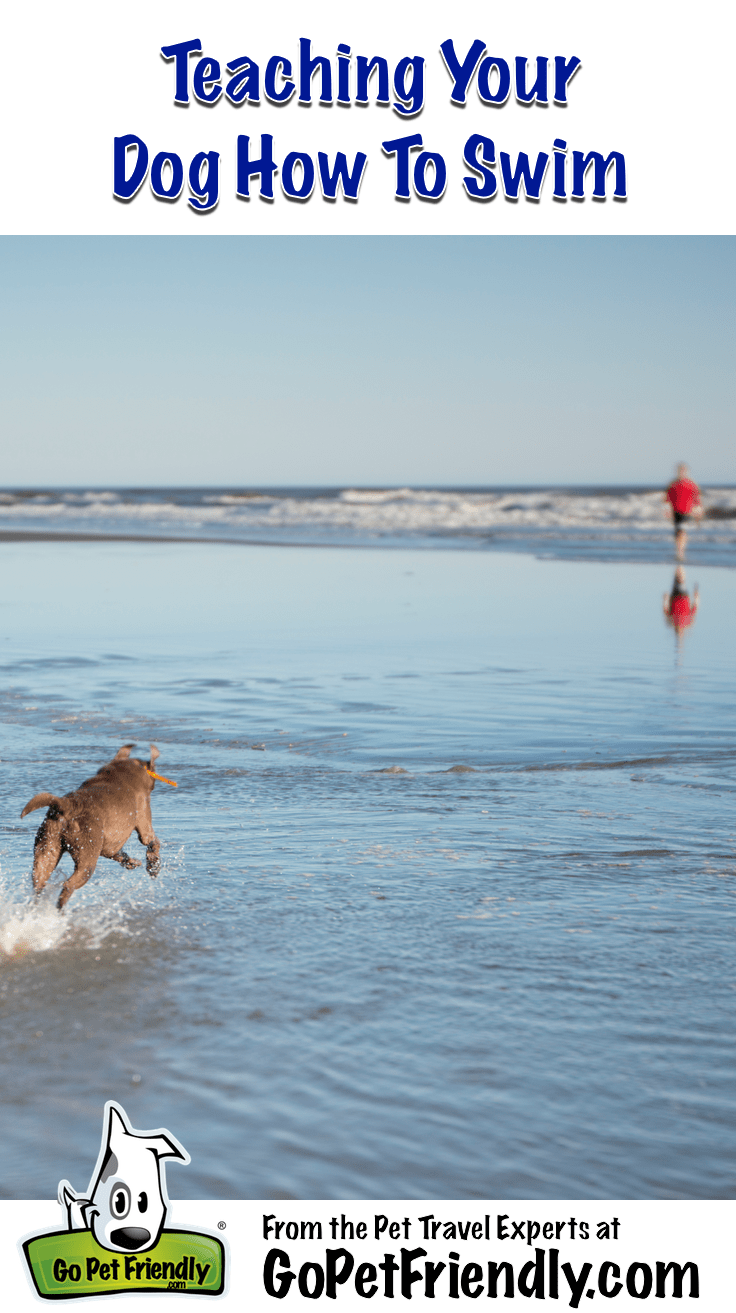
Phase 1: The Aquatic Assessment
Before tossing a floating toy into the deep end, pet parents must evaluate where their dog falls on the swimming spectrum. Not every breed is mechanically built for water sports. Heavy-chested, short-necked breeds—such as Bulldogs, Pugs, and Boxers—struggle significantly to keep their heavy heads elevated, often sinking rather than floating. Even traditional water dogs like Retrievers and Spaniels frequently require formal instruction to master the coordination of the "doggie paddle."
Pet owners can perform a simple, low-stress evaluation by gently wading into shallow water with their dog on a leash or in their arms:
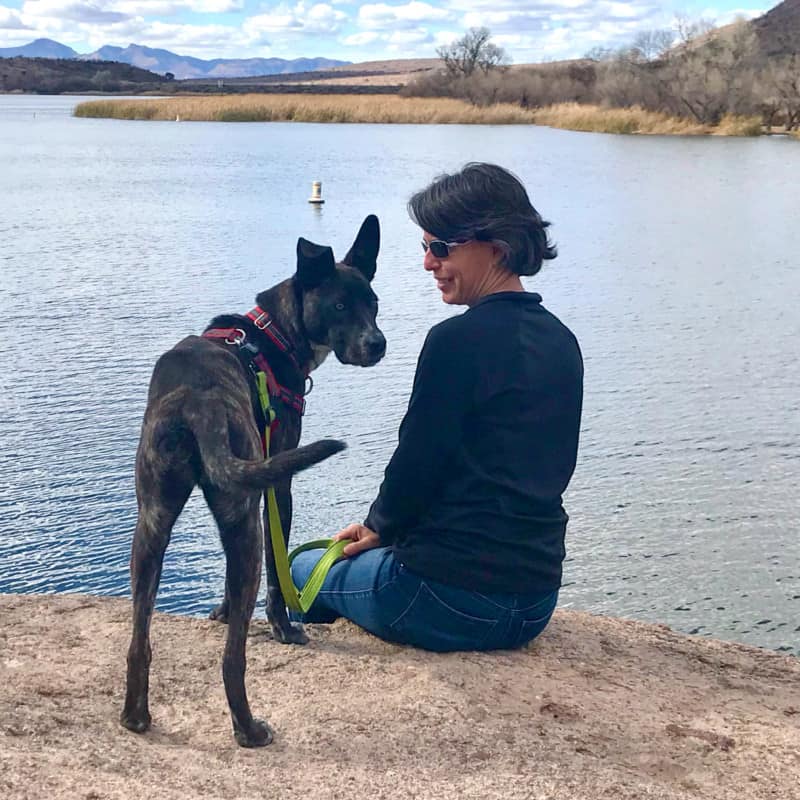
- The Reluctant Wader: If a dog resists entering the water entirely—or actively avoids puddles, much like Myles from the GoPetFriendly community—they may simply be land-lovers at heart. Forcing these dogs into lakes or pools will only breed fear and resentment.
- The Front-Leg Papper: If a dog begins paddling exclusively with their front paws while allowing their hind end to drag or slap the surface, they possess the instinct but lack the technique. These dogs require human support to learn how to incorporate their hind legs and tails as a rudder.
- The Natural: If a dog immediately initiates a balanced, synchronized kick utilizing both front and rear limbs, they are a natural-born swimmer.
Phase 2: The Step-by-Step Introduction
For dogs that need guidance, the learning process must be deliberate and stress-free:
- Choose the Right Environment: Select calm, clean, shallow water with a gradual, sloping entry, such as a gentle lake shore or a shallow training pool. Avoid turbulent waves, strong river currents, and frigid water temperatures.
- Never Force the Issue: Never throw, push, or drag an unwilling dog into the water. This creates acute psychological trauma and destroys trust.
- Use Positive Lures: Lure the dog toward the water’s edge using high-value treats or floating water toys. Allow them to wade in at their own pace, ensuring their paws can touch the bottom so they maintain a sense of control.
- Support and Encourage: If the dog is learning to balance, support their belly gently with your hands or equip them with a properly fitted canine life jacket (complete with a rescue handle on the back) until they gain confidence.
Supporting Data and Canine Physiology
Analyzing the mechanics of canine swimming reveals why physical conditioning and anatomical structure dictate success in the water.
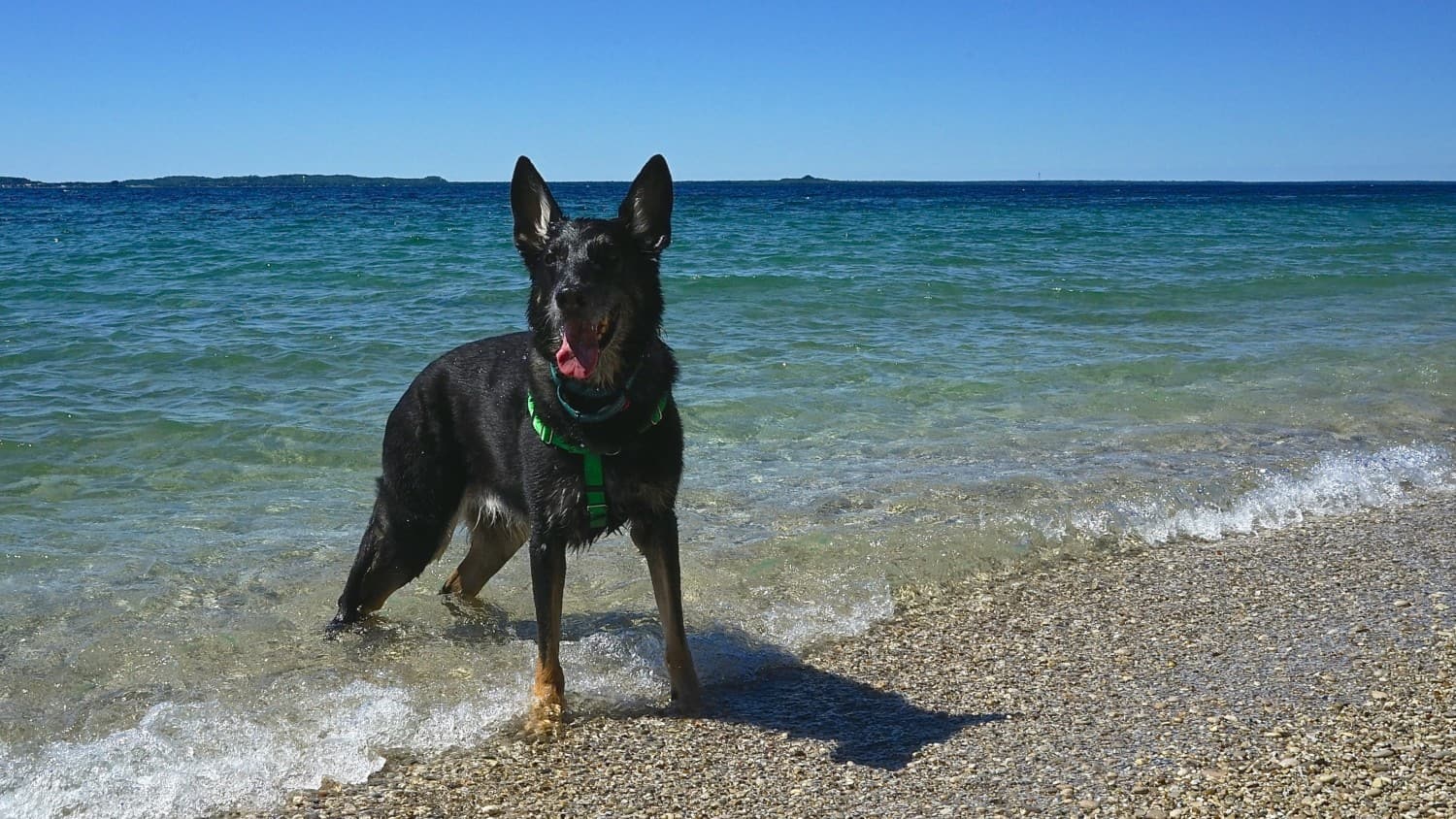
- Anatomical Challenges: Dogs with brachycephalic facial structures (short snouts) experience compromised airways, making respiration difficult during the physical exertion of swimming. Combined with dense, heavy muscle mass and disproportionately small hindquarters, breeds like Bulldogs find it nearly impossible to maintain a horizontal plane in the water.
- The Energy Expenditure Curve: Swimming requires up to four times more energy than trotting on dry land. A dog that is overly enthusiastic will often ignore physical fatigue until total exhaustion sets in. Veterinary physical therapists note that a dog’s back end will begin to drop lower in the water column as muscle groups fatigue—a clear physiological indicator that aerobic capacity has been reached.
- Environmental Hazards: Natural bodies of water harbor microbiological risks, including blue-green algae, leptospirosis, and Giardia. Conversely, man-made swimming pools utilize chlorine and chemical sanitizers that strip natural oils from a dog’s coat and irritate sensitive eye tissues and ear canals.
Expert Insights and Professional Perspectives
Renowned pet safety crusader Denise Fleck, an award-winning author, radio show host, and animal care instructor who developed standardized pet first-aid and CPR curriculums, emphasizes that preparedness is paramount when bringing pets around aquatic environments.
According to Fleck and veterinary medical professionals, owners must shift their mindset from viewing water recreation as a passive activity to an active supervisory role. "Teaching a dog to swim is an act of proactive safety," notes Fleck. "However, the lesson doesn’t end when the dog makes it to shore. Post-swim care is just as vital to preventing long-term health complications."
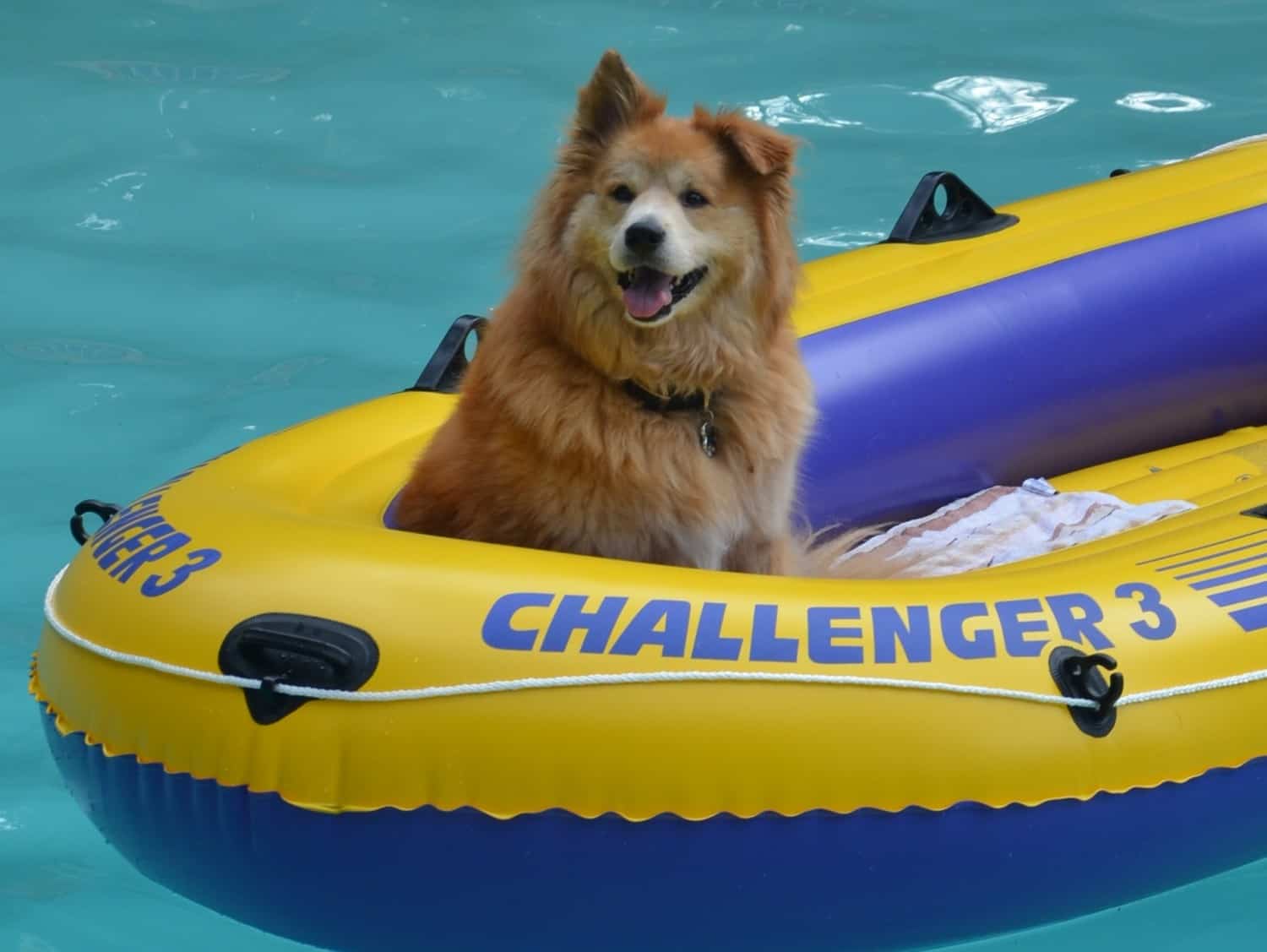
Veterinary experts recommend strict adherence to post-swim hygiene protocols:
- Rinse Thoroughly: Wash away chlorinated pool chemicals or lake bacteria immediately using fresh water and a gentle pet shampoo. Residual chemicals left on the skin can cause severe dermatitis, hot spots, and allergic flare-ups.
- Dry the Ears Completely: Canine ear canals are L-shaped, making them prone to trapping moisture. Trapped water in a warm, dark ear canal creates an ideal breeding ground for yeast and bacteria, frequently resulting in painful outer ear infections (otitis externa). Owners should utilize a veterinarian-approved drying solution or a clean towel immediately following a swim.
- Monitor Hydration: Dogs often ingest significant amounts of pool or lake water while fetching toys or paddling. Ingesting chemically treated pool water can cause severe gastrointestinal upset, while stagnant freshwater can introduce parasites. Always provide a portable bowl of fresh, clean drinking water to discourage dogs from drinking out of the pool or lake.
Implications: Expanding Horizons and Water Sports
Once a dog has successfully mastered basic buoyancy, water entry, and exit strategies, a wide world of recreational activities opens up for the pet and owner. Swimming is no longer just a survival skill; it becomes a gateway to an active, shared lifestyle.
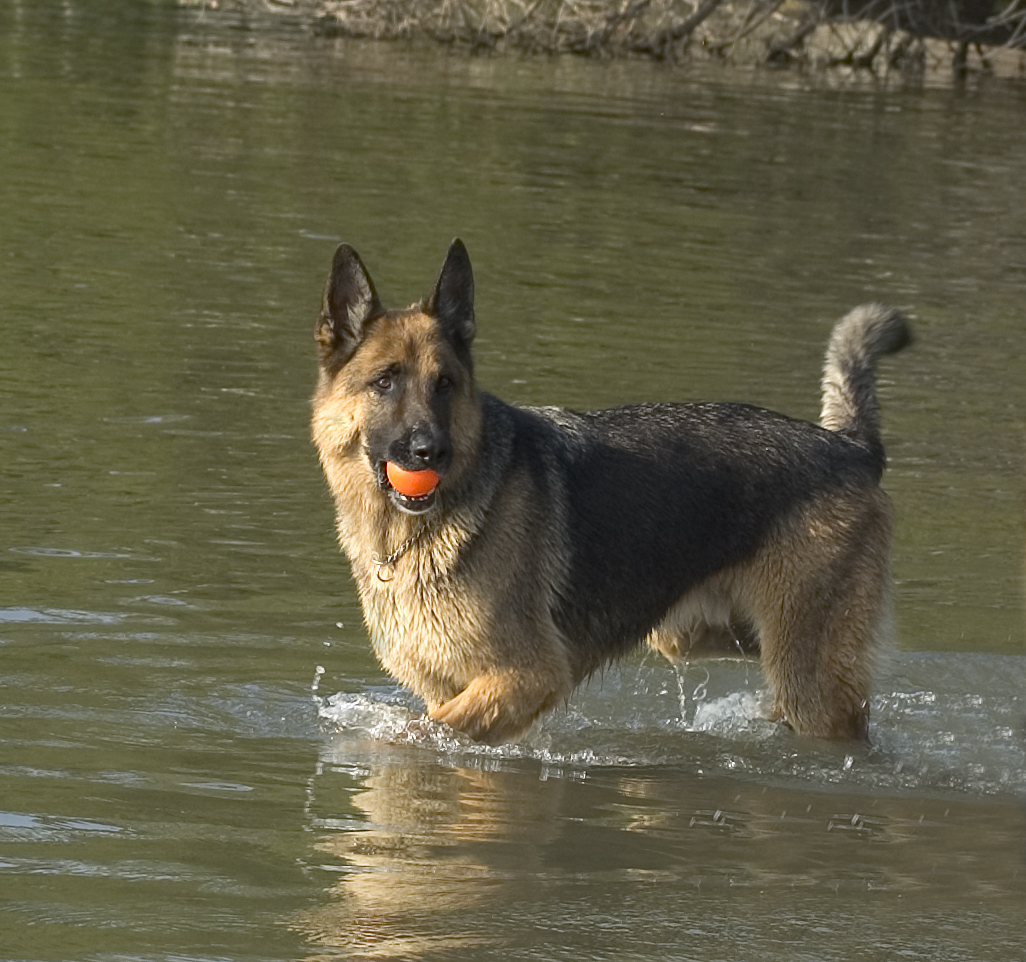
Advanced canine water sports have exploded in popularity over the last decade. Enthusiastic dogs and their human companions can transition from basic pool swimming to:
- Canoeing, Kayaking, and Paddle Boarding: Equipping a dog with a well-fitted personal flotation device (PFD) allows them to join their owners on calm lakes and rivers. (For further guidance, consult resources like Tips for Canoeing or Kayaking With Dogs).
- Dock Diving: A fast-growing competitive sport where dogs leap off a raised dock into a pool or body of water to chase a flying bumper, testing distance and height.
- Retrieving Contests and Team Swims: Engaging games that stimulate a dog’s natural prey and retrieval drives while deepening the emotional bond between human and animal.
Ultimately, teaching a dog to swim transforms a potential household hazard into an avenue for physical health, mental stimulation, and lifelong companionship. By respecting individual breed limitations, progressing slowly with positive reinforcement, and prioritizing post-swim health and safety, pet owners can ensure that every splash is safe, healthy, and fun.