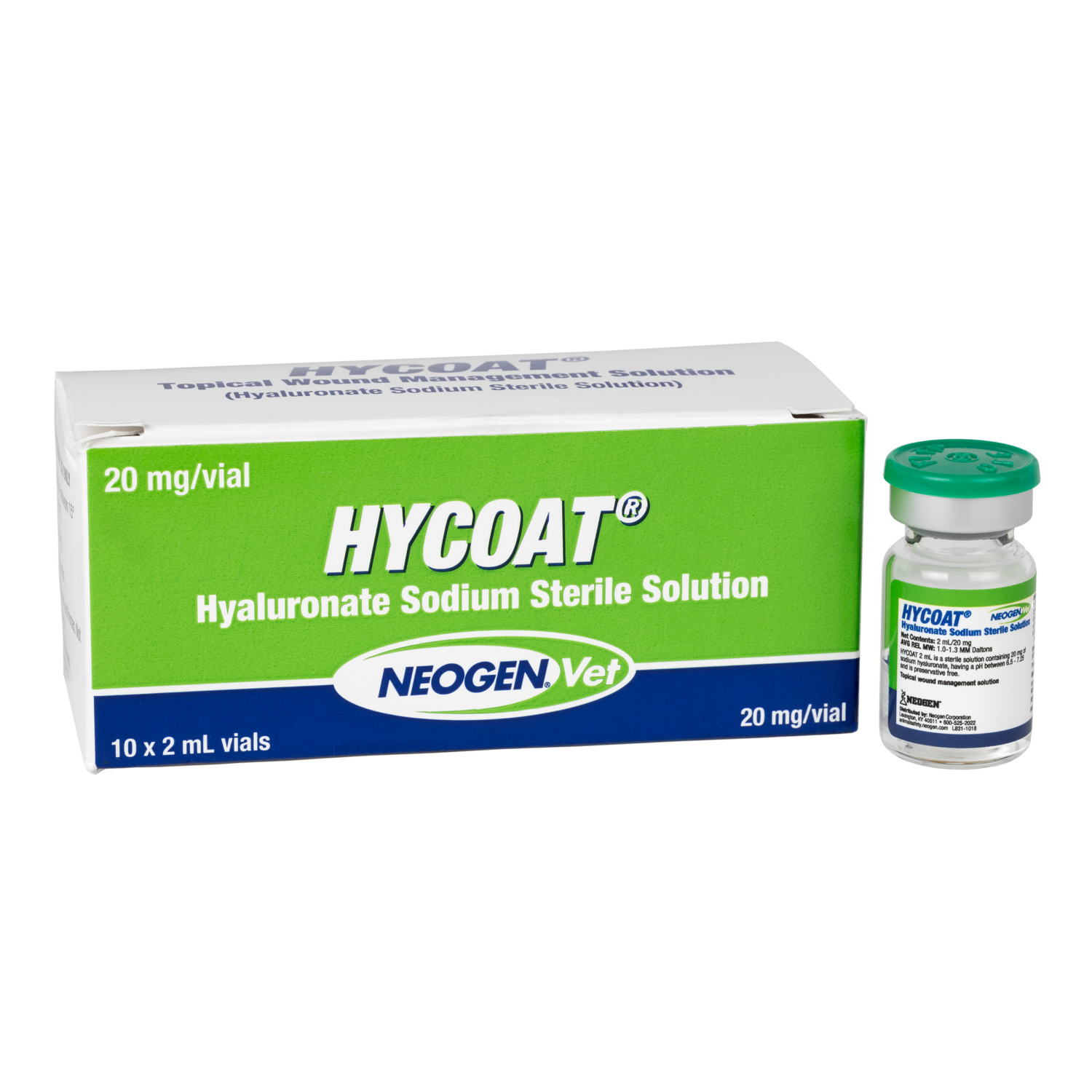
WASHINGTON — In what federal regulators are calling a historic and devastating public health failure for the animal sector, the U.S. Food and Drug Administration (FDA) has issued formal warning letters to Neogen Corporation and Sciarra Aeromed Inc. The enforcement action comes in the wake of a sprawling, high-stakes federal investigation connecting a popular veterinary wound care product—Neogen Vet HYCOAT (hyaluronate sodium sterile solution)—to catastrophic joint infections, widespread suffering, and at least 20 horse deaths nationwide.
The crisis has shattered safety records within the veterinary pharmaceutical and device industry. Regulatory officials confirm that the death toll represents the largest number of animal fatalities ever associated with a quality defect in an FDA-regulated veterinary medical product. Furthermore, it marks the highest mortality rate for any animal species linked to microbiological contamination in a product explicitly labeled and marketed as sterile.
The unfolding disaster has sent shockwaves through the equestrian community, raising urgent questions about manufacturing oversight, regulatory loopholes for animal devices, and the critical importance of post-market surveillance.
Main Facts: The Scope of the HYCOAT Crisis
The core of the crisis centers on Neogen Vet HYCOAT, a hyaluronate sodium sterile solution packaged in glass vials with septum tops—a configuration visually and functionally identical to standard sterile injectable drugs. While the manufacturer marketed and labeled HYCOAT strictly as a veterinary device intended for topical wound management (such as surgical incisions and burns), the physical design of the packaging contributed to a fatal misunderstanding in the field.
Beginning in late 2025, veterinarians across the United States began utilizing the product as an intra-articular injection to treat joint inflammation and injuries in horses, operating under the assumption that a product packaged with a septum-top vial and labeled as sterile was safe for injection.
However, rigorous laboratory testing conducted by the FDA revealed a terrifying reality: the product was heavily contaminated with a cocktail of multiple pathogenic fungi. The agency identified several invasive fungal species within the tested samples, including:
- Purpureocillium lilacinum
- Paraisaria heteropoda
- Gongronella lacrispora
- Purpureocillium sodanum
- Isaria takamizusanensis
When introduced directly into equine joints—or even exposed to open wounds—these fungal pathogens unleash severe, destructive biological processes. In total, nearly 100 horses developed aggressive, treatment-resistant joint infections. Of those afflicted, at least 20 horses suffered such profound tissue damage and systemic decline that veterinarians had no choice but to humanely euthanize them to end their suffering.
Chronology of the Outbreak and Regulatory Response
The timeline of the HYCOAT contamination crisis highlights a dangerous lag between adverse clinical events in the field and official regulatory intervention, driven largely by a failure of the manufacturer to proactively report safety signals.
- Late 2025: Veterinarians begin administering Neogen Vet HYCOAT via injection, unaware that the product harbors microbiological contamination. Concurrently, horses begin presenting with severe, atypical joint infections following treatment.
- Late 2025 to Early 2026: Concerned practitioners bypass traditional corporate feedback channels and contact the FDA directly to report clusters of severe equine adverse events. These direct veterinary reports serve as the primary catalyst for the federal inquiry.
- January 2026: Prompted by mounting clinical data and preliminary agency findings, Neogen initiates a voluntary nationwide recall of Neogen Vet HYCOAT (hyaluronate sodium sterile solution).
- Early 2026: The FDA launches an exhaustive, multi-pronged investigation. Investigators review extensive epidemiological and clinical evidence, collect and analyze product samples, and execute a comprehensive physical inspection of the manufacturing facilities operated by Neogen Corporation and Sciarra Aeromed Inc.
- September 29, 2026: Following the conclusion of the facility inspections and laboratory tests, the FDA publicly releases formal warning letters to both corporations, detailing egregious manufacturing violations, including the production of items labeled as sterile under profoundly insanitary conditions.
Supporting Data and Clinical Realities
The statistical footprint of the HYCOAT disaster, while staggering, may still underestimate the true scale of the tragedy. Federal health officials emphasize that the official figures reflect exclusively those deaths and injuries formally reported to the FDA with sufficient medical identification to verify them as unique cases. Because many treating veterinarians and owners never submitted final case outcomes or formal reports, the total morbidity and mortality rates across the equine industry remain unquantified.
From a clinical standpoint, the specific fungal agents isolated by the FDA labs presented an insurmountable challenge for veterinary medical teams. Among the contaminants, Purpureocillium lilacinum is notoriously virulent and exhibits high intrinsic resistance to standard antifungal pharmacotherapy. Once established within the synovial environment of an equine joint, the fungus rapidly degrades cartilage, induces profound inflammation, and resists conventional clearance strategies.
Furthermore, the FDA notes that even if the product had been used strictly according to its labeling as a topical wound dressing, a microbiologically compromised product labeled as sterile presents severe clinical threats. When opportunistic fungi and bacteria enter open wounds, they can readily breach the vascular barrier, leading to local tissue necrosis, spreading cellulitis, and life-threatening systemic sepsis.

Official Responses and Manufacturing Violations
The FDA’s warning letters directed at Neogen Corporation and Sciarra Aeromed Inc. pull no punches regarding the root causes of the disaster. Federal inspections of the manufacturing and processing facilities uncovered severe deviations from Current Good Manufacturing Practice (CGMP) regulations. Most alarmingly, inspectors documented that products bearing sterile labeling were being produced and handled under insanitary conditions that directly invited microbiological proliferation.
By marketing HYCOAT as an animal device rather than a traditional drug, the companies operated within a regulatory framework that historically faced different oversight nuances. However, the FDA’s enforcement actions signal that oversight for all animal-health products—devices and drugs alike—will be uncompromising when patient safety is compromised.
Representatives from Neogen Corporation have faced intense scrutiny from consumer advocacy groups, veterinary boards, and industry analysts. While the voluntary recall executed in January 2026 removed remaining stock from shelves, critics argue that the company’s failure to monitor and proactively report adverse events allowed the contamination to claim scores of animal lives before federal intervention halted the distribution.
Implications for the Veterinary Industry and Future Safeguards
The HYCOAT tragedy serves as a watershed moment for veterinary medicine, regulatory policy, and animal ownership practices across the United States. The fallout from this crisis demands a critical re-evaluation across multiple fronts:
1. The Reporting Gap and Post-Market Surveillance
One of the most troubling revelations of the FDA investigation is that Neogen did not proactively report adverse events associated with HYCOAT to federal regulators. Because the product was classified as an animal device, the immediate burden of safety tracking fell entirely on frontline veterinarians. Had these practitioners not taken the initiative to contact the FDA directly, the contamination wave could have continued unchecked.
The FDA is now aggressively urging all stakeholders—including corporate manufacturers, practicing veterinarians, and individual animal owners—to immediately report any adverse events or suspected product quality defects. The agency stresses that every single report acts as an early warning system, allowing federal scientists to intercept defective batches before they precipitate widespread tragedy.
2. Product Classification and Labeling Clarity
The confusion surrounding HYCOAT—a topical wound solution packaged in a septum-top glass vial identical to injectable pharmaceuticals—highlights a dangerous intersection of packaging design and clinical habit. The incident underscores the urgent need for clearer differentiation in packaging and labeling between topical devices and injectable drugs to eliminate accidental off-label administration in high-stakes clinical settings.
3. Heightened Scrutiny on Manufacturing Standards
For manufacturers of veterinary medical devices, the warning letters issued to Neogen and Sciarra Aeromed send an unmistakable message. The era of lax oversight for non-drug veterinary products is officially over. Facilities producing items labeled as sterile will face rigorous, unannounced federal inspections to ensure absolute compliance with sterile-processing controls.
As the veterinary community continues to mourn the loss of the horses impacted by this contamination event, the legacy of the HYCOAT crisis will undoubtedly reshape how animal health products are manufactured, monitored, and regulated for decades to come.
Veterinarians and animal owners wishing to report adverse events or product quality issues can access the reporting portal through the FDA Animal and Veterinary Reporting Page.