Introduction: A Promise Kept
In the world of animal rescue, the narrative of "the dog who waited" is all too common. Thousands of shelters across the United States face the daunting reality of long-term residents—animals that, despite having vibrant personalities and affectionate temperaments, remain overlooked by prospective adopters. Rocky, a five-year-old Catahoula Leopard Dog mix, was one such resident at Animal League America. Having suffered the profound loss of his previous owner and the subsequent instability of shelter life, Rocky’s journey to a forever home became a masterclass in modern digital advocacy.
When the shelter’s social media team made a bold, public commitment to feature Rocky every single day until he was adopted, they didn’t just launch a marketing campaign; they ignited a community movement. This is the story of how persistence, digital connectivity, and the simple refusal to give up on a "forgotten" dog bridged the 200-mile gap between a lonely kennel in Port Washington and a loving home in Massachusetts.
The Main Facts: Rocky’s Profile and the Challenge of "Long-Termers"
Rocky’s story began with tragedy. As a Catahoula Leopard Dog mix—a breed known for intelligence, high energy, and loyalty—he was ill-equipped to handle the sudden transition into a shelter environment after the passing of his original owner. For a dog accustomed to one-on-one companionship, the sensory overload of a bustling rescue facility can be overwhelming.
By the time the social media team intervened, Rocky had spent years—not months—waiting for a family. Despite being a volunteer favorite, known for his playful disposition and gentle nature, he had become an invisible fixture. This phenomenon, often referred to as "shelter fatigue," occurs when potential adopters pass over long-term residents in favor of puppies or smaller, more "conventionally" cute breeds. Rocky’s case was a statistical hurdle: as an adult, medium-to-large breed dog, he fell into a demographic that statistically stays in shelters the longest.
A Chronology of the Nine-Day Campaign
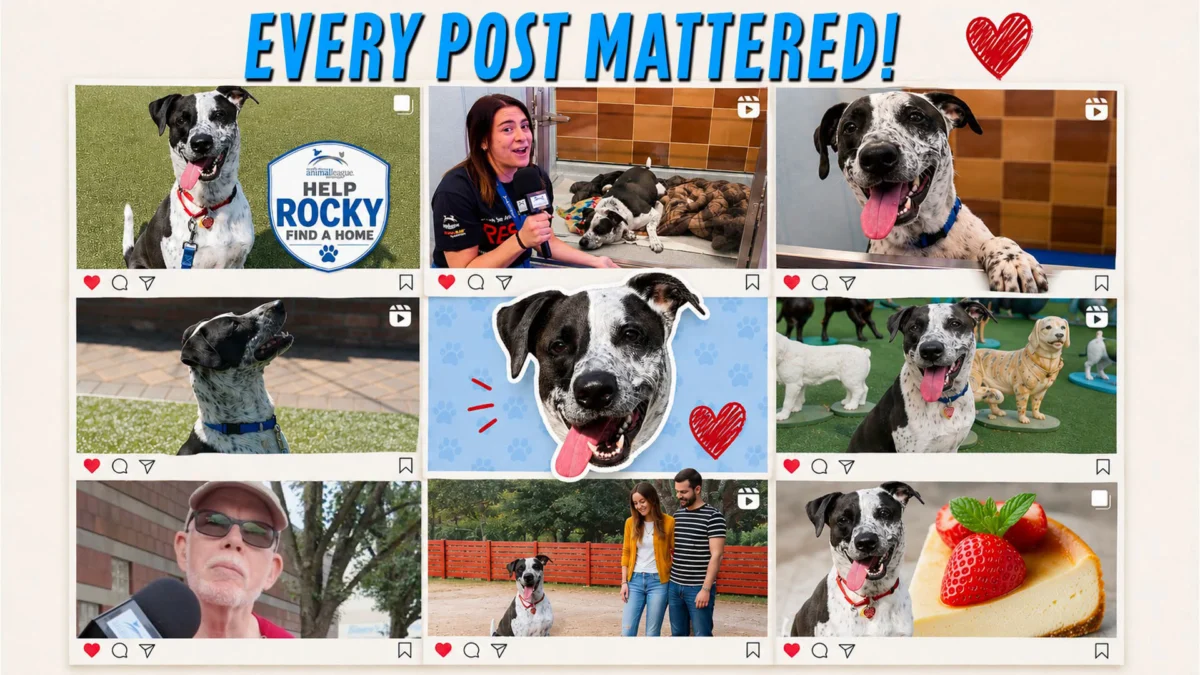
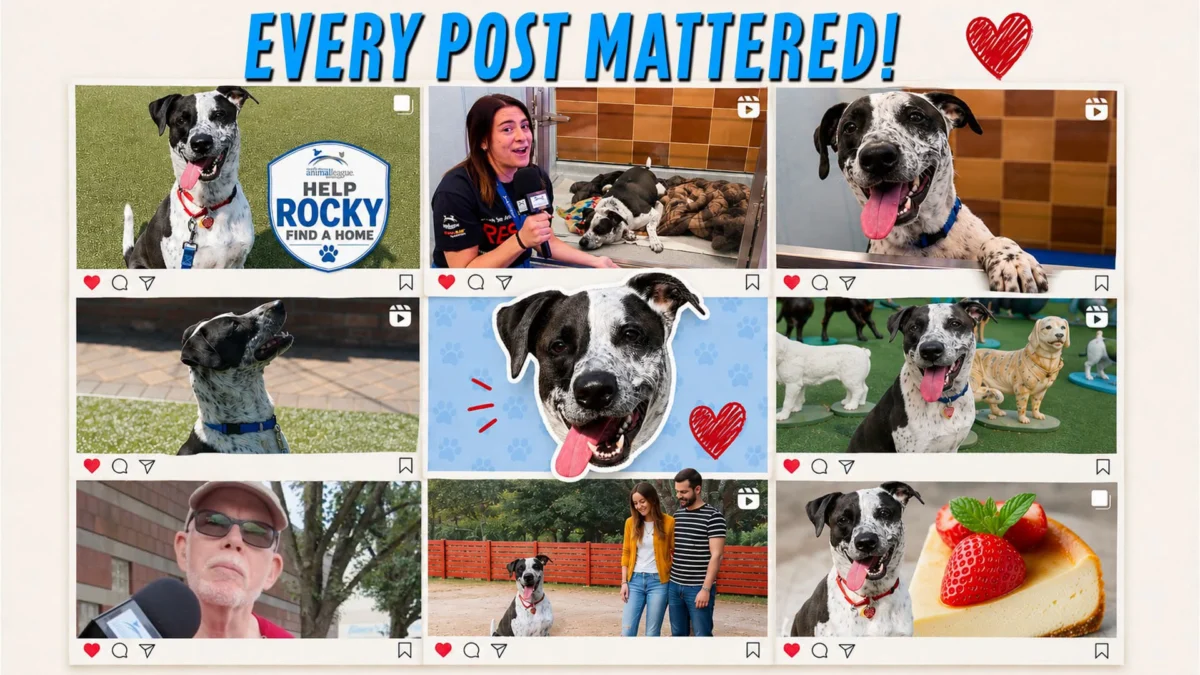
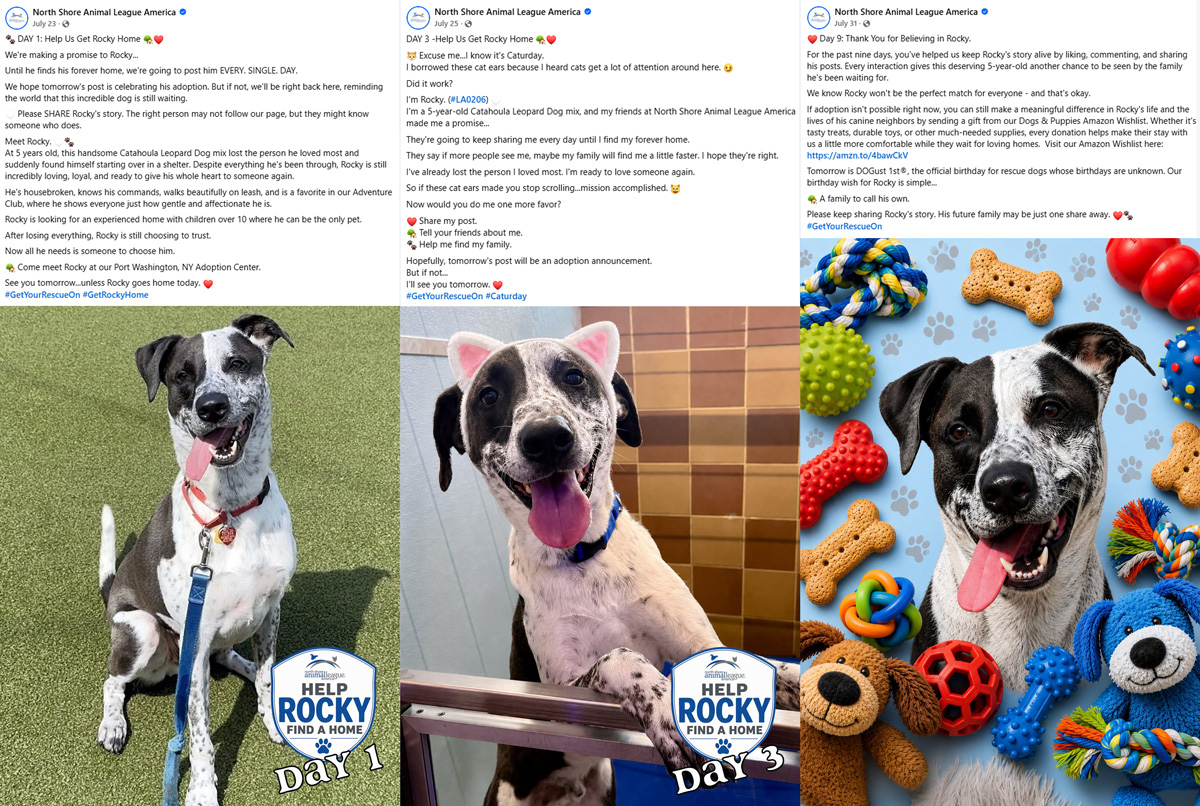
The strategy was simple: radical visibility. On Day One, the team posted a high-quality, emotionally resonant image of Rocky. They made a solemn vow to the public and to Rocky himself: “We’re going to post you every single day until you go home.”
Days 1–3: Building Awareness
The initial posts focused on Rocky’s history. They highlighted his loss and his resilience. The engagement was immediate, with shelter supporters sharing his profile across multiple social media platforms. The goal was to humanize Rocky, transforming him from a "shelter dog" into a "dog with a story."
Days 4–6: The Narrative Pivot
Recognizing that constant sadness can lead to donor and adopter fatigue, the team shifted the tone. They showcased Rocky’s personality: his goofy playstyle, his love for treats, and his eagerness to please. By injecting humor and levity into the daily updates, the team ensured that followers looked forward to his appearance in their feeds, rather than scrolling past another "sad dog" post.
Days 7–9: The Turning Point
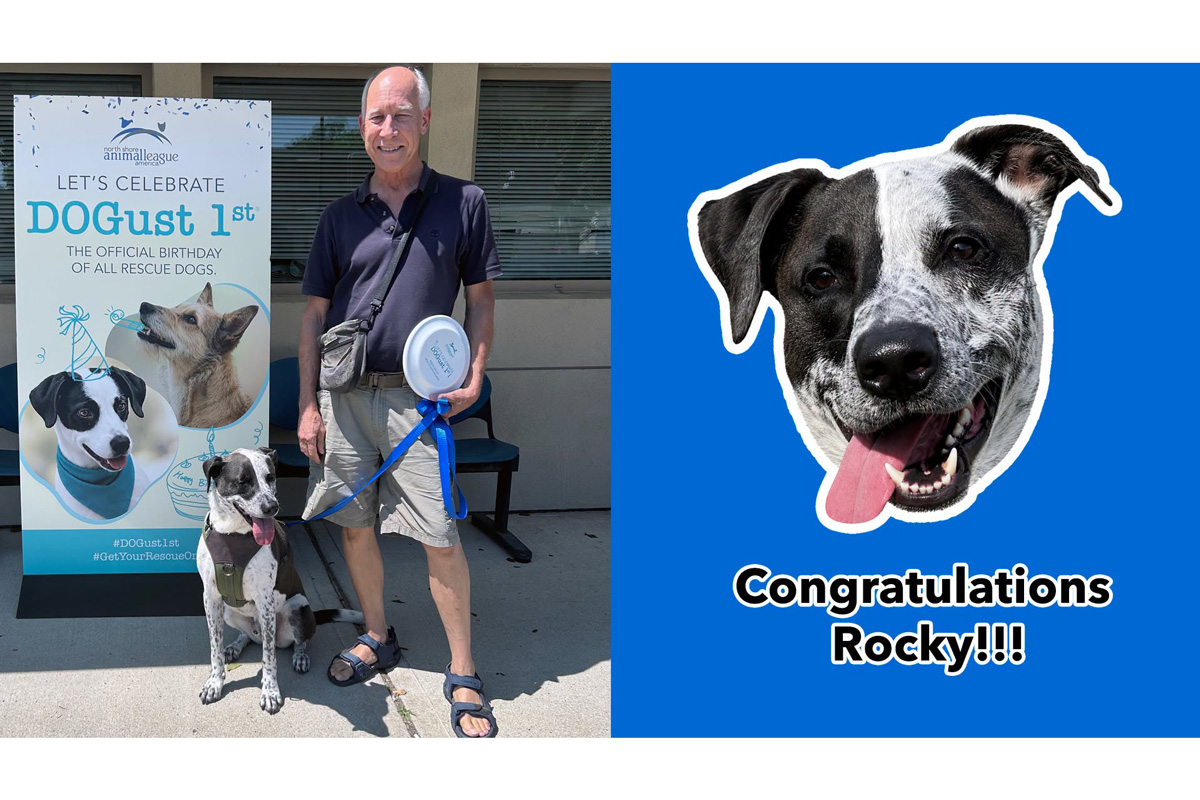
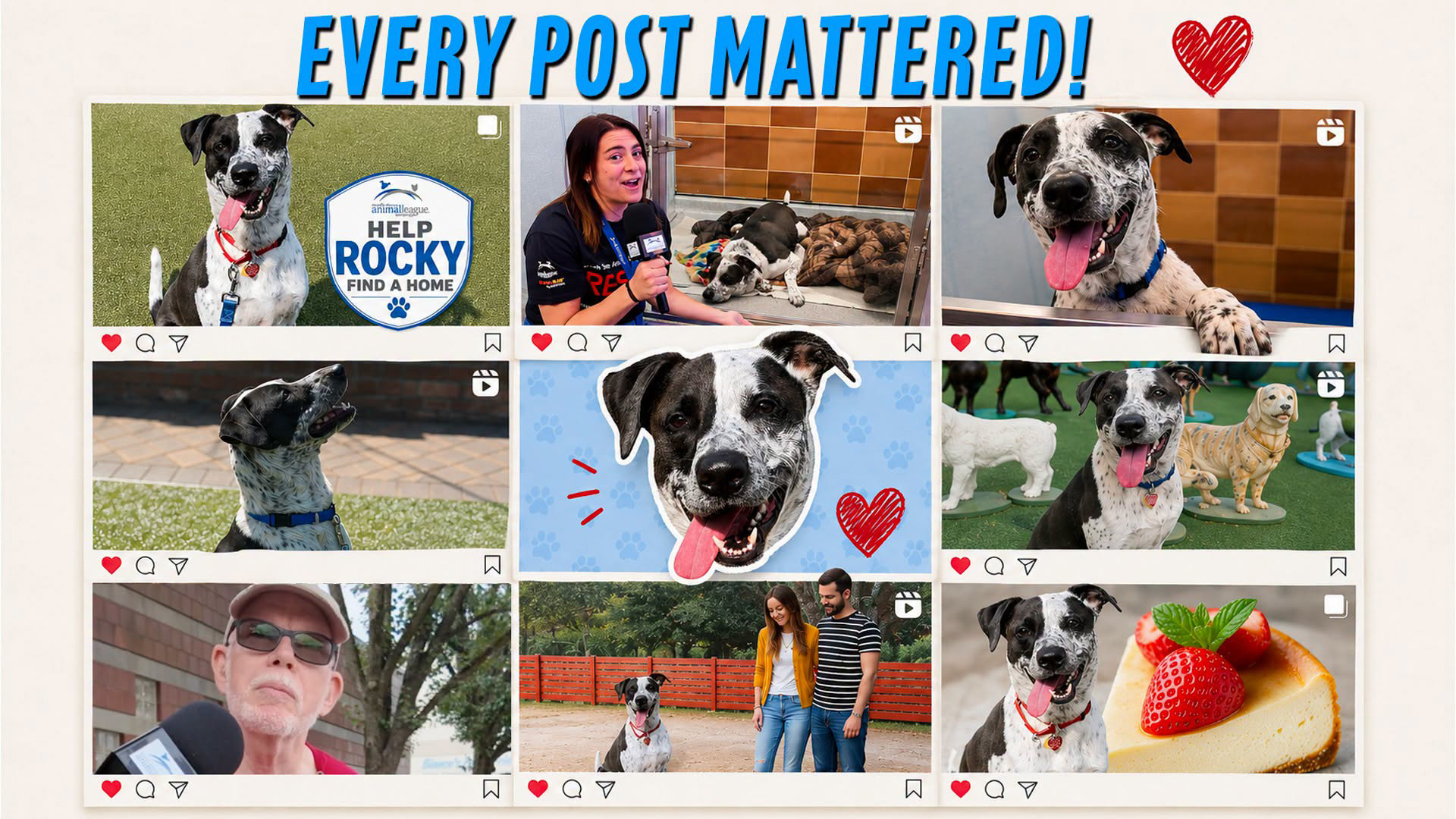
By the eighth day, the traction was undeniable. The posts were being shared by thousands of users across state lines. In Massachusetts, a couple—who had been searching for a companion dog for some time—stumbled upon the series. They had been following Rocky’s journey, waiting for the "right" sign. When they saw the update on the morning of the ninth day, they made an immediate decision: they were driving to Port Washington.
Supporting Data: The Impact of Digital Advocacy
The success of the "Rocky Campaign" highlights a significant shift in animal welfare. Traditionally, adoption centers relied on foot traffic or local newspaper classifieds. Today, the "digital footprint" of an animal is often the single greatest predictor of adoption speed.
Data from the American Society for the Prevention of Cruelty to Animals (ASPCA) suggests that social media exposure increases the likelihood of adoption for "hard-to-place" animals by nearly 40%. In Rocky’s case, the cumulative effect of nine days of high-quality content created a "social proof" phenomenon. People weren’t just adopting a dog; they were joining a community of supporters who had collectively "vetted" Rocky through the digital narrative.
The geographic reach was the most critical factor. By breaking the 200-mile barrier, the campaign proved that shelter animals are not restricted to their immediate zip codes. The internet serves as a bridge, allowing the right owner to find the right animal regardless of physical distance.
Official Responses: Voices from Animal League America
Shelter staff and volunteers, who had witnessed Rocky’s patience firsthand, expressed a mix of profound relief and professional pride.
"Rocky wasn’t just a number to us," said a lead volunteer at the Port Washington Adoption Center. "We saw his heart every day. He deserved someone who saw past his age and his history. When the couple arrived from Massachusetts, we knew immediately that the connection was genuine. It wasn’t an impulse decision; it was a match years in the making."
The social media team emphasized that the strategy was built on accountability. "By making a public promise to post every day, we held ourselves accountable. We couldn’t let him fade into the background again. We had to be his voice until he found his own family."
Implications: The Future of Shelter Marketing
The success of Rocky’s story has significant implications for how shelters across the country approach animal welfare.
1. The "Daily Content" Model
Many shelters lack the resources to maintain daily, high-quality content for every animal. However, Rocky’s story suggests that focusing on "long-termers" with a dedicated, short-term, intensive campaign can be more effective than a passive, long-term approach.
2. Overcoming Geographical Barriers
The fact that Rocky was adopted by a family from 200 miles away underscores the need for robust animal transport networks and a willingness to facilitate long-distance adoptions. Shelters that treat their adoption radius as regional rather than local often see higher success rates.
3. The Power of "Personalization"
Modern adopters are looking for a story. Rocky was not adopted because he was a "Catahoula mix"; he was adopted because he was a resilient soul who had lost his human and was looking for a new one. Marketing an animal’s emotional biography is far more effective than simply listing their physical attributes.
Conclusion: A New Beginning
As Rocky left the Port Washington facility, tail wagging and ready for the next chapter, he left behind a legacy that will likely inform the shelter’s future operations. His story is a testament to the fact that no animal is truly "unadoptable"—they are simply waiting for the right person to see their story.
For the community that followed along, Rocky’s journey provided a rare, tangible "win" in an industry often defined by heartbreak. It served as a reminder that empathy, when paired with the right tools and a refusal to give up, can overcome almost any obstacle. Rocky found his home, but more importantly, he proved that when we commit to telling an animal’s story, the world will eventually listen.
In the quiet of his new home in Massachusetts, Rocky is no longer a number in a database or a face on a screen. He is a companion, a family member, and a symbol of what is possible when we refuse to let a life pass us by. The "nine-day promise" was kept, and for one special dog, the wait is finally over.