
Introduction: The Evolution of the Classic Road Trip
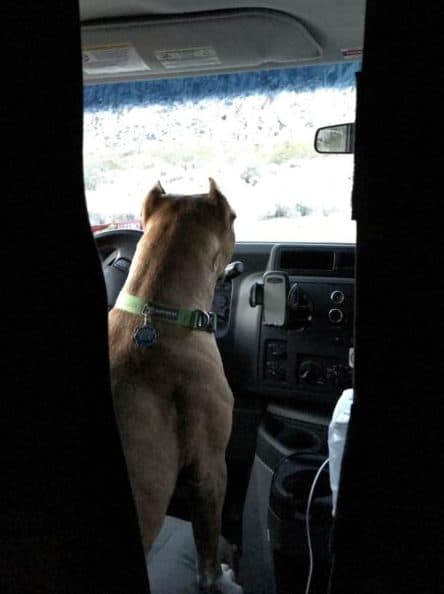
Road trips have long held a sacred status in the pantheon of travel adventures. From classic Americana cruises down legendary asphalt corridors to winding mountain expeditions, the allure of the open highway is universal. For many travelers, the quintessential road trip experience is incomplete without the company of a trusted canine companion. Whether it is a yellow Labrador gazing out the window at the sweeping vistas of Montana or a spirited mixed-breed navigating scenic byways, traveling with pets transforms a standard vacation into an unforgettable bonding experience.
However, the logistics of modern travel have evolved. For those who find traditional tent camping too rugged yet balk at the immense size, fuel costs, and complex handling of a full-blown recreational vehicle (RV), a compelling middle ground has emerged: the adventure van, or campervan. Combining the drivability and parking convenience of a standard passenger vehicle with the fundamental amenities of a mobile home, campervans represent the fastest-growing sector of experiential travel.
Importantly, the travel industry has taken note of the surging demand for pet-friendly accommodations. A growing number of campervan rental companies now embrace four-legged passengers, opening up extraordinary vistas for pet owners. Yet, embarking on a mobile-living journey with animals requires meticulous planning, an understanding of complex rental policies, strict safety measures, and a strategic approach to packing and route selection.
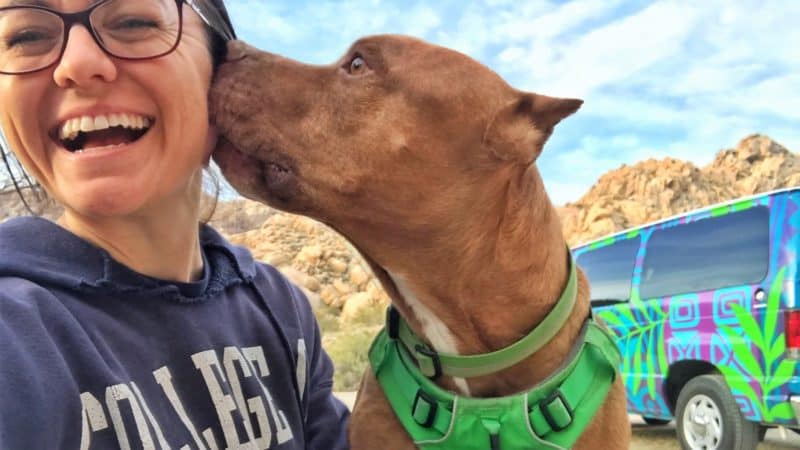
Main Facts: Understanding the Campervan Advantage for Pet Owners
When planning a road trip with pets, the choice of vehicle dictates the comfort, safety, and overall success of the journey. Campervans offer a uniquely balanced solution for pet-owning travelers, striking a chord between mobility and domestic comfort.
The Vehicle Profile
Most standard campervans are constructed on heavy-duty passenger van chassis, making them only marginally larger than a standard large SUV or cargo van. This compact footprint translates to several distinct advantages:
- Maneuverability: Drivers can navigate tight mountain switchbacks, narrow national park roads, and bustling urban environments without the profound anxiety associated with piloting a 30-foot motorhome.
- Parking Versatility: Unlike oversized RVs that are frequently restricted to specialized lots, campervans can easily fit into standard parallel street spaces, traditional trailhead parking spots, and conventional grocery store stalls.
- Integrated Living Space: Despite their exterior compactness, intelligent interior design provides dedicated space for camping gear, cooking facilities, refrigeration, and sleeping quarters that comfortably accommodate both humans and animals.
The Pet-Friendly Paradigm
Historically, finding pet-friendly lodging on the road was a frustrating endeavor marked by restrictive hotel policies and steep surcharges. The campervan rental market, however, has largely adopted a progressive stance. Many independent and national rental agencies recognize that pets are core members of the family.
Nevertheless, renting a campervan with pets is not as simple as booking a standard vehicle. Prospective travelers must navigate a nuanced landscape of corporate policies, seasonal restrictions, cleaning fees, and vehicle-specific safety constraints.
Chronology: Planning, Renting, and Executing the Journey
Successfully executing a campervan road trip with pets requires a phased timeline, beginning months before departure and extending through the final miles of the trip.
Phase 1: Research and Booking (3 to 6 Months Prior)
The journey begins well before turning the ignition key. Travelers must research campervan rental companies that explicitly permit pets. During this phase, direct communication with rental agencies is critical. Online descriptions may provide a blanket "pet-friendly" designation, but phone calls or written inquiries are necessary to clarify specific rules.
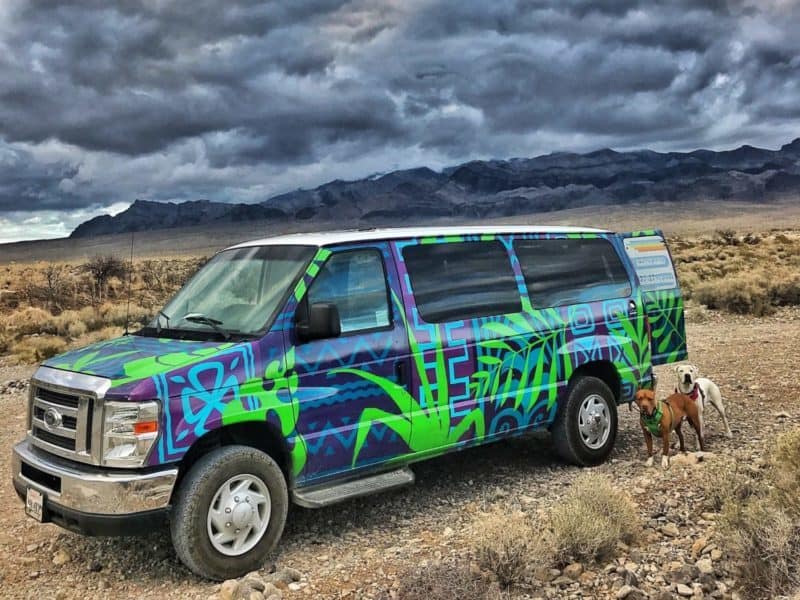
Travelers must investigate seasonal constraints. For instance, prominent agencies like Escape Campervans—which operates depots across the United States—enforce strict seasonal restrictions. Pets may be welcomed during cooler months, but bans during peak summer months (such as July, August, and September in desert or high-heat locations like Phoenix) are common. These rules are instituted primarily to safeguard animals from heat exhaustion in vehicles that may heat up rapidly when parked, but they require careful calendar coordination for families relying on traditional summer vacation schedules.
Phase 2: Vehicle Inspection and Setup (Day of Pickup)
Upon arriving at the rental depot, the chronology shifts to physical preparation. Travelers should conduct a thorough walkthrough of the van, paying specific attention to the layout of the back seats, seatbelt placements, and storage configurations.
Before loading pets into the vehicle, renters should review the inventory of included gear. Many adventure vans come pre-loaded with camp chairs, bedding, and compact kitchen equipment (such as propane stoves, pots, pans, and dining sets). Understanding what is provided prevents redundant packing and maximizes precious storage space.
Phase 3: On-the-Road Integration (Days 1–3)
The initial days of the trip serve as an adjustment period for both humans and animals. Dogs, in particular, need time to adapt to the ambient sounds of the engine, the motion of the chassis, and the confined living quarters. Drivers should schedule frequent stops to allow pets to stretch their legs, hydrate, and acclimate to new environments. Establishing a routine for feeding, walking, and securing gear during transit is vital during this introductory window.
Supporting Data: Essential Gear, Safety Protocols, and Campground Selection
Transforming a compact campervan into a harmonious, functional home for humans and pets demands rigorous preparation and specialized equipment.
Critical Packing List for Traveling Pets
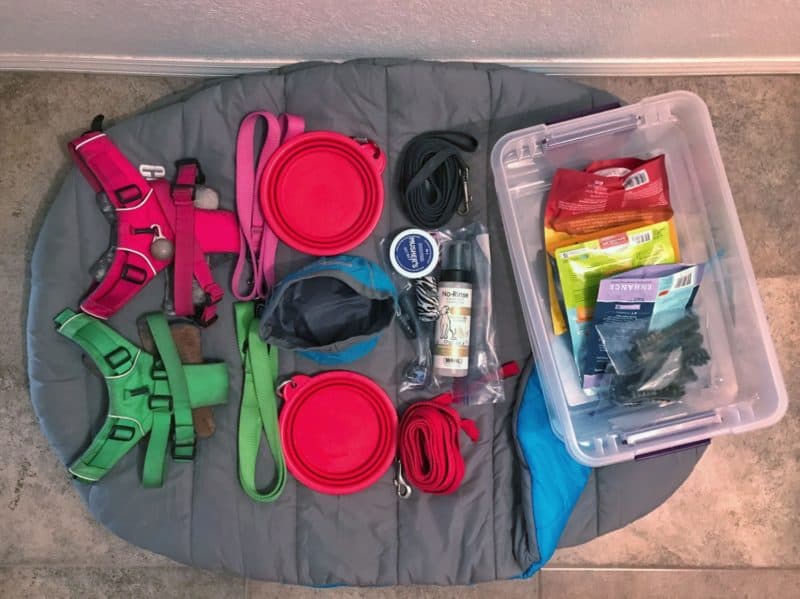
Beyond the standard provisions of pet food, water, bowls, leashes, and daily medication, specialized travel requires targeted additions:
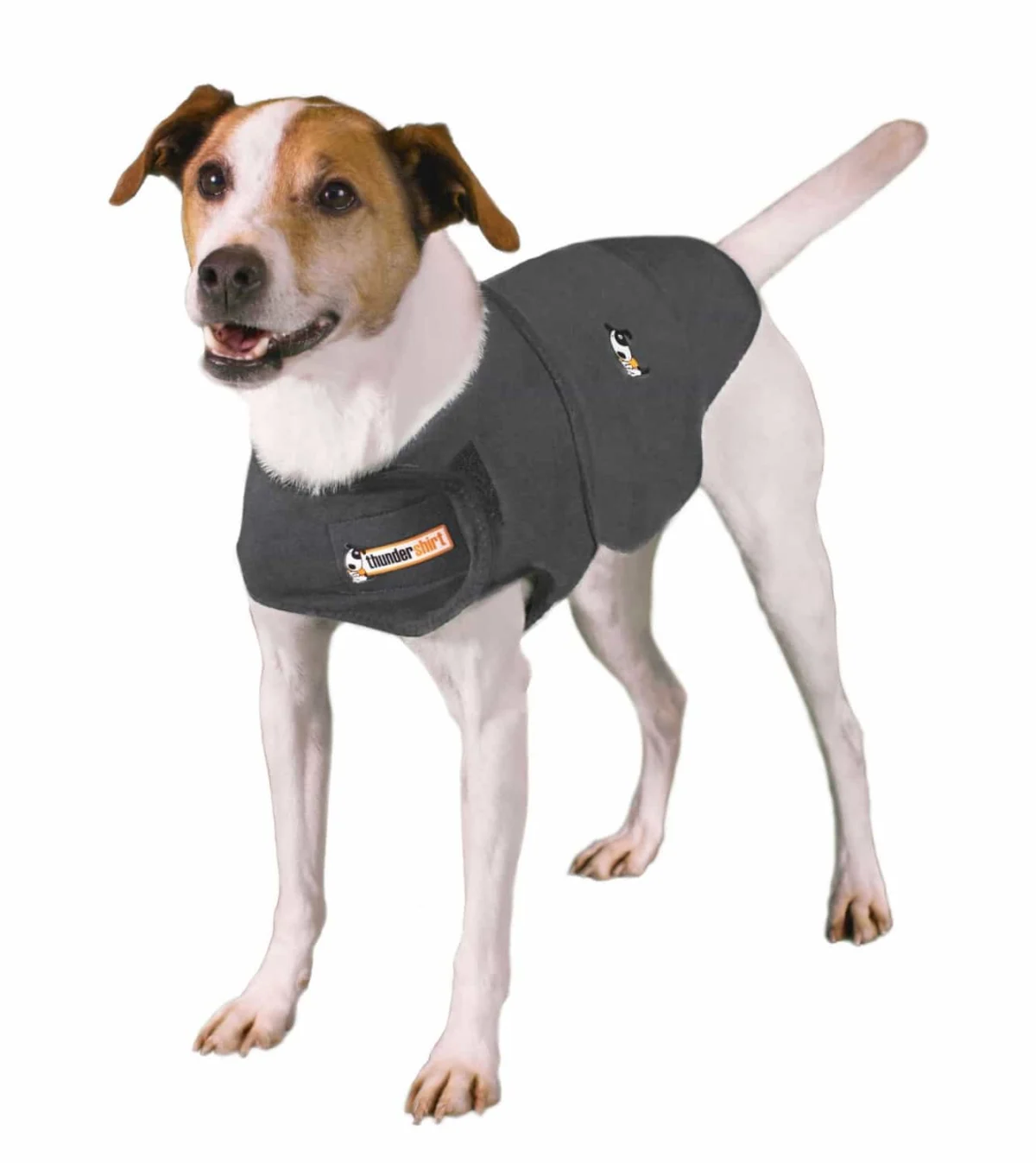
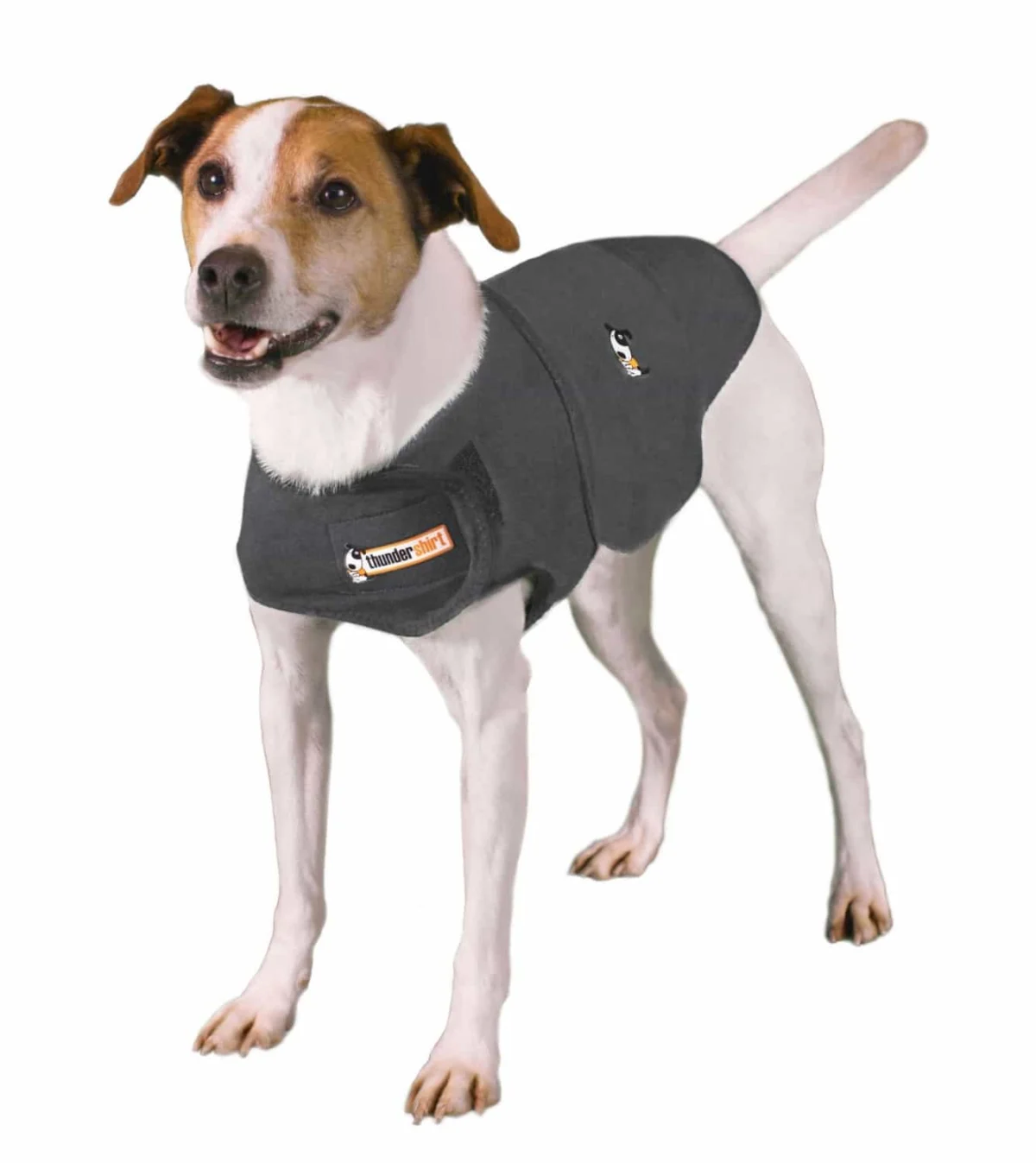
- Weather and Terrain Gear: Depending on the destination, packing waterproof raincoats, insulating dog sweaters, protective booties for rough granite trails or hot pavement, and heavy-duty tie-out stakes is essential.
- Cleaning and Sanitization Supplies: Murphy’s Law dictates that a dog will experience motion sickness or track deep mud into the vehicle precisely when the van is miles away from running water. Essential supplies include industrial-grade paper towels, pet-safe antibacterial wet wipes, heavy-duty fabric freshener, and dry pet shampoo to manage odors in a confined space.
- Comfort and Cleanliness Anchors: Bringing familiar items from home—such as a favorite blanket, crate, or designated dog bed—helps calm anxious animals at bedtime. Furthermore, seasoned adventure travelers swear by two unconventional items:
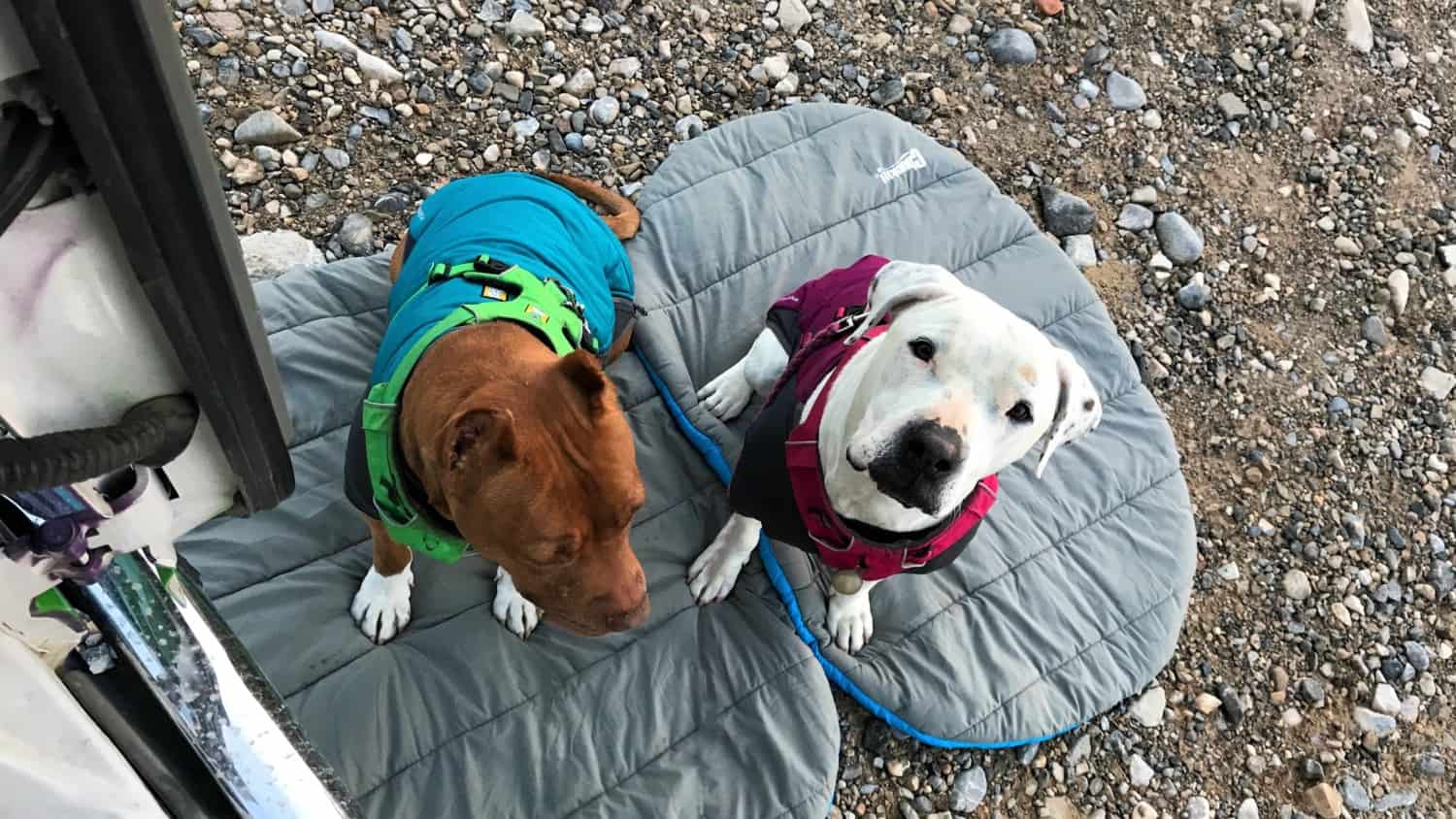
- Outdoor Dog Beds: These provide a comfortable, designated seating area where pets can supervise camp cooking without crowding human walkways.
- An Old Yoga Mat: Placed at the sliding door of the campervan, a yoga mat acts as a highly effective doormat. It traps dirt, sand, and moisture from paws before they enter the living space, and it can be easily shaken out, wiped clean, and rolled tightly for compact storage.
Restraint and Safety Standards
Securing pets while the vehicle is in motion is both a safety imperative and, in many jurisdictions, a legal requirement. Unsecured pets can become dangerous projectiles during sudden stops or accidents, and they can severely distract the driver.
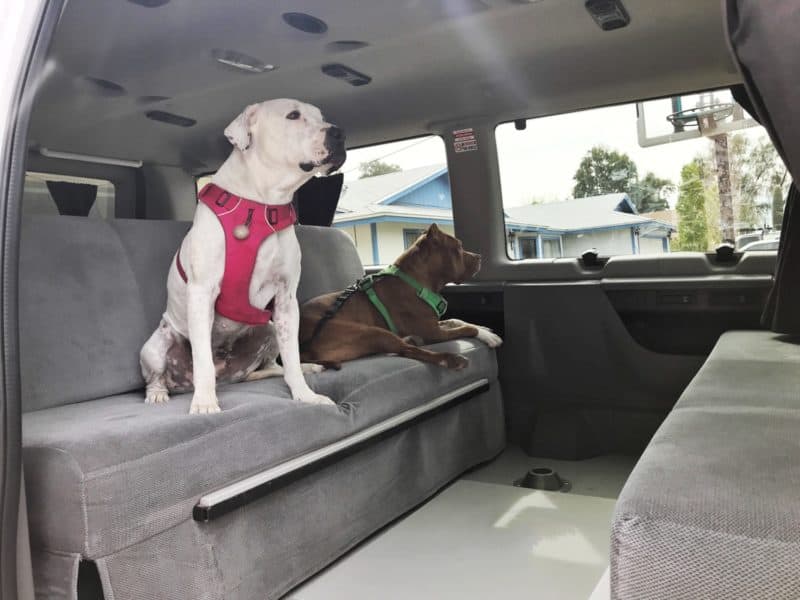
Most modern campervans feature a rear bench seat that frequently converts into a fold-out bed configuration. This dual-purpose area provides opportunities for secure travel:
- Crash-Tested Harnesses: Pets should be restrained using certified, crash-tested dog safety harnesses attached directly to the vehicle’s existing seatbelt receivers.
- Kennel Placement: If the van’s floor plan allows, securing a properly sized travel kennel on the floor of the vehicle provides a secure den-like environment for the animal.
- Bed-Configuration Securing: In some campervan models, the back seat is relatively narrow, requiring creative utilization of seatbelt extensions or accessible buckle points while the bed is partially structured, ensuring pets remain safely anchored without slipping.
Navigating Campground Options
Selecting the right place to park for the night dictates the level of comfort, cost, and amenities available during the trip. Adventure van travelers have access to a diverse spectrum of public and private lands:
| Campground Type | Typical Amenities | Pet Policy & Considerations |
|---|---|---|
| State & National Park Campgrounds | Hot showers, flush toilets, picnic tables, fire rings. | Highly regulated; pets are generally restricted to developed areas, roads, and specific trails. Excellent infrastructure. |
| Private Campgrounds (e.g., KOA) | Wi-Fi, laundry facilities, camp stores, full utility hookups. | Very pet-friendly, frequently featuring dedicated fenced dog parks. Higher nightly fees. |
| National Forest Campgrounds | Vault/pit toilets, picnic tables, water spigots (sometimes). | Highly pet-friendly; expansive trail access. Minimalist amenities. |
| Bureau of Land Management (BLM) / Dispersed | None (boondocking). Fire rings may be present. | Maximum freedom for pets to roam under strict supervision; zero amenities. Requires self-sufficiency. |
Official Responses and Industry Insights: Expert Guidance on Van Life with Animals
As the intersection of van life and pet ownership expands, travel experts, veterinarians, and rental company representatives have offered valuable insights into mitigating risks and optimizing the travel experience.
Industry veteran and travel writer Colleen Paige notes that while the logistics require forethought, the rewards of sharing an adventure van with pets far outweigh the administrative hurdles. Rental operators emphasize that transparency is vital; failing to disclose a pet on a campervan rental agreement can result in hefty cleaning penalties, forfeiture of security deposits, or voided insurance policies.
Veterinary professionals strongly advise conducting a pre-trip health checkup before embarking on an extended campervan journey. Key recommendations from veterinary organizations include:
- Microchip and Identification Verification: Ensuring that microchip registry information is fully up-to-date with current phone numbers and addresses, alongside a sturdy collar featuring physical ID tags.
- Parasite Prevention: Verifying that flea, tick, and heartworm medications are current, as wilderness camping exposes pets to vectors absent in urban environments.
- Acclimation Training: Recommending short, positive vehicle test-drives prior to a multi-week expedition to monitor for signs of severe travel anxiety or motion sickness.
Implications: The Broader Cultural and Economic Impact of Pet-Inclusive Travel
The rising popularity of pet-friendly campervan rentals carries significant implications for the broader tourism, outdoor recreation, and automotive manufacturing sectors.
Economic Growth in Niche Travel Sectors
The willingness of rental companies to accommodate pets reflects a broader economic shift. Modern consumers—particularly Millennials and Generation Z—view their pets as family members and refuse to leave them behind during extended vacations. Companies that adapt their fleet policies to welcome animals capture a loyal demographic willing to invest in premium road trip experiences. Consequently, outdoor gear manufacturers are seeing increased demand for canine-specific camping equipment, portable water systems, and vehicle-safe restraint systems.
Conservation and Environmental Stewardship
As more pet owners take to public lands in campervans, land management agencies—including the National Park Service, the U.S. Forest Service, and the Bureau of Land Management—face new challenges regarding resource protection. Pets in sensitive natural ecosystems can disrupt wildlife, trample fragile flora, and leave waste that impacts local water sources.

The implication for travelers is clear: responsible van life demands rigorous adherence to "Leave No Trace" principles. Pet owners must proactively pack out all waste, respect wildlife closures, and keep animals leashed in sensitive habitats to ensure that public lands remain open and welcoming to future generations of travelers and their four-legged companions.
Conclusion
Renting an adventure van and hitting the highway with a pet is an exercise in freedom, adaptability, and deep companionship. By understanding rental policies, investing in proper safety gear, packing strategically for variable conditions, and respecting the natural environments explored along the way, travelers can forge timeless memories. Whether navigating winding mountain passes, cooking dinner over a camp stove with a watchful dog supervising nearby, or settling down under a canopy of stars in a national forest, the campervan road trip remains one of the ultimate expressions of adventure.