Authors: Our Think Tank Coauthor: Paige K Parsons Editor: Margie Wilson Published by: Rabbit.org
Main Facts: The Core Pillars of Proper Rabbit Nutrition
Providing proper nutrition for domestic rabbits is one of the most critical responsibilities a pet owner can undertake. Unlike dogs or cats, which are carnivores or omnivores, rabbits possess a highly specialized, sensitive herbivorous digestive system designed to process large quantities of fibrous plant material continuously. Understanding the precise balance of their daily diet is essential for preventing common, life-threatening ailments such as gastrointestinal stasis, obesity, and dental disease.
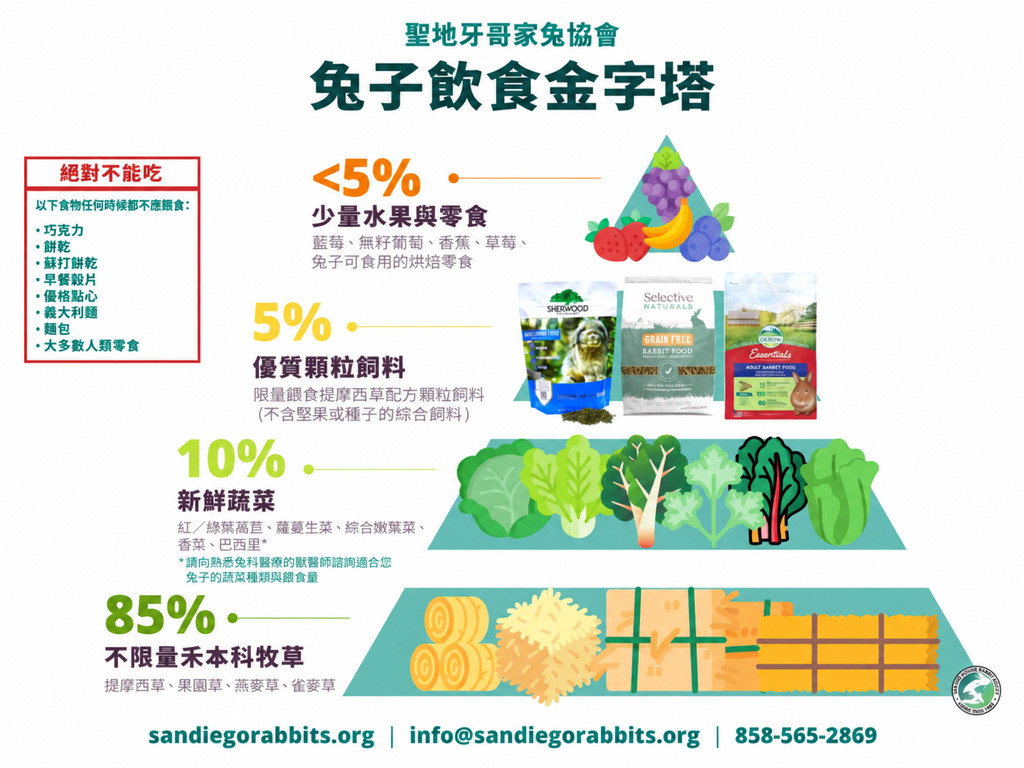
At the heart of proper rabbit care is a well-structured dietary pyramid. Veterinary experts universally agree that an optimal rabbit diet should consist of four primary components, broken down by volume and nutritional necessity:
85% Grass Hay: The undisputed foundation of every rabbit’s diet, providing essential fiber, dental wear, and digestive motility.
10% Fresh Vegetables: Nutrient-dense additions that supply vitamins, minerals, and hydration.
5% High-Quality Pellets: Concentrated nutrients that serve as a supplement rather than a primary food source.
Less than 5% Healthy Treats: Occasional rewards, such as fruits or starchy vegetables, given sparingly to prevent metabolic issues.
Maintaining this strict balance ensures that pet rabbits live long, active, and healthy lives free from preventable nutritional disorders.
Chronology: The Evolution of Modern Rabbit Dietary Guidelines
For decades, the care of domestic rabbits has evolved alongside advancements in veterinary science and exotic animal medicine. Understanding how dietary recommendations have shifted provides valuable context for modern rabbit husbandry.
Early Misconceptions and Commercial Pellets
In the early days of domestic rabbit keeping—particularly within agricultural and laboratory settings—rabbits were frequently fed diets heavily centered on commercial grain pellets and seeds. While rabbits readily consumed these calorie-dense foods, veterinarians soon noticed a surge in chronic health issues. Rabbits fed pellet-heavy diets suffered from severe dental disease (due to a lack of fibrous chewing action), obesity, gastrointestinal blockages, and shortened life expectancies.
The Shift Toward Fiber-Centric Diets
As exotic animal veterinary medicine advanced during the late 20th century, researchers began closely examining the natural foraging habits of wild rabbits. Wild lagomorphs subsist almost entirely on grasses, weeds, bark, and low-growing foliage. Translating this insight to domestic environments, veterinary leaders—pioneered by organizations like the Rabbit.org Think Tank—advocated for a radical restructuring of pet rabbit diets.
Commercial pellet manufacturers began formulating higher-fiber options, but more importantly, educators emphasized that hay must transition from a mere "bedding material" to the absolute centerpiece of daily meals. Today, the 85-10-5 percentage pyramid is widely accepted as the gold standard of rabbit care across global veterinary communities.
Supporting Data: Breaking Down the Four Dietary Tiers
To properly execute a healthy feeding routine, pet owners must understand the specific role, benefits, and feeding parameters of each tier within the rabbit food pyramid.
1. 85% Grass Hay: The Indispensable Foundation
Grass hay is the single most important element of a rabbit’s nutritional intake. Unlike alfalfa hay (which is actually a legume rich in calcium and protein, more suited for growing kits or nursing does), grass hays such as Timothy, orchard grass, brome, and oat hay are high in long-chain crude fiber.
This high fiber content serves two vital functions:
Digestive Motility: It keeps the gastrointestinal tract moving smoothly, preventing dangerous slowdowns or blockages.
Dental Health: Because a rabbit’s teeth grow continuously throughout its lifetime, the constant lateral chewing motion required to break down tough grass blades naturally wears down their teeth, preventing painful molar spurs and malocclusion.
Veterinary guidelines strongly recommend that grass hay be made available to rabbits 24 hours a day, 7 days a week, in unlimited quantities. Fresh hay should always smell sweet and clean; dusty, moldy, or damp hay should be discarded immediately.
2. 10% Fresh Vegetables: Leafy Greens and Hydration
Fresh vegetables provide essential moisture, vitamins, and behavioral enrichment. While wild rabbits consume a wide variety of leafy plants, domestic rabbits require careful vegetable selection to avoid digestive upset.
Portion Guidelines: As a general rule of thumb, owners should feed approximately 1 packed cup of fresh vegetables per 2 pounds of body weight daily, divided into two or more feedings.
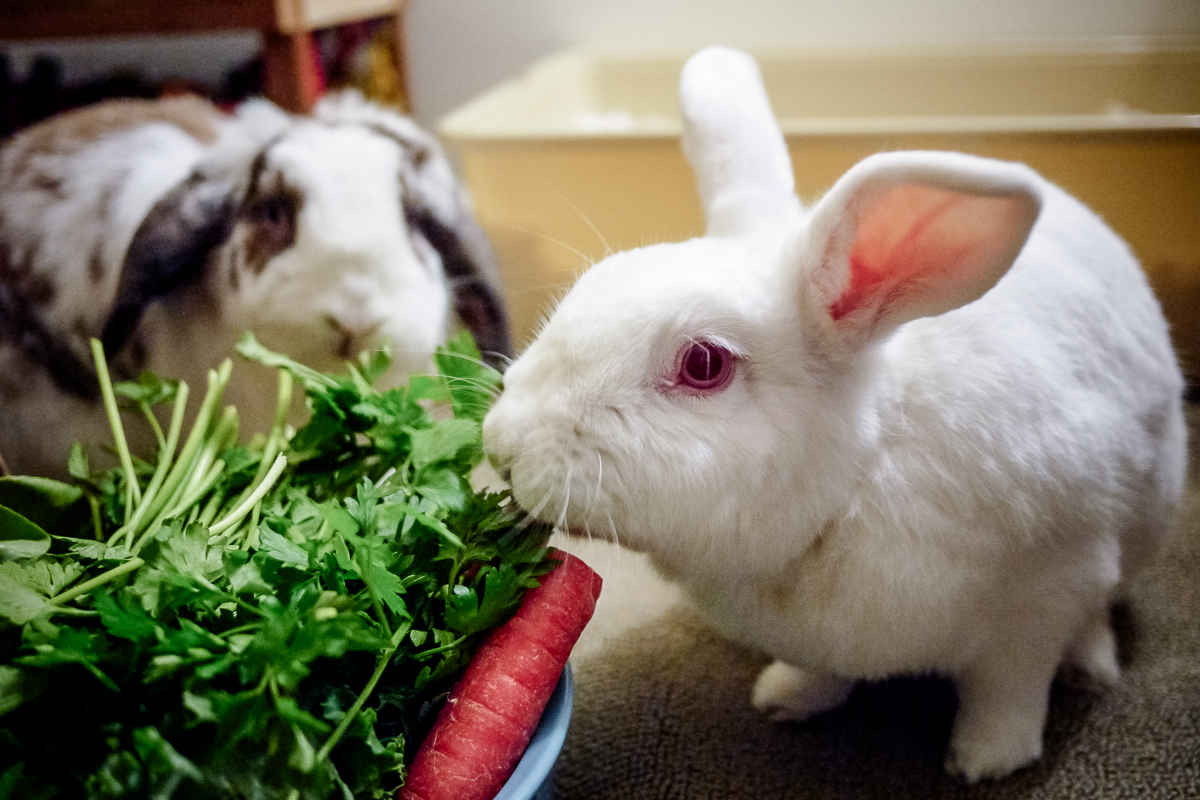
When introducing new vegetables, owners must practice patience by adding only one new item at a time in small quantities. This allows the rabbit’s delicate digestive flora to adapt and makes it easy to identify which specific vegetable might trigger soft stools or gas. Safe options include dark leafy greens like romaine lettuce, dandelion greens, cilantro, parsley, basil, and carrot tops.
3. 5% High-Quality Pellets: A Concentrated Supplement
While commercial pellets are often viewed by novice owners as the main meal, veterinary experts stress that they should constitute only a tiny fraction of the diet—roughly 5%.
Renowned exotic animal veterinarian Dr. Susan Brown notes:
"If we do not actively limit high-calorie pellets, rabbits will invariably overeat them, leading to obesity, sluggishness, and severe dental and gastrointestinal complications. Pellets should be viewed strictly as a vitamin and mineral supplement, not a staple food source."
High-quality rabbit pellets should feature a high fiber content (ideally 18% or more) and low protein and fat levels. Alfalfa-based pellets are appropriate for young, growing rabbits under six months of age, but adult maintenance rabbits should transition to timothy-based pellets. Owners must strictly portion daily pellet allotments rather than leaving food bowls full continuously, encouraging their pets to prioritize hay instead.
4. Less than 5% Healthy Treats: Fruits and Starchy Vegetables
Treats are a wonderful way to bond with a rabbit, but they must be strictly controlled. Sugary fruits (such as apples, bananas, and berries) and starchy root vegetables (such as carrots) are high in simple carbohydrates.
In nature, a wild rabbit encounters sweet fruits only seasonally and in very limited amounts. Feeding domestic rabbits high-sugar treats daily disrupts their delicate gut flora, potentially leading to fatal enterotoxemia or severe obesity. Treats should be limited to small, thumbnail-sized portions no more than a few times a week.
Official Responses: Veterinary Consensus on Rabbit Nutrition
Leading veterinary organizations and rabbit welfare advocates worldwide maintain a unified stance on optimal feeding practices. According to clinical guidelines published by exotic animal specialists, the primary causes of emergency veterinary visits in pet rabbits—including GI stasis, dental malocclusion, and obesity—are directly linked to improper diets lacking sufficient fiber.
Veterinary professionals continuously urge owners to resist the temptation of free-feeding commercial mixes that contain colorful seeds, nuts, and dried corn. These formulations are not only nutritionally unbalanced but actively harmful to a rabbit’s digestive tract. Instead, the official consensus remains absolute: unlimited grass hay, measured daily greens, strictly rationed pellets, and minimal treats.
Implications: What Happens When Diets Go Wrong?
The implications of improper nutrition extend far beyond minor weight fluctuations; they directly dictate a rabbit’s quality and length of life.
When a rabbit is fed a diet too high in carbohydrates and too low in long-chain fiber, the physiological consequences are severe:
Gastrointestinal Stasis: The slowing or complete cessation of gut motility, which can become fatal within hours if left untreated.
Dental Disease: Inadequate chewing of fibrous hay prevents natural tooth wear, resulting in sharp enamel spikes that lacerate the tongue and cheeks, requiring invasive veterinary dental trilled procedures.
Obesity and Sludge: Overweight rabbits struggle with grooming, leading to urine scalding, flystrike, and severe mobility issues, alongside the formation of calcium carbonate sludge in the bladder.
By adhering strictly to the recommended nutritional pyramid, owners can dramatically reduce the incidence of these painful conditions, ensuring their companion animals enjoy vibrant, healthy lives.
Frequently Asked Questions
Can rabbits eat unlimited pellets if they are young?
Yes. Growing kits under six months of age have high caloric and protein demands to support rapid development, and they may be fed unlimited alfalfa-based pellets alongside unlimited alfalfa hay. However, as they transition into adulthood (around six to eight months), pellets must be strictly restricted to maintain a healthy weight.
Why is hay so crucial for dental health?
Rabbits have open-rooted teeth that grow continuously throughout their lives—up to several inches per year. The abrasive silica and long-chain fibers found in grass hay require prolonged, side-to-side grinding motions that naturally wear down the teeth at the correct rate.
What should I do if my rabbit refuses to eat hay?
Some rabbits accustomed to a pellet- or treat-heavy diet may initially reject hay. Owners can encourage hay consumption by offering a variety of grass hays (such as mixing orchard grass with timothy), keeping hay fresh and clean in easily accessible racks, and temporarily reducing pellet portions to encourage natural foraging behavior.