By Denise Fleck
Pet Safety Crusader, Animal Care Instructor, and Award-Winning Author
Main Facts: The Reality of Dogs and Water
Not all dogs are born knowing how to swim. This is one of the most pervasive myths in the pet-parenting community. Even if you share your home with a breed renowned for its affinity for water—such as a Labrador Retriever, Portuguese Water Dog, or Newfoundland—assuming your pup is an instinctive aquanaut can lead to dangerous consequences. Teaching your dog how to swim is not merely a fun summer activity; it is a critical life skill that strengthens your bond and sets the foundation for a lifetime of safe, shared adventures.
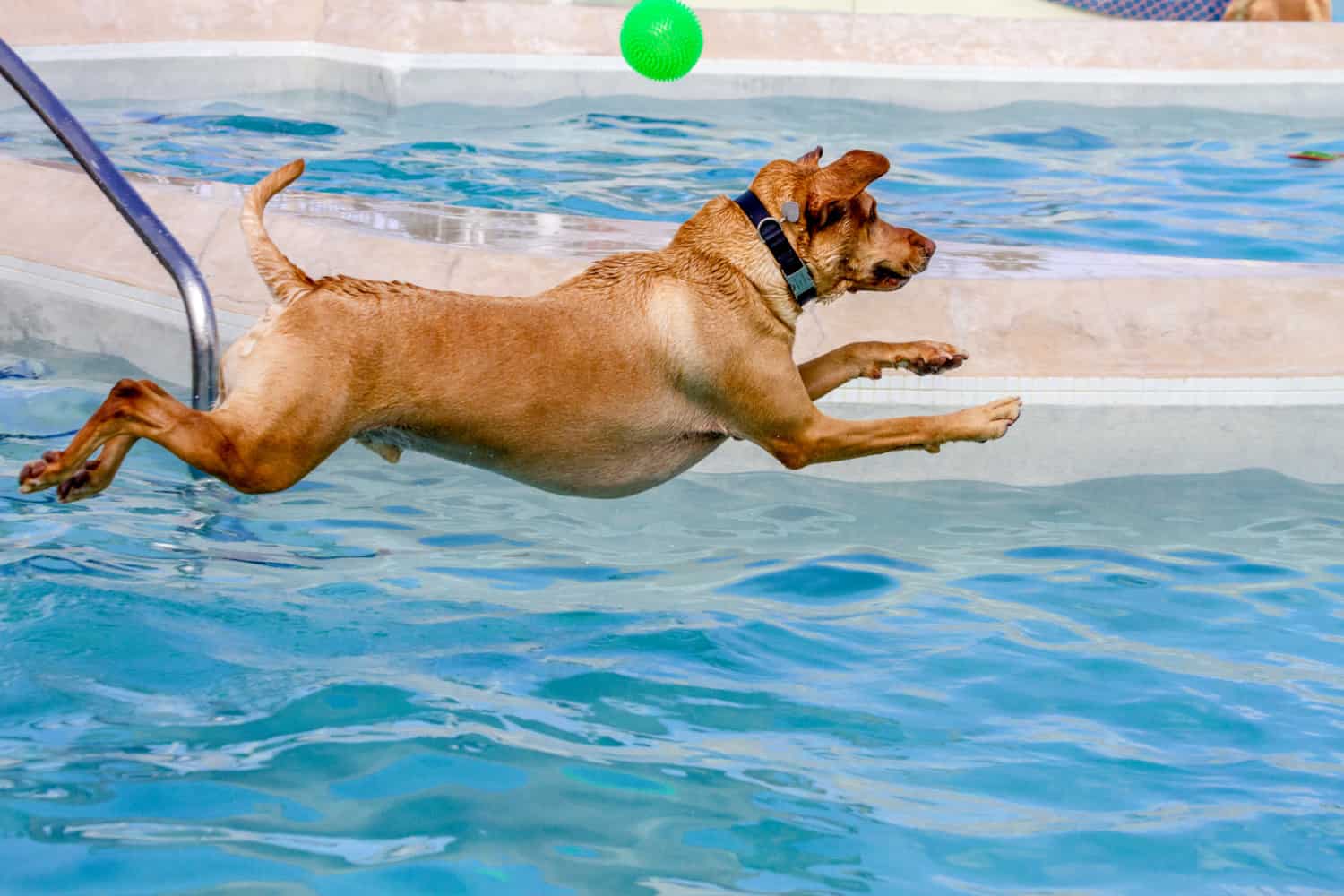
The stakes are remarkably high. According to animal welfare and pet safety estimates, approximately 10,000 dogs drown in the United States every year. The vast majority of these heartbreaking tragedies occur when unattended dogs accidentally fall or wander into backyard swimming pools and are unable to locate the steps to exit.
Just like humans, dogs panic when trapped in deep water. They rapidly exhaust themselves through frantic splashing, leading to submersion and fatal fatigue. Equipping your dog with water competency and teaching them how to navigate an aquatic environment safely is an essential responsibility for every modern pet owner.
Beyond drowning prevention, swimming serves as an exceptional therapeutic and fitness tool. For dogs suffering from canine arthritis, hip dysplasia, spinal issues, or those recovering from orthopedic surgeries, water provides a buoyancy-assisted environment. The water supports the dog’s skeletal frame, drastically reducing painful impact on joints while allowing them to engage in low-impact cardiovascular exercise and calorie burning.
Furthermore, high-energy performance dogs—those competing in agility, flyball, herding, tracking, and obedience trials—frequently utilize swimming as a cross-training method to maintain peak physical conditioning without putting excessive wear and tear on their joints.
Chronology: Understanding the Canine Aquatic Journey
Introducing a dog to water is a process that requires a careful, phased approach. Understanding how a dog naturally reacts to water helps pet parents tailor their training timeline from initial introduction to confident execution.
Phase 1: The Assessment (The First Encounter)
When you first introduce your dog to shallow water, observe their physical and behavioral reactions closely. You will generally fall into one of three distinct categories:
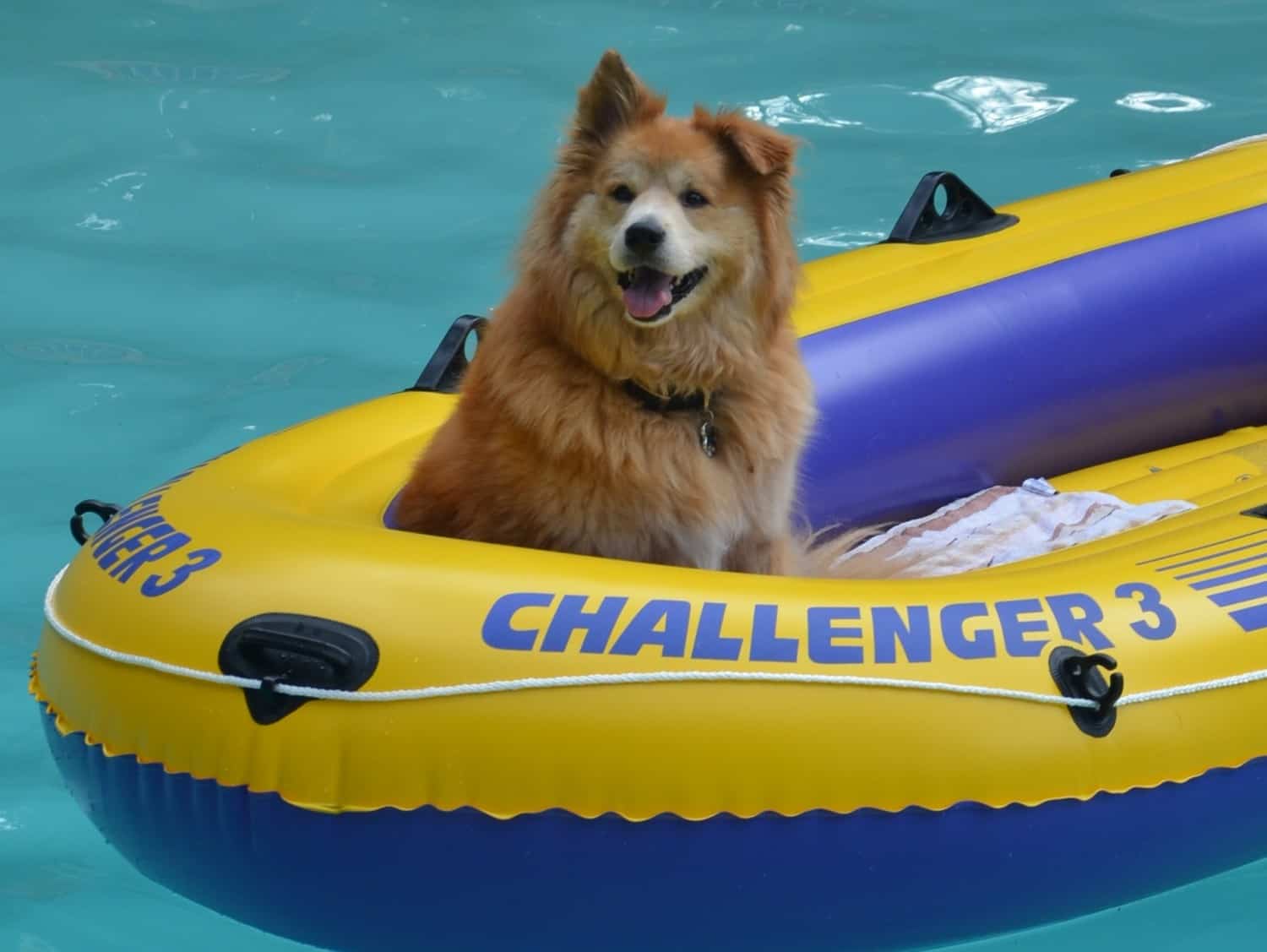
- The Land-Lover: These dogs want nothing to do with moisture. They will actively walk around puddles, cling to the shoreline, or refuse to step foot anywhere near a body of water unless placed on a floating raft.
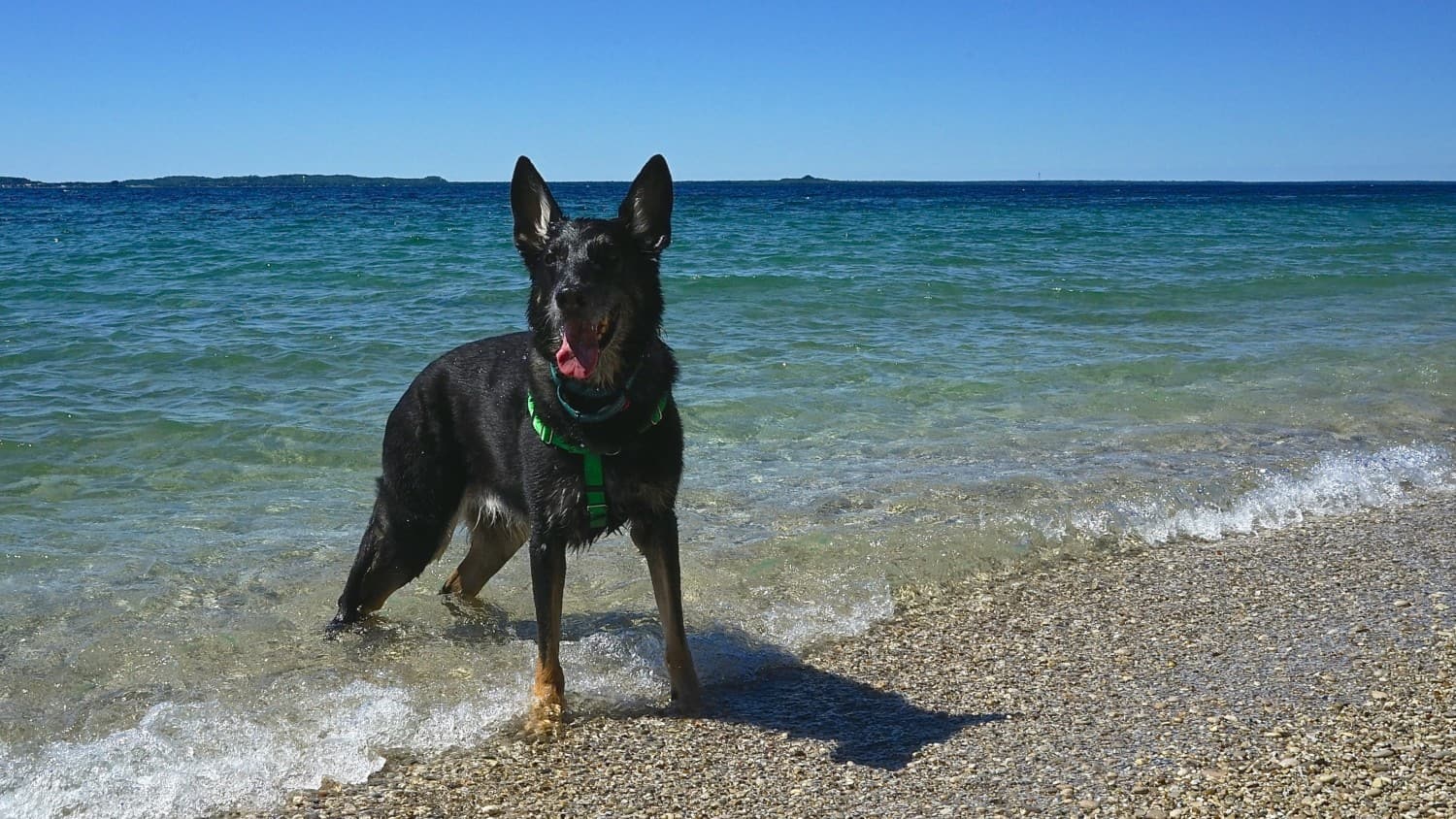
- The Novice Paddler: These dogs will enter the water, but their technique is flawed. They typically use only their front paws, slapping the water’s surface while their hindquarters sink dangerously low. They possess the desire but lack the neurological and physical coordination to stay afloat independently without coaching.
- The Natural Swimmer: These lucky pups immediately engage in a synchronized, horizontal motion, kicking both front and back legs in a coordinated "doggie paddle" that keeps them buoyant and balanced from the start.
Phase 2: Building Comfort and Technique
For dogs in the first two categories, the timeline shifts toward desensitization and positive reinforcement. Owners must spend days—or even weeks—introducing the shoreline slowly. Luring the dog with floating toys, high-value treats, and maintaining an ultra-patient demeanor is vital. Never force, throw, or drag a dog into deep water, as this creates a lasting trauma response and water phobia.
Phase 3: Establishing Safe Routines
Once the dog learns to paddle, the chronology of any water excursion must include structured intervals. This means monitoring energy output, implementing mandatory rest breaks to prevent exhaustion, and concluding every swim session with a thorough freshwater rinse and ear-drying routine.
Supporting Data: Breeds, Anatomy, and Health Statistics
Anatomical structure dictates swimming capability. Not every canine body type is engineered for aquatic propulsion.
Breed Vulnerabilities
- Brachycephalic Breeds: Dogs with short snouts, heavy bones, and massive chests—such as English Bulldogs, French Bulldogs, Pugs, and Boxers—struggle significantly in water. Their dense body composition and restricted airways make it nearly impossible to keep their heavy heads elevated above the waterline. For these breeds, life jackets (canine flotation devices) are mandatory, though shallow wading or kiddie pools are often a safer alternative.
- Heavy-Coated Land Breeds: Breeds with thick, heavy double coats that absorb water can quickly become weighed down, transforming a lightweight swimmer into a tired dog fighting heavy fabric-like fur.
Health and Fitness Metrics
- Obesity Epidemic: With over 50% of the domestic dog population classified as overweight or obese, low-impact hydrotherapy is increasingly prescribed by veterinarians. Swimming burns calories at up to double the rate of a standard leash walk, making it an invaluable tool in canine weight management programs.
- Joint Preservation: Hydrotherapy pools and controlled lake swims allow dogs with degenerative joint diseases to maintain muscle mass around arthritic joints without subjecting cartilage to high-impact pounding on asphalt.
Official Responses: Expert Insights and Safety Protocols
Leading veterinary professionals, animal behaviorists, and pet safety advocates emphasize that water safety goes beyond mere swimming instruction. Emergency preparedness is paramount.
The Canine Water Safety Checklist
Animal care instructors recommend adhering to strict safety guidelines whenever dogs and water mix:
- Water Temperature Matters: Avoid bodies of water that are excessively cold. Hypothermia can set in rapidly for dogs swimming in chilly mountain lakes or early-season pools, sapping their strength before they can swim to safety.
- Invest in a Canine Life Jacket: Even strong swimmers can benefit from a properly fitted canine flotation device equipped with a sturdy handle on the back. This handle allows you to easily pull your dog out of a pool, boat, or dock in an emergency.
- Monitor Water Quality: Natural lakes, ponds, and slow-moving rivers can harbor dangerous blue-green algae (cyanobacteria), leptospirosis bacteria, and parasites like Giardia. Always check local advisories before letting your dog drink from or swim in natural bodies of water.
- Protect Against Pool Chemicals: Swimming pools treated with chlorine or bromine can cause severe irritation to a dog’s sensitive skin, eyes, and mucous membranes.
Implications: Expanding Horizons Into Advanced Water Sports
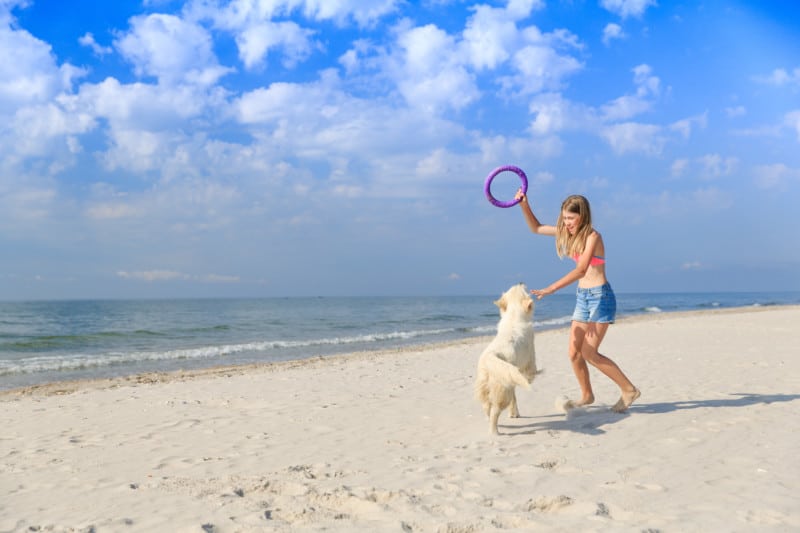
Once a dog has mastered basic buoyancy, water entry, and safe exit strategies, a whole world of recreational opportunities opens up for the pet and owner team.
Advanced Canine Aquatic Activities
- Canoeing and Kayaking: Perfect for water-loving dogs who enjoy floating alongside their humans. Always ensure your dog wears a life jacket and is trained to remain calm while afloat.
- Paddle Boarding (SUP): A popular trend that tests your dog’s balance and your own core stability. Start on calm lakes during windless mornings.
- Dock Diving: A high-octane sport where dogs leap off a raised dock into a body of water to retrieve a toy for distance or height. This is tailor-made for high-drive Retrievers.
- Boating and Sailing: Ideal for families who spend summers on lakes or coastal waters, provided the dog is acclimated to engine noise and wears a secure flotation vest.
The Post-Swim Protocol
The implications of failing to care for a dog post-swim can lead to costly veterinary visits. Bacterial ear infections are exceptionally common in floppy-eared swimmers whose ear canals trap moisture. Pet owners must thoroughly flush and dry their dog’s ears with a vet-approved drying solution after every water session. Furthermore, rinsing off chemical chlorine, saltwater, or muddy lake debris protects the skin’s natural lipid barrier from irritation and dermatitis.
Ultimately, teaching your dog to swim is a rewarding journey of patience, trust, and safety. By respecting your individual dog’s comfort level, prioritizing physical limitations, and keeping safety protocols at the forefront, you will cultivate a confident water companion and unlock a lifetime of aquatic adventures together.