Introduction: The Invisible Risks of Production
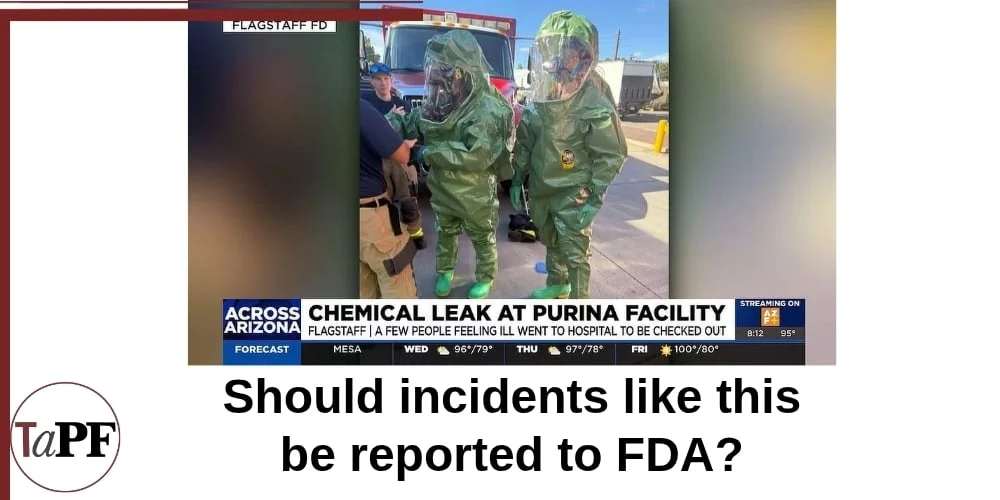
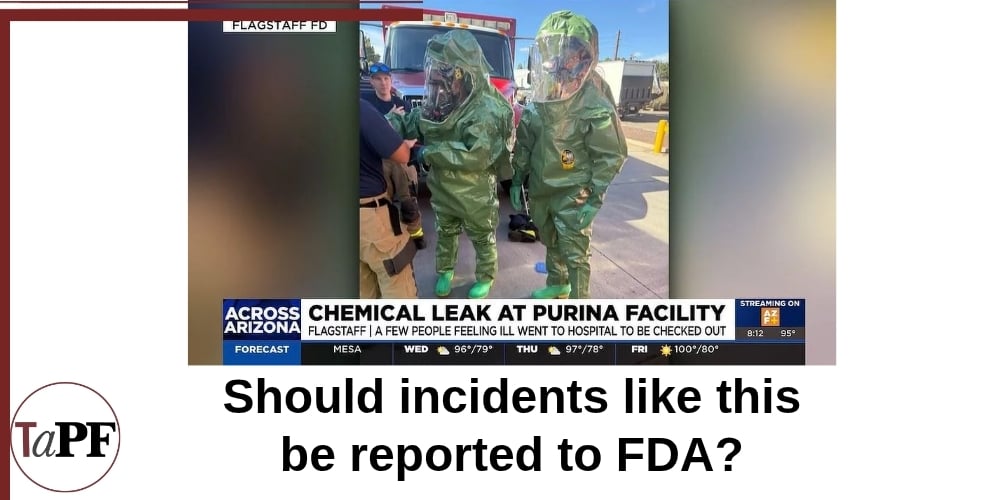
On September 22, 2026, an industrial incident occurred at the Nestlé Purina pet food manufacturing facility in Flagstaff, Arizona. While the company characterized the event as a contained, minor chemical spill, the incident has reignited a long-standing debate among consumer advocates regarding the regulatory silos that govern pet food safety and industrial workplace protection.
When a manufacturing plant experiences a chemical leak, a fire, or an explosion, the immediate priority for first responders is the stabilization of the site and the safety of human personnel. However, the secondary—and often overlooked—consequence is the potential for contamination of the pet food products being manufactured just feet away. As this incident highlights, there is a critical disconnect between the agencies responsible for worker safety and those tasked with protecting the food supply chain.
Chronology of the Flagstaff Incident
The events of September 22 unfolded rapidly, triggering both internal safety protocols and the intervention of local emergency services.
- Initial Discovery: A chemical distribution system within the facility malfunctioned, causing two distinct chemical agents to combine. This reaction resulted in corrosion within a distribution line, leading to a release of vapor.
- Emergency Response: The facility management initiated an immediate evacuation of the boiler room. The Flagstaff Fire Department and a specialized hazmat team were dispatched to the site to assess the atmospheric conditions.
- Containment: Purina officials reported a 10-gallon spill. The hazmat team evaluated the area to ensure no toxic concentrations remained in the air.
- Personnel Status: Three employees were transported to a local hospital for evaluation following exposure concerns. Purina confirmed that none of these individuals were admitted, and all returned to their duties later that same day.
- The "All-Clear": Following a sweep of the facility, the Flagstaff Fire Department reported no trace of dangerous gas, allowing the plant to resume normal operations.
Official Responses and Lingering Questions
The incident at the Flagstaff plant—which produces major brands including Dog Chow, Beneful, Purina ONE, Alpo, and Pro Plan—was addressed by a company representative shortly after the site was cleared.
Purina maintained that the incident was isolated to the boiler room, an area they stressed is not connected to the actual production of pet food. By framing the incident as "small" and "contained," the company sought to reassure the public that no threat to the integrity of the pet food supply existed.
However, consumer advocates remain skeptical. The primary points of contention are the lack of transparency regarding the specific chemicals involved and the absence of a formal, public disclosure regarding the potential for airborne contamination of open production lines. While the company stated that the boiler room is separate from production, the facility operates as a single interconnected environment. Without a detailed report from independent third-party testers, the assurance that "no cross-contamination occurred" remains a statement of corporate policy rather than verified scientific fact.
The Regulatory "Blind Spot"
The core of the issue lies in the current structure of oversight. In the United States, industrial safety is governed by the Occupational Safety and Health Administration (OSHA), while the safety of pet food is the purview of the Food and Drug Administration (FDA) and various state regulatory bodies.
The Jurisdiction Gap
When a fire or chemical spill occurs at a pet food plant, fire departments and OSHA officials are strictly concerned with human life and structural integrity. They do not have the mandate—or often the expertise—to determine if a specific chemical aerosol or fire-extinguishing foam might have compromised the nutritional or chemical safety of the pet food ingredients nearby.
There is currently no federal requirement for pet food manufacturers to notify the FDA or state authorities of industrial accidents like fires or chemical leaks. This means that if a batch of kibble is exposed to toxic soot or chemical fire suppressants, the manufacturer is not legally compelled to report it to food safety regulators. The product could theoretically proceed through the supply chain to retail shelves without a single inspection from a food safety official.
The "Aflatoxin" Precedent
The danger of this jurisdictional "siloing" is not theoretical. In 2020, a significant outbreak of aflatoxin—a toxic byproduct of mold—occurred in products from Midwestern Pet Foods. The incident resulted in numerous pet illnesses and deaths. When researchers asked the FDA whether they had shared their findings with OSHA to protect the plant employees (who were breathing in toxic grain dust), the FDA declined. The agency’s reasoning was that employee health fell entirely outside their jurisdiction.

This lack of "common sense" collaboration—where information about a hazardous environment is not shared between agencies—leaves both workers and pets at risk. A 30-second phone call or a shared automated report could ensure that if a plant is unsafe for humans, it is also checked for food safety.
Implications for the Pet Food Industry
The pet food industry is inherently prone to industrial accidents. The combination of high-heat ovens, dust-heavy ingredients, and chemical processing systems creates a volatile environment.
Combustible Dust and High-Heat Risks
Pet food plants frequently experience fires due to the accumulation of organic dust. When these fires occur, they are often treated as "routine" industrial events. However, these events create "moisture-damaged ingredients" and introduce particulate matter into the facility. If these ingredients are not discarded, they can become part of the final product.
The Need for Legislative Reform
If the industry will not voluntarily report these incidents, then legislation is required. The following changes should be considered:
- Mandatory Incident Reporting: All pet food manufacturers should be required to report any industrial incident (fire, leak, explosion) to the FDA within 24 hours.
- Cross-Agency Communication: OSHA and the FDA must establish a protocol for immediate information sharing when an incident occurs at a food-processing facility.
- Third-Party Audits: Following any chemical or fire incident, a facility should be required to undergo a third-party safety assessment to verify that no contamination occurred in the production area before resuming operations.
Conclusion: A Call for Transparency
The incident in Flagstaff may have been, as Purina stated, a minor event with no lasting impact. However, the process that followed is the real story. We currently operate under a system that trusts manufacturers to police themselves regarding the secondary effects of industrial accidents on food safety.
As pet owners, we are increasingly viewing our pets as family members, yet the regulatory framework surrounding their food remains antiquated and fragmented. It is not enough for a company to say, "It was a minor spill." We deserve a system that requires, at a minimum, the transparency to know what chemicals were involved and the assurance that an independent body has verified the safety of the food produced in that environment.
Until the law changes to require disclosure, the burden falls on the consumer to demand more from manufacturers and regulators alike. Transparency should not be a courtesy; it should be the standard.
Susan Thixton is a pet food consumer advocate and the founder of TruthaboutPetFood.com. She works extensively with the Association for Truth in Pet Food to represent consumer interests before the FDA and AAFCO.