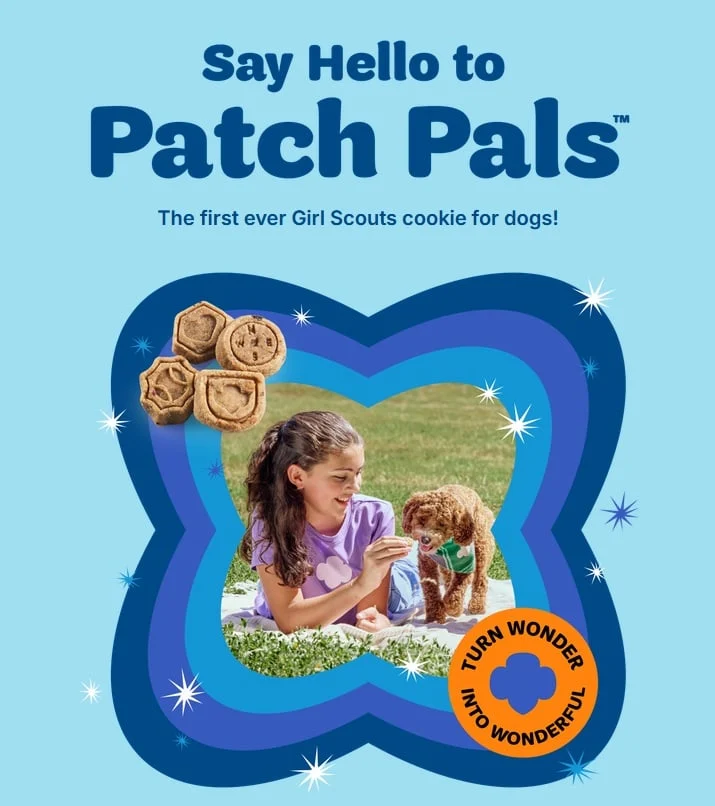
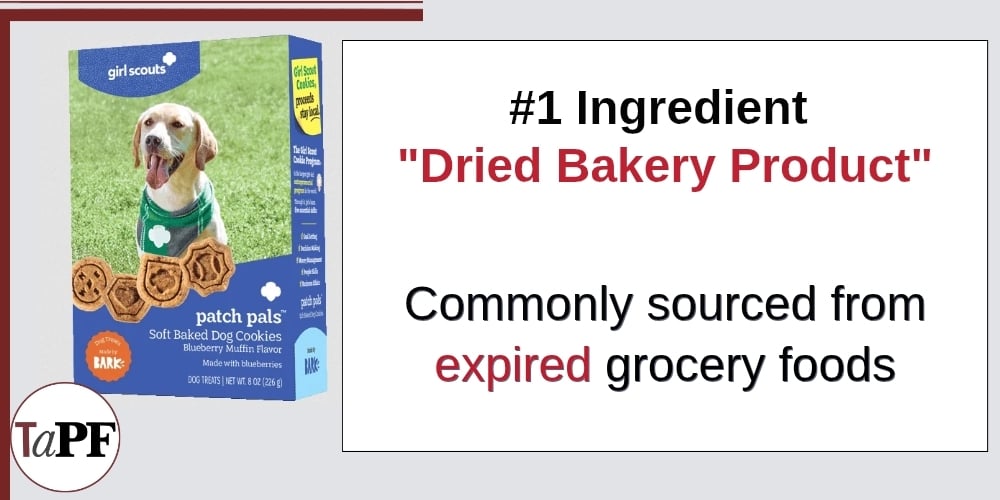
In a move aimed at capitalizing on the beloved brand’s cultural status, Girl Scouts of the USA (GSUSA) recently announced the launch of "Patch Pals," a line of blueberry-muffin-flavored dog cookies. While the marketing campaign frames the treats as a way to "celebrate the bond between people and their pups" through iconic Girl Scout-themed designs, the product has quickly become the center of a burgeoning controversy. Consumer advocates and pet nutrition experts are questioning the transparency of the organization, specifically regarding the inclusion of a controversial primary ingredient: "Dried Bakery Product."
The Main Facts: What Are Patch Pals?
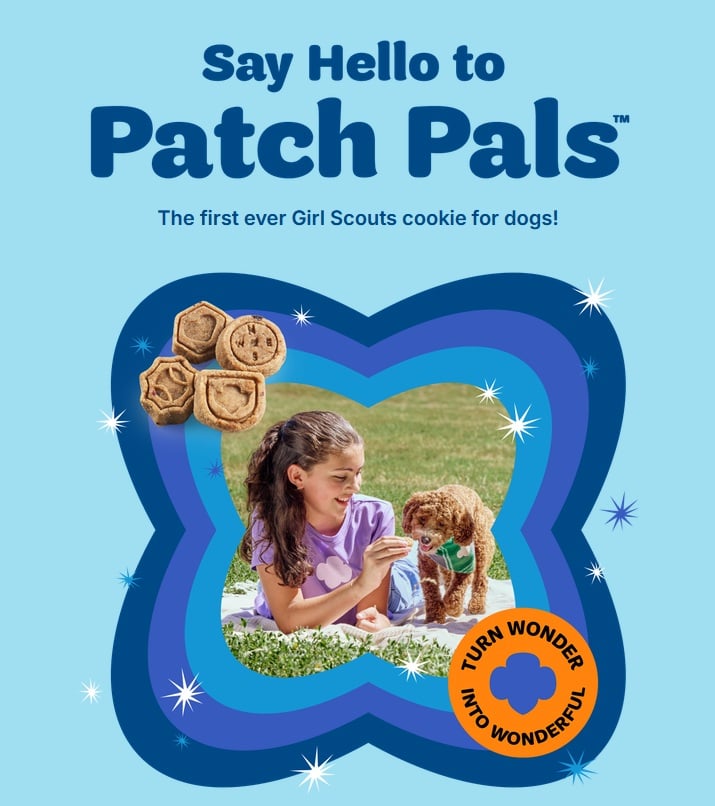
The launch of Patch Pals, unveiled as part of the 2026-2027 product cycle, was intended to be a wholesome expansion of the Girl Scout brand. The organization’s press materials emphasize the aesthetic and emotional appeal of the treats, which are soft-baked and embossed with four distinct "patch" designs representing traditional Girl Scout experiences.
However, beneath the polished marketing lies a nutritional profile that has drawn sharp criticism from industry watchdogs. According to the product’s ingredient declaration, the primary component—the ingredient present in the highest quantity by pre-cooked weight—is labeled simply as "Dried Bakery Product." While this ingredient is technically permissible under current regulatory standards for animal feed, it is rarely found in high-quality, premium pet foods, leading many to label the product as a significant departure from the values consumers associate with the Girl Scout brand.
Chronology: From Concept to Consumer Backlash
The timeline of this controversy began with the official press announcement in late 2026. The rollout was designed to coincide with the standard Girl Scout cookie season, leveraging the organization’s massive distribution network.
- September 2026: GSUSA announces the debut of "Patch Pals" in collaboration with manufacturing partners. The announcement highlights the "blueberry muffin" flavor and the "patch" branding as primary selling points.
- October 2026: Pet food consumer advocates, led by organizations such as the Association for Truth in Pet Food, begin analyzing the ingredient list of the new product.
- Late October 2026: Discrepancies between the marketing narrative and the ingredient labeling emerge. The inclusion of "Dried Bakery Product" as the first ingredient is flagged as a potential health and transparency concern.
- November 2026: The story gains traction in pet advocacy circles, with calls for GSUSA to explain the sourcing of the bakery waste used in their production lines. As of mid-November, the organization remains largely silent on the specific sourcing protocols for this ingredient.
Supporting Data: Understanding "Dried Bakery Product"
To understand the severity of the criticism, one must look at the technical definition of "Dried Bakery Product." According to established industry standards, it is defined as a mixture of bread, cookies, cakes, crackers, flours, and doughs that have been mechanically separated from non-edible materials, then artificially dried and ground.
The "Non-Edible" Factor
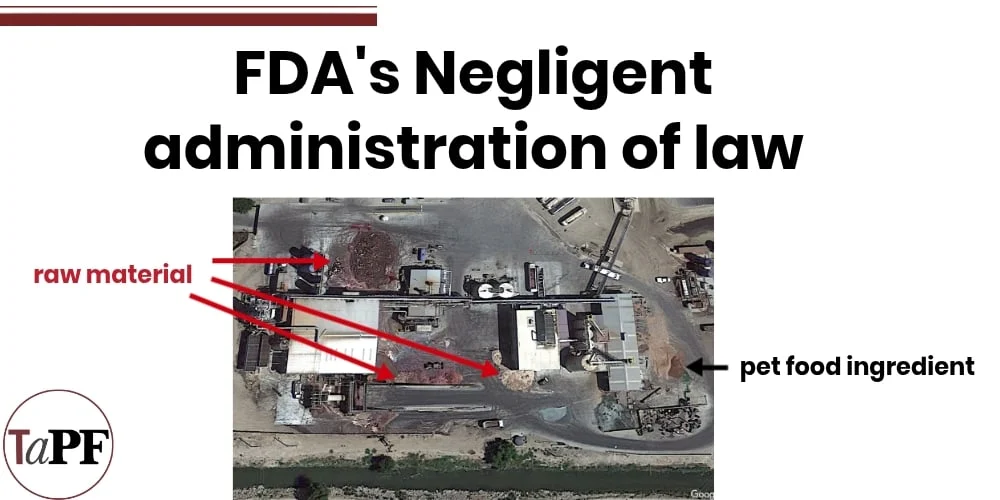
The term "non-edible material" in the regulatory definition refers to the original product packaging. Critics point out that the process of mechanical separation is not infallible. When expired grocery items—which may include moldy bread or rancid baked goods—are processed through industrial "depackaging" machines, the potential for contamination is high.
Critics argue that:
- Lack of Purity Standards: There are no stringent regulations preventing the inclusion of moldy or significantly degraded raw materials in this mixture.
- Packaging Residue: While the machines are designed to separate food from plastic, foil, and paper, the process does not guarantee a 100% sterile output. Trace amounts of packaging material can, and often do, remain in the final feed ingredient.
- Low-Grade Nutrition: Unlike human-grade ingredients, Dried Bakery Product is widely classified as a low-cost, feed-grade filler. It is historically utilized in the livestock industry to provide bulk calories at a minimal cost, rather than in the companion animal industry, where higher standards for pet health are expected.
The availability of industrial machinery videos showing the rough, mechanical nature of this "depackaging" process has further shocked consumers, who are often unaware that their pets’ treats might contain the "recycled garbage" of the commercial bakery industry.
Official Responses and Organizational Silence
As of the date of this report, Girl Scouts of the USA has not issued a formal rebuttal or an explanatory statement regarding the choice of "Dried Bakery Product." When contacted for comment by consumer advocacy groups, the organization did not provide a specific breakdown of their quality control measures or an explanation for why this particular ingredient was prioritized over more nutritional alternatives.

The lack of communication has fueled speculation that the decision to use this ingredient was purely financial. By utilizing a byproduct that is effectively industrial waste, the manufacturers can significantly lower production costs. However, this creates a disconnect with the brand identity of the Girl Scouts, which is historically built on trust, community service, and integrity.
Implications: A Crisis of Trust
The inclusion of an industry-grade filler in a product marketed as a special treat for family pets raises significant questions about the vetting process for brand-licensed merchandise.
Impact on Brand Reputation
The Girl Scout brand is one of the most trusted names in America. By attaching that name to a product that utilizes "recycled grocery garbage," the organization risks alienating its core demographic—parents who prioritize the health and safety of their families, including their pets. For many, the "Patch Pals" incident is a case study in corporate overreach, where the desire for revenue diversification has overshadowed the commitment to product quality.

Regulatory and Consumer Advocacy
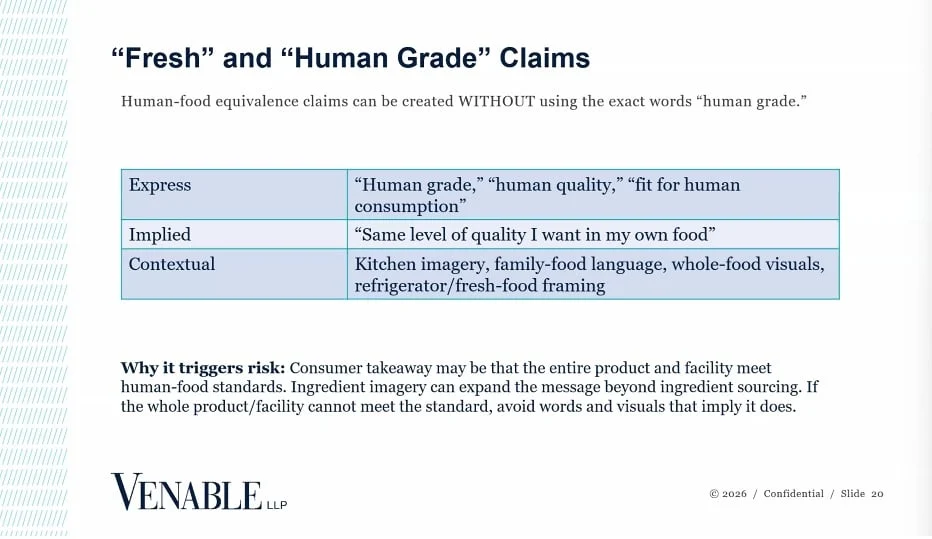
Pet food consumer advocates are using this incident to lobby for tighter regulations on how "feed-grade" ingredients are marketed to pet owners. The Association for Truth in Pet Food, among others, argues that there should be a clearer distinction between "human-grade" and "feed-grade" ingredients in pet treat labeling.
Consumers are increasingly demanding that manufacturers:
- Disclose Sourcing: Provide full transparency on where ingredients like Dried Bakery Product are sourced.
- Improve Ingredient Quality: Move away from low-quality, waste-derived fillers in favor of whole, nutritious ingredients.
- Third-Party Verification: Implement independent testing to ensure that pet treats are free from mold, mycotoxins, and micro-particles of packaging.
Moving Forward: What Should Pet Owners Do?
For the average consumer, the "Patch Pals" controversy serves as a stark reminder of the "buyer beware" climate in the pet treat industry. Despite the trusted reputation of a brand, the ingredient label is the only true indicator of what a pet is consuming.
Experts advise pet owners to:
- Read the Ingredient Panel: Always identify the first three ingredients. If you see terms like "Dried Bakery Product," "Animal Digest," or generic "Meat Meal," consider choosing a product with clearer, higher-quality, whole-food ingredients.
- Consult the Experts: Resources such as the "Truth About Pet Food" website and the "2026/27 Treat List" offer curated databases of manufacturers that maintain higher standards of safety and quality.
- Voice Concerns: Organizations like the Association for Truth in Pet Food rely on public engagement to advocate for change at the regulatory level (AAFCO and FDA). By contacting organizations like GSUSA, consumers can exert pressure that forces corporations to rethink their ingredient sourcing.
The "Patch Pals" saga is far from over. As more pet owners become aware of the reality behind the ingredients, the pressure will likely mount on the Girl Scouts to either reformulate their product or justify their standards to a public that expects better for their companions. Until that happens, the case of the Girl Scout dog cookie stands as a cautionary tale about the intersection of commercial branding and the opaque world of the pet food industry.
The Girl Scouts have built a legacy on preparing the next generation for the future. In this instance, critics argue, they have failed to prepare a safe and transparent future for the pets that share our homes. Whether this leads to a product recall or a quiet reformulation remains to be seen, but the demand for transparency is louder than ever.