Introduction: A Canine Spa Day Like No Other
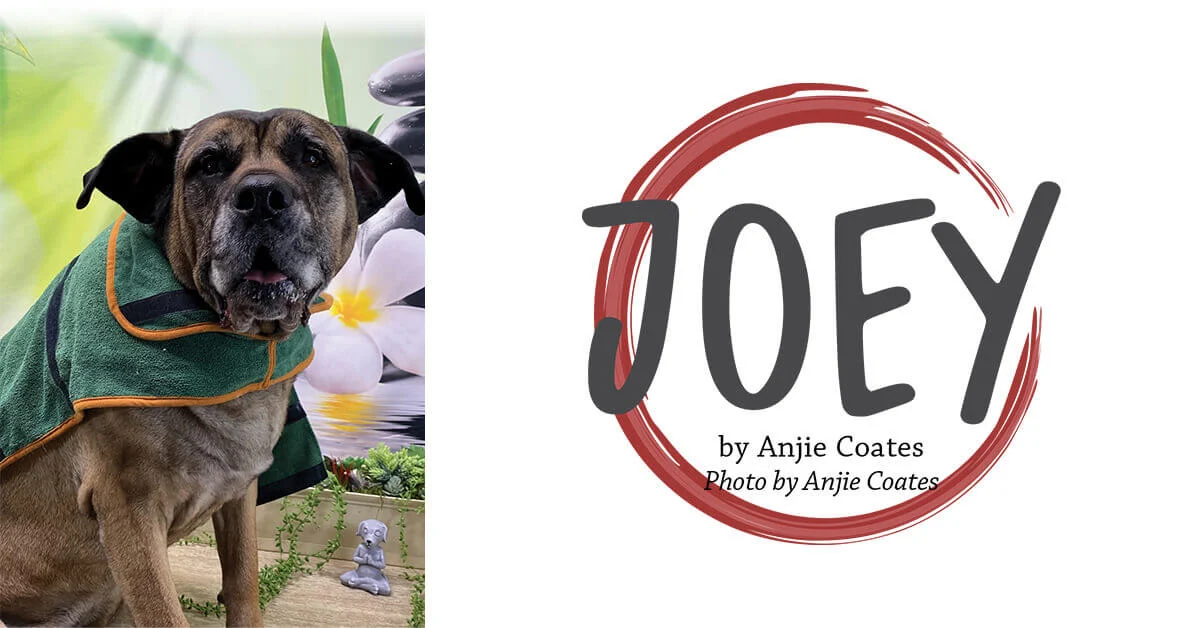
In the world of professional pet grooming, few clients command the same level of affection and personality as Joey, an 11-year-old Boerboel whose monthly visits to the grooming salon have become a local legend. While many large-breed dogs find the grooming table an intimidating prospect, Joey treats his appointment as a social engagement, a spa day, and a comedy routine all rolled into one. As an aging member of the Mastiff family, Joey’s maintenance is not merely about aesthetics; it is a critical component of his geriatric care plan, ensuring that his mobility remains intact and his quality of life stays high.
The Chronology of a Grooming Session
The ritual begins the moment Joey steps into the salon. Despite his substantial size and the intimidating physical presence typical of the Boerboel breed, his demeanor is consistently jovial.
Phase I: The Table Setup and Safety Measures
Once lifted onto the grooming table, Joey displays his signature move: sitting firmly on his haunches and stretching his front paws forward. It is a posture of supreme comfort. The primary task is the removal of excess fuzz between his paw pads. While this might seem like a cosmetic choice, it is a vital safety measure. For a senior dog, the hardwood floors of a typical home can be treacherous; without trimmed pads, the risk of slipping—or "gliding," as Joey jokingly refers to it—increases significantly, posing a threat to his aging hips.
Phase II: Grooming, Hygiene, and the "Drool Factor"
As the grooming process moves from his paws to his coat, the conversation—if one could call it that—shifts to his recent medical history. The grooming process acts as a full-body physical assessment. During the brushing process, the presence of loose, sagging skin—or "chub," as his groomer affectionately calls it—is noted, leading to a candid discussion about the veterinarian’s recent weight-related diagnosis.
Joey, who clearly harbors a grudge against his vet for labeling him "fat," views his new exercise regimen with skepticism. The session continues with ear cleaning, where the discovery of road dirt serves as further evidence of his recent increase in daily walks. Despite the indignity of having his ears cleaned, Joey maintains his high spirits, eventually transitioning to the final stage of the day: the portrait session.
Phase III: The Portrait and the Treat Negotiations
The finale of every session is a photo shoot. Joey’s enthusiasm for the camera is palpable; he practically pulls his groomer toward the studio area. It is here that the complex negotiations regarding dietary intake take place. In an effort to support his owner’s goal of weight management, the groomer practices a "fractional treat" system, breaking single beef liver treats into smaller pieces. Joey, possessing a sharp mind for logistics, quickly catches on to the rationing, questioning the math behind the shrinking portions.
Supporting Data: The Importance of Geriatric Maintenance
Joey’s case is a textbook example of why regular professional grooming is essential for aging large-breed dogs.
- Mobility Support: By trimming the hair between the paw pads, owners significantly reduce the coefficient of friction on slick surfaces, preventing falls that could result in fractures or ligament tears.
- Early Detection: Regular brushing and handling allow groomers to identify lumps, bumps, or skin irritations that might otherwise go unnoticed under a dense coat.
- Hygiene and Infection Prevention: For breeds like the Boerboel, which can have heavy folds of skin and deep ear canals, professional cleaning is essential to prevent yeast infections and dermatological issues.
- Mental Stimulation: The "spa day" provides a change of scenery and positive social interaction, which is vital for the cognitive health of senior dogs.
Official Perspectives on Senior Canine Care
When asked about the necessity of such rigorous grooming for an 11-year-old Boerboel, veterinary experts emphasize that "comfort is care." The Boerboel is a breed prone to joint issues and hip dysplasia. An 11-year-old dog of this size is considered a senior, and the stress of grooming must be balanced with the health benefits.
"The goal is to keep the dog mobile and pain-free," notes a local veterinary technician. "When a groomer takes the time to address paw pad health, ear hygiene, and coat condition, they are performing a preventative health service. It’s not just about looking good; it’s about avoiding the emergency room."
Regarding the weight management issue, the consensus is clear: while the dog may resent the diet, the owner’s commitment to the veterinarian’s instructions is the most important factor in extending the animal’s lifespan. "The ‘extra Joey to love’ is exactly what we need to avoid in senior giant breeds," the technician adds. "Even a few pounds off the frame makes a massive difference in joint pressure."
Implications for Senior Dog Owners
Joey’s story serves as a case study for owners of senior dogs. The primary implications are:
- Consistency is Key: Just as Joey’s monthly schedule creates a sense of security and routine, owners should establish regular grooming and health check-ups.
- Communication is Vital: The relationship between the owner, the vet, and the groomer should be collaborative. If a vet prescribes a diet, the groomer should be aware of it so they don’t inadvertently undermine that work with excessive treats.
- Positive Reinforcement: Even when the process is "unpleasant" (like ear cleaning), maintaining a positive, loving tone helps reduce the dog’s stress levels.
- Embracing the "Golden Years": Aging dogs require more patience. Whether it is moving more slowly or dealing with the occasional "slobber incident," the focus should remain on the bond between the human and the animal.
Conclusion: A Heartfelt Bond
As the session ends, Joey is fitted with his signature bathrobe, ready to head home. He remains a character of significant charm and intelligence, fully aware of his status as a "good boy" while still holding out hope for a return to full-sized treats. His journey from the grooming table to his home is a testament to the fact that, at 11 years old, life can still be filled with joy, companionship, and the occasional, well-earned treat.
For his owner and his groomer, Joey is more than just a client; he is a reminder of the profound impact that dedicated care can have on an aging animal. Through the simple, repetitive actions of brushing, cleaning, and professional grooming, the quality of his "golden years" is preserved—one trim, one treat, and one "gliding" step at a time.