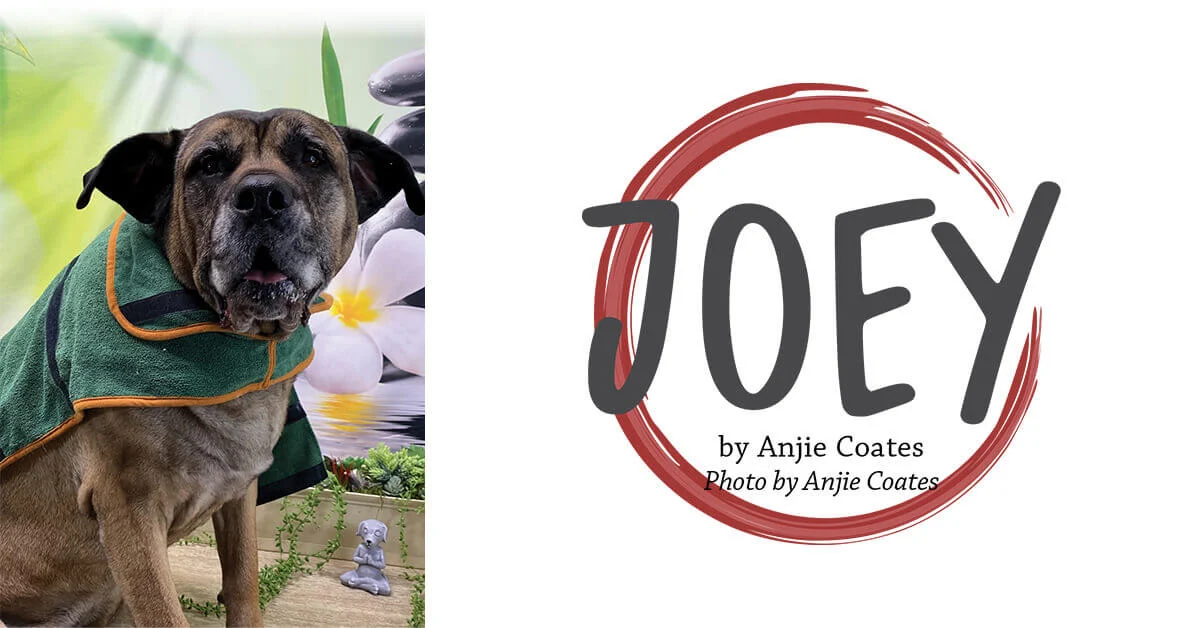
In the specialized world of pet care, the bond between a groomer and their client is often reduced to a simple transaction of hygiene. However, for Joey, an 11-year-old Boerboel, his monthly grooming session transcends mere sanitation; it is a vital wellness check, a social engagement, and a masterclass in the unique, often humorous, communication style that develops between a dog and his caretaker.
Main Facts: The Monthly Ritual
Joey, a breed known for its stature and protective nature, has become a fixture at the local grooming studio. At 11 years old—a significant age for a large breed dog—Joey’s monthly appointments are focused on more than just aesthetics. The grooming sessions serve as a critical component of his geriatric care plan.
The primary objectives of these visits include maintaining paw pad health to prevent slips on hardwood floors, monitoring nail length to ensure comfort during his increased exercise regimen, and maintaining the cleanliness of his ears and coat. These sessions provide the groomer with a unique vantage point to assess Joey’s physical health, temperament, and the effectiveness of his weight management program, all while maintaining the high spirits that define this particular Boerboel’s personality.
Chronology: A Morning at the Spa
The session begins with a familiar routine. Upon being placed on the grooming table, Joey assumes his signature position: sitting on his haunches with his front legs stretched out, a posture that signals both his comfort and his readiness for the proceedings.
Phase 1: Paw Care and Mobility
The groomer initiates the process by shaving the fuzz between Joey’s toes. This is not merely for aesthetics; for a senior dog, traction is a matter of orthopedic safety. The groomer notes that Joey often treats the grooming process as a collaborative dialogue. When the clippers cause a ticklish sensation, Joey expresses his discomfort through playful wiggles. The groomer explains the medical necessity—preventing slips that could lead to hip strain—to which Joey offers a characteristically stubborn rebuttal, insisting that his tendency to slide across the floor is a deliberate, graceful "gliding" maneuver.
Phase 2: Behavioral Observations and Weight Management
As the session progresses, the focus shifts to nail care and general grooming. The groomer notes that Joey’s nails are impressively short, a testament to his recent increase in daily "road work"—the walks his owner has implemented to address concerns raised by the veterinarian.
The conversation turns toward the vet’s recent assessment. Joey, in a display of dramatic indignation, recounts the veterinarian’s blunt observation that he was overweight. The groomer, observing the "extra Joey" beneath the coat, balances professional honesty with empathetic care. She emphasizes that while the weight loss journey is challenging, it is essential for ensuring that Joey remains a fixture at the studio for many "spa days" to come.
Phase 3: The Photo Finish
Following a thorough cleaning of his ears—which revealed a significant amount of "road dirt" indicative of his active lifestyle—the groomer transitions to the final stage of the session: the photo shoot. This is the highlight of Joey’s visit. He demonstrates a surprising burst of energy, guiding the groomer toward the designated photography area. The session concludes with a negotiation over treats, where the groomer manages Joey’s intake by breaking a single, high-value liver treat into three smaller portions, a strategy designed to support his ongoing weight-loss goals without sacrificing the reward of a job well done.
Supporting Data: Understanding the Boerboel
The Boerboel is a South African mastiff breed characterized by its strength, intelligence, and deep loyalty. As a large-breed dog, they are prone to joint issues, specifically hip and elbow dysplasia, which makes the maintenance performed by the groomer—such as keeping paw pads trimmed for grip—a crucial preventative health measure.
Veterinary research consistently highlights that for senior dogs, maintaining an ideal body condition score is the most significant factor in longevity and quality of life. The "road work" mentioned by Joey’s owner is a standard recommendation for managing senior obesity. Regular, low-impact exercise helps maintain muscle mass, which supports the joints, while simultaneously managing weight.
Furthermore, the "social grooming" aspect observed in this session has been documented in veterinary behavioral studies. Dogs that are regularly handled and groomed exhibit lower levels of cortisol (the stress hormone) and show increased trust in human handlers, which can make subsequent veterinary examinations significantly less traumatic.
Official Responses and Perspectives
The interaction between the groomer and Joey highlights a shift in the pet industry toward "fear-free" and holistic grooming.
- The Groomer’s Perspective: The groomer views herself as a partner in the dog’s healthcare. By using the grooming time to observe changes in mobility, skin condition, and attitude, she acts as an early warning system for the owner. "I love you, honey, but I don’t love your drool on my head," she remarks, balancing the necessary discipline of the grooming process with the genuine affection she holds for her long-term client.
- The Client’s Perspective: Joey’s perspective, as interpreted through his behavior, is one of full cooperation, albeit with a sense of entitlement regarding treats. His insistence on "regular-sized treats" indicates that he understands the causal relationship between his behavior ("being a good boy") and his rewards. His concern about his weight and his desire to satisfy his owner’s expectations suggest a highly attuned, emotionally intelligent animal.
Implications for Senior Dog Care
The case of Joey serves as a microcosm for the broader implications of senior pet care.
- Preventative Grooming: Grooming is not merely about appearance. For senior dogs, it is a health intervention. Keeping hair trimmed to prevent slips, cleaning ears to prevent infections, and checking nails to prevent gait abnormalities are essential services that extend the dog’s mobility.
- The Weight Management Struggle: The "bad vet" narrative is common among pet owners and their companions. Weight loss in older dogs is difficult, often requiring a strict diet and modified exercise regimens. The groomer’s role in this is to provide positive reinforcement for the exercise, making the process more sustainable for the animal.
- The Human-Animal Bond: The interaction underscores that dogs, particularly those who have reached their golden years, benefit from human companionship and routine. The "spa day" provides a mental stimulation that is just as important as the physical maintenance.
- Communication: While humans may not speak "dog," the rapport established between a groomer and a dog is a language of touch, tone, and mutual respect. Joey’s understanding of his "treat allowance" and his willingness to cooperate with uncomfortable procedures like ear cleaning demonstrates that dogs are capable of sophisticated social bargaining.
As Joey prepares for his next month’s visit, he does so with the promise of returning to "regular-sized" treats, contingent upon his continued compliance with his exercise regimen. For the staff, and for Joey, the spa day is a testament to the fact that with proper care, humor, and a little bit of liver, even the most stubborn of dogs can enjoy a long, healthy, and pampered life.