For prospective bird owners, the prospect of welcoming a parrot into the home is often accompanied by a singular, nagging concern: aggression. The stereotypical image of the biting, screaming bird has deterred many from exploring the avian world. However, when it comes to the Eclectus parrot—a species renowned for its stunning, jewel-toned plumage and calm demeanor—the reality is far more nuanced. Are these birds truly the gentle companions they are purported to be, or are they hiding a volatile temperament?
To understand the Eclectus, one must move past the myth of the "naturally aggressive" parrot and look toward the science of animal husbandry, behavioral psychology, and the specific needs of this highly intelligent species.
Main Facts: The Nature of the Eclectus
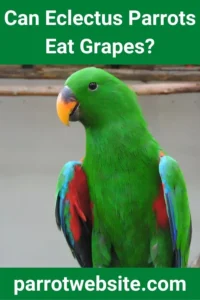
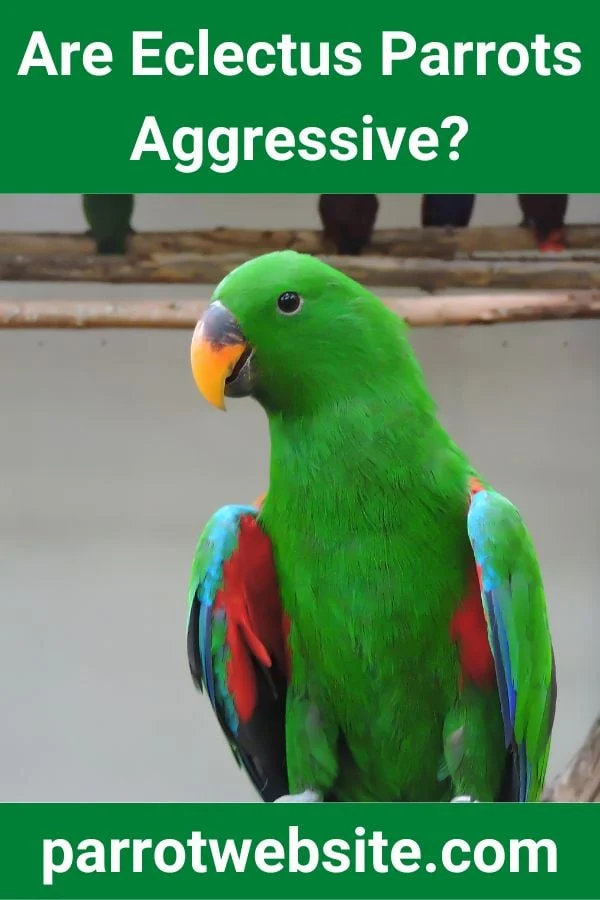
The Eclectus roratus, native to the Solomon Islands, New Guinea, and parts of Australia, is unique in the parrot world. They are sexually dimorphic, meaning males and females look entirely different. The males are a vibrant, emerald green with candy-corn-colored beaks, while females are a rich, velvety red with deep blue or purple bellies and black beaks.
Contrary to the high-strung reputation of many other psittacines, Eclectus parrots are generally considered one of the most docile and affectionate species available to aviculture. They are known for their "thoughtful" nature; unlike birds that act on immediate impulse, an Eclectus often appears to contemplate its surroundings before engaging. This intelligence is their greatest asset and, if mismanaged, their greatest challenge.
Chronology: The Importance of Early Life and Upbringing
The personality of an adult Eclectus is not formed in a vacuum; it is the result of a developmental timeline that begins at the breeder’s facility.
The Hatchling and Fledgling Phase
The foundation of a friendly bird is laid in the first few months of life. Reputable breeders understand that weaning an Eclectus is a delicate process. If a bird is force-weaned or subjected to high-stress environments during its formative weeks, it can develop behavioral anxieties that manifest as aggression later in life. A parrot that has been "parent-raised" or handled with patience by a professional is significantly more likely to grow into a well-adjusted, calm adult.
The Integration Period
Once the bird enters its new home, the first few weeks are a critical "probationary" period. During this time, the bird is assessing its new territory. Owners who attempt to force intimacy or invade the bird’s personal space too quickly often trigger the very aggression they seek to avoid. A successful integration involves a slow, respectful introduction to the household routine.
Supporting Data: Why "Aggression" is Often a Misnomer
To categorize an Eclectus as "aggressive" is often to misinterpret the bird’s biological signals. In clinical observations, what owners label as aggression is frequently a response to unmet needs.
Environmental Stressors
Eclectus parrots are creatures of rhythm. They require consistent, high-quality sleep cycles, typically lasting 10 to 12 hours in a dark, quiet environment. A bird that is chronically sleep-deprived will inevitably become irritable, which can manifest as biting. Furthermore, dietary deficiencies are a major driver of behavioral issues. Eclectus parrots have a unique digestive tract—longer than that of other parrots—which requires a diet rich in fresh vegetables, fruits, and high-fiber sprouts rather than the dry, fatty seed mixes that many owners provide. When their internal systems are taxed by poor nutrition, their temperament suffers accordingly.
The Social Dynamics: Solitary vs. Pairs
The debate regarding social structures is ongoing. In the wild, these birds are rarely seen alone. They function best in pairs or small family units. For the lone bird owner, this creates an enormous burden of time. An Eclectus that is left alone for eight or more hours a day with nothing but toys will inevitably suffer from boredom. Boredom in highly intelligent birds leads to "feather destructive behavior" or defensive aggression.
Official Perspectives: The Gender Divide
Avian behaviorists have noted a distinct difference between the sexes, which is crucial for potential owners to understand.
- The Male Temperament: Males are widely recognized as the "softer" of the two. They are generally more laid-back, less prone to territorial disputes, and often more willing to bond with multiple members of a household.
- The Female Temperament: Females are, by nature, the protectors of the nest. In the wild, they are the ones who defend the tree hollows. Consequently, they are often more "feisty," assertive, and possessive of their environment. While a female can be an incredibly loyal companion, she may demand a higher level of respect for her boundaries than a male.
Implications: The Reality of Ownership
If you are considering an Eclectus, you must accept that you are not buying a "pet" in the traditional sense; you are entering into a long-term partnership with a creature that possesses the cognitive and emotional maturity of a human toddler.
The Failure of Traditional Discipline
One of the most dangerous misconceptions in parrot ownership is the idea of "punishment." If a bird bites, shouting, isolating the bird, or physically disciplining it will only serve to destroy the bond of trust. Parrots do not possess the capacity to understand moral correction. They only understand cause and effect.
Instead, behaviorists suggest "Positive Reinforcement." If a bird exhibits unwanted behavior, the most effective response is to calmly end the interaction. By removing the stimulus—your attention—the bird learns that biting leads to a loss of the very thing it craves most: your company.
The "Beginner" Myth
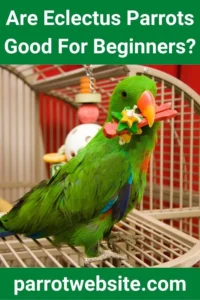
Are they good for beginners? The answer is a qualified "yes." They are excellent for beginners who are willing to perform exhaustive research before the bird arrives. They are, however, a catastrophic choice for the "impulse buyer." An Eclectus requires fresh food preparation daily, a clean cage, constant mental stimulation, and an owner who is willing to learn the subtle body language of a bird that communicates through eye-pinning, feather-fluffing, and vocalizations.
Conclusion: A Lifetime of Stewardship
The Eclectus parrot is a masterpiece of evolution, a bird that offers deep affection and unrivaled beauty. They are not inherently aggressive; rather, they are highly reactive to their environment.
The path to a peaceful relationship with an Eclectus is built on three pillars:
- Preparation: Understanding the dietary and sleep requirements before bringing the bird home.
- Respect: Recognizing that a bird has the right to refuse interaction and that boundaries must be negotiated, not enforced.
- Engagement: Providing a life of constant mental stimulation and social connection.
If you treat an Eclectus with the same level of respect and care you would offer a member of your family, you will rarely encounter the aggression that plagues poorly managed birds. They are intelligent, sensitive, and deeply rewarding companions, provided you are prepared to invest the time, patience, and love that they rightfully demand. The "problem" is rarely the parrot; it is usually the human’s lack of understanding regarding the complexity of the bird they have chosen to bring into their home. Choose carefully, educate yourself thoroughly, and you will find in the Eclectus a friend for a lifetime.