Entering the world of avian companionship is a journey unlike any other in the realm of pet ownership. Unlike domestic cats or dogs—species that have evolved alongside humans for millennia—parrots are essentially wild animals living in our homes. For the prospective bird owner, the sheer variety of species can be paralyzing. Among the most striking and frequently recommended options is the Eclectus parrot. Known for their breathtaking, sexually dimorphic plumage, these birds are often touted as ideal candidates for beginners. But does their reputation match the reality of their care requirements?
Main Facts: Understanding the Eclectus Persona
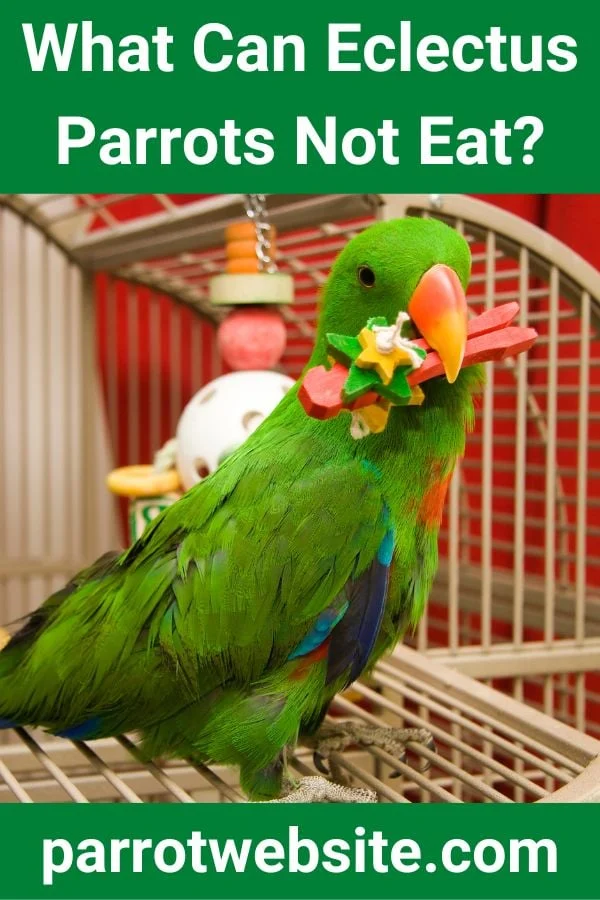
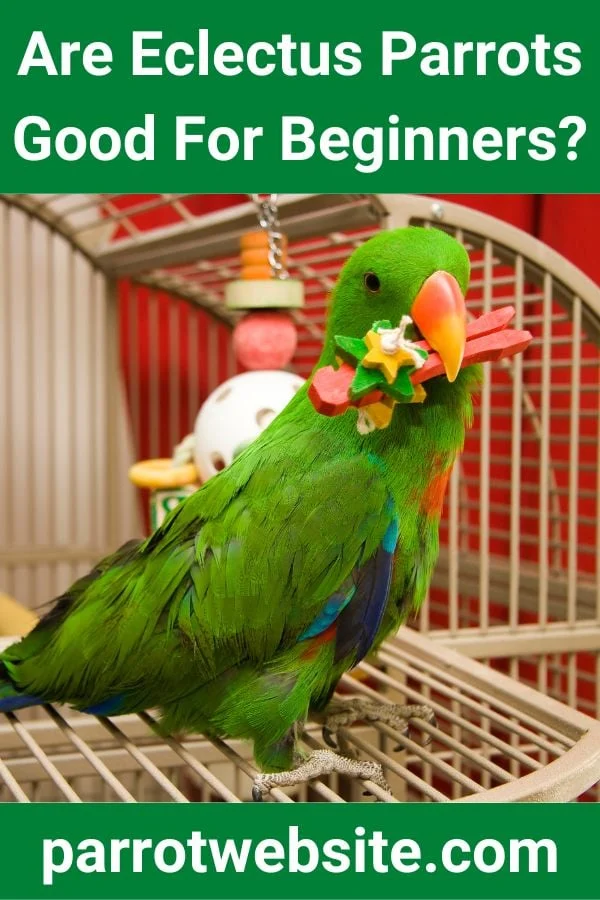
The Eclectus parrot (Eclectus roratus) is a medium-to-large parrot native to the Solomon Islands, New Guinea, and parts of Australia. They are biologically unique among parrots, displaying intense sexual dimorphism: males are vibrant, emerald-green with yellow-tinged tail feathers, while females boast deep red and purple-blue plumage.
For the first-time owner, the primary draw is their temperament. Generally described as docile, intelligent, and affectionate, they lack the high-strung, nervous energy seen in some smaller species. However, their "beginner-friendly" status comes with a massive caveat: they are not "low-maintenance" in the traditional sense. They require a sophisticated diet, consistent socialization, and a quiet, predictable environment. While they are not inherently aggressive, they are sensitive; they are essentially "emotional sponges" that reflect the stability—or lack thereof—in their home environment.
Chronology of Care: From Hatchling to Long-Term Companion
The journey of an Eclectus owner begins long before the bird arrives home. Success with these parrots is determined by a sequence of critical stages:
- The Pre-Purchase Phase (The Selection of Source): Unlike dogs, which can be adopted with a general baseline of behavior, parrots require taming. A reputable breeder does not simply sell a bird; they ensure it has been socialized from the moment it leaves the nest. Purchasing from a backyard breeder or an unknown source often results in a parrot that has not been properly "weaned" onto a variety of foods or desensitized to human interaction.
- The Adjustment Period: Upon arriving in a new home, the first few weeks are critical. An Eclectus requires a slow introduction to its surroundings. Because they prefer quiet, a chaotic household can lead to immediate behavioral regressions, such as feather-plucking or vocal outbursts.
- Maturation and Bonding: As the parrot moves from adolescence into adulthood, the bond formed in the early months is tested. This is the period where dietary and social routines must be solidified to prevent the onset of "parrot puberty" behavioral issues.
Supporting Data: Diet, Noise, and Social Needs
When analyzing whether an Eclectus is suitable for a beginner, we must look at the specific data points of their daily requirements.
The Nutritional Requirement
Eclectus parrots possess a specialized digestive tract, longer than that of many other parrots, designed to process a high-fiber, high-moisture diet. A standard "seed-only" diet is often detrimental to their long-term health. They require a heavy rotation of fresh, organic vegetables, fruits, and sprouted grains. Owners who fail to provide this variety often see their birds suffer from vitamin deficiencies and behavioral frustration, as foraging for food is a primary mental outlet for them.
The Decibel Factor
Prospective owners often ask: "Are they loud?" The answer is nuanced. Compared to species like the Macaw or the Cockatoo, the Eclectus is relatively quiet. They are not prone to the constant, high-frequency screaming that plagues some owners. However, when they do vocalize, they possess a sharp, distinct "honk." It is a piercing sound that, while infrequent, can be startling in an apartment setting.
The Social Imperative
The data is clear: isolation is the primary cause of parrot morbidity and behavioral failure. In the wild, Eclectus parrots live in complex social groups. In captivity, the owner becomes the "flock." A single Eclectus needs several hours of direct, active interaction daily. If left alone for the duration of a standard 9-to-5 workday without adequate mental stimulation, the bird will inevitably develop neurotic behaviors.
Official Perspectives: The "Taming" vs. "Domestication" Debate
Avian experts and behavioral consultants frequently emphasize a distinction that many first-time owners miss: taming vs. domestication.
Official avian veterinary consensus suggests that parrots should be viewed as "wild animals in captivity." Because they have not undergone the genetic selection for domestic temperament that dogs have, their behavior is a direct output of their environment and early upbringing.
Leading behavioral experts note that the most common cause of "aggression" in an Eclectus is, in fact, an owner’s failure to read body language. When a bird bites or lunges, it is almost always a communicative act—a response to fear, over-stimulation, or a lack of personal boundaries. For a first-time owner, the ability to learn "bird language" is as important as learning how to clean a cage.
Implications for the First-Time Owner
What does this mean for someone considering their first bird? It means the decision should not be based on the bird’s appearance or its ability to mimic speech, but rather on a lifestyle audit.
The Household Environment
The Eclectus thrives in a calm, steady environment. Households with young children, frequent visitors, or high-stress levels are generally poor candidates for this species. Children must be old enough to understand the concept of "no-touch" boundaries, as an Eclectus is not a toy and can inflict significant injury if it feels cornered.
The Commitment of Longevity
An Eclectus parrot can live for 30 to 50 years. This is a multi-generational commitment, comparable to having a permanent toddler in the house. The implication is that the owner must consider their own life trajectory—career changes, moving, marriage, and family planning—and how the bird fits into those milestones.
The "Single vs. Pair" Dilemma
There is an ongoing debate regarding whether to keep one bird or a pair. While a bonded pair can provide one another with constant companionship, this does not absolve the owner of responsibility. Furthermore, introducing a new bird to a mature adult is fraught with danger and requires expert guidance. Most experts suggest that a single Eclectus is perfectly happy as a companion, provided the owner is committed to filling the role of the flock-mate.
Conclusion: Is it Worth It?
The Eclectus parrot is a magnificent, intelligent, and deeply rewarding animal. They are not "difficult" in the way that an aggressive, high-energy parrot might be, but they are "demanding" in their need for intellectual engagement and specialized care.
For the first-time owner, the Eclectus is an excellent choice only if that owner is willing to do the research, invest in a proper diet, and commit to the social needs of a highly intelligent creature. If you are looking for a pet that you can simply "keep in a cage" and interact with when it suits your schedule, the Eclectus—and indeed any parrot—is the wrong choice. However, if you are looking for a life-long partner and are willing to adapt your home to meet the needs of a sophisticated avian friend, the bond formed with an Eclectus is one of the most profound experiences in the animal kingdom.
Before making the leap, spend time with the species, consult with a reputable breeder, and be honest about your lifestyle. If you can provide the stability and enrichment they require, you will find in the Eclectus a companion that is as thoughtful and complex as it is beautiful.