For many bird enthusiasts, the journey into avian companionship begins with a simple, yet surprisingly complex question: "Is my new bird a parrot, a parakeet, or a conure?" The world of psittacines—the scientific order containing all parrots—is vast and often confusing for the uninitiated. Among the most popular household companions is the conure, a group of birds that bridges the gap between the casual hobbyist’s terminology and rigorous scientific classification.
To fully appreciate these vibrant, energetic creatures, one must look beyond their playful antics and explore their taxonomic standing, their history as domestic pets, and the reality of life with a long-lived avian companion.
The Taxonomic Reality: Are Conures Parrots?
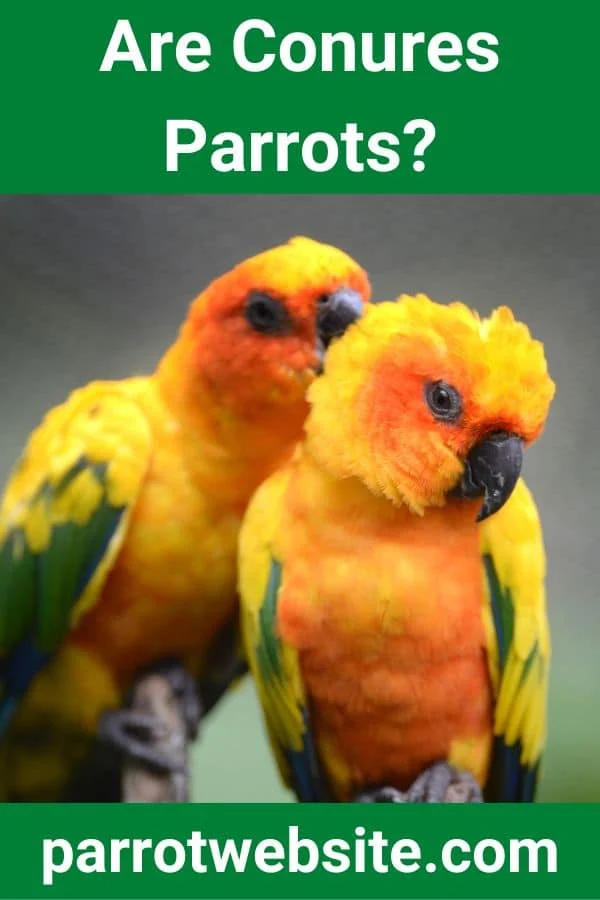
To address the primary confusion: Yes, conures are undoubtedly parrots. They belong to the extensive and diverse order Psittaciformes, which includes nearly 400 species globally. Within this order, conures are categorized under the subfamily Arinae, or Neotropical parrots, which encompasses roughly 150 species native to the Americas.
The Linguistic Disconnect
The confusion surrounding the term "conure" stems from the historical disconnect between scientific taxonomy and common birdkeeping vernacular. In the world of ornithology, researchers rarely use the term "conure." Instead, they classify these birds as a diverse group of "parakeets."
This creates a significant clash with American birdkeeping culture, where the word "parakeet" is almost exclusively reserved for the budgerigar (the common budgie). Consequently, when a scientist refers to a "parakeet," they are often discussing the broad group we pet owners call conures.
The term "conure" was historically linked to the genus Conurus, a classification that has long since fallen out of scientific favor. Today, the term functions primarily as a convenient "umbrella" for hobbyists to describe small-to-medium-sized, long-tailed parrots that share similar physical characteristics. While scientists might frown upon the loose definition, it remains the standard language of the aviary, providing a practical, if imprecise, way to identify these birds.
A Chronological Perspective on Avian Companionship
The human relationship with conures spans centuries, but their rise to prominence as domestic pets is a relatively modern phenomenon.
- Pre-Colonial Era: Indigenous populations in Central and South America have lived alongside various conure species for millennia, recognizing their intelligence and social complexity.
- 19th Century: As European exploration expanded, ornithologists began documenting the staggering diversity of the Neotropical parrot family. It was during this period that the initial, albeit imperfect, attempts to classify these birds into genera like Conurus were made.
- Late 20th Century: The rise of organized aviculture and a better understanding of avian dietary needs led to the widespread adoption of conures as household pets. Breeders began focusing on specific traits, leading to the popularization of species like the Sun Conure and the Green-Cheeked Conure.
- 21st Century: Today, the focus has shifted toward ethical breeding, conservation of wild populations, and a more sophisticated approach to avian welfare, emphasizing mental stimulation and long-term commitment.
Supporting Data: Understanding the Conure Profile
To provide a clearer picture for potential owners, we can break down the biological and behavioral data associated with these birds.
Physical Characteristics
Conures are categorized as small-to-medium parrots, typically ranging from 10 to 20 inches in length. Their most defining feature—aside from their striking, often neon-bright plumage—is their long, tapering tail feathers. Unlike the stocky build of an Amazon or the heavy-set frame of a Cockatoo, conures possess a sleek, aerodynamic build that reflects their agile, high-energy nature.
Cognitive and Sensory Capabilities
One of the most remarkable aspects of the conure is its cognitive capacity. Contrary to the "bird-brained" stereotype, these parrots possess sophisticated visual recognition skills. Because their sense of smell is relatively underdeveloped compared to mammals, they rely heavily on their eyesight to navigate the world.
- Facial Recognition: Studies and anecdotal evidence confirm that conures can distinguish between individual humans by their faces. They are capable of remembering multiple people, which aligns with their social nature as "flock" creatures.
- Contextual Cues: Beyond faces, they are highly observant of clothing, patterns, and daily routines. They quickly learn to associate specific visual stimuli with care, feeding, or interaction.
Behavioral Analysis: Life with a Conure
While the classification debate is interesting, the practical reality of living with a conure is what truly matters to the pet owner.
Temperament and Bonding
Conures are widely regarded as "social butterflies." They are inquisitive, playful, and deeply affectionate. They thrive on interaction and often form strong, complex bonds with their human "flock." Unlike some solitary species, conures are generally capable of bonding with multiple family members, provided they are properly socialized.
The Myth of the Talkative Parrot
If you are seeking a bird that will hold conversations or recite Shakespeare, the conure may not be your ideal choice. While they can learn to mimic sounds, they are not naturally gifted or enthusiastic talkers. They are far more likely to master whistles, electronic beeps, or the sound of a microwave than human speech. Their vocalizations are often sharp and piercing, a natural byproduct of their need to communicate across long distances in the wild.
The Necessity of Social Stimulation
The primary challenge in owning a conure is the sheer amount of time and mental stimulation they require. These are not "cage birds." They are intelligent, highly active creatures that can suffer from depression, feather plucking, and behavioral issues if left in isolation.
- The Pair vs. Single Bird Debate: Many experts advocate for keeping conures in pairs if the owner cannot dedicate several hours a day to direct social engagement. However, introducing two mature, established conures can be difficult. The most successful approach is introducing them at a young age, allowing them to grow as a bonded unit.
Implications of Ownership: A Long-Term Commitment
The most critical factor for any prospective conure owner is their lifespan. When a person adopts a dog or a cat, they are often preparing for a 10-to-15-year commitment. A conure, however, is a multi-decade responsibility.
Life Expectancy
A well-cared-for conure living in a healthy, stimulating home environment can easily reach the age of 20 to 25. Some individuals have even been known to live into their 30s. This lifespan rivals that of many domestic animals and requires the owner to plan for the bird’s future as part of their own long-term life planning.
The "First-Time Owner" Verdict
Are conures good for beginners? The answer is a qualified "yes." They are excellent pets for those who are prepared for the lifestyle change. They are not, however, "starter pets." They require:
- Space: Large cages with enough room for flight and exercise.
- Attention: Consistent daily social interaction.
- Dietary Management: Fresh produce, high-quality pellets, and varied nutrition.
- Veterinary Care: Access to an avian-specialized veterinarian, which can be difficult to find in some regions.
Conclusion: The Joy of the Conure
The confusion regarding whether a conure is a parrot or a parakeet is ultimately a symptom of our desire to categorize nature into neat, tidy boxes. In reality, the conure is a complex, long-lived, and highly intelligent parrot that demands respect and dedicated care.
Whether you refer to them by their scientific designation or their common name, the essence of the bird remains the same: a vibrant, feathered companion capable of deep emotional connection. For those willing to invest the time, energy, and love required to keep these birds happy, the conure offers a unique and rewarding relationship that can last for the better part of a human lifetime.
Before bringing a conure into your home, look past the charming exterior and ensure you are prepared for the long-term journey of avian guardianship. When done correctly, the result is a friendship unlike any other in the animal kingdom.