When a cat begins to eliminate outside of the litter box, the immediate reaction from many pet parents is one of frustration. It is common to perceive this behavior as an act of spite, a protest against a recent change, or simple stubbornness. However, according to feline behavioral experts, this anthropomorphic interpretation is not only inaccurate—it is a significant obstacle to resolving the issue.
In the feline world, there is no such thing as "misbehavior" in the context of elimination. Cats are instinctual, pragmatic creatures who repeat behaviors that serve their needs. If your cat is avoiding the litter box, they are not acting out of malice; they are communicating a specific, urgent problem. By reframing this behavior as a cry for help rather than a behavioral flaw, owners can begin the detective work necessary to restore harmony in the home.
The Core Facts: Understanding Feline Instincts
To resolve litter box avoidance, one must first understand the biology and psychology of the domestic cat. In the wild, cats are both predators and prey. Their instinct to bury waste is a survival mechanism designed to mask their scent from larger predators and potential prey. When a cat chooses to go outside the box, they are making a logical decision based on their assessment of their environment.
Whether it is a physical inability to use the box, a lack of cleanliness, or the presence of fear, the cat is performing a risk-reward analysis. If the litter box feels unsafe, dirty, or inaccessible, the cat will simply choose a more suitable location. The primary takeaway for any cat owner is this: The cat is not the problem; the cat is reacting to the problem.
Chronology of Diagnosis: A Step-by-Step Approach
When a litter box issue arises, the resolution process should follow a systematic, chronological approach to ensure no stone is left unturned.
1. The Mandatory Medical Screen
The very first step in addressing any change in elimination habits is a comprehensive veterinary examination. Never assume a behavioral cause until a medical one has been ruled out. Conditions such as feline lower urinary tract disease (FLUTD), kidney issues, diabetes, or painful arthritis can make the act of using a litter box agonizing. If a cat associates the box with pain, they will inevitably begin to avoid it. Ruling out these conditions is the cornerstone of any behavior modification plan.
2. Environmental Assessment
Once health has been confirmed, the next phase is a rigorous evaluation of the environment. Is the box in a high-traffic area? Is it too small? Is the litter type offensive to the cat’s sensitive paws? By observing where the cat is choosing to go instead, owners can gather clues. If the cat is going in the dining room, perhaps they prefer a location with a 360-degree view that offers a sense of security.
3. Systematic Adjustment
After identifying the potential trigger, implement changes one at a time. If you move the boxes, keep the old ones in place initially. If you change the litter, do so gradually. Monitoring the cat’s reaction over a period of two to four weeks is essential to determine if the adjustments are effective.

Supporting Data: The Science of Cleanliness and Comfort
The standards of cleanliness for a cat are exponentially higher than those of a human. While a human might consider a box "clean enough" after a daily scoop, a cat’s sensitive olfactory system—which is far more powerful than ours—detects residual odors that we cannot perceive.
The Survivalist’s Standard of Hygiene
Because cats rely on scent to navigate their world, a dirty box is a major deterrent. If a litter box is not scooped at least twice daily, the accumulation of waste signals to the cat that the area is no longer a "safe" or "neutral" site. This is particularly true in multi-cat households, where scent signals are used to establish social hierarchies. A box that smells like another cat’s waste may be interpreted as an invasion of territory, prompting the cat to seek a neutral location elsewhere.
The Myth of the "Self-Cleaning" Box
There is a persistent myth that scoopable litter eliminates the need for deep cleaning. This is false. Over time, the plastic of the litter box itself absorbs odors, and fine dust from the litter settles into the microscopic pores of the container. Regular washing with mild, unscented soap is required to remove these lingering pheromones and bacteria. If the box smells dirty to you, it is likely repulsive to your cat.
Official Perspectives: The Role of Stress and Conflict
The experts at Cat Behavior Associates, led by renowned behaviorist Pam Johnson-Bennett, emphasize that psychological stress is a leading contributor to litter box avoidance. In complex household dynamics, the "ambush" factor is a primary culprit.

The Ambush Risk
Many owners inadvertently turn a litter box into a trap. Placing a box in a confined corner with only one exit point allows a dominant cat to block the path, effectively "trapping" the more timid cat. This leads to intense anxiety. A cat that has been surprised or intimidated while in the box will develop a negative association, choosing instead to find a location where they have high visibility and multiple escape routes.
Multicat Households and Resource Guarding
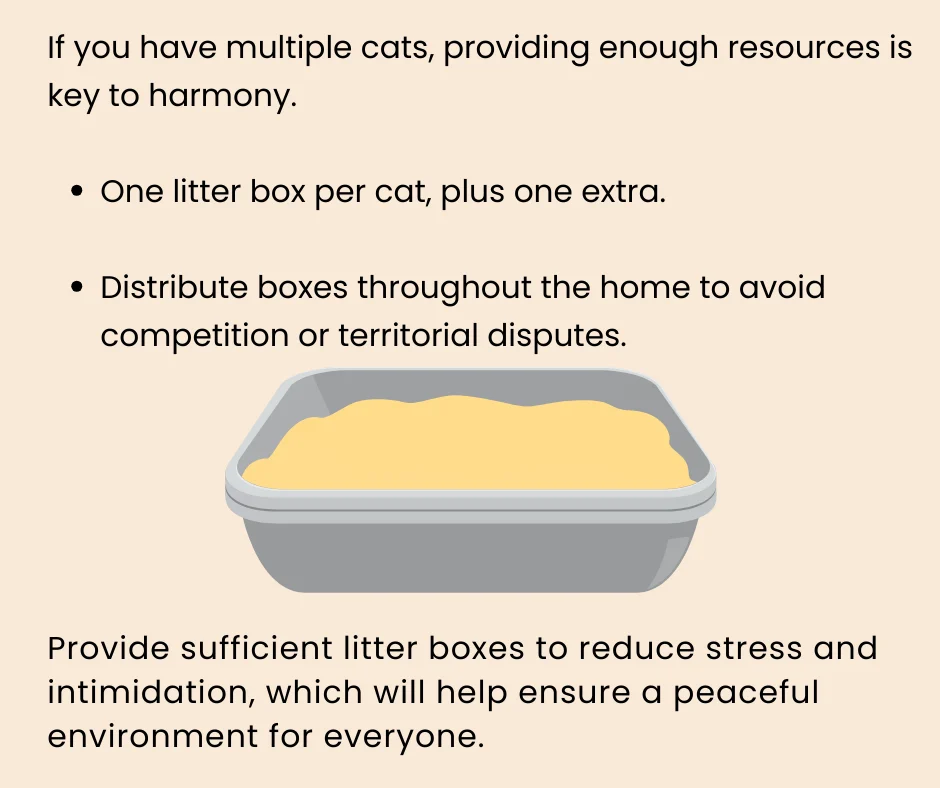
In homes with multiple pets, resources must be distributed equitably. The rule of thumb is "N+1"—the number of litter boxes should equal the number of cats plus one. Furthermore, these boxes must be placed in different, non-conflicting locations. If a cat has to traverse another cat’s "territory" to reach their bathroom, they may decide that the risk of confrontation is not worth the relief.
Implications for the Pet Owner
The implications of ignoring these signals are severe. If a cat is forced to hold their urine for extended periods due to litter box anxiety, it can lead to chronic medical conditions, including bladder stones and infections. Furthermore, the cycle of punishment—yelling at a cat or confining them—only increases their stress levels, exacerbating the very behavior you are trying to stop.
Long-term Success
Successful resolution requires a shift in perspective. You are not "training" your cat to use a box; you are providing an environment that meets their natural biological needs. When you provide:

- Accessibility: Low-entry boxes for seniors or injured cats.
- Safety: Multiple, uncovered boxes in areas with clear sightlines.
- Consistency: A predictable, low-stress environment that respects the cat’s need for routine.
Most, if not all, litter box problems can be rectified. By observing your cat’s body language, consulting with your veterinarian, and applying these environmental principles, you can resolve the issue and strengthen the bond with your feline companion.
A Note on Professional Guidance
While these guidelines provide a comprehensive overview, they are not a substitute for professional veterinary care. If your cat’s habits have changed suddenly, or if you notice blood in their urine, vocalization while using the box, or signs of extreme lethargy, consult your veterinarian immediately.
For further deep dives into feline behavior and expert-led solutions, resources such as the works of Pam Johnson-Bennett offer invaluable insights into the complex, fascinating world of the domestic cat. By taking the time to see the world through your cat’s eyes, you are doing more than just solving a messy problem—you are ensuring your cat lives a healthy, stress-free, and fulfilling life.