Thanks to significant advancements in veterinary medicine, high-quality feline nutrition, and a more informed pet-parent culture, domestic cats are living longer and healthier lives than ever before. It is not uncommon for feline companions to thrive well into their late teens or early twenties; one personal account even highlights a cat reaching the impressive age of 24. However, as our feline companions enter their twilight years, the definition of "normal" behavior begins to shift.
While some senior cats maintain a youthful zest, others may experience a gradual decline in activity, increased isolation, or a diminished interest in their favorite pastimes. Too often, well-meaning owners dismiss these subtle changes as an inevitable byproduct of "just being old." In reality, these shifts frequently signal underlying pain or discomfort. By recognizing these signs and implementing proactive environmental and lifestyle modifications, owners can ensure that their cat’s senior years are defined by dignity, comfort, and joy.
The Foundation of Senior Care: Professional Veterinary Oversight
The most critical mistake an owner can make is skipping routine veterinary examinations. In the past, many owners avoided the clinic due to the stress of transporting an aging cat. However, as a cat enters its senior phase—generally considered age seven and beyond—the frequency of these visits must increase.
Why Twice-Yearly Checkups Matter
Veterinary professionals now recommend biannual examinations for senior cats. Because cats are masters at masking pain, they rarely show obvious signs of illness until a condition has progressed significantly. Twice-yearly checkups allow for early detection of chronic issues such as hypertension, kidney disease, hyperthyroidism, and arthritis. Early diagnosis is the cornerstone of successful management, allowing for interventions that can add years of high-quality life to your companion.

Understanding Pain Management
Many behavioral changes—such as irritability, hiding, or reluctance to jump—are often misattributed to personality shifts. Frequently, these are clinical symptoms of chronic pain. If your cat has become withdrawn, it is imperative to consult your veterinarian to discuss pain management protocols, which can range from dietary supplements to therapeutic medications that can restore your cat’s quality of life.
1. Sustaining Cognitive Function: The Mental Stimulation Imperative
Mental health is just as vital as physical health for the aging feline. Cognitive decline in cats can be mitigated by consistent, appropriate environmental enrichment.
Interactive Play as Cognitive Therapy
Interactive play sessions serve a dual purpose: they provide light physical exercise and keep the brain "firing." Even for a senior cat, the instinct to hunt remains hardwired. Use toys that mimic the behavior of ground-dwelling prey—mice, bugs, or snakes—rather than fast-moving birds, which may require leaps your cat is no longer comfortable attempting.
Puzzle Feeders and Enrichment
If you haven’t introduced puzzle feeders, now is the ideal time. These devices force a cat to use their problem-solving skills to access food. Start with entry-level puzzles to ensure the cat feels a sense of accomplishment rather than frustration. The goal is to provide a "win" every time.

Positive Reinforcement Training
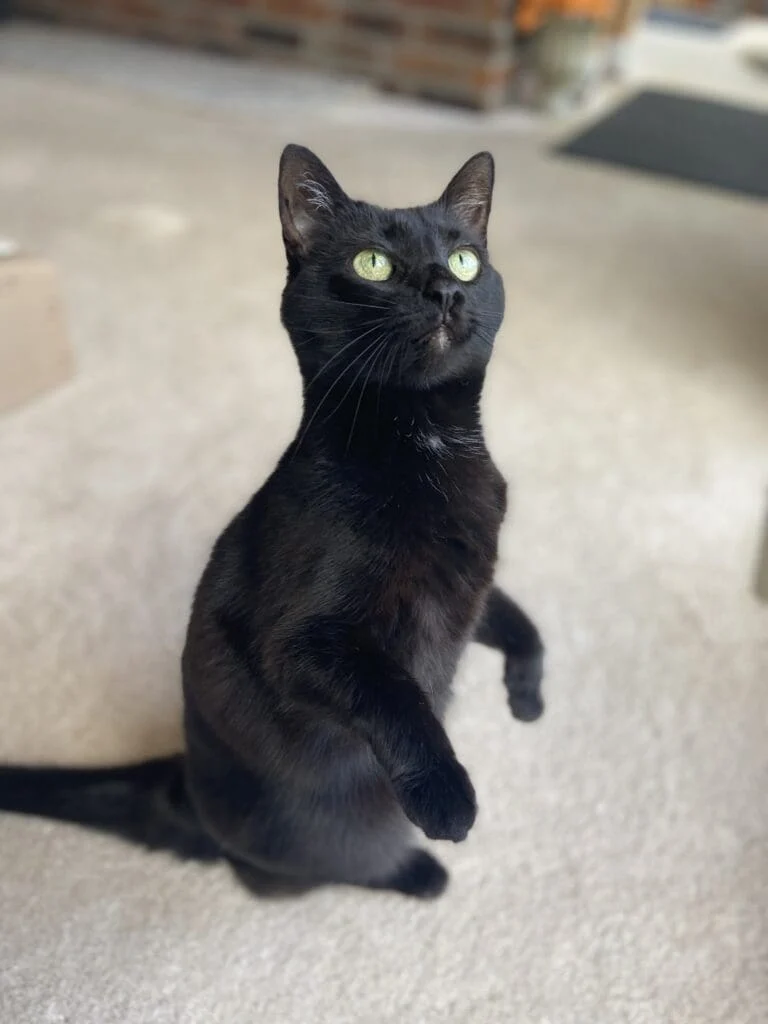
Training is not just for kittens. Simple clicker training sessions, such as teaching a cat to touch a target with their nose or perform a "high-five," can keep the mind sharp. Keep these sessions brief, low-impact, and strictly positive. This provides a bonding experience and keeps the cat’s neural pathways active.
2. Maintaining Mobility: Keeping the Joints Supple
Mobility is a primary indicator of longevity. While you shouldn’t force an aging cat to perform high-energy acrobatics, you must prioritize consistent, low-impact movement to prevent joint stiffness and muscle atrophy.
The "Low-and-Slow" Approach
Adjust your playtime to accommodate physical limitations. If your cat has arthritis, they may no longer be able to catch a wand toy mid-air. Shift your focus to floor-based play. The objective is movement, not intensity. A cat that stalks a toy across the living room carpet is maintaining the muscle tone required for balance and stability.
Supporting Joint Health
Beyond exercise, talk to your veterinarian about joint support supplements like glucosamine, chondroitin, or omega-3 fatty acids. These can help reduce inflammation and improve range of motion, making daily activities less taxing on your pet.

3. Environmental Adaptation: Making the Home Senior-Friendly
As your cat ages, the home environment may become a series of obstacles. Small, thoughtful modifications can drastically reduce the energy expenditure required for your cat to navigate their world.
Accessing Vertical Space
Senior cats often still crave the security of elevated spots, but they may struggle to jump. Install ramps or "step-stools" (such as a sturdy ottoman placed near a sofa or window ledge) to bridge the gap. This allows your cat to reach their favorite vantage point without the risk of a fall.
Dining Comfort
Chronic neck or back pain can make bending down to a floor-level bowl painful. Transition to elevated food and water stations. This adjustment can improve digestion and reduce the physical strain on the neck during mealtimes.
Litter Box Logistics
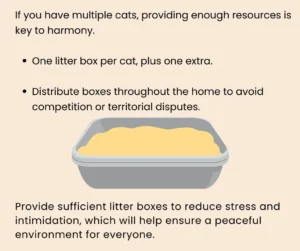
A standard, high-sided litter box can become a significant hurdle for a cat with hip pain or decreased balance. Ensure you provide boxes with low-profile, easy-access entries. Additionally, as bladder control changes, increase the number of litter boxes in the home. If your cat is struggling to get to the litter box on time, place one on every floor level of your home to minimize the distance they must travel.

Navigating Failing Senses
Vision and hearing loss are common in seniors.
- Lighting: Install motion-activated nightlights to assist with navigation in the dark.
- Consistency: Avoid moving furniture. A blind or visually impaired cat relies on a "mental map" of their environment; sudden changes can cause immense stress.
- Floor Clearance: Maintain a "clutter-free" policy to prevent tripping hazards.
- Textured Cues: Place mats at the top and bottom of staircases as a tactile warning for the cat that a change in elevation is approaching.
Implications: The Holistic View of Senior Care
The care of a senior cat extends beyond these three pillars. It is a comprehensive commitment that includes:
- Grooming: As cats age, they may struggle to reach their back or hindquarters. Regular brushing is not just about aesthetics; it prevents painful matting and allows you to inspect the skin for lumps, bumps, or sores that require veterinary attention.
- Hygiene: If your cat is unable to groom effectively after using the litter box, you may need to assist with warm, damp cloths to keep them clean.
- Temperature Regulation: Senior cats often lose body mass and may struggle to regulate their body temperature. Ensure they have access to warm, draft-free resting spots in the winter and cool, well-ventilated areas in the summer.
The Emotional Bond
These years are, perhaps, the most poignant phase of your relationship. Your cat has spent their life offering companionship, and they now deserve the same in return. By proactively managing their environment, prioritizing their comfort, and maintaining a partnership with your veterinarian, you are not just managing a "pet"; you are honoring a lifetime of devotion.
Summary Checklist for Senior Success:
- Biannual Exams: Twice-yearly visits are non-negotiable.
- Environmental Audit: Are there ramps? Low-entry boxes? Elevated bowls?
- Cognitive Enrichment: Are they solving puzzles or engaging in training?
- Physical Maintenance: Is the playstyle appropriate for their current mobility level?
- Professional Guidance: Always consult your local veterinarian before making changes to medication or dietary supplements.
While the aging process is universal, the suffering that often accompanies it is not. With observation, empathy, and professional care, the senior years can be a rewarding, peaceful, and deeply connected time for both the cat and the guardian. Your cat’s comfort is a reflection of your commitment—make it a priority today, and they will thank you in the only way they know how: with a gentle purr and a steady presence by your side.