For many cat owners, the discovery of a puddle or a pile outside the designated litter box triggers an immediate emotional response. It is common to feel frustrated, overwhelmed, or even betrayed, leading to the assumption that the cat is acting out of spite or stubbornness. However, according to feline behavior experts, these anthropomorphic interpretations are not only inaccurate—they are the primary obstacle to solving the problem.
In reality, cats are highly pragmatic creatures. When they choose to eliminate outside the litter box, it is a calculated decision based on their internal logic and survival instincts. To the cat, the behavior makes perfect sense, even if it is inconvenient for the human. Understanding this perspective is the essential first step in rectifying what is often a cry for help rather than an act of rebellion.
Main Facts: The Anatomy of a Litter Box Problem
The fundamental truth of feline behavior is that cats do not perform actions without a reason. When a cat avoids the box, they are communicating a specific need that is currently not being met. These needs generally fall into three distinct categories: medical discomfort, environmental hygiene, and psychological stressors.
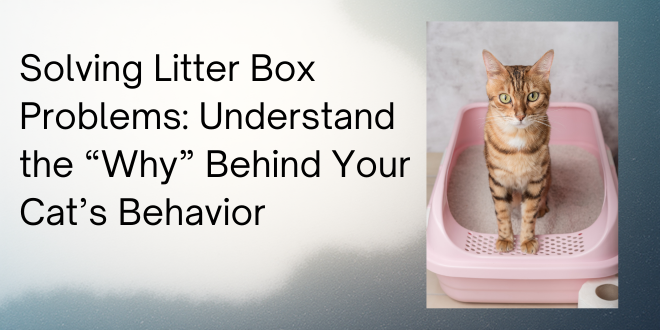
The "spite" narrative is a myth. Cats do not possess the complex social cognition required to hold a grudge or plan a revenge scheme involving household carpets. Instead, when a cat avoids the box, they are engaging in problem-solving. If a cat feels that the litter box is a site of pain, a trap, or a health hazard, they will seek a location that they perceive to be safer, cleaner, or more accessible. Addressing the "problem" requires the owner to act as a detective, investigating the environment through the eyes of the cat.
Chronology: A Step-by-Step Approach to Resolution
When a litter box issue arises, the timeline of intervention is critical to preventing the behavior from becoming a habit.
- The Medical Audit: The very first step—without exception—is a visit to the veterinarian. Before assuming the issue is behavioral, one must rule out physical ailments. Urinary tract infections, bladder stones, kidney disease, and arthritis are common culprits. If a cat associates the box with the pain of an infection, they will avoid it. If they have mobility issues, they may physically be unable to climb into a high-sided box.
- Environmental Assessment: Once a clean bill of health is confirmed, the focus shifts to the environment. Are the boxes in a high-traffic area? Is there a loud appliance nearby? Is the box too small?
- The Trial Phase: After adjusting the environment—such as switching to a lower-entry box or moving the location—owners must allow a trial period to observe the cat’s reaction.
- Consistency and Maintenance: Once the solution is found, the owner must establish a rigorous maintenance schedule. Consistency is the language of the cat; sudden changes in type of litter, location, or cleaning frequency can restart the cycle of avoidance.
Supporting Data: Why Environment and Hygiene Dictate Behavior
To understand why cats are so particular, one must look at their evolutionary history. Cats are both predators and prey. In the wild, they bury their waste to mask their scent from larger predators and to avoid alerting prey to their presence. A dirty litter box violates this survival instinct.

The Standard of Cleanliness
Human standards for "clean" rarely match feline standards. While a human might consider a box scooped once a day to be adequate, a cat may find the lingering scent of previous eliminations offensive. If the box is not scooped at least twice daily, the cat may decide that the "cleaner" option is the corner of a bedroom or a quiet living room rug.
Accessibility and Physical Limitations
As cats age, their bodies change. A cat that once easily leaped into a high-walled storage bin may now struggle with the stiffness of arthritis. For these cats, the litter box must be modified. Low-entry, uncovered boxes placed in accessible areas—such as on the same level of the home where the cat spends most of its time—are non-negotiable for geriatric or mobility-impaired cats. Providing absorbent pads beneath the box can offer a "safety net" for the cat, reducing the stress of an accident and simplifying the cleanup for the owner.
Official Perspectives: The Role of Stress and Conflict
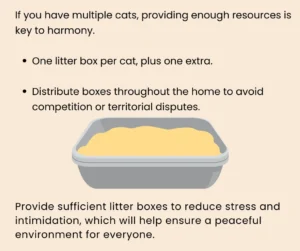
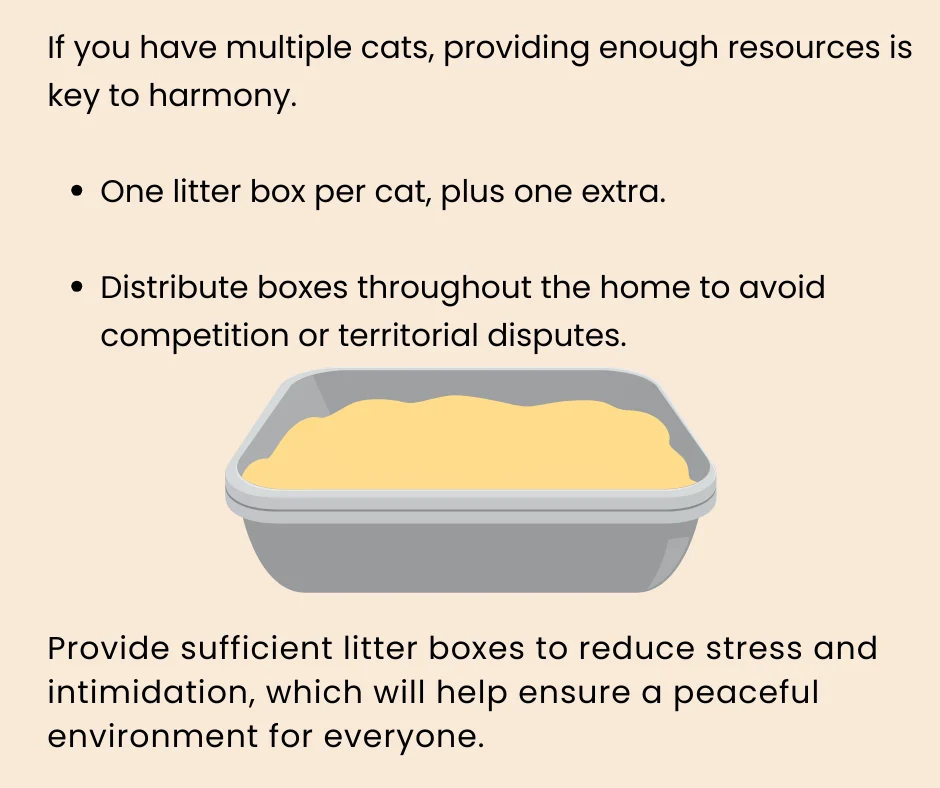
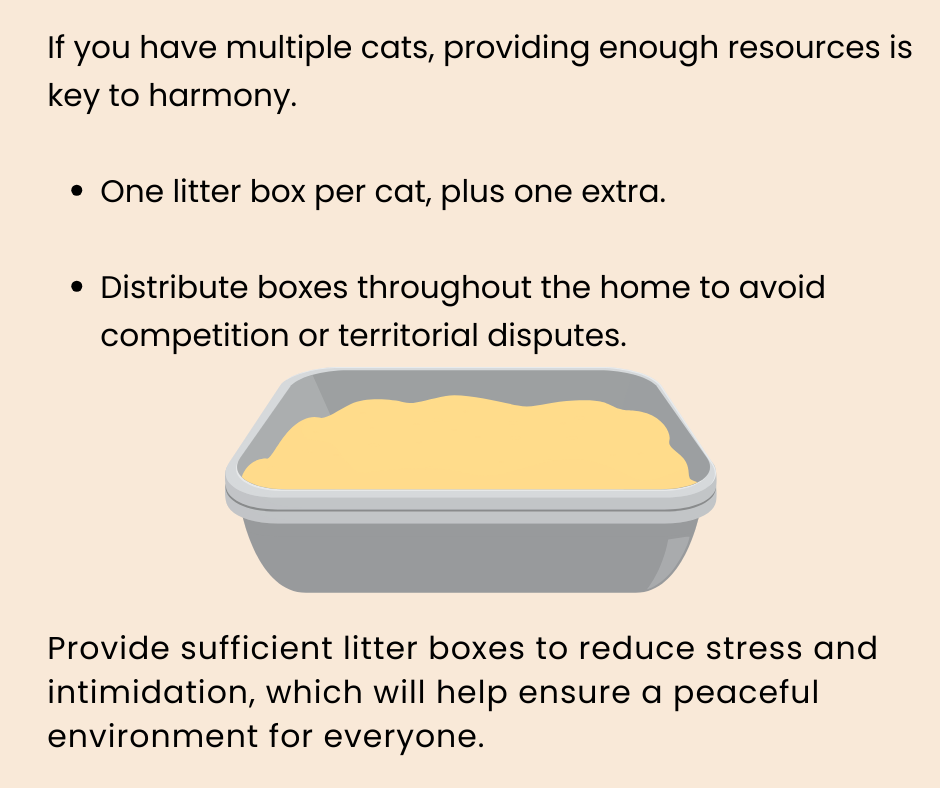
In households with multiple cats, the litter box can quickly become a lightning rod for social tension. Experts emphasize that the number of boxes is a vital variable. The "rule of thumb" is to have one more box than the number of cats in the home.

The Ambush Factor
A covered litter box, often favored by humans for aesthetic reasons, can be a nightmare for a cat in a multi-cat household. If a cat is inside a covered box, they cannot see an approaching "opponent." This creates a sense of vulnerability. If a cat has been ambushed or intimidated while in the box, they will quickly develop an aversion to that specific location.
Even in a household where the cats appear to get along, subtle resource guarding can occur. If one cat feels they have to cross the "territory" of another cat to reach the litter box, they may simply choose to eliminate elsewhere to avoid confrontation. Placing boxes in neutral, safe areas that offer clear sightlines is essential to preventing this form of social anxiety.
Implications: Building a Sustainable Future
The implications of ignoring these warning signs go beyond just cleaning up messes. When a cat is stressed or in pain, their quality of life diminishes significantly. Chronic stress can lead to secondary health issues, including cystitis and weakened immune systems.

Furthermore, the "spite" narrative often leads to punishment. Punishing a cat for eliminating outside the box is counterproductive and harmful; it only serves to increase the cat’s fear and stress, which in turn increases the likelihood of further accidents. The goal should always be to foster a sense of safety and predictability.
A Holistic View
Resolution requires a shift in mindset. Instead of viewing the litter box as a "chore," owners should view it as a critical infrastructure of the home.
- Location: Ensure boxes are in quiet, low-traffic, but accessible areas.
- Quantity: Adhere to the "N+1" rule.
- Quality: Use unscented, clumping litter and maintain a strict cleaning schedule.
- Observation: Monitor the cats for signs of conflict or hesitation.
By identifying the true underlying cause—whether it is a medical condition, a dirty box, or a social dynamic—owners can address the root of the problem. With careful observation, professional veterinary guidance, and a willingness to adjust the environment to suit the cat’s biological needs, the vast majority of litter box issues can be successfully resolved.
Ultimately, a cat’s behavior is a language. When they eliminate outside the box, they are telling us that their needs are not being met. By learning to listen to that message, we move away from frustration and toward a more harmonious, healthy, and fulfilling relationship with our feline companions. The path to a happy cat begins with understanding that for them, the world is defined by safety, scent, and accessibility. When we provide those three things, the litter box becomes exactly what it was designed to be: a reliable, stress-free space for a natural behavior.