The arrival of a new cat into a household is often met with a mixture of excitement and trepidation. For many first-time pet owners, the prospect of "training" a creature known for its autonomy can feel like a daunting, if not impossible, endeavor. However, the prevailing myth that cats are untrainable, aloof, or inherently difficult is a misconception that often hinders the potential for a deeply rewarding human-animal partnership.
In reality, cats are highly intelligent, cognitively complex, and remarkably fast learners. The secret to effective feline education does not lie in dominance or control, but in a sophisticated understanding of feline psychology and the implementation of a structured, humane approach. By focusing on communication, mutual trust, and the reinforcement of positive behaviors, owners can transform the training process into a cornerstone of their relationship with their new companion.
The Foundation of Feline Training: Core Principles
To successfully navigate the complexities of living with a new cat, owners must move beyond traditional "obedience" models. Instead, training should be viewed as a bridge for communication. Whether you are teaching your cat to use a scratching post instead of the sofa or simply encouraging calm behavior during grooming sessions, the methodology remains the same: it is about establishing a language of shared expectations.
1. The Virtue of Patience: Cultivating Trust
Patience is the primary currency in the world of animal behavior. Cats are sensitive, perceptive animals that require time to recalibrate their internal sense of security when faced with new environments, routines, or human companions.

When an owner attempts to rush the learning process or responds to perceived "misbehavior" with frustration, they inadvertently introduce stress. Stress is the antithesis of learning; it creates a physiological state of fight-or-flight, which shuts down the cognitive centers required for positive association. By adopting a patient, measured approach, owners foster a sense of safety. When a cat feels safe, their curiosity and willingness to engage expand, allowing for more effective communication.
2. Consistency: The Architecture of Security
Cats are creatures of habit who find comfort in predictability. In a multi-person household, it is essential that all family members are aligned on the "house rules." If one person allows the cat on the kitchen counter while another scolds them for it, the cat experiences profound cognitive dissonance.
Consistency is a form of fairness. When the rules remain static, the cat can navigate their world with confidence, knowing exactly which behaviors will yield rewards and which will be ignored. This clarity reduces anxiety and prevents the development of behavioral issues that stem from confusion.
3. The Power of Positive Reinforcement
Modern animal behavioral science has overwhelmingly favored positive reinforcement as the most effective and ethical method of training. This approach focuses on rewarding desirable behaviors—using treats, praise, or interactive play—rather than punishing undesirable ones.

Timing is critical. A reward must be delivered immediately after the desired action to create a clear neural link between the behavior and the positive outcome. Punishment, conversely, is largely ineffective in the feline world. Because cats do not possess a sense of "wrongdoing" in the human moral sense, physical or verbal discipline often results only in fear, avoidance, and a damaged human-animal bond. Experts emphasize that cats do not "misbehave" out of spite; they act on natural instincts. Our job is not to suppress those instincts, but to provide appropriate outlets for them.
4. Aligning Training with Natural Instincts
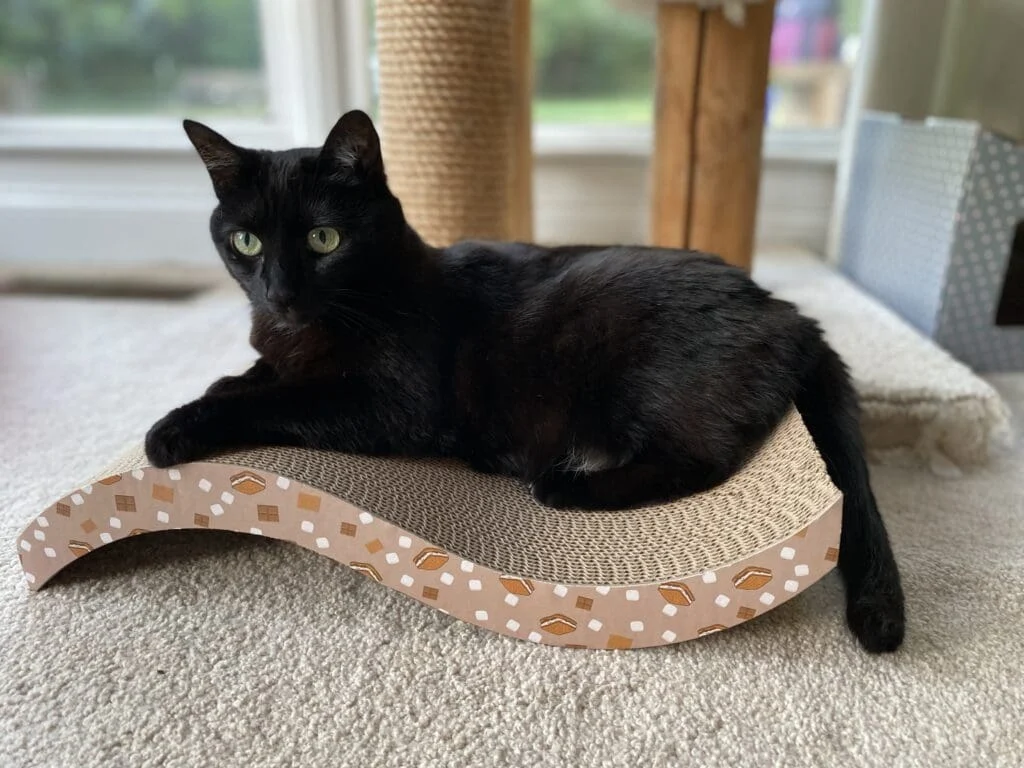
The most successful training regimens are those that work with a cat’s biology, not against it. To train effectively, one must study the "why" behind the behavior. A cat scratching furniture is not trying to be destructive; they are marking territory and conditioning their claws. A cat climbing curtains is expressing a biological need for vertical space.
By redirecting these behaviors toward appropriate alternatives—such as heavy-duty scratching posts or cat trees—owners satisfy the animal’s needs while protecting their home. Furthermore, training sessions should be brief, voluntary, and entirely choice-based. Allowing a cat to "opt in" to a training session drastically improves engagement and reduces the likelihood of behavioral pushback.
Chronology: A Roadmap for the First Weeks
Integrating a new cat into a home requires a staged approach. Understanding the timeline of adjustment is essential for long-term success.

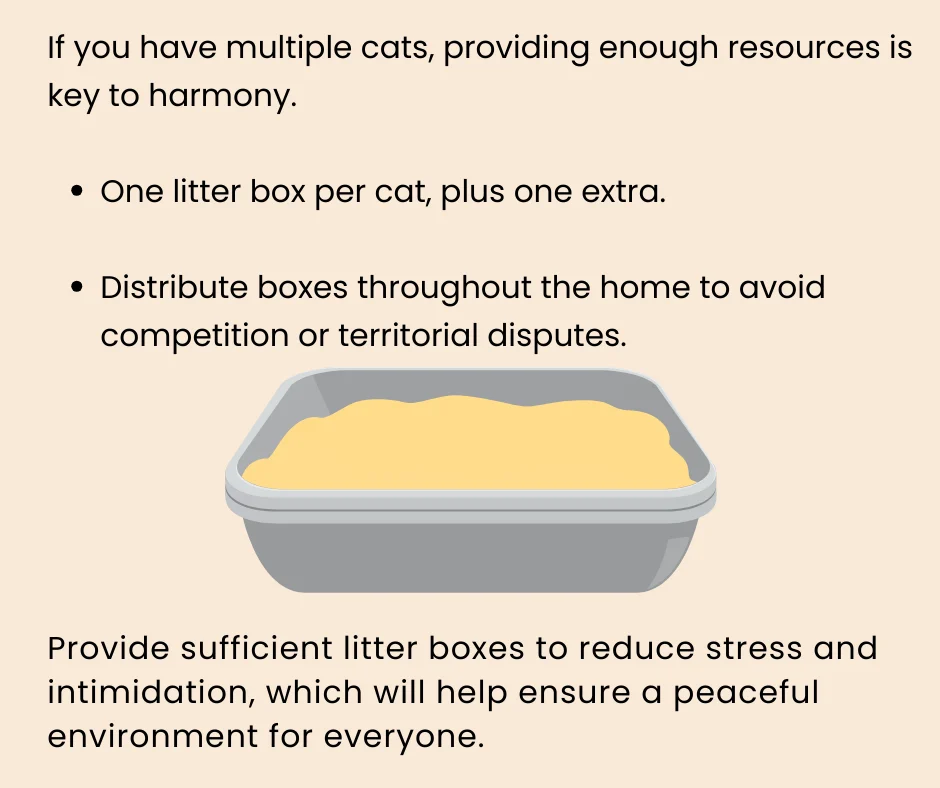
- Days 1–3: The Decompression Phase. During the first 72 hours, the focus should not be on training, but on environmental familiarization. Allow the cat to explore a "safe room" at their own pace. Establishing a consistent feeding and litter box schedule begins here, as these routines form the backbone of the cat’s new life.
- Days 4–14: Establishing Communication. Once the cat is comfortable, introduce basic interaction. Begin using positive reinforcement for calm behavior, such as offering a treat when they approach you voluntarily or sit near you. Keep sessions to under five minutes.
- Weeks 3–6: Environmental Modification. This is the time to introduce tools that align with their instincts. If you notice unwanted behaviors (like jumping on prohibited surfaces), introduce the "redirection" strategy—placing a perch nearby or engaging them in play with a wand toy to satisfy their hunting drive.
- Month 2 and Beyond: Strengthening the Bond. By this stage, training is no longer a set of tasks but a lifestyle. Use ongoing, short, positive interactions to maintain the bond and continue to observe their behavior to address any new needs as they arise.
Supporting Data and Professional Perspectives
Leading feline behaviorists, including noted author and expert Pam Johnson-Bennett, argue that the "aloof" label is a human construct that serves to excuse a lack of effort in understanding feline communication. Data from animal shelters indicates that cats who are trained using positive reinforcement methods are significantly less likely to be surrendered for behavioral issues.
Furthermore, studies in animal cognition suggest that cats demonstrate high levels of social intelligence. They are capable of recognizing human facial expressions and vocal cues, provided those cues are consistent. When owners invest the time to learn "Cat"—the subtle signals of ear position, tail twitching, and vocalizations—the training process becomes a dialogue rather than a series of commands.
Implications for the Household
The implications of adopting a positive, instinct-aware training philosophy are profound. Households that move away from punitive measures report higher levels of cat-to-human attachment. This bond is not merely aesthetic; it has tangible health benefits for both parties, including lower stress levels, improved blood pressure for owners, and a more robust immune response in cats due to lower cortisol levels.
When training is viewed as an extension of care, the cat becomes a more integrated, confident member of the family. They learn to trust the human as a partner, which reduces the incidence of "acting out" behaviors such as inappropriate elimination or aggression. In short, a well-trained cat is a more relaxed cat, and a relaxed cat makes for a more peaceful home.

Conclusion: A Lifelong Journey
Training a new cat is a marathon, not a sprint. It is a continuous process of observation, adaptation, and mutual respect. As you navigate the challenges of your new life together, remember that the goal is not a "perfectly obedient" pet, but a companion who feels understood and secure in their environment.
By choosing patience over frustration, consistency over chaos, and positive reinforcement over punishment, you lay the groundwork for a relationship defined by trust. Whether you are working on litter box habits, scratching preferences, or social interaction, keep the cat’s natural instincts at the forefront of your strategy.
For those seeking to deepen their knowledge, resources such as the comprehensive guides authored by experts like Pam Johnson-Bennett offer a wealth of actionable, step-by-step advice. The investment you make in your cat’s training today will pay dividends in companionship and affection for years to come. Ultimately, the best-trained cat is the one who understands that they are loved, respected, and heard.