
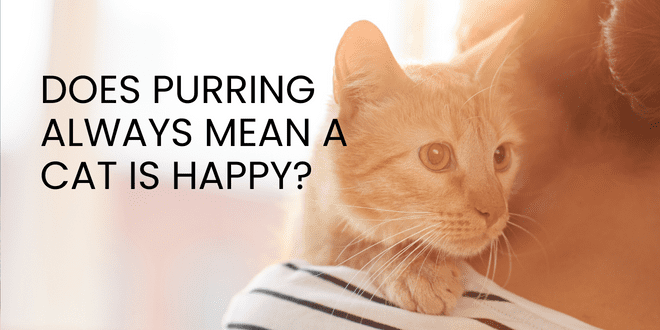
To the uninitiated, the rhythmic, low-frequency vibration emanating from a cat’s chest is the ultimate signal of feline bliss. It is the sound of a companion curled contentedly on a sofa, a testament to a peaceful afternoon. However, feline behaviorists and veterinary researchers have long understood that this interpretation is merely scratching the surface. The purr is not a singular "happiness button"; it is a complex, biological communication tool, a self-soothing mechanism, and perhaps even a form of internal medical therapy.
To truly understand our feline companions, we must look beyond the surface-level assumption of contentment and explore the intricate psychology and physiology that make the purr one of nature’s most mysterious evolutionary marvels.
Main Facts: The Anatomy of a Vibration
At its core, a purr is a continuous, oscillating sound produced by the rapid twitching of muscles in the larynx (voice box) combined with the movement of the diaphragm. Unlike a meow, which is typically a directed communication between a cat and a human, the purr is a unique vocalization that occurs during both inhalation and exhalation.
While most cat owners associate the sound with pleasure, clinical observation suggests that the purr functions as a "multi-purpose" vocalization. It is an involuntary reflex triggered by the brain, capable of being activated by various emotional states, including extreme stress, physical pain, and even fear. By recognizing that the purr is an adaptive behavior rather than just a mood indicator, owners can better assess their cat’s overall well-being.
Chronology: The Purr from Birth to Twilight
The biological significance of the purr begins moments after a kitten enters the world.
The Neonatal Bond
Born both blind and deaf, kittens are essentially tethered to their mothers through instinct and tactile sensation. Within hours of birth, the mother cat begins to purr. This vibration acts as a homing beacon for the kittens. Because the kittens cannot yet see or hear their mother, they rely on the rhythmic hum of her purr—and the physical vibrations transmitted through the nest—to navigate toward her for warmth and nursing. In these initial days, the purr is the primary link in the mother-infant bond.
The Developmental Years
As kittens grow, the purr evolves into a form of social signaling. It is often used to tell the mother, "I am here, I am safe, and I am nursing." As they transition into adolescence and adulthood, the purr becomes a multifaceted tool used to manage social interactions with other cats and, eventually, with humans.
The Twilight Years
In their final years, many cats continue to use the purr as a source of comfort. Whether they are dealing with the chronic aches of arthritis or the anxieties of a changing environment, the purr remains a constant, self-regulating mechanism that provides a sense of internal stability until the end of their lives.
Supporting Data: The "Healing" Frequency
Perhaps the most fascinating aspect of the feline purr is the emerging evidence regarding its potential therapeutic properties. Researchers have noted that the frequency of a domestic cat’s purr typically falls between 25 and 150 Hertz.
The Medical Hypothesis
Studies in the field of vibration therapy have shown that sound frequencies in the 20–140 Hz range can improve bone density and promote the healing of tendons and muscles. This has led scientists to hypothesize that the domestic cat’s purr serves as a form of "low-impact" physical therapy. By purring while they rest or sleep, cats may be effectively "toning" their muscles and stimulating bone repair, helping them maintain their physical agility even during long periods of inactivity.
Pain Management and Stress Reduction
Beyond bone healing, the purr serves a critical role in stress management. When a cat is placed in a high-anxiety environment—such as a veterinary clinic—they may purr as a coping mechanism. Much like a human who might nervously whistle or hum to calm themselves, a cat uses the vibrations of the purr to lower its own heart rate and soothe its nervous system. This is an essential survival strategy; by calming itself, the cat may even attempt to appease a perceived threat or predator.
Official Responses and Expert Perspectives
Experts like renowned feline behaviorist Pam Johnson-Bennett have spent decades documenting how owners often misread these signals. The "official" consensus among animal behavior professionals is that the context of the purr is paramount.

Context is King
When a cat purrs while being petted in a relaxed environment, it is indeed a sign of happiness. However, if a cat is crouched, ears flattened, tail tucked, and pupils dilated while emitting a low, steady purr, the animal is likely experiencing significant distress.
Veterinary professionals note that female cats frequently purr during the exertion of labor. This is not necessarily an expression of joy, but rather a way to manage the intense physical pain and the stress of the birthing process. Recognizing this distinction is vital for any cat guardian who wishes to provide the best possible care for their pet.
Implications for Feline Guardianship
Understanding the complexity of the purr changes the dynamic between human and cat. It requires us to move away from anthropomorphizing the sound as simple "happiness" and instead consider the whole cat.
Observing Your Cat’s Unique Signature
Every cat is an individual. Some cats are "loud" purrers, their vocalizations echoing across a room like a idling engine. Others are "silent" purrers—you might only feel the faint, rhythmic thrum against your skin when you hold them. Neither is necessarily "happier" or "sicker" than the other; these are simply individual differences in anatomy and temperament.
When to Seek Advice
Because the purr can mask pain, guardians should be vigilant. If your cat is spending excessive time alone, purring while hiding, or showing signs of discomfort (such as changes in appetite, grooming habits, or mobility), do not assume the purr is a sign that "all is well." Instead, look at the behavior in its entirety. If the purr is accompanied by physical symptoms of illness, it is time to consult a veterinarian.
Conclusion: A Symphony of Survival
The purr is one of the most sophisticated communication tools in the animal kingdom. It is a bridge between the physical and the emotional, serving as an evolutionary adaptation that helps cats survive, heal, and bond. From the very first moment a kitten finds its mother in the dark to the quiet, rhythmic comfort an elderly cat finds in its final days, the purr remains a constant companion.

By deepening our understanding of these vibrations, we gain more than just knowledge—we gain a deeper, more empathetic connection with our cats. We learn to see them not as simple pets, but as complex, resilient beings who carry their own internal healing system within them.
For those looking to further their knowledge of feline psychology and behavior, the works of experts such as Pam Johnson-Bennett provide an essential roadmap. Understanding the "why" behind the "purr" is the first step toward becoming a truly informed and compassionate cat owner.
For those interested in diving deeper into the nuances of feline behavior, consider exploring the extensive resources and books authored by Pam Johnson-Bennett. Her work offers comprehensive guides on everything from environmental enrichment to behavioral problem-solving, helping you foster a harmonious and happy home for your feline companions.