By Paige K Parsons
Special Animal Welfare Report
Main Facts: The Hidden Reality Behind the Halo of Fur
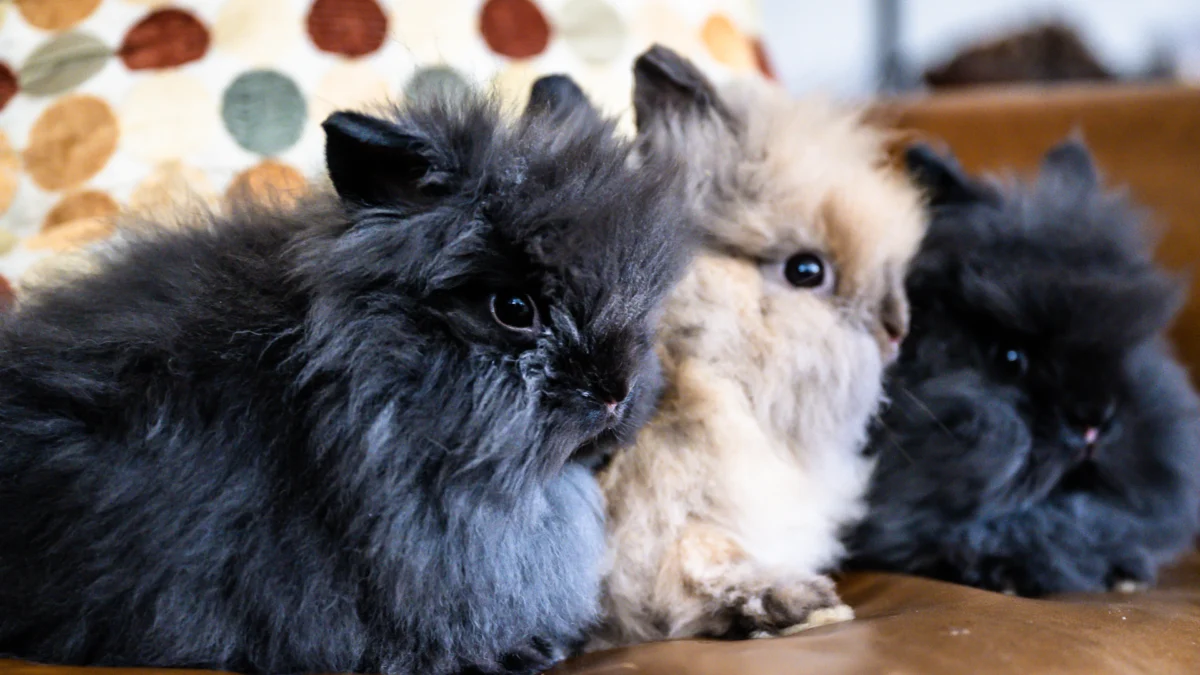
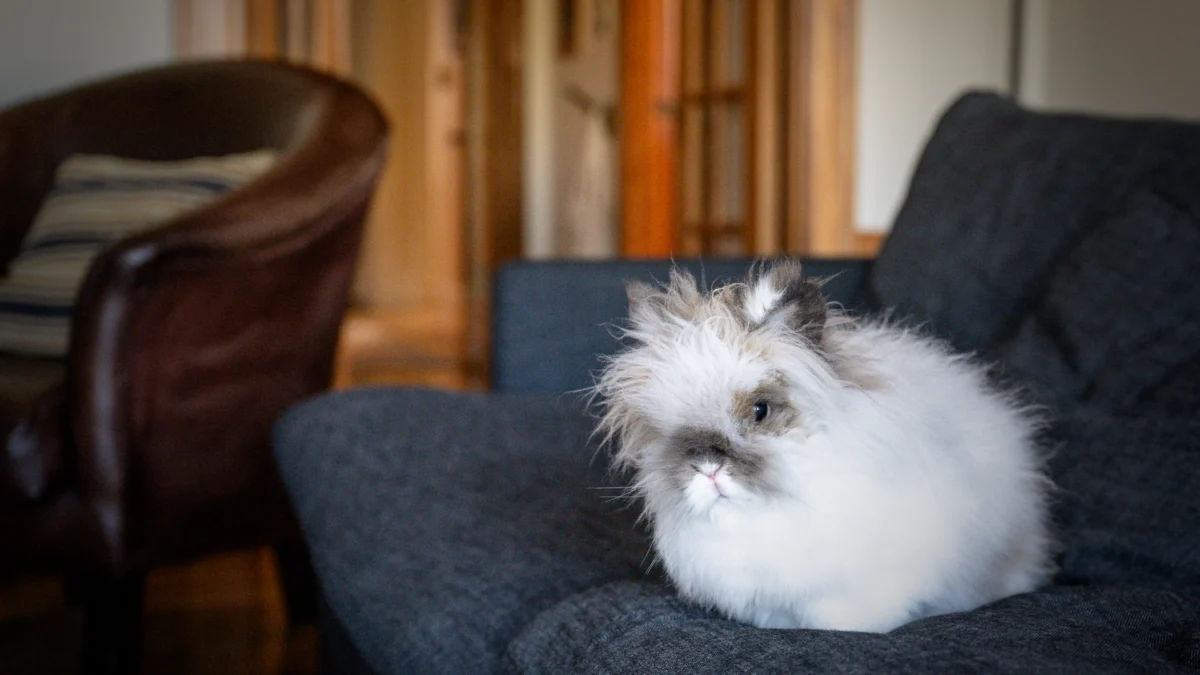
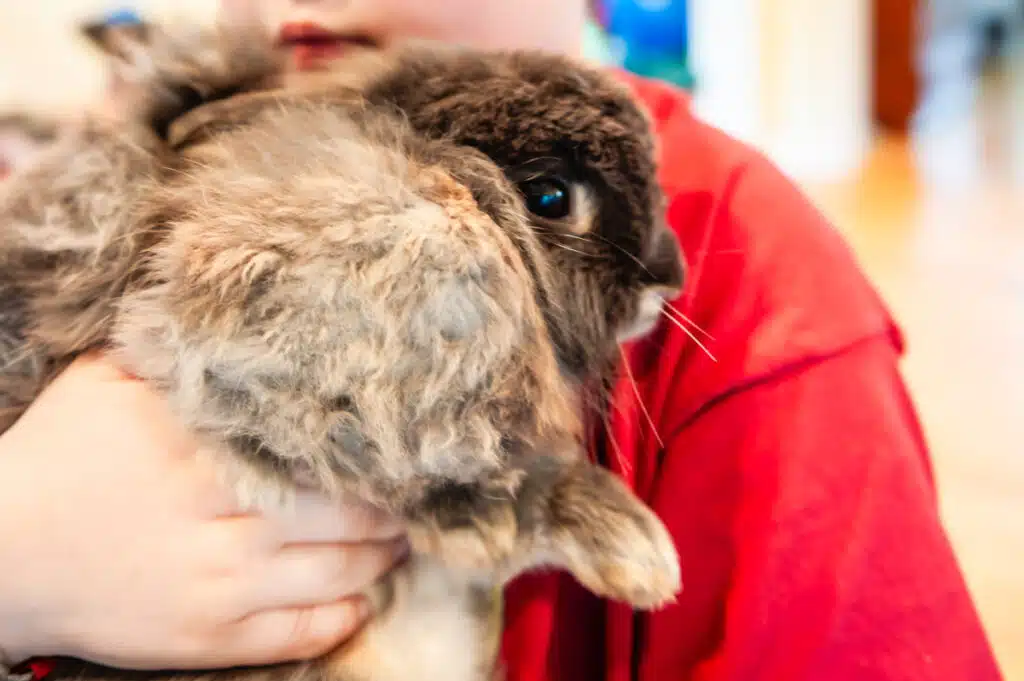
Lionhead rabbits are among the most visually striking domestic companion animals on the planet. Instantly recognizable for the soft, dramatic halo of fur that frames their faces like a miniature lion’s mane, they look less like everyday pets and more like creatures stepped straight out of a storybook. However, this captivating appearance has a dark side. Their irresistible aesthetics drive a thriving commercial market of impulse purchases, pushing thousands of rabbits into rescue organizations and shelters every year.
The core issue lies in a severe public disconnect regarding the realities of long-haired rabbit care. What many prospective pet owners fail to realize before bringing a Lionhead home is that maintaining that signature fluff is not a casual chore—it is a demanding, full-time responsibility. The dense fur around their heads, flanks, and hindquarters is notoriously prone to matting, tangling, and moisture retention.
Without daily intervention, these mats pull painfully at the animal’s delicate skin, restrict movement, trap urine and feces, hide dangerous sores, and obscure underlying infections. Neglecting a Lionhead’s coat does more than make the rabbit uncomfortable; it sets off a domino effect of severe medical emergencies, including flystrike, skin necrosis, and life-threatening gastrointestinal blockages.
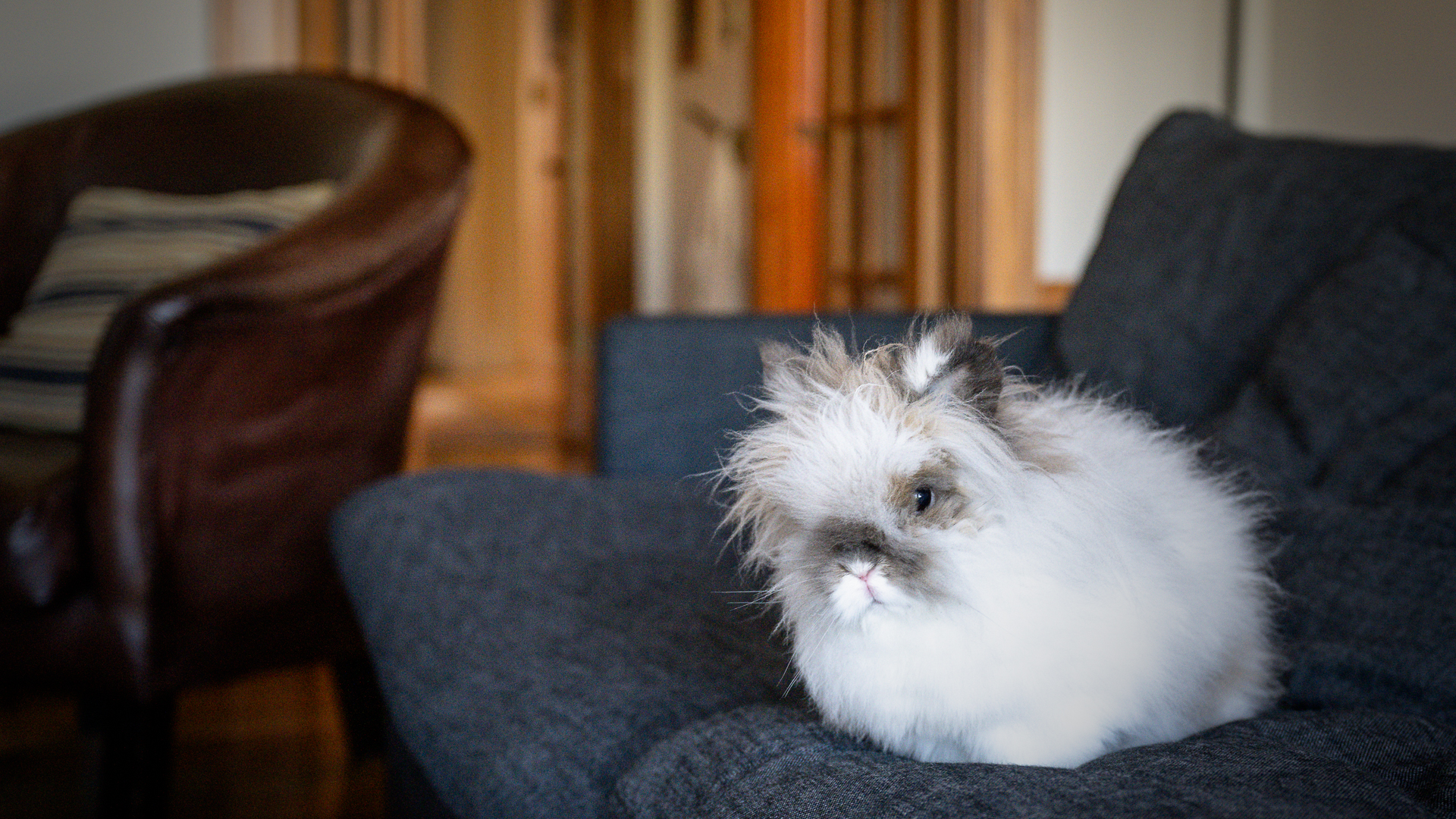
Animal rescue groups across the country find themselves buckling under the weight of surrenders, bearing the financial and emotional burden of rehabilitating severely neglected, matted, and traumatized rabbits. Experts emphasize that while Lionheads make exceptionally affectionate, intelligent, and delightful indoor companions, their beauty demands a profound, educated commitment from their human caregivers.
Chronology: From Pet Store Impulse to Shelter Surrender
The lifecycle of an abandoned Lionhead rabbit typically follows a predictable, heartbreaking trajectory rooted in commercial exploitation and a lack of consumer education.
Phase 1: The Commercial Pipeline and Impulse Purchase
The journey often begins in commercial pet store chains—such as Petland, Tractor Supply, and similar retailers—where animals are treated as retail inventory rather than sentient beings. Lionheads are frequently marketed heavily around holidays or marketed to families seeking "low-maintenance" starter pets for children. Sales associates routinely downplay the specialized care requirements of long-haired breeds, failing to inform buyers about the daily grooming regimen, specialized diets, or potential veterinary costs. In many instances, these rabbits are sold underage, unspayed or unneutered, and deeply stressed from commercial transport.
Phase 2: The Honeymoon Period and Matting Crisis
During the first few weeks, the new owner is enchanted by the rabbit’s playful personality and cloud-like appearance. However, as the rabbit matures—often transitioning from juvenile fur to an adult coat—the maintenance reality sets in. Within a matter of weeks of skipped brushings, the undercoat begins to shed and interlock with the outer guard hairs. Small knots quickly snowball into dense, felted mats. Because rabbits possess extremely thin, fragile skin that tears easily, owners who attempt to cut out severe mats at home frequently inflict accidental, painful lacerations.
Phase 3: Medical Breakdown and Abandonment
As the matting worsens, the rabbit experiences chronic pain, restricted mobility, and hygiene failures. Urine and cecotropes become trapped in the fur around the rear, attracting blowflies that lay eggs, leading rapidly to flystrike—a horrific, rapidly fatal condition where maggots consume the living tissue of the rabbit. Overwhelmed by the sudden veterinary bills, horrified by the physical deterioration, or simply losing interest once the animal requires specialized labor, owners frequently resort to abandonment. Some surrender the rabbits to overcrowded shelters, while others commit the illegal and profoundly cruel act of dumping them outdoors, where domestic rabbits have zero survival instincts against predators, weather, or starvation.
Phase 4: Intake, Rehabilitation, and Second Chances
For the lucky few who find their way to dedicated rabbit rescues, a long road to recovery begins. Intake evaluations often require sedation to safely shave away heavy pelts of matted fur without slicing the skin. Weeks of medical treatment, proper nutrition, behavioral rehabilitation, and spay/neuter surgeries are required before these rabbits are finally deemed ready for adoption into truly prepared, educated homes.
Supporting Data: Understanding the Scope of the Crisis
While exact national statistics on small mammal surrenders are notoriously difficult to track compared to cats and dogs, specialized rabbit rescues report an alarming surge in long-haired breed intakes over the past five years.
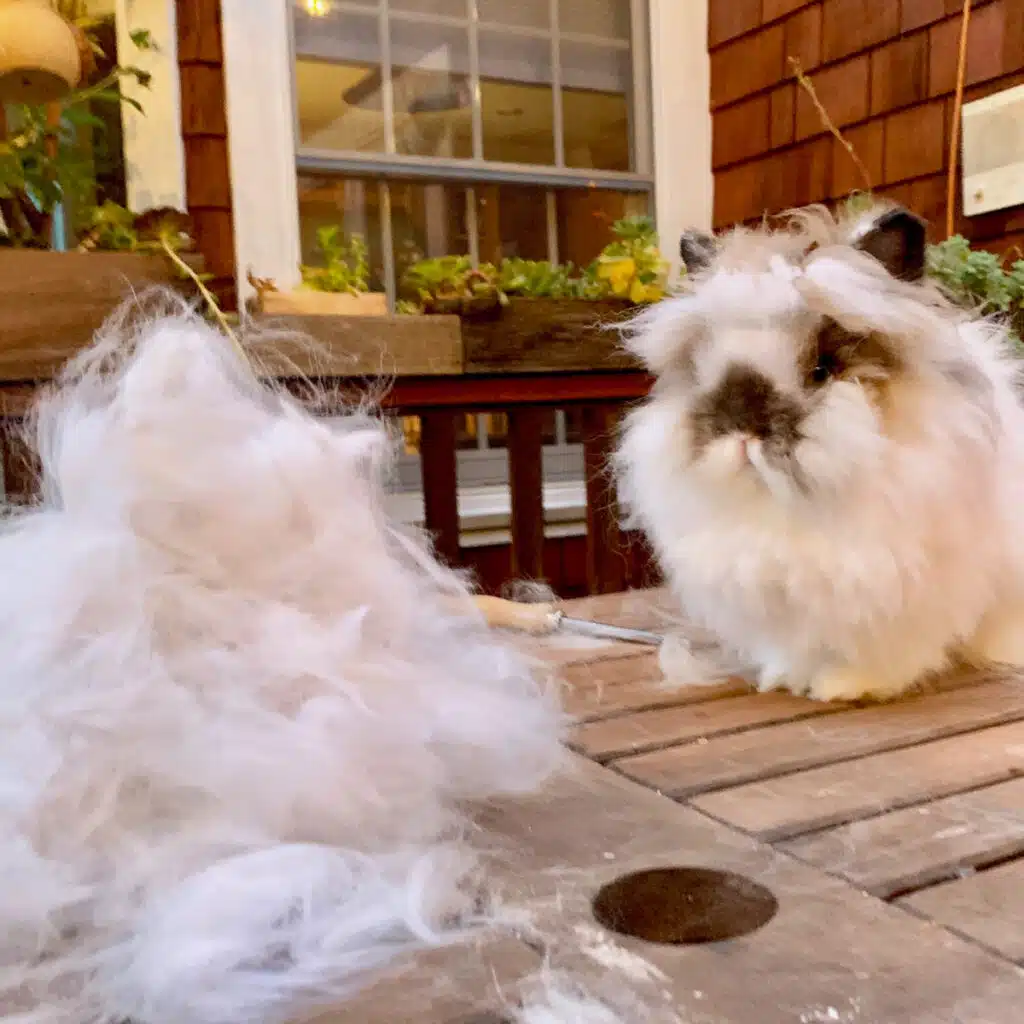
- Grooming Volume: A single routine brushing session for an adult Lionhead can yield a literal mountain of loose fur—often enough to fill a small mixing bowl. When multiplied across daily sessions, the sheer volume of shedding hair underscores how much undercoat these animals produce.
- The Medical Toll: According to intake data from leading rabbit welfare organizations, over 40% of surrendered long-haired breeds arrive with moderate-to-severe matting that requires professional clipping or veterinary intervention. Of those, a significant percentage present with secondary skin infections, urine scalding, or early-stage gastrointestinal stasis brought on by the stress of chronic pain and excessive grooming ingestion (wool block).
- Commercial Impact: Major retail chains continue to push thousands of small animals into the consumer market annually. Petland, for instance, has long faced intense public scrutiny and legislative crackdowns for sourcing animals from commercial breeding mills where animal welfare standards are routinely compromised.
Official Responses: Rescues, Activists, and the Fight Against Retail Sales
The animal welfare community is pushing back forcefully against the commercial exploitation of Lionheads and other vulnerable rabbit breeds. Rabbit advocacy organizations, including the House Rabbit Society and regional rescue networks, are spearheading multi-pronged campaigns to educate the public and dismantle the retail pipeline.
The Advocacy Front: Reforming Pet Store Policies
Activists are demanding an end to the sale of rabbits in commercial pet stores. Organizations have mobilized significant grassroots campaigns, most notably targeting corporate giants like Petland. Through initiatives such as the "Stop Petland Rabbit Sales" campaign and active Change.org petitions, advocates are pressing lawmakers to ban the commercial retail sale of rabbits entirely—mirroring successful legislation in various states and municipalities that restricts retail stores to selling only rescued dogs, cats, and rabbits.
"When pet stores sell rabbits without context, education, or screening, they treat living creatures like impulse-buy impulse items," notes a leading rescue advocate. "The fallout lands squarely on underfunded, overcrowded rescues that must pick up the pieces, heal the physical injuries, and fund the costly veterinary care required to save these discarded animals."
The Rescue Response: Education as Prevention
Rather than simply reacting to surrenders, modern rabbit rescues have shifted toward proactive education. Comprehensive online resources now provide step-by-step guidance on:
- Coat Care & Daily Maintenance: Detailed tutorials on selecting the correct brushes (such as slicker brushes and metal combs) without damaging the rabbit’s guard hairs.
- Clipping Techniques: Safe methodologies for clipping long-haired rabbits (including Lionheads, Jersey Woollies, Fuzzy Lops, and Angoras) to prevent matting before it gets out of hand.
- Adoption Counseling: Pre-adoption screening processes designed to assess whether a potential adopter understands the 8-to-10-year lifespan, spatial requirements, and grooming demands of owning a Lionhead.
Implications: The Future of Responsible Rabbit Ownership
The ongoing crisis surrounding Lionhead rabbits serves as a cautionary tale about the intersection of aesthetics, consumer culture, and animal welfare. As long as animals are bred primarily for exaggerated physical traits—be it flat faces in dogs, folded ears in cats, or excessive manes in rabbits—without public education regarding the biological cost of those traits, the cycle of abandonment will persist.
1. Shifting Toward Adoption Culture
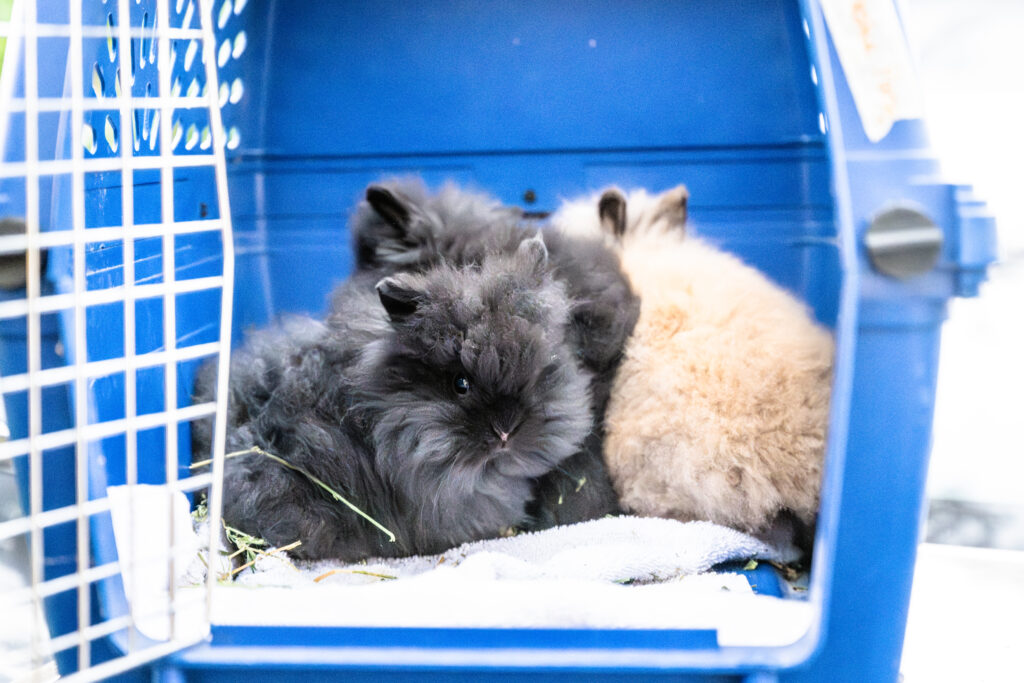
The most immediate implication for prospective pet owners is the necessity of shifting away from impulse purchases at commercial outlets and toward the rescue community. Adopting through a reputable rescue offers distinct advantages:
- Transparency: Rescues evaluate each rabbit’s temperament, health status, and grooming tolerance, matching the animal to an owner with the appropriate skill level.
- Pre-Veterinary Care: Rescued rabbits are invariably spayed or neutered (a critical procedure that prevents reproductive cancers and behavioral issues) and receive full health clearances prior to adoption.
- Lifelong Support: Rescues provide ongoing mentorship, helping new owners troubleshoot behavioral quirks, dietary adjustments, and grooming challenges.
2. Redefining the Indoor Companion Experience
For those who are properly prepared, living with a Lionhead rabbit is an immensely rewarding experience. These animals are far from cage-bound decorations; they are curious, highly social, expressive beings that thrive in free-roam or pen-based indoor environments. When provided with a spacious living area, mental enrichment, an unlimited supply of fresh grass hay, daily greens, and a consistent grooming routine, Lionheads display affectionate, engaging personalities that rival those of traditional companion animals.
3. A Call to Conscience
Ultimately, the story of the Lionhead rabbit is a reminder that beauty must never be decoupled from responsibility. Whether addressing the systemic abuses of commercial pet mill pipelines or learning how to gently work a comb through a tangled mane, human stewardship dictates the quality of life these animals experience. By choosing adoption, supporting legislative bans on retail rabbit sales, and committing to daily, diligent care, the rabbit welfare community aims to ensure that the Lionhead’s iconic fluff remains a source of shared joy rather than a symbol of neglect.