
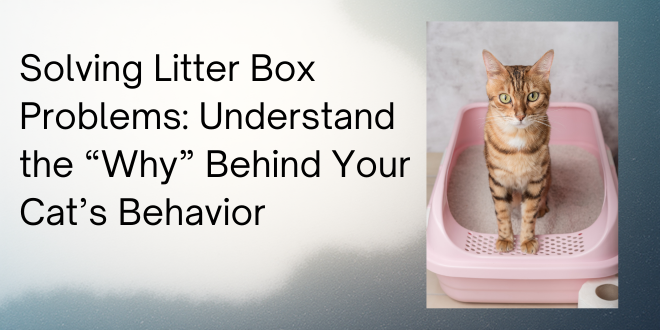
When a cat chooses to eliminate outside of the litter box, the immediate human reaction is often one of frustration or the mistaken belief that the animal is acting out of spite. However, feline behaviorists and veterinary experts agree: cats are not vindictive creatures. Instead, they are creatures of habit, instinct, and environmental comfort. When a cat deviates from their established bathroom routine, they are not staging a protest; they are signaling that a critical need is not being met.
Understanding the root cause of these behaviors is not merely a matter of household cleanliness—it is an essential component of responsible feline ownership and veterinary wellness.
The Core Reality: Why Cats Stray from the Box
To address the issue effectively, owners must pivot their perspective. In the feline world, every behavior is purposeful. If a cat avoids the litter box, there is a logical, albeit often invisible, reason. Whether it is a physical ailment, a standard of hygiene that has not been satisfied, or a psychological stressor, the cat is engaging in a logical "problem-solving" exercise.
For the human owner, the task is to act as a detective rather than a disciplinarian. Punishing a cat for litter box avoidance is not only ineffective; it is counterproductive. It exacerbates the underlying stress, frequently leading to more frequent accidents and a deteriorating bond between pet and owner.
Chronology of Diagnosis: A Step-by-Step Approach
When dealing with a cat that has begun eliminating elsewhere, the diagnostic process should follow a structured timeline to ensure that no stone is left unturned.
1. The Immediate Veterinary Screening
Before assuming a behavioral issue, the first and most vital step is a visit to the veterinarian. Physical challenges are the primary culprits in many cases. Arthritis, feline idiopathic cystitis, kidney disease, or simple joint pain can make the act of stepping into a high-sided box or navigating stairs a painful ordeal. If a cat associates the box with physical discomfort, they will naturally seek a more comfortable, albeit inappropriate, location.
2. Environmental Assessment
Once medical issues are ruled out, the focus must shift to the environment. Was there a change in the household? Did you move the furniture, switch litter brands, or introduce a new pet? Cats are highly sensitive to routine. A shift in the domestic landscape can trigger anxiety that manifests as litter box avoidance.
3. The Sanitation Audit
If the cat is physically healthy and the environment is stable, the issue is almost certainly a matter of hygiene. A cat’s standard for "clean" is significantly higher than a human’s. Their natural instinct is to hide their waste to avoid attracting predators; a dirty box signals danger.

Supporting Data: The Psychology of Feline Hygiene
Research into feline ethology reveals that the litter box is not just a bathroom; it is a vital part of a cat’s territorial security.
The Instinctive Need for Cleanliness
In the wild, cats bury their waste to mask their presence. In a domestic setting, if the box is not scooped at least twice daily, the accumulation of ammonia and scent alerts the cat that the area is no longer safe. When the box becomes "full," the cat views it as a liability. By choosing a different location, the cat is attempting to maintain its own survival standards.
The "Ambush" Factor in Multi-Cat Households
In households with multiple pets, the location of the litter box is critical. A cat requires a sense of security while in a vulnerable position. If a box is placed in a corner or a confined space, it can become an "ambush point." Another cat might intimidate the user, causing them to associate the box with fear. This is why many cats prefer open areas where they have a 360-degree view of their surroundings, allowing them to escape if a conflict arises.
Official Recommendations: Best Practices for Success
Expert consensus on managing litter box health centers on providing accessibility, autonomy, and cleanliness.

The Mathematical Rule of Boxes
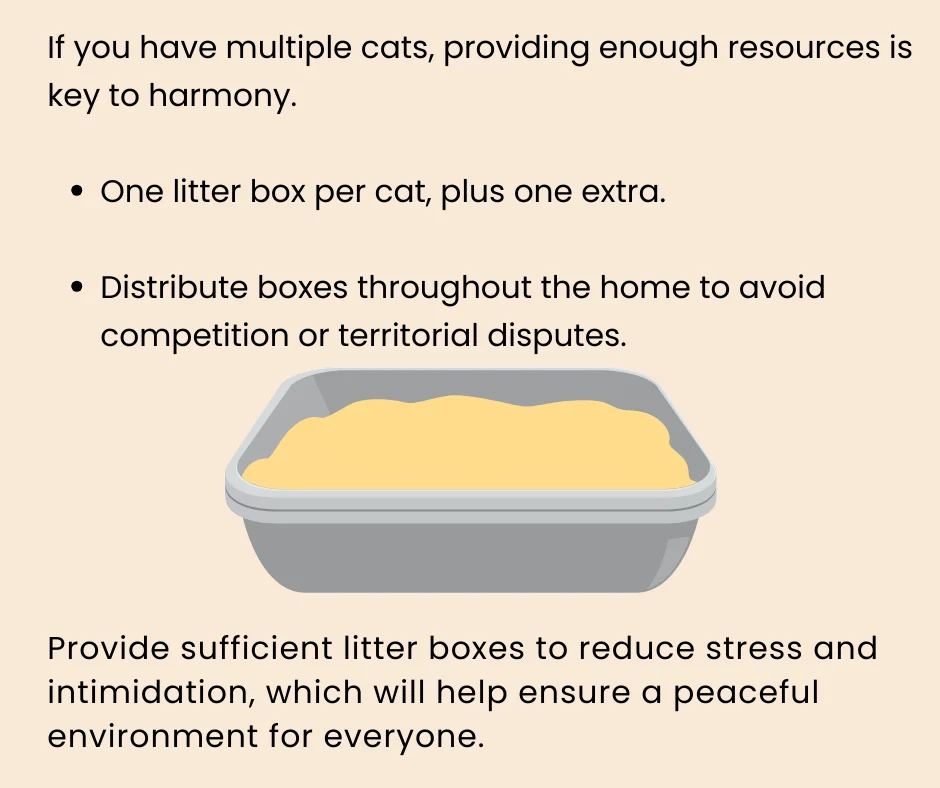
The golden rule in feline care is to have one more litter box than the number of cats in the home. If you have two cats, you should have three boxes. This prevents resource guarding and ensures that every cat has a "safe" option that isn’t currently occupied or territorialized by a housemate.
The Configuration Matters
- Low-Entry Boxes: Essential for seniors or cats with mobility issues.
- Uncovered Options: While humans prefer covered boxes to contain odors, many cats find them stifling and trapping. Providing an uncovered alternative is often the "silver bullet" for resolving avoidance issues.
- Strategic Placement: Avoid placing boxes near loud appliances, high-traffic areas, or in places where a cat can be cornered. If the home has multiple floors, ensure there is a box on every level.
The Sanitation Routine
Beyond daily scooping, the box itself is a porous material that absorbs odors over time. Even if you use high-quality, scoopable litter, the surface of the plastic box will eventually harbor bacteria. Owners should establish a schedule for completely emptying the box, washing it with mild, unscented soap, and refilling it with fresh substrate.
Implications: The Long-Term Impact on Feline Welfare
Ignoring litter box issues leads to more than just stained carpets; it leads to a breakdown in the human-animal bond. Many cats are surrendered to shelters because of this specific behavior, yet in the vast majority of cases, the issue is entirely fixable with a change in strategy.
The Role of Stress Management
For the single cat, stress often stems from inconsistency. For the multi-cat home, it is often social. Understanding the social groups within your home is key. Do not place a box in the "territory" of a dominant cat if a more timid cat needs to use it. By observing the social dynamics, you can create a floor plan that allows for peaceful coexistence.

When to Seek Further Help
If you have optimized the boxes, ruled out medical issues, and ensured a low-stress environment, yet the behavior persists, it may be time to consult with a certified feline behaviorist. These professionals can conduct a home evaluation to identify triggers that a pet owner might overlook, such as high-frequency noises or subtle shifts in light and shadow that disturb a sensitive cat.
Conclusion: Empathy as the Best Solution
The journey to resolving litter box avoidance is one of empathy. By looking at the world through the eyes of the cat—a creature driven by safety, cleanliness, and the need for a predictable territory—we can transform a frustrating situation into a manageable one.
Remember that your cat is not a human child that can be reasoned with, nor is it a creature capable of malice. It is a biological organism operating on survival instincts. When the box is clean, accessible, and safe, your cat will, in almost every instance, choose to use it. The solution lies in your ability to observe, adapt, and provide the environment your companion needs to thrive.
Disclaimer: This information is provided for educational purposes and should not be considered a substitute for professional veterinary diagnosis. Always consult your veterinarian regarding sudden changes in your cat’s health or behavior, as these can often be early warning signs of serious medical conditions.