Main Facts
The timeless American road trip has long been considered the pinnacle of personal adventure, offering an intimate way to explore changing landscapes, hidden national treasures, and winding scenic byways. For millions of travelers, however, no vacation feels entirely complete without their canine companions riding shotgun. Enter the adventure van—a rising trend in modern travel that bridges the gap between rugged tent camping and the cumbersome nature of full-scale recreational vehicles (RVs).
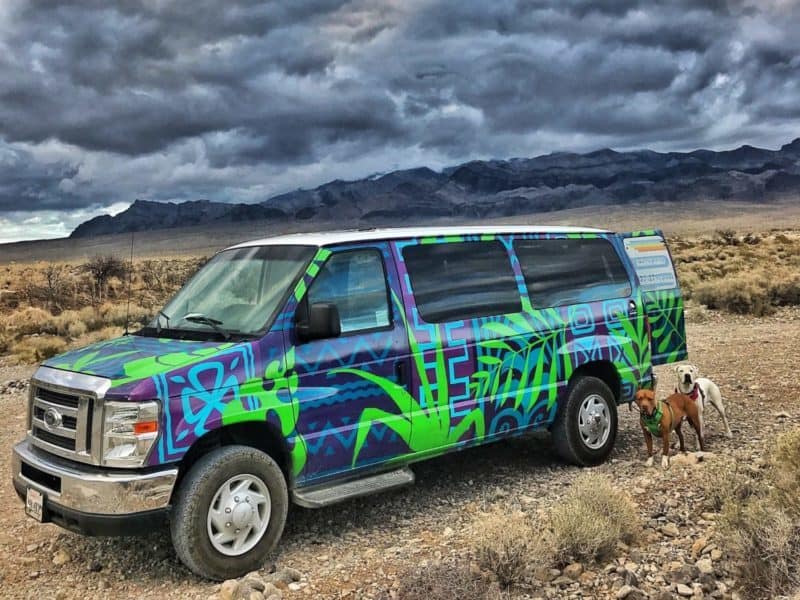
Campervans offer an agile, highly maneuverable alternative to traditional motorhomes. Slightly larger than a standard passenger vehicle, these custom-built vans provide ample storage for outdoor gear and a comfortable space to sleep, all while remaining easy to park in crowded national parks or narrow city streets. Crucially, a growing number of campervan rental companies have recognized the demand for pet-inclusive travel, opening their fleets to dogs and cats of various shapes and sizes.
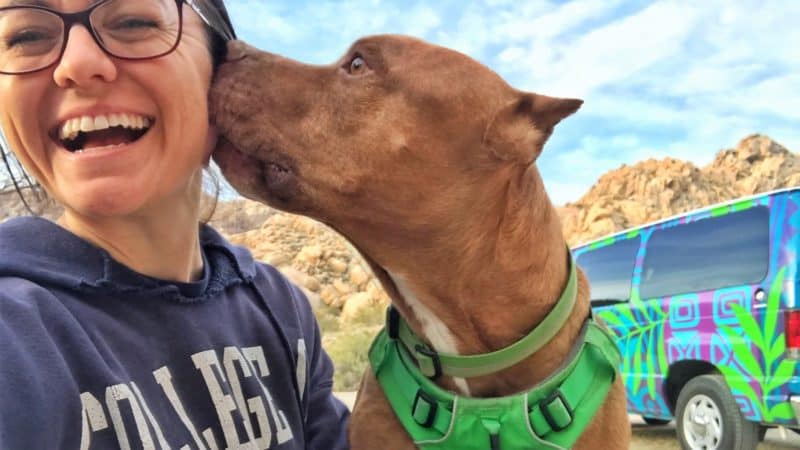
Despite the growing popularity of pet-friendly van life, hitting the road in a rental requires careful planning. Renters must navigate an intricate patchwork of company policies, seasonal restrictions, vehicle safety standards, and smart packing strategies to ensure a seamless journey for both human and animal passengers.
Chronology and Planning: Before You Book
Planning a successful campervan excursion with pets requires a distinct timeline, beginning long before you turn the ignition key.
Phase 1: Researching Rental Policies (Months in Advance)
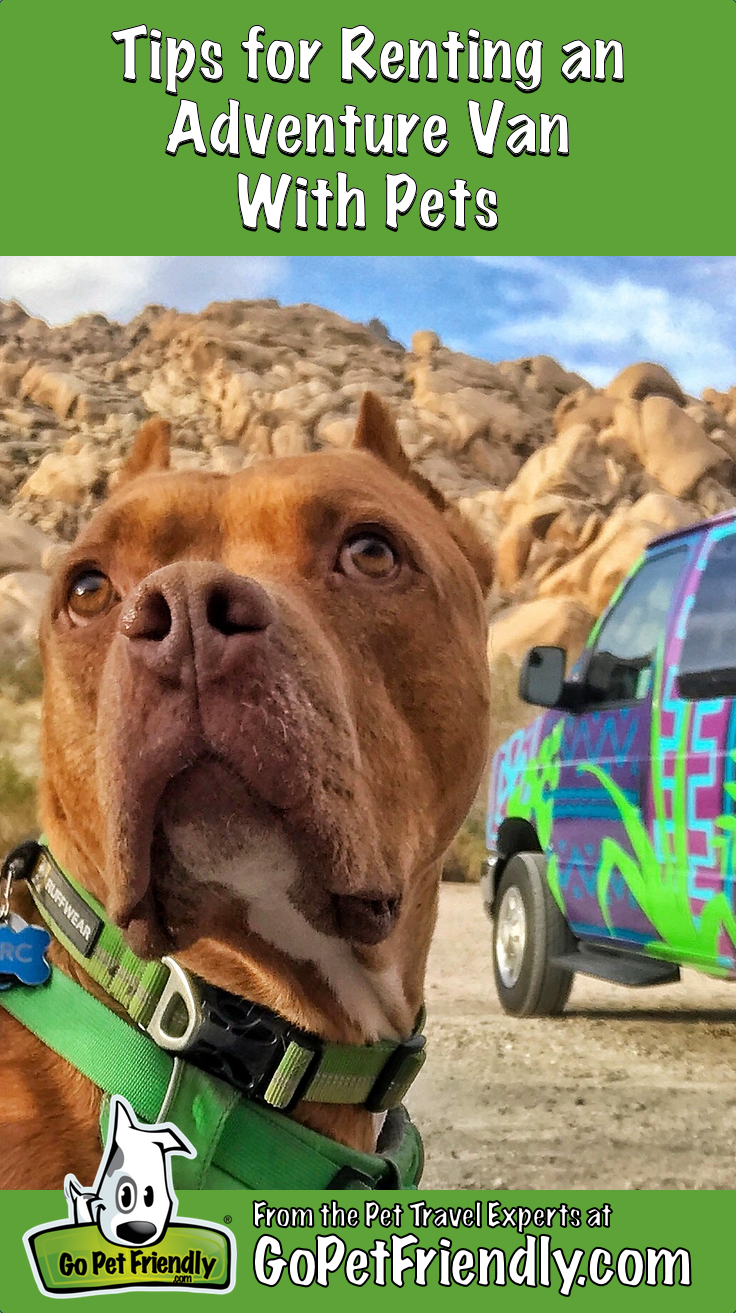
Unlike traditional car rental agencies, campervan and RV rental companies maintain widely divergent policies regarding animal passengers. Travelers must contact rental operators directly to verify rules that may not be fully detailed on corporate websites. For instance, companies like Escape Campervans—a popular provider with hubs across the United States—enforce strict seasonal restrictions in certain desert climates. In Phoenix, Arizona, pets are prohibited from renting vans during the sweltering months of July, August, and September to prevent heat-related emergencies in unconditioned or parked vehicles. While this policy prioritizes animal welfare, it requires travelers to carefully map out their vacation windows.
Phase 2: Evaluating the Vehicle Layout (Weeks in Advance)
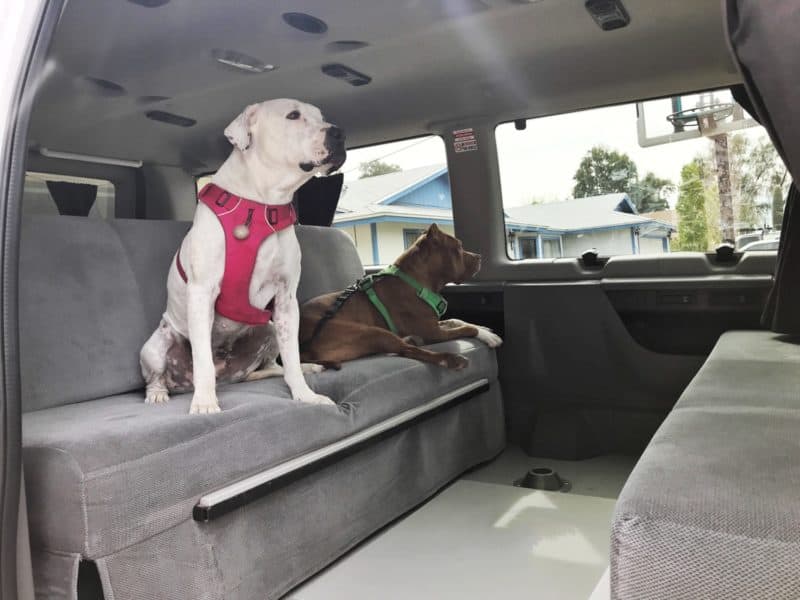
Once a pet-friendly operator is secured, travelers must evaluate the interior architecture of the specific van model. Many campervans feature a convertible rear bench seat that transforms into a bed at night. Renters need to determine whether this space can comfortably accommodate multiple pets alongside human passengers during transit. Securing appropriate safety restraints—such as crash-tested dog harnesses or travel crates—must be arranged prior to departure.
Phase 3: Packing and Preparation (Days in Advance)
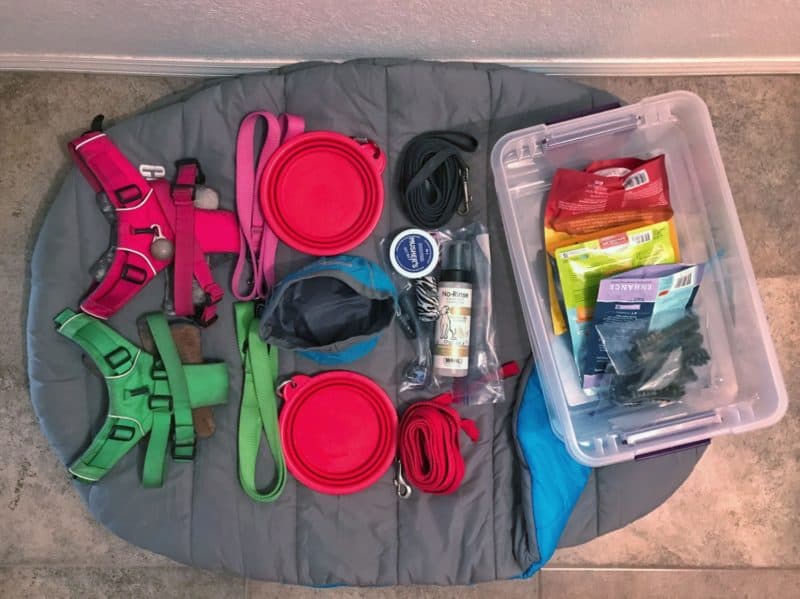
A successful trip relies on strategic packing, dividing gear between standard pet essentials (food, water bowls, leashes, and medications) and specialized van-life accessories. Experienced travelers recommend bringing items like heavy-duty cleaning wipes, pet-safe dry shampoo, outdoor dog beds, and an old yoga mat to act as a collapsible, easy-to-clean doormat that keeps dirt out of the living quarters.
Supporting Data: Navigating Campground Infrastructure and Amenities
Choosing where to park for the night depends heavily on personal preferences, budget, and the specific amenities required by both humans and animals. North America offers a diverse array of public and private camping options, each presenting distinct advantages for travelers with pets.
Overview of Campground Categories
- State Park Campgrounds: Typically feature well-maintained sites equipped with picnic tables, fire rings, flush toilets, and hot showers. Most state parks welcome pets on leash, though regulations regarding trail access vary significantly by region.
- National Parks and National Forests: National parks often have restricted pet access (typically limited to paved areas, roads, and campgrounds), whereas national forests offer a much more liberal environment, often allowing dogs to roam backcountry trails. National forest campgrounds usually provide basic amenities, such as pit toilets and picnic tables, but rarely offer showers.
- Bureau of Land Management (BLM) Land: Ideal for "boondocking" or dispersed camping. BLM locations offer wide-open spaces with minimal infrastructure—often just a primitive fire ring—allowing travelers to experience absolute solitude with their pets.
- Private Campgrounds and RV Parks: These facilities offer the highest concentration of amenities, including high-speed internet, laundry rooms, camp stores, hot showers, and occasionally dedicated off-leash dog parks.
Gear Checklist for Van Life with Pets
| Category | Essential Items | Purpose |
|---|---|---|
| Safety & Restraint | Crash-tested harnesses, seatbelt tethers | Prevents pets from distracting the driver or becoming projectiles in a sudden stop. |
| Hygiene | Pet-safe dry shampoo, microfiber towels, wet wipes | Manages mud, sand, and odors in a confined living space. |
| Comfort | Familiar blankets, outdoor dog beds, old yoga mat | Provides a designated resting zone and acts as a dirt-trapping doormat. |
| Nourishment | Collapsible bowls, airtight food storage, bottled water | Ensures safe, easy feeding on the go, independent of campground hookups. |
Official Responses and Industry Guidelines
Veterinary experts, automotive safety organizations, and campervan rental operators have increasingly weighed in on the logistics of traveling with pets in compact motorhomes, establishing a set of best practices for consumers.
Automotive Safety Standards
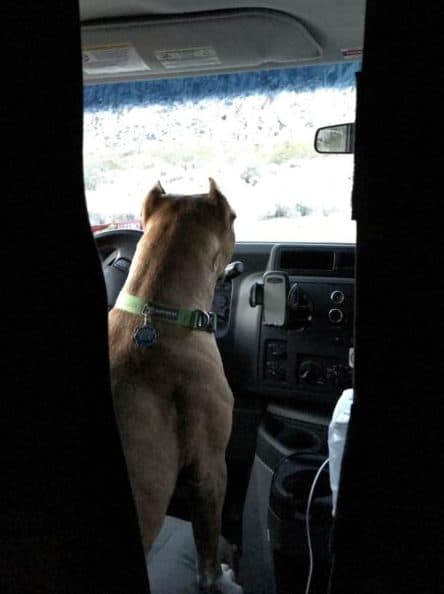
The Center for Pet Safety (CPS) strongly discourages allowing pets to roam free inside the cabin of any moving vehicle, including adventure vans. In a sudden collision or hard brake, an unbelted dog can suffer severe injuries or become a dangerous projectile. Rental operators increasingly emphasize the use of crash-tested harnesses that interface directly with standard automotive seatbelts or the specialized lap belts found on convertible van bench seats.
Rental Operator Guidelines
Industry insiders note that while pet-friendly policies are expanding as van life surges in popularity, cleanliness standards remain exceptionally strict. Rental companies generally do not charge extra for well-behaved pets, but they do enforce rigorous cleaning fees if vehicles are returned with excessive pet hair, odors, or claw damage. Operators advise renters to use protective covers on mattresses and bench seats, sweep the van floor daily, and thoroughly air out the interior before returning the vehicle.
Implications: The Future of Pet-Inclusive Adventure Travel
The intersection of the booming campervan rental market and the rising cultural phenomenon of pet humanization carries profound implications for the tourism and outdoor recreation industries.
Economic and Cultural Shifts
As more consumers prioritize experiences that include their pets—often referred to affectionately as "fur babies"—travel infrastructure is rapidly evolving. Tourism boards, hospitality groups, and gear manufacturers are capturing significant market share by catering to this demographic. Adventure van rental companies that embrace pet-friendly policies position themselves ahead of the curve, capturing a loyal customer base that views travel restrictions as a dealbreaker.
Environmental and Conservation Impacts
An increase in pet-friendly road tripping also places new demands on public lands. National forests, state parks, and BLM lands must balance open access for animal owners with wildlife conservation and trail etiquette. Responsible pet ownership—including strict adherence to leash laws, proper waste disposal, and respect for native wildlife—is essential to keeping public lands open to travelers with pets.
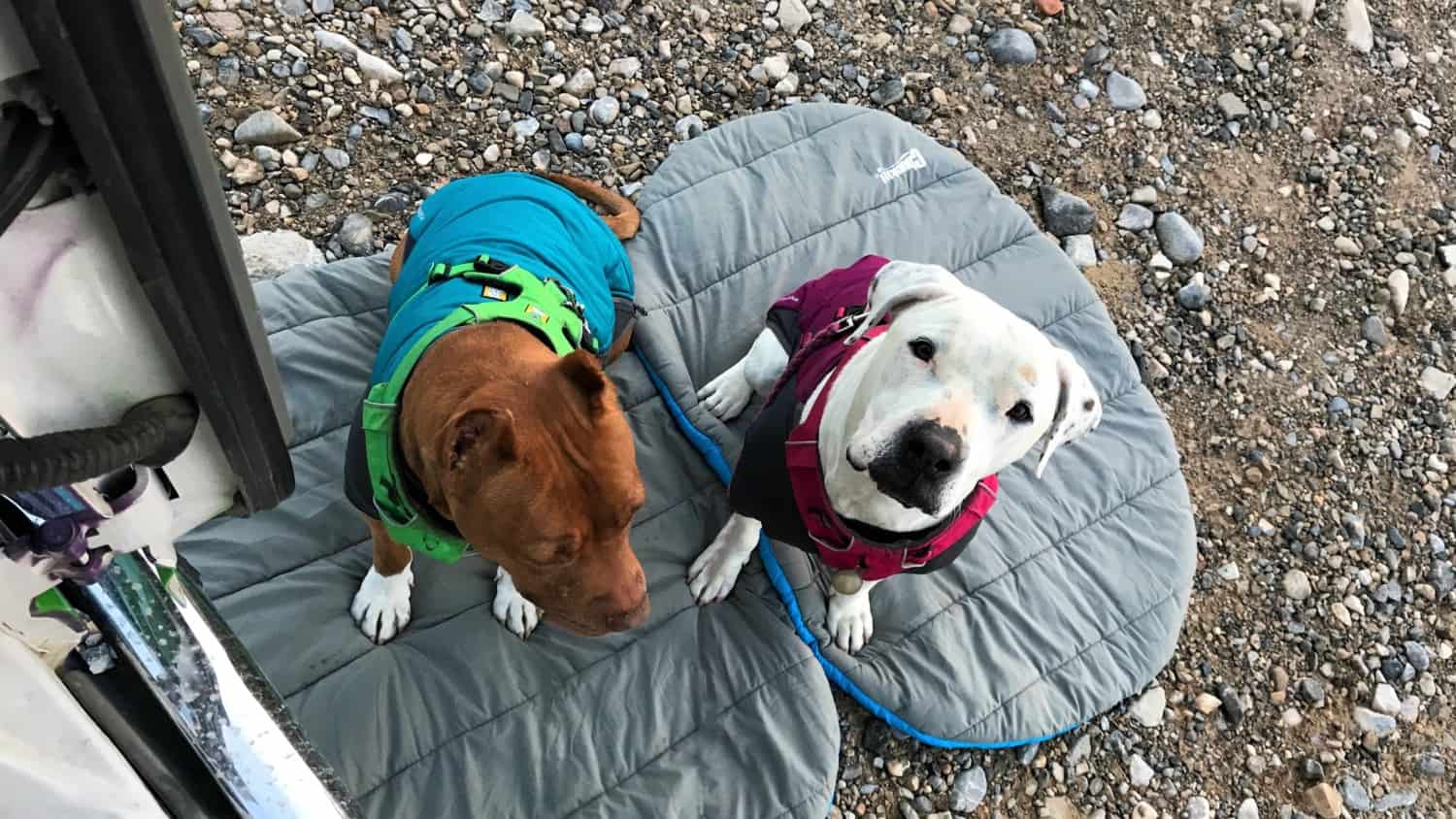
Ultimately, renting an adventure van with your companion animals offers an unmatched sense of freedom. By combining careful route planning, strict adherence to safety standards, and thoughtful interior organization, modern explorers can forge unforgettable memories on the open road, proving that the best adventures are truly shared.