LOS ANGELES COUNTY, CALIFORNIA — State agricultural authorities have confirmed a new case of equine herpesvirus myeloencephalopathy (EHM)—the severe neurologic manifestation of equine herpesvirus-1 (EHV-1)—in an 18-year-old Thoroughbred gelding residing in Los Angeles County. The diagnosis has triggered immediate biosecurity protocols, including a strict quarantine of the affected facility as veterinary officials work to contain potential exposure among the equine population.
According to the California Department of Food and Agriculture (CDFA), the index case presented with acute neurological symptoms before testing positive for the virus. While the gelding is currently undergoing treatment and is reported to be recovering under isolation on his home premises, the incident serves as a stark reminder of the persistent and unpredictable threat that infectious equine diseases pose to the region’s vibrant equestrian community.
Main Facts
The confirmed case involves an 18-year-old Thoroughbred gelding housed at a private facility in Los Angeles County. Following the onset of clinical signs indicative of neurological distress, diagnostic testing confirmed EHM secondary to EHV-1.
Key details of the current situation include:
- Patient Status: The affected gelding is currently isolated at his home premises and is showing signs of recovery.
- Quarantine Measures: A total of 37 potentially exposed horses located at the same facility have been placed under formal quarantine by regulatory authorities.
- Pathogen Profile: EHV-1 is a ubiquitous and highly contagious DNA virus capable of causing respiratory disease, reproductive failure in broodmares, and the devastating neurological syndrome known as EHM.
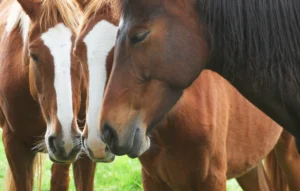
- Transmission Dynamics: The virus spreads primarily through direct nose-to-nose contact, shared equipment, and human vectors who fail to practice proper hygiene between handling infected and healthy equids.
The alert was disseminated via the Equine Disease Communication Center (EDCC) Health Watch, an industry initiative supported by the Equine Network that provides verified, timely updates regarding infectious disease outbreaks across North America.
Chronology of the Outbreak and Response
The timeline of the Los Angeles County EHM case highlights the rapid mobilization required when dealing with contagious equine pathogens:
- Onset of Symptoms: The 18-year-old Thoroughbred gelding began exhibiting clinical signs associated with neurological impairment. Recognizing the potential severity of the symptoms, the attending veterinarian initiated diagnostic protocols.
- Diagnostic Confirmation: Laboratory testing ordered through state channels confirmed the presence of EHV-1 leading to EHM.
- Isolation and Containment: Immediate action was taken at the facility level. The index horse was moved into strict isolation away from other equines on the property.
- Regulatory Intervention: The California Department of Food and Agriculture stepped in to establish a formal quarantine covering the 37 potentially exposed horses residing at the premises, halting movement on or off the property to prevent community spread.
- Public Notification: Details of the confirmed case were transmitted to the EDCC, which published an official health alert to warn local horse owners, trainers, and facility managers to heighten their biosecurity vigilance.
Supporting Data and Veterinary Context: Understanding EHV-1 and EHM
To fully grasp the implications of the Los Angeles County case, it is essential to examine the biology, clinical presentation, and epidemiology of equine herpesvirus.
Clinical Manifestations of EHV-1
Equine herpesvirus is a complex pathogen with multiple clinical presentations depending on the strain, age, immune status, and physiological state of the horse:
- Rhinopneumonitis: This is primarily a respiratory illness frequently observed in young horses. Symptoms typically include a sudden fever (which may go undetected if temperatures are not routinely monitored), a persistent cough, decreased appetite, lethargy, and a clear to mucopurulent nasal discharge.
- Equine Abortion: Broodmares infected with EHV-1 can experience late-term abortions, typically occurring around the eighth month of gestation, though losses can happen earlier or several weeks to months after the initial infection. Notably, mares rarely show preceding signs of illness before aborting.
- Equine Herpesvirus Myeloencephalopathy (EHM): The neurological form of the disease occurs when the virus damages the endothelial cells lining the small blood vessels of the central nervous system, leading to thrombosis (blood clots) and localized ischemia (lack of blood flow) in the brain and spinal cord.
Progression of EHM
Horses developing EHM generally follow a characteristic trajectory:
- Early Signs: The onset is frequently marked by a fever, which may be accompanied by mild respiratory signs or pass entirely unnoticed.
- Neurological Signs: Within a few days of the initial fever, neurological deficits become apparent. These commonly include ataxia (incoordination, particularly in the hindquarters), hind-limb weakness, urinary incontinence or dribbling due to bladder paralysis, loss of tail tone, and, in severe cases, recumbency—where the horse loses the ability to stand.
Transmission Mechanisms
EHV-1 is easily disseminated within and between equine populations. Primary routes of transmission include:
- Direct Contact: Nose-to-nose or close proximity between an infectious horse and a susceptible animal.
- Aerosolization: Coughing and snorting can project viral particles short distances through the air, though this is considered a less common primary route than direct contact or fomite transfer.
- Fomites (Inanimate Objects): Sharing contaminated equipment such as grooming tools, water buckets, feed tubs, bits, halters, and blankets.
- Human Vectors: The hands, clothing, and footwear of handlers, trainers, and veterinarians who move between horses without changing attire or sanitizing equipment.
Official Responses and Regulatory Protocols
State and national agricultural bodies maintain strict guidelines for managing outbreaks of EHV-1 and EHM. When a positive case is diagnosed, the primary objectives of regulatory agencies—such as the CDFA—are to isolate the infected animal, trace potential contacts, and enforce quarantines to break the chain of transmission.
The Role of Regulatory Agencies
The CDFA oversees disease control within California, coordinating closely with private practitioners to ensure that suspected and confirmed cases are reported promptly. Regulatory veterinarians assess the scope of exposure at affected facilities, establish quarantine parameters, and determine when a facility meets the clinical criteria for release from quarantine.
Industry Support and Transparency
The Equine Disease Communication Center (EDCC) plays an indispensable role in national biosecurity. Operating as an independent nonprofit organization supported entirely by industry donations and sponsorships, the EDCC aggregates verified reports from state veterinarians and diagnostic laboratories. By providing open, centralized access to infectious disease data, the EDCC empowers horse owners and event organizers to make informed decisions regarding travel, biosecurity, and herd health management.
Implications for Horse Owners and the Equestrian Industry
The confirmation of EHM in Los Angeles County serves as a timely reminder for stables, boarding facilities, and competition venues across Southern California and beyond to review and reinforce their biosecurity programs.
Limitations of Vaccination
A common misconception among equestrians is that vaccination can completely prevent EHM. While commercially available EHV-1 vaccines are valuable tools that help reduce clinical signs and viral shedding during respiratory infections, current vaccines are not labeled or proven to protect against the neurologic form of the disease (EHM). Consequently, vaccination must be viewed as part of a comprehensive health management strategy rather than a standalone shield against neurological outbreaks.
Best Practices for Disease Prevention and Biosecurity
Because prevention remains the single most effective method of disease control, industry experts recommend implementing rigorous, routine biosecurity protocols at all equine facilities:
- Daily Temperature Monitoring: Keeping a daily log of body temperatures for horses, especially those actively traveling or competing, allows for the early detection of fever—often the very first sign of an EHV-1 infection.
- Strict Hygiene Practices: Facility managers should enforce handwashing protocols, the use of dedicated footbaths, and the regular sanitation of shared spaces, aisles, and grooming areas.
- Equipment Segregation: Owners should never share water buckets, feed tubs, grooming brushes, or tack between different horses without thorough cleaning and disinfection.
- Quarantine of New Arrivals: Any horse arriving from another facility, sale, or event should be kept isolated from the resident herd for a minimum of 14 to 21 days to monitor for signs of infectious disease.
- Limiting Direct Contact: At shows, trailheads, and boarding stables, minimize nose-to-nose contact between unfamiliar horses.
Moving Forward
As the 18-year-old Thoroughbred gelding in Los Angeles County continues his recovery under veterinary supervision, the 37 quarantined horses remain under close observation by regulatory officials and facility management. For the broader equestrian community, this incident underscores the necessity of constant vigilance, proactive communication, and strict adherence to biosecurity principles to safeguard the health and welfare of horses throughout California.