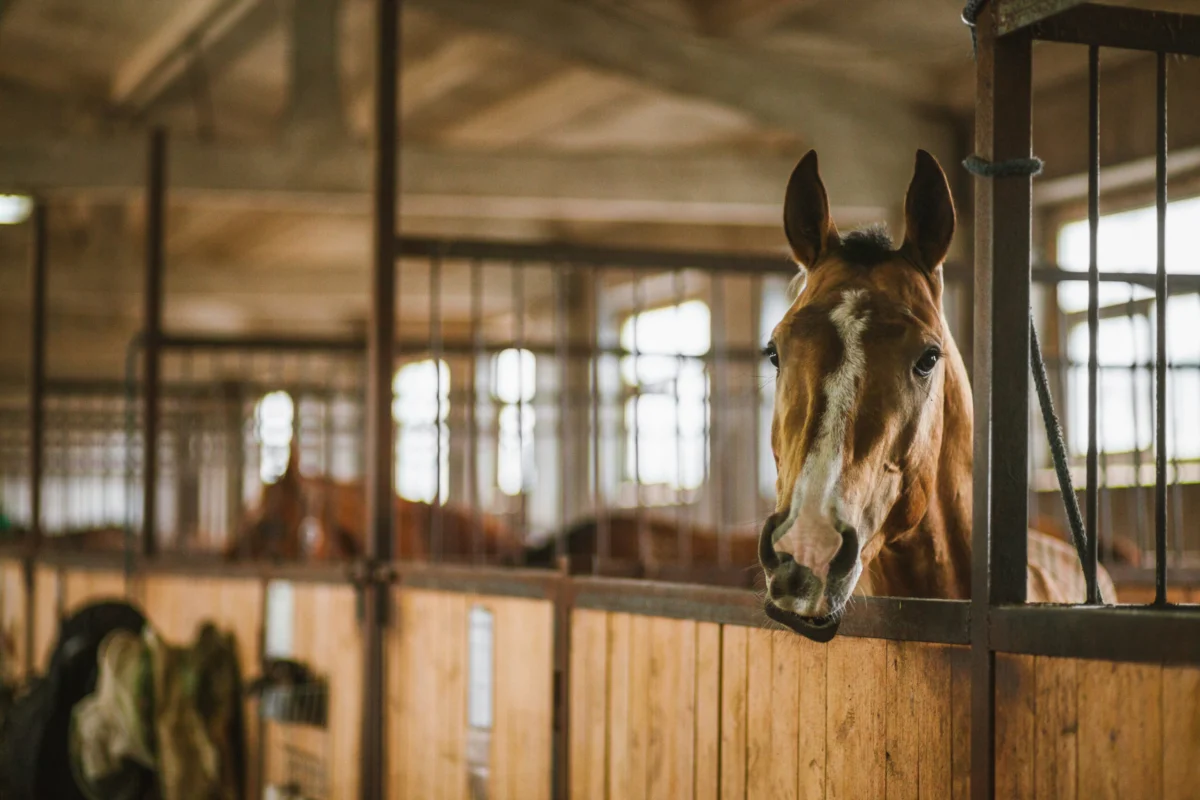
In a sobering development for the North American equine industry, health officials have confirmed ten cases of Equine Infectious Anemia (EIA) distributed across Nevada, California, Texas, and Washington. This cluster of infections, verified through reports disseminated by the Equine Disease Communication Center (EDCC), serves as a stark reminder of the persistent threat posed by this incurable viral disease. As state animal health officials scramble to trace contacts and implement quarantine protocols, horse owners and facility managers are being urged to tighten biosecurity measures to prevent further spread.
Main Facts: Understanding the Current Outbreak
Equine Infectious Anemia (EIA) remains one of the most feared diagnoses in the veterinary world. Often referred to as "swamp fever," EIA is a lentivirus—a member of the same family as HIV—that specifically targets the immune system of equids, including horses, ponies, donkeys, and mules.
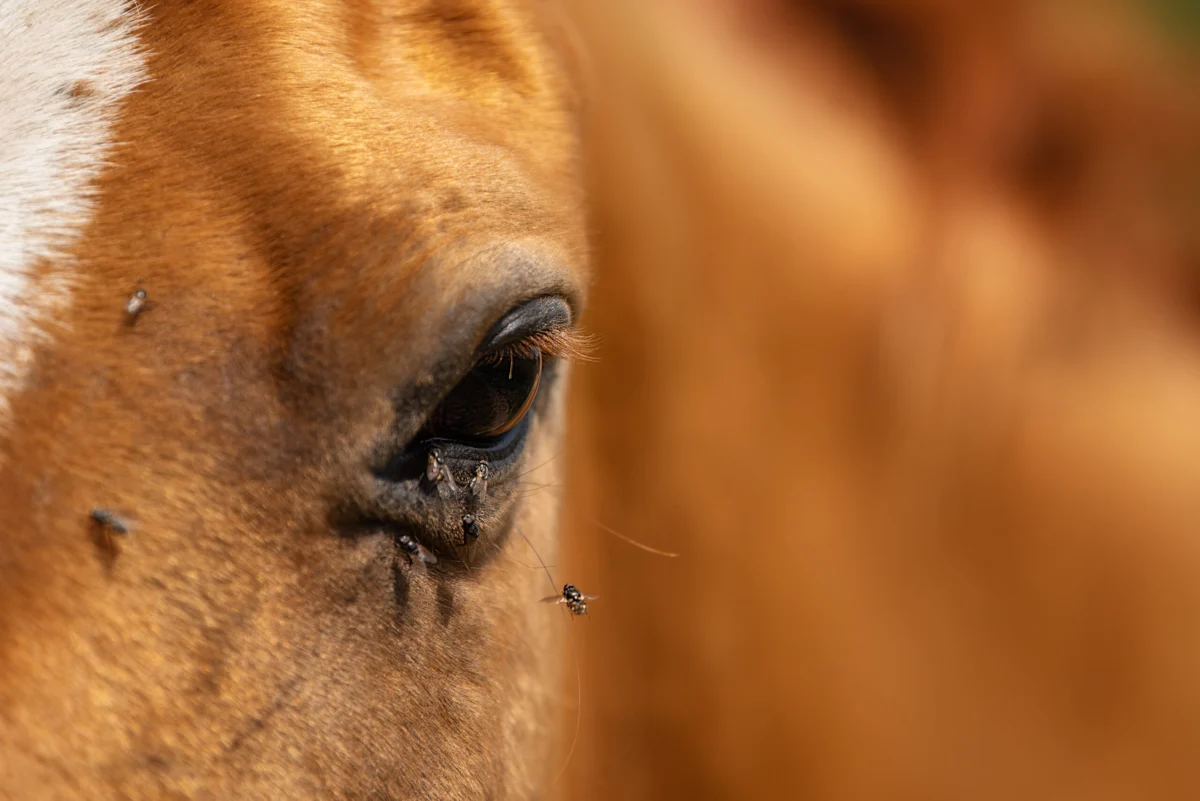
The current outbreak, which has spanned four states, highlights the mobility of the modern equine industry. Because EIA is primarily transmitted via blood-feeding insects—such as horseflies, deerflies, and stable flies—or through the mechanical transfer of blood via contaminated needles or dental equipment, the geographical spread is largely dictated by human-assisted transport and local insect populations.
While the specific details regarding the individual horses involved in these ten cases are currently being processed by state veterinarians, the confirmation of the virus necessitates an immediate shift in focus toward vector control, strict sanitation, and rigorous adherence to testing requirements.
Chronology of the Threat
The detection of these ten cases follows a pattern of sporadic outbreaks that have historically plagued the United States. Unlike outbreaks of Equine Herpesvirus (EHV-1), which often present as explosive, acute clusters of respiratory or neurological distress, EIA is a stealthy, chronic, and lifelong infection.
The Mechanism of Spread
The timeline for an EIA outbreak is often difficult to pinpoint because of the long incubation period. A horse may be infected for weeks or even months before the viral load becomes high enough to cause clinical symptoms or trigger a positive result on a Coggins test.
- Initial Exposure: The virus enters the bloodstream, typically through the bite of an infected tabanid fly or the reuse of an infected hypodermic needle.
- Viral Replication: The virus begins to multiply within the macrophages of the horse’s immune system.
- The "Silent" Phase: The horse may appear completely healthy. During this stage, the animal serves as a "silent reservoir," capable of infecting other horses if bitten by flies.
- Diagnostic Trigger: The cases currently reported were likely identified through routine Coggins testing (required for travel or show entry) or through follow-up testing after an index case was discovered at a boarding facility or ranch.
Supporting Data: The Science of EIA
To understand the gravity of these ten confirmed cases, one must examine the pathophysiology of the virus. EIA is characterized by recurring cycles of fever, anemia, and edema. Because the virus can mutate rapidly, it effectively stays one step ahead of the horse’s immune response, leading to the "rollercoaster" nature of the clinical signs.
The Role of the Coggins Test
The Coggins test, developed in the 1970s by Dr. Leroy Coggins, remains the gold standard for diagnosis. It is an agar gel immunodiffusion (AGID) test that detects antibodies produced by the horse in response to the EIA virus.
- Sensitivity vs. Specificity: The Coggins test is highly specific, meaning a positive result is almost certainly accurate.
- The "Window Period": A critical limitation is the time required for a horse to develop detectable antibodies. It can take up to 60 days post-infection for a horse to test positive. This is why strict quarantine and re-testing protocols are vital when a new case is identified.
Clinical Manifestations
While some horses are asymptomatic, those that progress to clinical disease exhibit a harrowing decline:
- Acute Phase: Sudden onset of high fever, depression, and severe anemia.
- Chronic Phase: Intermittent bouts of fever, weight loss, ventral edema (swelling of the belly), and jaundice.
- The Lifelong Carrier: Regardless of whether the horse shows signs, once infected, they are considered an "inapparent carrier" for life. They are a permanent source of infection for other equids in their vicinity.
Official Responses and Regulatory Oversight
State Departments of Agriculture and the USDA are the primary entities managing the response to these ten cases. Their protocols are uniform across the nation, dictated by the fact that EIA is a reportable disease.
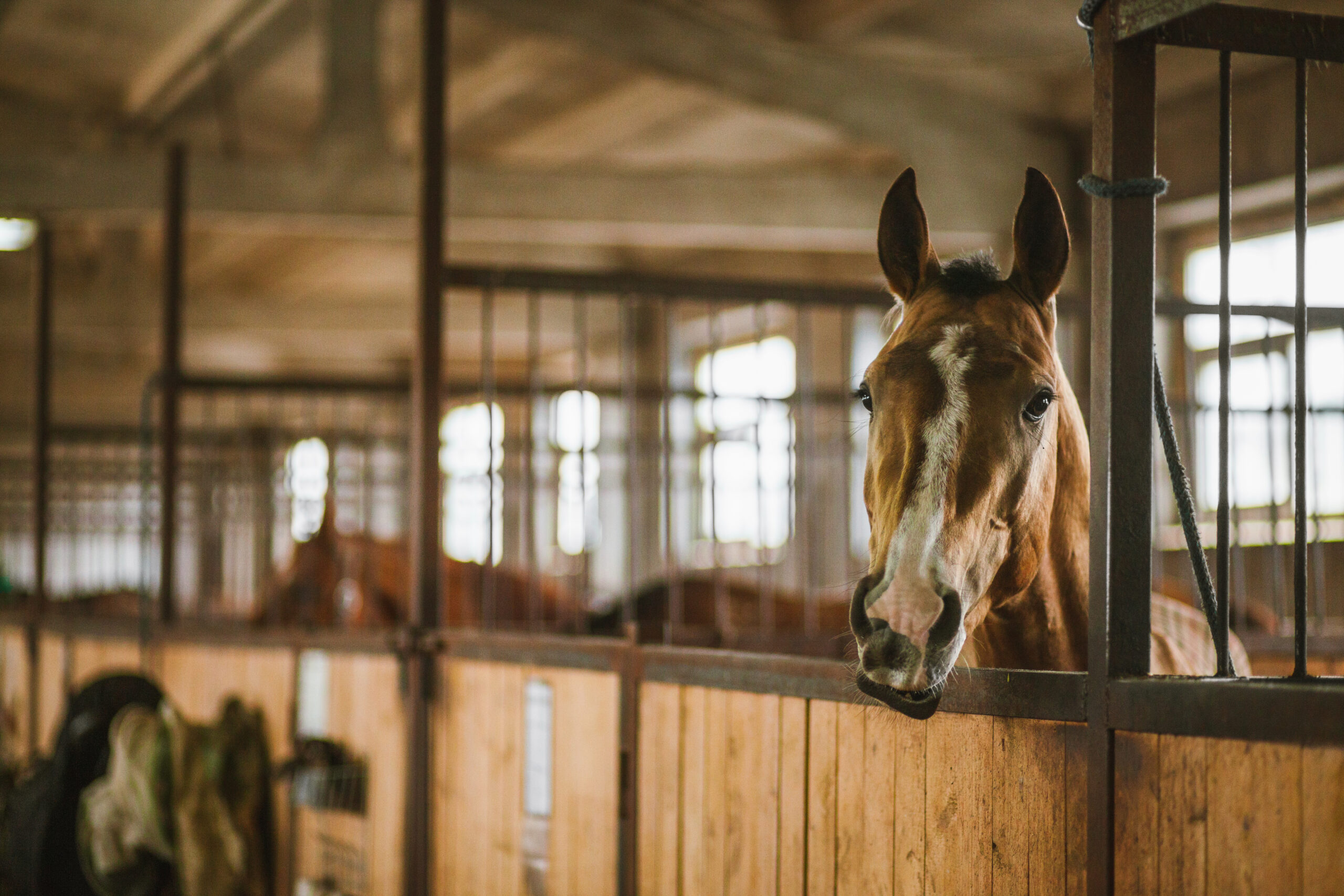
The Protocol for a Positive Case
When a test returns positive, the following steps are mandated:
- Immediate Notification: The laboratory notifies the State Veterinarian.
- Isolation/Quarantine: The infected horse is placed under strict quarantine. Regulations typically require the animal to be kept at least 200 yards away from all other equids at all times.
- Movement Restrictions: The property is locked down. No horses are permitted to enter or leave the premises until testing of the entire herd is completed.
- Outcome Management: Owners of EIA-positive horses are faced with an impossible choice: permanent, lifelong quarantine—which is both expensive and emotionally taxing—or humane euthanasia. Given the risk to the entire equine community, euthanasia is the most common path chosen to prevent accidental spread.
The Role of the EDCC
The Equine Disease Communication Center (EDCC) plays a pivotal role in this response. By acting as a central clearinghouse for disease information, they ensure that veterinarians and owners have access to real-time, verified updates. This prevents the spread of misinformation and allows for a coordinated regional response, which is crucial when cases are spread across multiple states like Nevada, California, Texas, and Washington.
Implications for the Industry
The appearance of these ten cases has significant implications for every segment of the equine industry, from the weekend trail rider to the high-stakes world of international sport horse competition.
Biosecurity as a Non-Negotiable
The most significant lesson from these outbreaks is the urgent need for heightened biosecurity. Owners should consider the following "Best Practices":
- One Needle, One Horse: Never reuse needles, syringes, or IV sets. The mechanical transfer of blood is a preventable human error.
- Vector Control: Manage pastures to reduce standing water and breeding sites for flies. Use fly sheets, masks, and environmental management to minimize the frequency of fly bites.
- Testing Diligence: Do not wait for a show or a border crossing to test your horse. Maintain current Coggins tests even for horses that stay at home.
- Quarantine New Arrivals: Any new horse entering a property should be isolated for at least 30 days and tested for EIA before being turned out with the resident herd.
Economic and Emotional Impact
The loss of a horse to EIA is devastating. Because there is no vaccine and no cure, the diagnosis is essentially a death sentence. Beyond the emotional loss, there is a significant economic impact. A facility with a positive case faces a complete shutdown of operations, resulting in lost income for trainers, boarding managers, and event organizers. Furthermore, the stigma associated with an "EIA-positive barn" can have long-lasting effects on a facility’s reputation.
The Future of EIA Management
As long as the virus exists in the population, the risk remains. The current cases across these four states serve as a warning that the virus is not eradicated. Advances in molecular testing (such as PCR) offer faster detection, but they do not replace the necessity of the Coggins test or the requirement for owner vigilance.
Conclusion
The identification of ten EIA cases across Nevada, California, Texas, and Washington is a wake-up call. It highlights the vulnerability of the equine population to diseases that, while manageable through strict regulation, remain persistent threats.
The industry’s defense against EIA relies entirely on the cooperation between owners, veterinarians, and state officials. By prioritizing biosecurity, adhering to testing requirements, and maintaining a high level of situational awareness, horse owners can protect their animals and their community. As the EDCC continues to monitor these cases, the message to the public remains clear: the health of our horses is a collective responsibility, and vigilance is the only way to keep our equids safe from the devastating impact of Equine Infectious Anemia.
For further information or to report a suspected case, owners should contact their local veterinarian or state animal health department immediately. Together, through informed action and rigorous adherence to science-based protocols, the equine community can mitigate the damage and work toward a future where the threat of EIA is significantly diminished.