For avian enthusiasts and novice breeders, the reproductive cycle of a lovebird (Agapornis) is both a source of fascination and a significant responsibility. While these vibrant, small parrots are known for their social nature and affectionate bonds, their biological propensity for egg-laying is a complex process influenced by age, environmental cues, and evolutionary instincts. Understanding the nuances of their reproductive behavior is essential for ensuring the welfare of both the parents and potential offspring.
Main Facts: Understanding the Reproductive Cycle
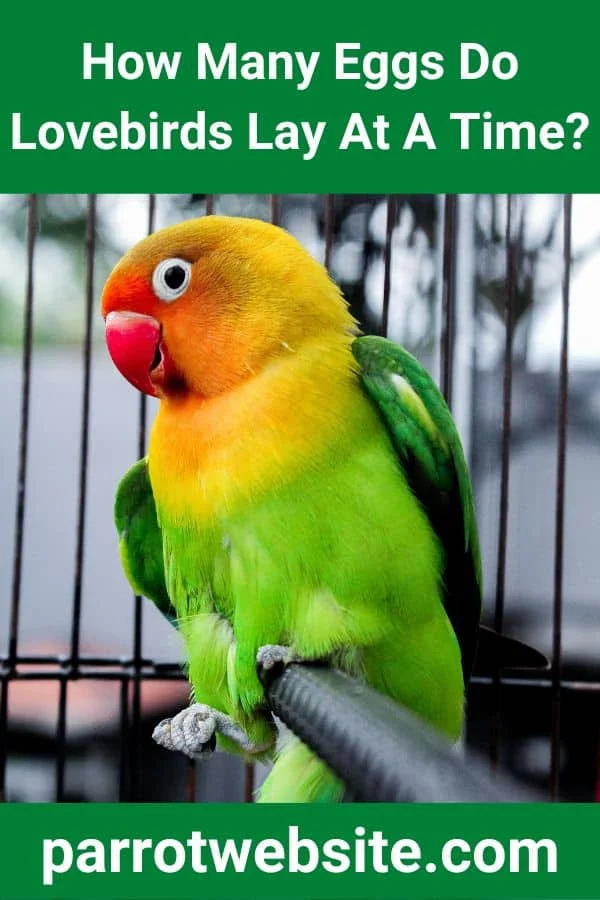
At the core of lovebird reproductive behavior is the clutch. A standard clutch for a healthy, mature lovebird typically consists of four to six eggs. While variations occur, this range represents the biological baseline for the species.
It is a common misconception that first-time layers will always produce smaller clutches. While some younger females may lay fewer eggs during their inaugural cycle, this is not a universal rule; many first-time mothers are capable of producing a full, standard-sized clutch. Conversely, as a bird matures, her output can occasionally increase, though clutches exceeding 10 to 12 eggs are rare and often indicate that the eggs may not all be viable.
Importantly, egg-laying is not exclusive to mated pairs. Single females may produce "clear" or infertile clutches in response to seasonal changes, dietary stimuli, or the presence of nesting material. Owners should be prepared for the reality that a lone lovebird can still go through the physical, taxing process of producing up to 30 eggs a year if she is a prolific layer, regardless of whether a male is present.
Chronology: From Maturation to Incubation
The timeline of the reproductive process is a structured sequence that requires patience and close monitoring from the owner.
1. Reaching Sexual Maturity
While lovebirds may show interest in nesting behavior earlier, responsible breeders should exercise patience. The minimum age for breeding is 18 months, though most avian experts and veterinarians recommend waiting until the bird is 24 months old. This waiting period ensures that the hen is fully developed, reducing the risk of complications such as egg binding—a life-threatening condition where an egg becomes stuck in the oviduct.
2. The Laying Phase
Once the cycle begins, the hen will typically lay one egg every other day. This schedule continues until the clutch is complete, a process that usually spans approximately one week. It is highly improbable for a lovebird to lay two eggs in a single 24-hour period. If an owner observes rapid-fire laying, it may be a sign of a health issue or a miscalculation in monitoring.
3. The Incubation Period
The incubation clock begins either when the first egg is laid or, more commonly, once the hen begins sitting steadily on the clutch. From the point of consistent incubation, the eggs generally require 18 to 24 days to hatch. Because the eggs are laid sequentially, they often hatch over several days. The first egg laid is usually the first to hatch, which can result in significant size disparities among hatchlings.
Supporting Data: Why They Lay and Why They "Toss"
To understand why lovebirds lay such high numbers of eggs, one must look at their evolutionary history. In the wild, these birds exist in environments fraught with predation and environmental instability. The strategy of laying multiple eggs is an insurance policy; it increases the statistical probability that at least some offspring will survive to reach reproductive maturity.
The Phenomenon of Egg Tossing
Owners often experience distress when they discover an egg discarded outside the nesting box. This behavior, known as "egg tossing," is a natural selection mechanism. If a hen senses that an egg is infertile, the embryo has expired, or the egg is damaged, she will remove it to protect the remaining viable eggs and prevent the buildup of bacteria in the nest.
When an egg is found outside the nest, owners should conduct a simple "candling" test—holding the egg up to a strong light source in a dark room. If a web of blood vessels is visible and the embryo appears healthy, the egg may be returned to the nest. However, if the egg shows no development or signs of decay, it should be removed permanently.
Official Perspectives: The Ethics of Breeding
Professional breeders and avian veterinarians emphasize that while lovebirds can lay up to six clutches a year, they should not be encouraged to do so. Constant reproduction places an enormous calcium and energy burden on the hen.
Managing the Breeding Load
The consensus among experts is to limit breeding to no more than two cycles per year. Allowing a bird to exhaust itself by raising continuous clutches can lead to:
- Nutritional Depletion: Severe calcium deficiency and mineral loss.
- Physical Exhaustion: Weakened immune systems and increased susceptibility to disease.
- Behavioral Stress: Aggression toward cage mates or extreme territoriality.
If a hen is laying excessive unfertilized eggs, owners should consult a veterinarian to discuss "light management" or dietary adjustments to discourage the hormonal triggers that lead to egg production.
Implications for the Hobbyist
For those intending to breed lovebirds, preparation is the difference between a successful endeavor and a tragic one.
Nesting Infrastructure
Providing a high-quality, appropriately sized nesting box is non-negotiable. The box must be clean, secure, and made of non-toxic materials. It serves as the primary environment for the hen during the incubation phase, and its design can impact the safety of the eggs as they are laid.
The Reality of Success
It is essential to acknowledge that breeding lovebirds is notoriously difficult. Unlike domestic species such as chickens, which have been selectively bred for high output and ease of handling, lovebirds retain their wild, instinctual nature. They require specific social cues, stable pair bonds, and precise environmental conditions to successfully rear a brood.
When to Seek Help
If a hen is acting lethargic, sitting at the bottom of the cage with ruffled feathers, or straining without producing an egg, this is an emergency. "Egg binding" is a common killer of captive birds. A proactive owner will have an avian-specialized veterinarian on speed-dial before the first egg is even laid.
Conclusion: A Delicate Balance
The reproductive life of a lovebird is a testament to the resilience of nature. While these birds are biologically programmed to produce large numbers of offspring to ensure the survival of their lineage, the domestic environment requires human intervention to keep that instinct in check.
By waiting until the birds are at least 24 months old, limiting the number of breeding cycles, and providing a stable, well-researched environment, owners can enjoy the rewarding experience of breeding these intelligent animals while prioritizing the health and longevity of the parents. Whether you are a first-time owner or an aspiring breeder, remember that every egg represents a significant physiological investment—one that demands our respect, careful observation, and a commitment to the highest standards of avian care.