Main Facts: The Rise of Canine Tourism in the Northeast
New England—comprising the historically rich and geographically diverse states of Connecticut, Maine, Massachusetts, New Hampshire, Rhode Island, and Vermont—has long drawn travelers with its maritime heritage, alpine vistas, and storybook villages. In recent years, however, the region has rapidly solidified its reputation as one of the premier pet-friendly travel destinations in North America.
According to regional tourism boards and outdoor recreation data, pet-inclusive travel has grown exponentially, with an estimated 60% of leisure travelers now incorporating their domestic animals into vacation itineraries. New England’s unique blend of accessible state parks, historic landmarks, outdoor-centric culture, and welcoming hospitality infrastructure makes it an ideal laboratory for canine-inclusive tourism.
From the windswept shores of Cape Cod to the granite-studded ledges of Mount Desert Island, the six-state region offers thousands of miles of trails, historic waypoints, and cultural sites where leashed dogs are not merely tolerated, but enthusiastically welcomed. Travel planners and pet-lifestyle experts emphasize that experiencing New England with a canine companion transforms a standard vacation into an immersive, deeply engaging journey through American history and rugged geography.
Chronology: A Season-by-Season Blueprint for Exploration
Navigating New England with a dog requires an understanding of the region’s distinct seasonal rhythms and historical milestones. Planning a comprehensive multi-state tour involves tracing a deliberate geographic and chronological arc.
Spring: Awakening and Architectural Wonders (April – May)
As the winter frost recedes, southern New England begins to bloom. Spring is the optimal time to visit historical estates and coastal state parks before the heavy summer crowds arrive.
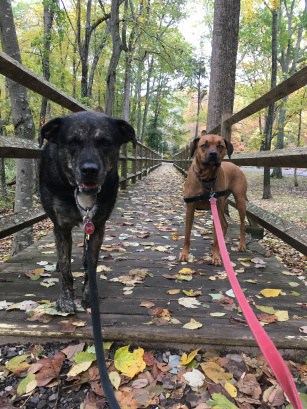
Gillette Castle State Park (East Haddam, Connecticut): Begin the journey by exploring the woodland trails surrounding the eccentric, fieldstone-clad architectural marvel built by early 20th-century actor William Gillette. Leashed pets are permitted across the park’s extensive network of hiking paths, rustic bridges, and high-altitude river overlooks.
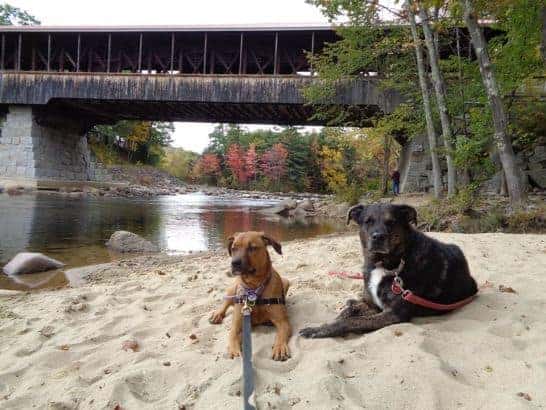
Covered Bridges Throughout the Region: Spring thaw presents an ideal backdrop for architectural photography. Dotted across Vermont, New Hampshire, and Massachusetts, these historic structures—originally engineered to protect bridge decks from harsh winters—provide picturesque photo opportunities and shady resting spots for traveling dogs.
Summer: Coastal Escapades and Island Breezes (June – August)
When temperatures rise, itineraries naturally shift toward the Atlantic coastline and high-elevation mountain escapes where the air remains crisp.
Cape Cod (Massachusetts): While summer on the Cape is famously bustling, targeting the off-seasons or visiting quieter stretches like Town Neck Beach—complete with its sweeping boardwalk—and Cahoon Hollow Beach offers dogs endless sand-digging and wave-watching opportunities. Provincetown, at the peninsula’s northern tip, stands out as exceptionally pet-welcoming, with numerous shops and patios opening their doors to four-legged visitors.
Halibut Point State Park (Rockport, Massachusetts): Situated north of Boston, this coastal jewel features rugged granite quarries and dramatic ocean ledges. It challenges dogs with active rock-hopping and tidal pool exploration while rewarding human companions with panoramic Atlantic views.
Wolfe’s Neck Woods State Park (Freeport, Maine): Located near the retail hub of L.L. Bean, this 250-acre park on Casco Bay boasts diverse ecosystems, nesting ospreys on Googins Island, and cliffside trails overlooking striking turquoise-and-granite waters.
Autumn: Foliage and Mountain Trails (September – October)
Global travelers flock to New England in the fall for its legendary foliage, making it a paradise for active dogs and hiking enthusiasts.
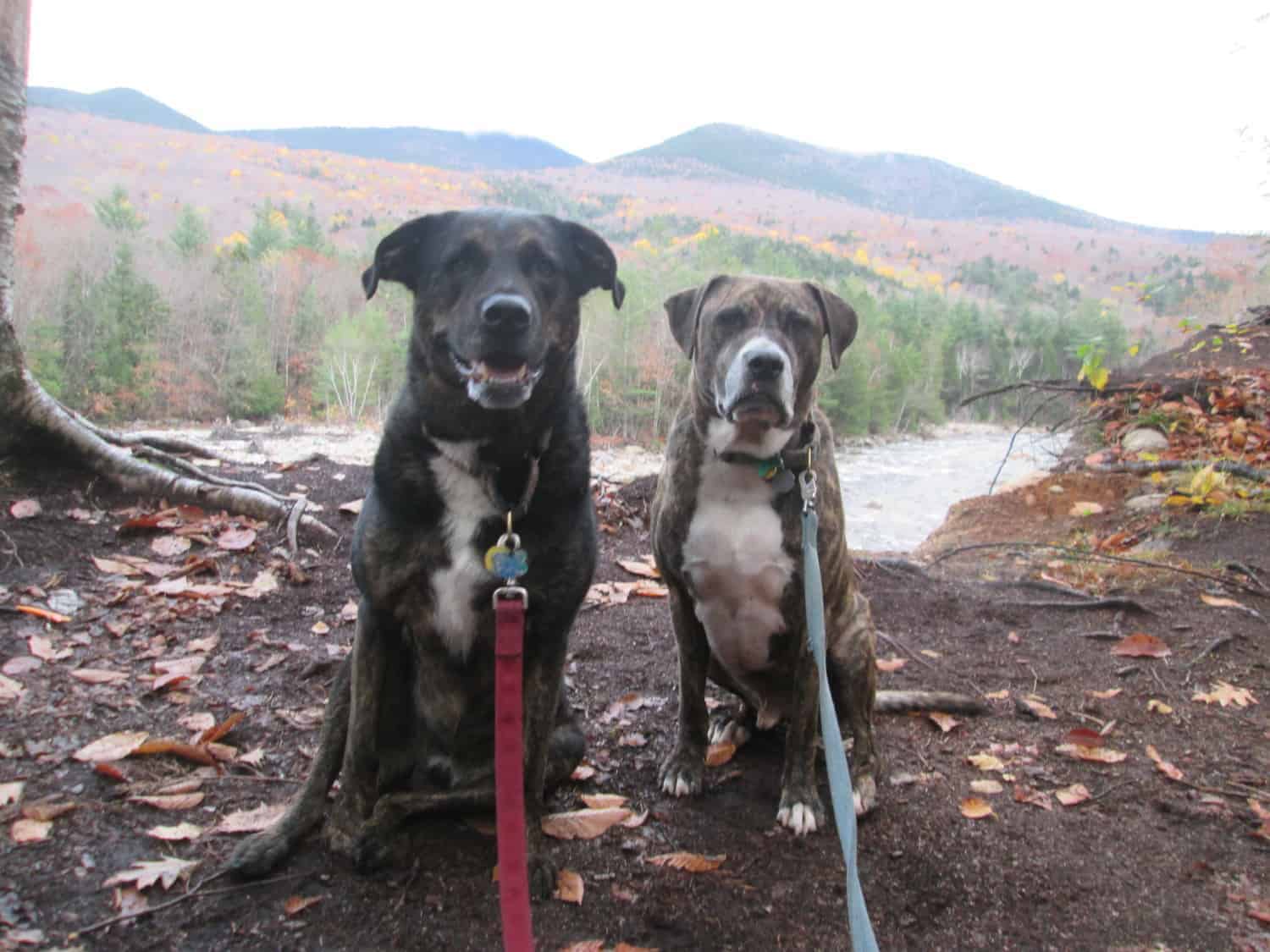
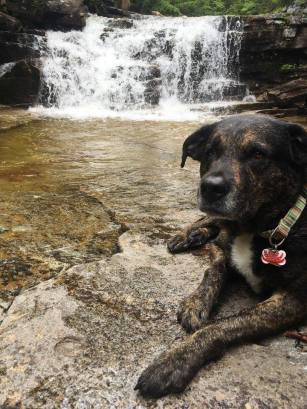
The White Mountains (New Hampshire): Encompassing nearly a quarter of New Hampshire, the White Mountains offer an embarrassment of riches for hikers. Driving the scenic Kancamangus Highway provides immediate access to wonders like Rocky Gorge and Sabbaday Falls, while trail systems such as Arethusa Falls and Lonesome Lake welcome leashed dogs to experience cascading waterfalls and vibrant autumn canopies.
Acadia National Park (Bar Harbor, Maine): As one of the crown jewels of the National Park Service, Acadia permits dogs on approximately 100 miles of historic carriage roads and a select number of foot trails. Crisp autumn mornings framing Jordan Pond and Cadillac Mountain offer unmatched visual splendor.
Dog Mountain (St. Johnsbury, Vermont): Fall is the quintessential season to visit this 150-acre mountaintop sanctuary. Founded by late artist Stephen Huneck, the property features the famous Dog Chapel—where grieving pet owners leave poignant notes and photographs—alongside scenic ponds and vibrant woodland trails.
Supporting Data: The Economics and Demographics of Pet Travel
The commercial and infrastructural viability of pet-friendly travel in New England is supported by robust data reflecting shifting consumer habits and hospitality standards.
Economic Impact: According to the American Pet Products Association (APPA), US pet industry expenditures exceed $140 billion annually, with travel and hospitality accounting for a rapidly expanding share. Regional hospitality associations in Maine, Vermont, and Massachusetts report that pet-friendly lodging options have increased by over 40% over the past decade.
Public Land Accessibility: New England’s commitment to public lands is vast. The region boasts over 200 state parks, state forests, and federally managed areas. Notably, organizations like the Trustees of Reservations in Massachusetts—the nation’s oldest statewide land conservation organization—allow leashed dogs on the vast majority of their 120+ properties.
National Park Comparison: While many national parks severely restrict domestic animals, Acadia National Park permits pets on roughly 45 miles of historic crushed-stone carriage roads and 170 miles of hiking trails, making it statistically one of the most accessible national parks in the United States for canine visitors.
Infrastructure Density: With historical density packed into compact geographic footprints, New England features a high concentration of veterinary clinics, pet boutiques, and outdoor gear supply shops—such as the flagship L.L. Bean campus in Freeport, Maine—ensuring that travelers are never far from emergency care or specialized supplies.
Official Responses: Conservationists, Park Rangers, and Hospitality Leaders
Managing the delicate balance between ecological preservation and recreational access is a top priority for regional authorities. Land managers, conservationists, and tourism officials have established clear operational guidelines to ensure sustainable coexistence between wildlife and visiting pets.
Balancing Conservation with Access
National Park Service rangers at Acadia emphasize the importance of compliance with the park’s "B.A.R.K." Ranger code (Bag waste, Always use a leash, Respect wildlife, Know where you can go). Park superintendents note that while the overwhelming majority of pet owners are responsible, adherence to leash laws is critical to protecting ground-nesting birds, such as peregrine falcons and ospreys found along the Maine coastline.
Community Integration
Local business associations in coastal Massachusetts and Vermont have actively embraced the pet travel economy. Town officials in Provincetown and Bar Harbor report that pet-friendly dining patios and retail establishments experience higher customer retention and positive economic spillover.
"When visitors travel with their dogs, they tend to stay longer in the community, patronize local outdoor outfitters, and engage more deeply with open-air markets and walking tours," notes a regional tourism development director. "Pets act as social catalysts, bridging connections between travelers and local business owners."
Furthermore, cultural institutions like the Dog Chapel at Dog Mountain operate on a philosophy of emotional resonance and community healing. Caretakers emphasize that the sanctuary is designed to welcome all grieving pet parents unconditionally, reinforcing the bond between humans, animals, and the physical landscape of Vermont.
Implications: The Future of Pet-Inclusive Tourism in the Northeast
The institutional embrace of pet-friendly travel across New England carries profound implications for the future of domestic tourism, conservation policy, and local economies.
1. Shifts in Hospitality Infrastructure
Hotels, inns, and bed-and-breakfasts that traditionally enforced strict "no-pets" policies are rapidly retrofitting rooms with specialized amenities—such as designated pet floors, organic welcome treats, and loaner crate programs—to capture the lucrative pet-owning demographic. This shift is redefining luxury travel, proving that high-end hospitality and animal companionship are no longer mutually exclusive.
2. Environmental Stewardship and "Leave No Trace"
As foot traffic increases on sensitive alpine trails in the White Mountains and fragile coastal dunes in Cape Cod, land management agencies face new challenges regarding waste management and trail erosion. The implications are clear: the long-term preservation of New England’s natural wonders depends on rigorous visitor education. The expansion of pet-friendly initiatives must be paired with strict enforcement of leash protocols and packing out pet waste to protect native flora and fauna.
3. A Model for National Recreation
New England’s decentralized yet interconnected network of pet-friendly state parks, historic trails, and private sanctuaries serves as a scalable blueprint for other regions across the United States. By demonstrating that historic preservation, rugged outdoor recreation, and domestic animal access can harmoniously coexist, New England sets a gold standard for modern eco-tourism.
Ultimately, exploring New England with a canine companion offers a richer, more grounded perspective on the region’s storied landscape. Whether standing atop a granite ledge overlooking the Atlantic at Halibut Point or pausing to admire a centuries-old covered bridge in rural Vermont, travelers discover that the journey is infinitely more rewarding when shared with a best furry friend.